10 Best Crystals for Grief, Loss, and Healing
Stones Associated with Loss, Mourning & Emotional Healing
Funeral and mourning practices across cultures have consistently included specific minerals. Jet (fossilized wood) was the standard mourning stone in Victorian England. Apache tear obsidian carries one of the most poignant origin legends in crystal tradition. Black stones generally appear in mourning contexts - the same color association present in Western funeral dress. These traditions offer something valuable: a material object to hold during the unmaterial experience of grief.
Crystals do not resolve grief. Grief is a natural human process that takes its own time. These stones can serve as meaningful companions during loss, but professional support is valuable for those experiencing intense or complicated grief.
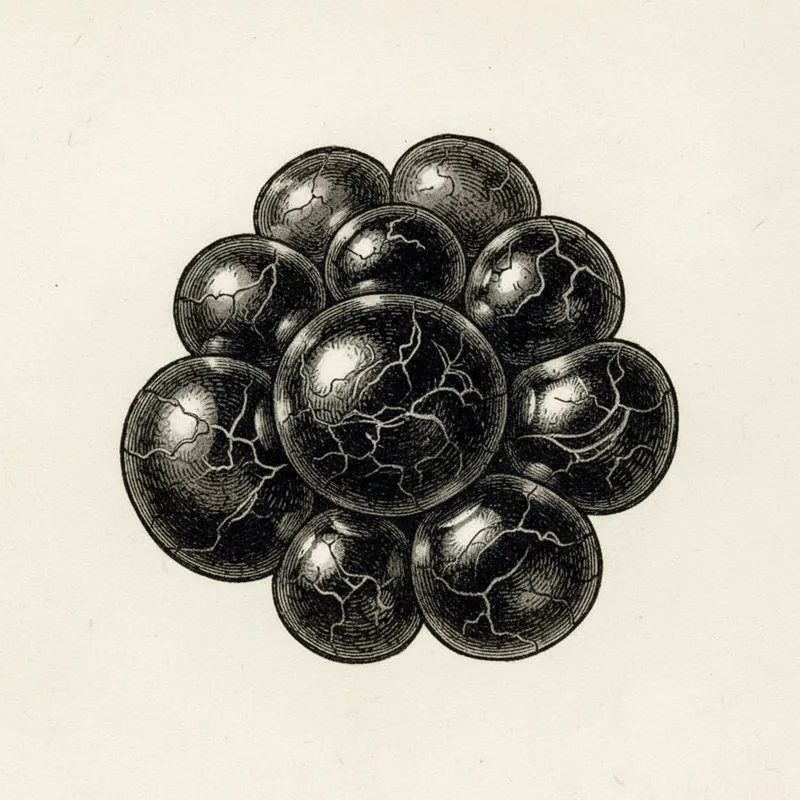
Apache Tear
The Grief Stone
The grief stone by tradition. Legend holds that Apache women wept for 70 warriors lost in battle, and their tears became these obsidian nodules. Each teardrop-shaped stone is translucent when held to light - a quality unique to this obsidian variety.
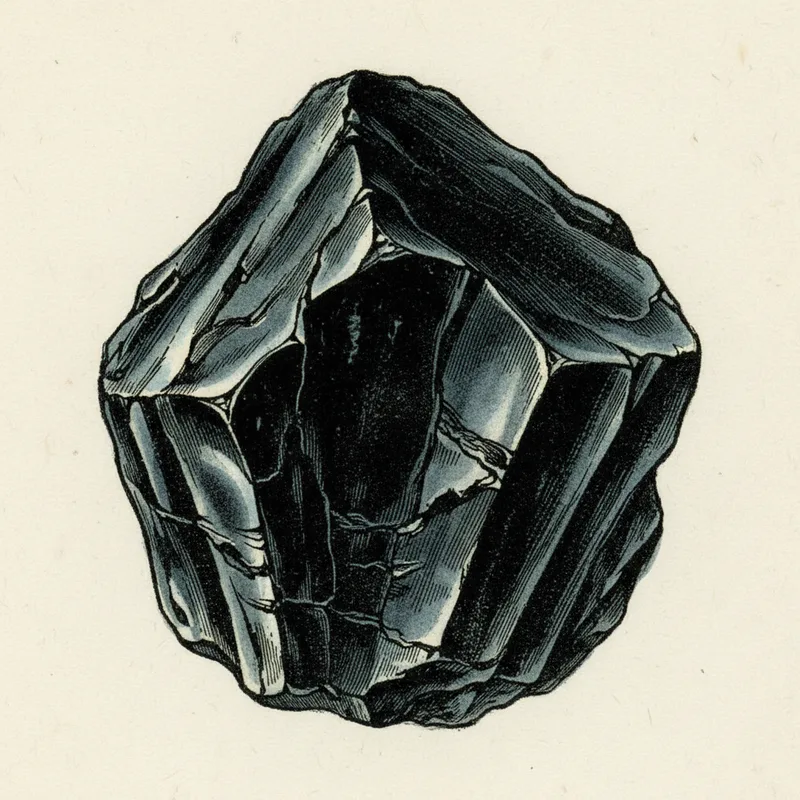
Obsidian
The Volcanic Glass
Black volcanic glass used in mourning rituals across Mesoamerican cultures. Its ability to form mirror surfaces made it a tool for confronting and processing difficult truths during grief.
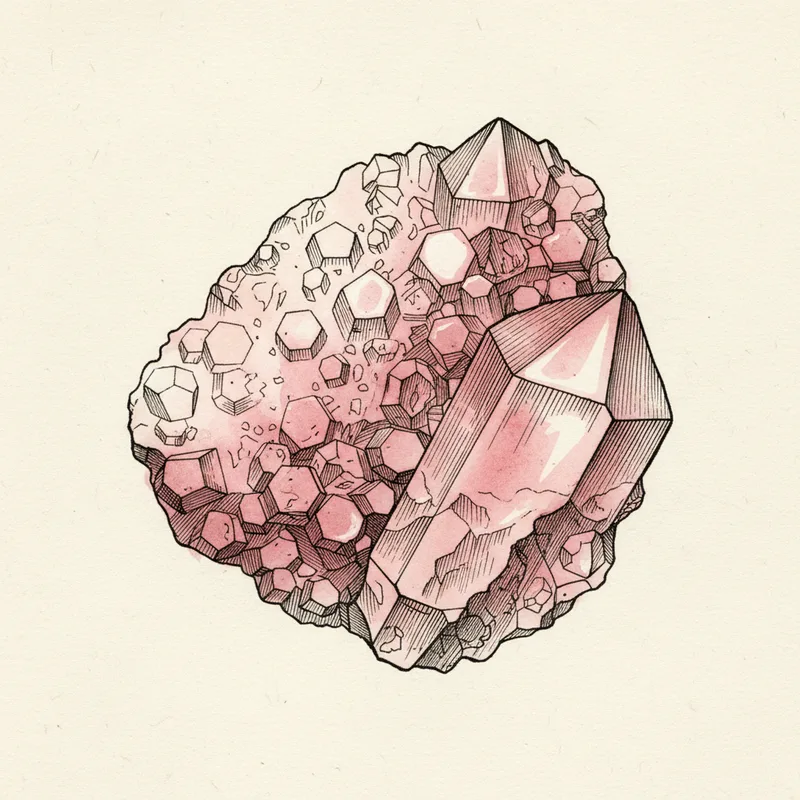
Rose Quartz
The Stone of Unconditional Love
The stone of self-compassion. Grief requires turning gentle attention toward oneself. Rose quartz's soft pink and association with unconditional love supports the self-care that grief demands.
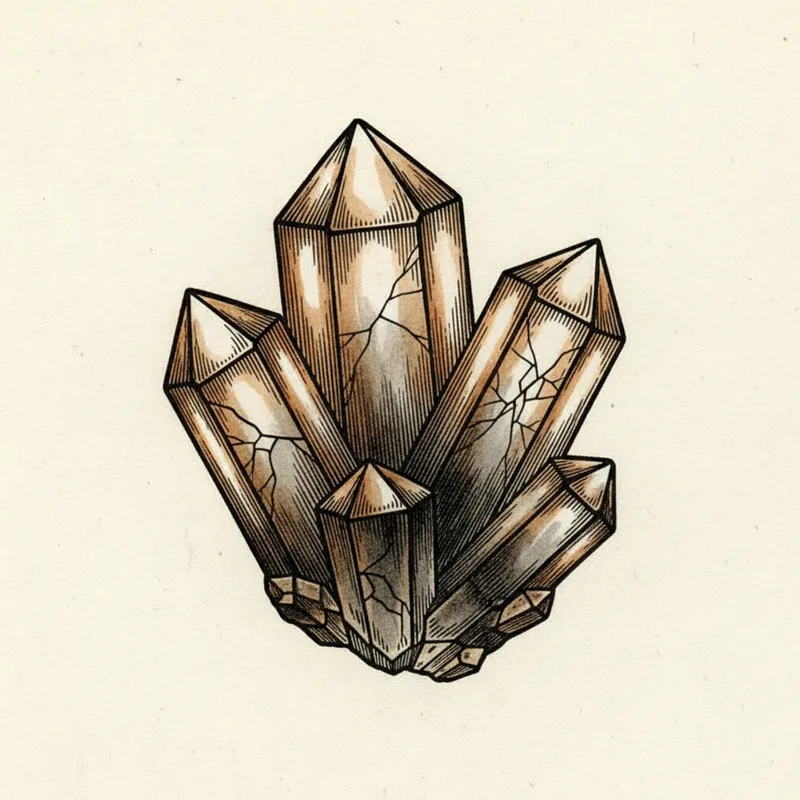
Smoky Quartz
The Grounding Stone
The transmutation stone. Associated with absorbing heavy energy and transforming it. Carried during grief for the steady, grounding quality that holds you present through waves of loss.
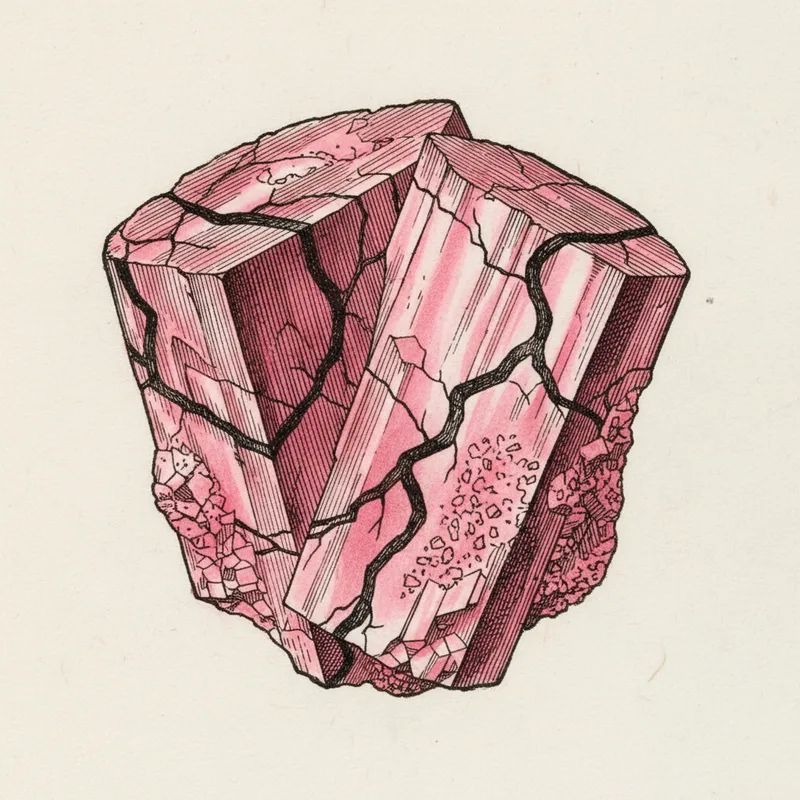
Rhodonite
The Rescue Stone
The rescue stone. Specifically associated with recovering from loss, processing trauma, and rebuilding after significant change. Its black manganese veins through pink represent the dark threads woven into love.
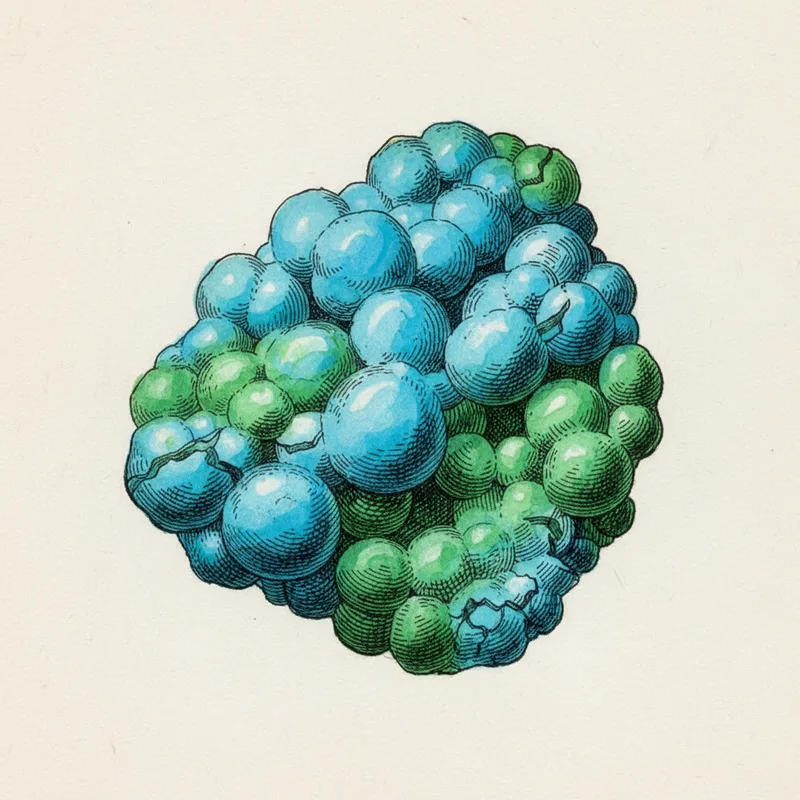
Chrysocolla
The Teaching Stone
Associated with the grief of strong women in crisis. Cleopatra carried it during political upheaval. Connected to finding grace and calm expression during the most difficult emotional seasons.
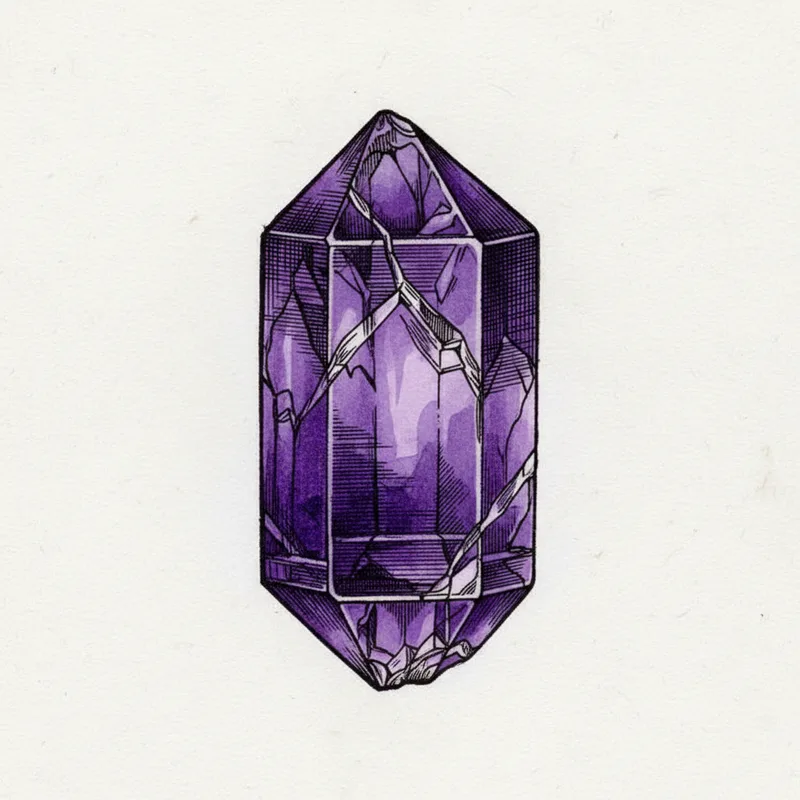
Amethyst
The Stone of Spiritual Wisdom
Medieval healing traditions used amethyst specifically for grief. Its calming properties and association with spiritual protection made it the standard stone for the bereaved in European tradition.
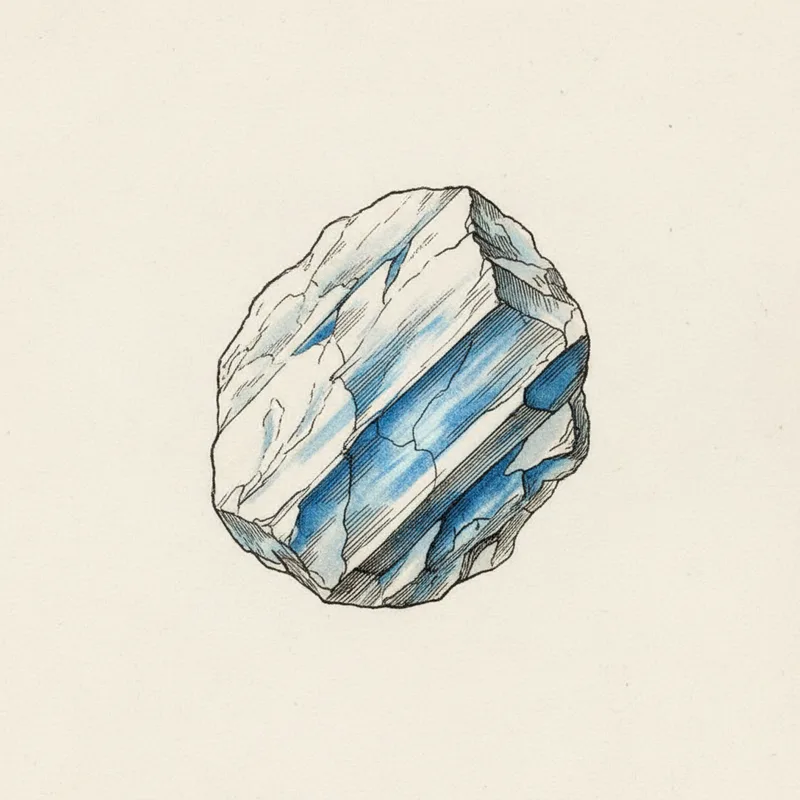
Moonstone
The Traveler's Stone
Connected to emotional cycles and the natural ebb of feeling. Grief has its own rhythm, like tides. Moonstone's adularescent shimmer - present, then gone, then present again - mirrors the wavelike nature of loss.
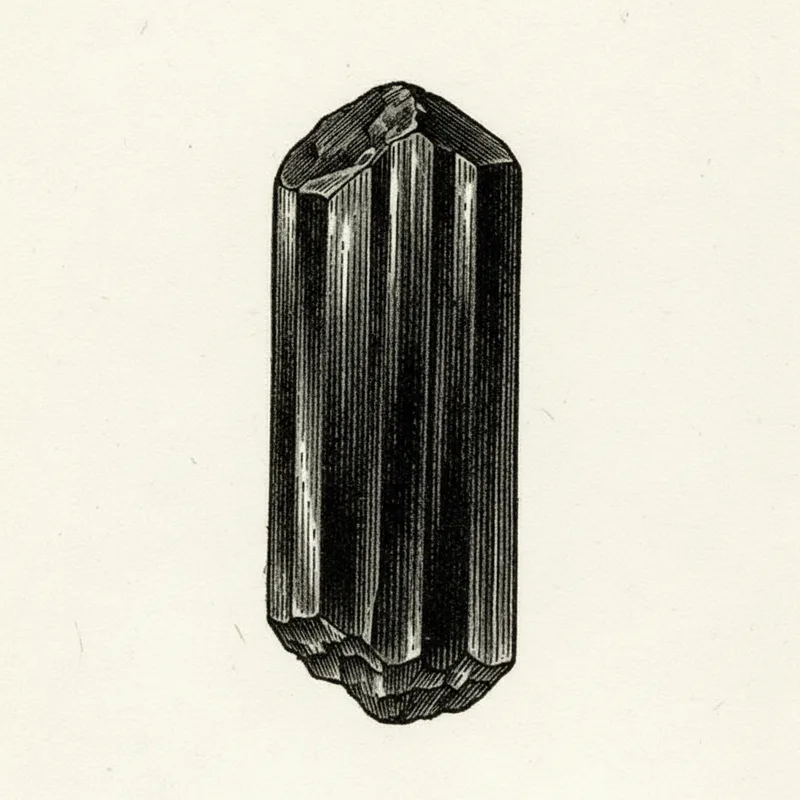
Black Tourmaline
The Shield Stone
The protective companion. During grief, when defenses are lowered, black tourmaline's protective association provides a sense of energetic boundary. Something to hold that keeps the world at a manageable distance.
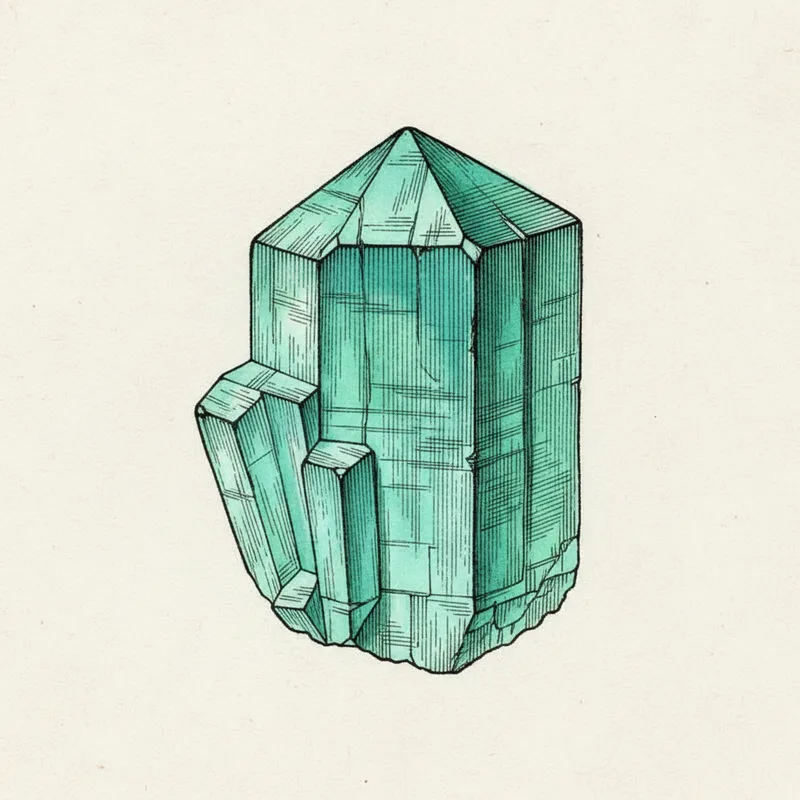
Amazonite
The Hope Stone
The hope stone. Associated with recovering equilibrium after trauma and moving through difficulty with dignity. Its blue-green color has a specifically reviving, forward-looking quality among grief stones.