Obsidian vs Black Tourmaline: Volcanic Glass vs Crystal
Key Takeaway: One is a rapidly cooled volcanic glass with razor-sharp edges, while the other is a tough, crystalline silicate mineral that grows in long prisms. Black tourmaline is harder and more durable for jewelry.
Obsidian is not actually a mineral. It is a volcanic glass formed from rapidly cooling lava. Black tourmaline, specifically the variety known as schorl, is a highly structured, complex silicate mineral. Obsidian breaks with curved, glass-like fractures and sharp edges, while tourmaline forms long, striated crystals that are much heavier and harder.
At a Glance
| Feature | Obsidian | Black Tourmaline (Schorl) |
|---|---|---|
| Hardness | 5 to 5.5 | 7 to 7.5 |
| Chemical Formula | Mainly SiO₂ (amorphous) | NaFe₃Al₆(BO₃)₃Si₆O₁₈(OH)₄ |
| Crystal System | None (Amorphous) | Trigonal |
| Color Range | Black, sometimes with silver/gold sheen | Opaque black |
| Price Range | $5 to $15 per pound | $10 to $30 per pound |
| Best For | Carvings, arrowheads, statement pendants | Raw specimens, wire-wrapped pendants, durable jewelry |
How They Form
Obsidian is born directly from volcanoes. When felsic lava, which is highly viscous and rich in silica, erupts onto the Earth's surface, it sometimes cools so rapidly that atoms do not have time to arrange themselves into a crystalline lattice. The result is a natural, amorphous glass. Because it lacks a crystal structure, it is technically a mineraloid rather than a true mineral. Over millions of years, obsidian actually devitrifies, slowly breaking down into fine-grained crystals, which is why you will never find obsidian older than the Cretaceous period.
Black tourmaline accounts for over 95 percent of all tourmaline found in nature. It grows in deep underground environments, typically within igneous rocks like pegmatites or in metamorphic rocks. Tourmaline requires a complex soup of elements to form, including boron, iron, and aluminum. It crystallizes slowly from hot, mineral-rich fluids over thousands of years, growing into distinct, elongated prismatic crystals.
How to Tell Them Apart
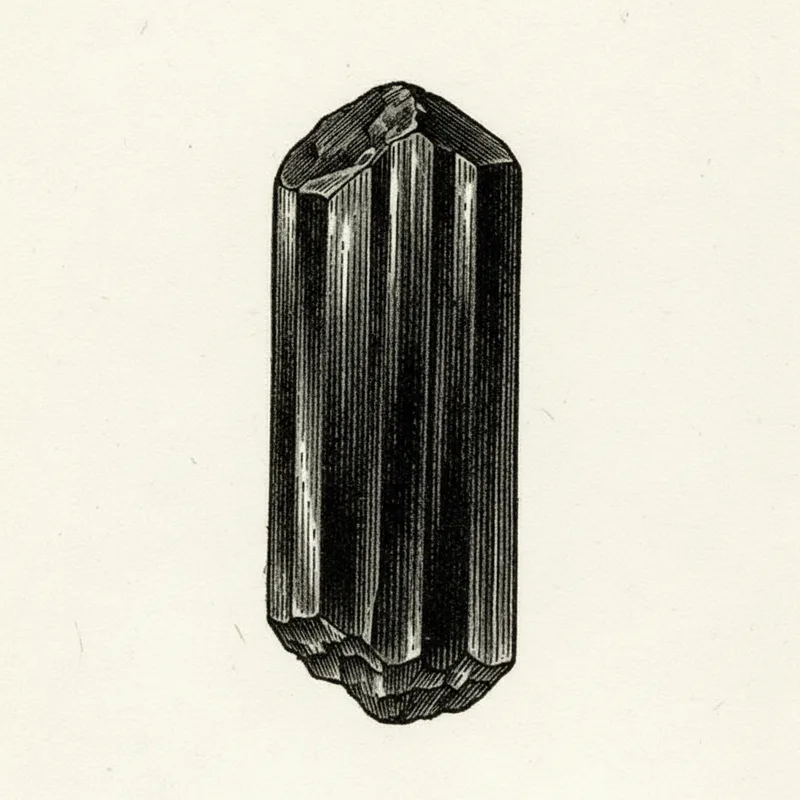
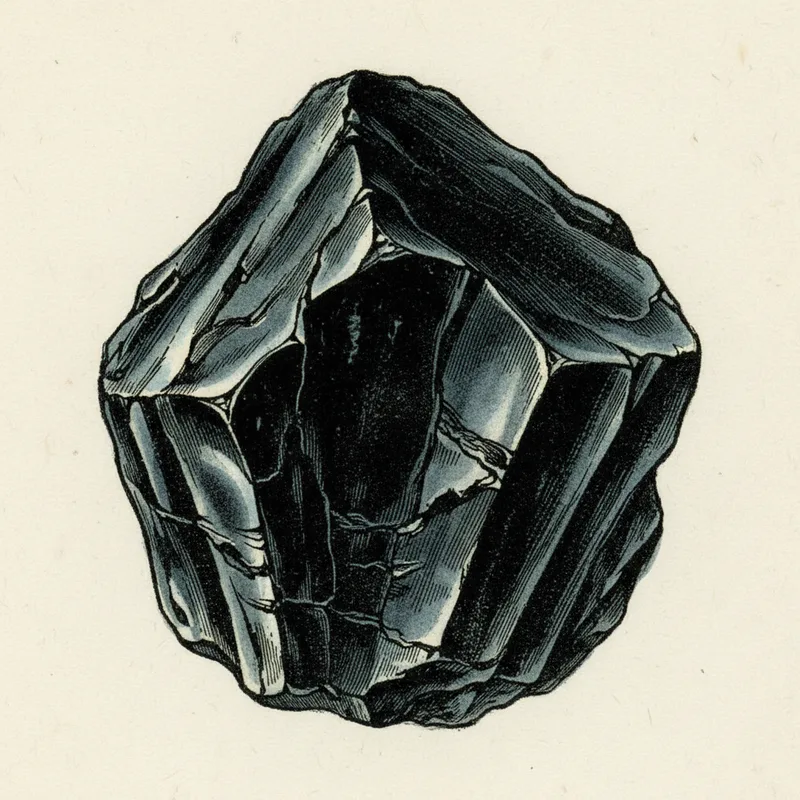
In their raw forms, they look completely different. Black tourmaline grows in distinct columns or rods. If you look at the sides of a raw tourmaline crystal, you will see deep vertical grooves or striations running down its length. The cross-section of a tourmaline crystal often looks like a rounded triangle.
Raw obsidian looks like broken glass. It has no structural shape and breaks with a conchoidal fracture, leaving smooth, curved surfaces with ridges that look like the inside of a seashell. The edges of broken obsidian are literally sharper than surgical steel scalpels. If both stones are polished into perfectly round spheres, obsidian will feel slightly lighter and will often show a faint translucency at the very edges if held to a strong light, while schorl is dense and entirely opaque.
Price & Value
Both stones are incredibly abundant and very affordable. Black tourmaline is mined in massive quantities worldwide, particularly in Brazil and Africa. Its price is dictated mostly by the size and aesthetic perfection of the raw crystal structure. Large, pristine tourmaline rods can fetch decent prices from mineral collectors.
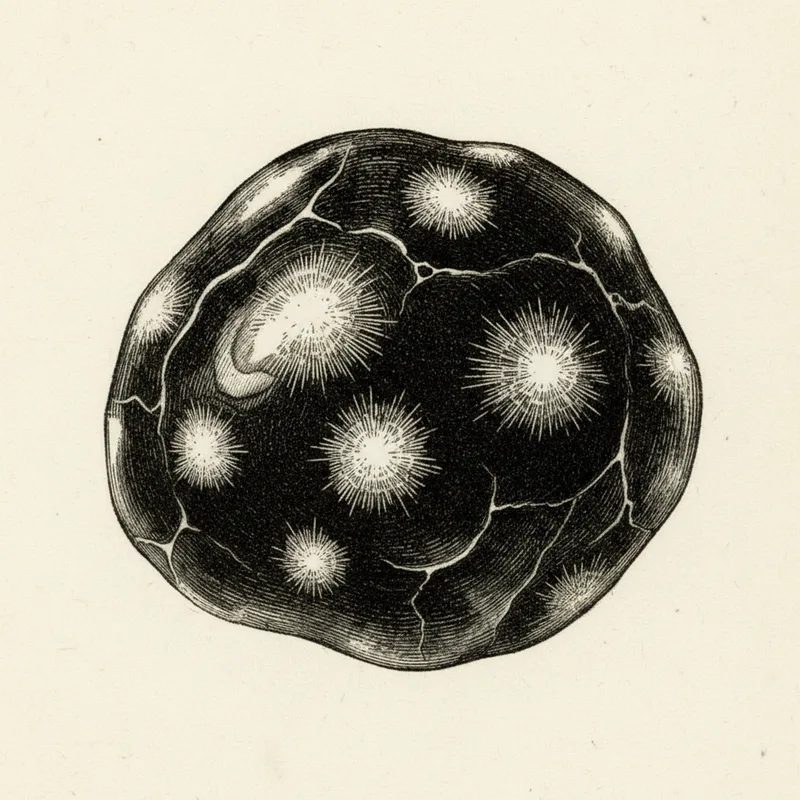
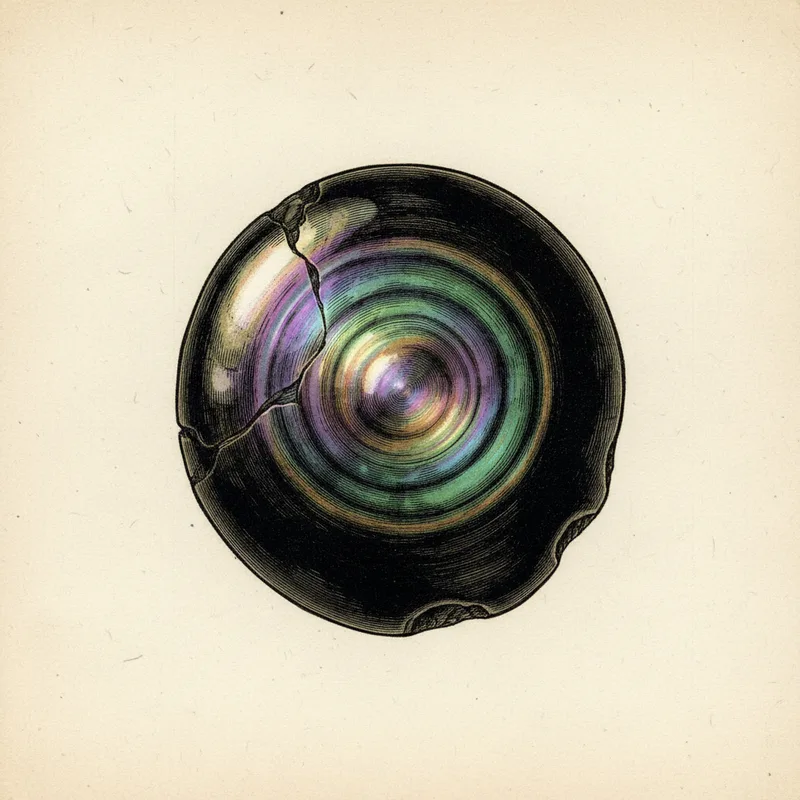
Obsidian is quite literally lying on the ground in many volcanic regions of the world. Standard black obsidian has very little intrinsic monetary value. Certain varieties with attractive inclusions, like Gold Sheen obsidian, Rainbow obsidian, or Snowflake obsidian, are slightly more valuable but still firmly in the budget category.
Which Should You Choose?
If you are looking for an opaque black stone for a ring or bracelet, black tourmaline is the better choice because its hardness makes it much more resistant to scratching than obsidian. Obsidian is relatively soft and brittle. However, if you appreciate lapidary art, large carvings, or stones with fascinating optical sheens, obsidian provides a larger and more varied canvas.
Crystals in This Article

Keep Reading
Stay in the loop
From the Almanac
Updates from Crystal Almanac, when there’s something worth sharing.