Protection Crystals Explained by Science
Key Takeaway: "Protection crystals" are one of the most popular categories in crystal healing. The science doesn't support energy shielding, but several of these minerals have genuinely fascinating physical properties, from piezoelectricity to radiation absorption to natural magnetism, that make the conversation far more interesting than the metaphysical market lets on.
Walk into any crystal shop and ask for protection crystals, and the seller will hand you black tourmaline. Every time. It's the undisputed king of the protection crystal category across every modern crystal healing tradition. But ask why it's considered protective, and you'll usually get vague references to "absorbing negative energy" and "creating an energetic shield."
Here's what almost nobody in the crystal market will tell you: several of these minerals have real, measurable, scientifically documented physical properties that are genuinely remarkable. Black tourmaline generates electricity. Smoky quartz forms through exposure to natural radiation. Shungite contains molecular carbon structures found nowhere else in the geological record. Obsidian fractures so sharply it was used in surgical instruments.
None of these properties create an "energy shield." But they're far more interesting than one. Let's go through the science first, then the cultural traditions, and let you decide what matters.
Black Tourmaline (Schorl): The Piezoelectric Crystal
The Science
Black tourmaline, mineralogically known as schorl, is one of the few common minerals that is both piezoelectric and pyroelectric. These are real, measurable, well-documented physical properties with practical applications in electronics and materials science.
Piezoelectricity means the crystal generates an electric charge when subjected to mechanical stress (pressure, squeezing, bending). Apply pressure to a tourmaline crystal and charge accumulates on its crystal faces. Release the pressure and charge dissipates. This is the same physical principle that makes quartz oscillators run watches, that powers piezoelectric lighters, and that drives ultrasound transducers in medical imaging.
Pyroelectricity means the crystal generates charge when its temperature changes. Heat a tourmaline crystal and one end becomes positively charged while the other becomes negatively charged. The Dutch called tourmaline "aschentrekker" (ash-puller) in the 18th century because heated tourmaline attracted ash particles and other lightweight debris, a direct demonstration of pyroelectric charge.
Both properties arise from tourmaline's crystal structure. The formula NaFe²⁺₃Al₆(BO₃)₃Si₆O₁₈(OH)₄ creates a polar crystal with a permanent electric dipole. The crystal lacks a center of symmetry, which is the structural requirement for piezoelectricity. The three-fold rotational axis combined with the polar axis gives tourmaline its unique electrical behavior.
Does this do anything therapeutic? Almost certainly not in any measurable way. The charges generated are in the picocoulomb range, tiny and transient. They dissipate quickly through surface conductivity. Holding a piece of tourmaline doesn't expose you to meaningful electrical stimulation.
But here's what IS interesting: Crystal healing traditions describe tourmaline as having "energy," as being "electrically active," as "absorbing and transmuting negative energy." These descriptions predate any scientific understanding of piezoelectricity. The correlation between traditional descriptions and actual physical properties doesn't prove the traditions are right about energy shielding, but it suggests that practitioners may have been observing something real (the ash-pulling effect, perhaps, or subtle attractions of dust and fibers) and interpreting it through the framework available to them.
Formation Geology
Schorl is the most common variety of tourmaline, accounting for roughly 95% of all tourmaline in nature. It forms in granitic pegmatites and metamorphic rocks, crystallizing from boron-rich fluids during the late stages of magma cooling. The prismatic crystals develop the characteristic triangular cross-section and heavy vertical striations that make tourmaline immediately recognizable. The iron content (Fe²⁺) gives schorl its opaque black color.
Major sources include Brazil (Minas Gerais), Madagascar, Afghanistan, Pakistan, and various locations across Africa. Fine crystal specimens with distinct prismatic faces and sharp terminations come from virtually all of these localities.
The Cultural Tradition
Black tourmaline is the single most recommended protection crystal in modern crystal healing. The tradition associates it with:
- Absorbing negative energy and psychic pollution
- Creating an energetic boundary or shield around the wearer
- Grounding excess energy through the root chakra
- Protecting against electromagnetic radiation (a modern addition with no scientific basis)
- Relieving anxiety and creating emotional stability
African and South American shamanic traditions used dark tourmaline in purification and protective rituals. Medieval European lapidaries listed black tourmaline as a ward against negative influences and malicious intent.
Identification tips: Look for the triangular cross-section (break a crystal and examine the cross-section, or look at the termination from above) and the heavy vertical striations on prism faces. These two features together are diagnostic. Schorl is hard (7-7.5 on Mohs), opaque black, and has a vitreous luster on fresh fracture surfaces.
Price range: $3-8 for tumbled stones · $5-15 for raw crystal specimens · $15-40 for large display pieces
Obsidian: The Sharpest Edge in Nature
The Science
Obsidian is a volcanic glass formed when silica-rich (felsic) lava erupts and cools so rapidly that atoms can't organize into a crystal lattice. The result is an amorphous solid, a supercooled liquid frozen at the atomic level. And this amorphous structure gives obsidian a property that makes it unique among geological materials: conchoidal fracture with no preferred breakage plane.
Crystalline minerals break along cleavage planes, weaknesses in their atomic structure. Obsidian has no such planes. When it fractures, it produces smooth, curved (conchoidal) surfaces with edges that can be atomically sharp. Obsidian blades have been measured at 3 nanometers at the cutting edge, roughly 500-1,000 times thinner than a steel surgical scalpel. Some ophthalmologists and experimental surgeons have used obsidian blades for eye surgery and microsurgery because the cuts they produce at the cellular level are cleaner than those made by the finest steel.
This isn't metaphor. The protective applications of obsidian in human history are literal. Obsidian tools and weapons were among the most important technologies in the pre-metal world. Obsidian spear points from the Olduvai Gorge date to over 1 million years ago. The Aztec macuahuitl (a wooden club embedded with obsidian blades) could reportedly decapitate a horse. Obsidian arrowheads, scalpels, and scrapers appear in archaeological sites across every continent where volcanic glass occurs.
Formation Geology
Obsidian forms exclusively from volcanic eruptions where silica-rich magma reaches the surface. The key is cooling rate: the lava must solidify fast enough to prevent crystal nucleation. This typically happens when rhyolitic (high-silica) lava erupts and contacts air or water. Given enough time to cool slowly, the same magma would crystallize into granite.
The varieties of obsidian are a catalog of inclusion and flow effects:
Snowflake obsidian: Contains cristobalite spherulites, radiating clusters of a high-temperature silica polymorph that crystallized within the glass after initial cooling. The white "snowflakes" are patches where the glass partially devitrified (converted from amorphous to crystalline).
Rainbow obsidian: Thin layers of magnetite nanoparticles aligned during flow create interference patterns that produce spectral colors, similar in principle to an oil slick on water.
Mahogany obsidian: Iron oxide (hematite) inclusions create reddish-brown patches within the black glass.
Sheen obsidian: Gas bubble alignments create a silky reflective layer.
Major sources include Mexico (the primary source for the pre-Columbian world), the western United States (Oregon, California, Utah, Wyoming), Iceland, Italy, Turkey, and Japan.
The Cultural Tradition
Obsidian's protective associations span virtually every volcanic culture:
- Mesoamerican civilizations used obsidian mirrors for divination and obsidian blades in ritual, making it simultaneously a tool of sight and a tool of protection
- The name "obsidian" may derive from Obsius, a Roman who reportedly found the material in Ethiopia
- Apache tears (rounded obsidian nodules) carry a specific protective tradition in Southwestern Native American culture
- In modern crystal healing, obsidian is associated with cutting through illusion, revealing truth, and creating psychic protection through clarity
The protective tradition makes literal sense: obsidian was the sharpest cutting tool available to pre-metal societies. A material that provided physical protection through weapons and tools became associated with metaphorical protection through tradition.
Identification tips: Glassy luster, conchoidal fracture, typically black. Hold thin edges up to strong light; natural obsidian usually transmits light as brown or dark green at thin edges. It has no crystal structure, no cleavage, and feels smooth and slightly cool.
Price range: $2-5 for tumbled stones · $5-15 for raw pieces · $10-40 for polished shapes
Smoky Quartz: The Radiation Crystal
The Science
Smoky quartz is quartz (SiO₂) that has been naturally irradiated. The brown-to-black color forms when trace aluminum (Al³⁺) substitutes for silicon (Si⁴⁺) in the crystal lattice, and natural gamma radiation from radioactive elements in surrounding rock (primarily potassium-40, uranium, and thorium) creates color centers at those aluminum sites.
The process is well understood: radiation knocks electrons out of their normal positions at aluminum-substituted sites, creating "holes" (missing electrons) that absorb light in the visible spectrum. The amount of aluminum present and the radiation dose determine the depth of color, from pale champagne to nearly opaque black. Specimens from uranium-bearing granites tend to be the darkest.
Here's the part worth knowing: smoky quartz is a natural radiation dosimeter. The depth of color directly correlates with the total radiation exposure the crystal has received over its geological history. Researchers have used smoky quartz color intensity to estimate radiation doses in geological environments. The crystal is literally recording the radiation history of the rock it formed in.
The color is stable under normal conditions. Unlike amethyst, which fades with prolonged UV exposure, smoky quartz's color centers are generally resistant to bleaching by sunlight. However, heating smoky quartz to approximately 200-300°C will clear the color, driving the electrons back to their normal positions and returning the quartz to clear.
Does the crystal absorb harmful radiation from your environment? No. The color centers formed over millions of years of exposure to naturally occurring radioactive decay in rock. A smoky quartz crystal on your desk isn't absorbing WiFi signals, cell phone emissions, or any other form of radiation in any meaningful way. But the geological reality, that this crystal's very color is a product of nuclear physics, is far more interesting than the fiction.
Formation Geology
Smoky quartz forms in the same geological environments as clear quartz (hydrothermal veins, pegmatites, alpine-type fissures) but requires the presence of aluminum impurities and a radiation source. Alpine smoky quartz from Switzerland forms in fissures within granite, where the natural radioactivity of the granite (primarily from potassium-40 and small amounts of uranium and thorium) provides the irradiation. The famous Cairngorm variety from Scotland's Cairngorm Mountains forms similarly in granitic host rocks.
Brazil produces the largest quantities of commercial smoky quartz, though Swiss, Scottish, and Coloradan specimens are prized by collectors for their crystal quality and provenance.
The Cultural Tradition
Smoky quartz holds the distinction of being Scotland's national gem. The Cairngorm variety has been used in Scottish brooches, kilt pins, and the pommel of the sgian-dubh (the small knife worn in the sock) for centuries. Celtic tradition associated the dark quartz with the earth, grounding, and protection from negative spirits.
In modern crystal healing, smoky quartz is associated with:
- Grounding and connection to the earth
- Protection against negative energy and psychic attack
- Relieving stress and anxiety
- Clearing "energetic" pollution from electronic devices
- Transmuting negative energy into positive
The grounding association is consistent across virtually every crystal healing tradition. Smoky quartz is one of the few crystals where nearly all practitioners agree on its primary function.
Identification tips: Color ranges from pale champagne-brown to nearly black. Natural smoky quartz typically shows variation in color intensity through the crystal, with some areas lighter or darker. Very dark, uniformly black "smoky quartz" may be clear quartz that's been artificially irradiated. Natural specimens have a warmth to the brown tones. The crystal habit is standard quartz: hexagonal prisms with six-sided pyramid terminations.
Price range: $3-8 for tumbled stones · $5-15 for polished points · $15-50 for natural crystal specimens
Shungite: The Carbon Anomaly
The Science
Shungite is a carbonaceous rock from the Karelia region of Russia that contains a form of carbon found almost nowhere else in the geological record. Type I (elite) shungite contains up to 98% carbon and includes fullerenes, hollow molecular carbon structures (including C₆₀ buckminsterfullerene, the molecule shaped like a soccer ball) that were first synthesized in a laboratory in 1985 and earned Robert Curl, Harold Kroto, and Richard Smalley the 1996 Nobel Prize in Chemistry.
The presence of naturally occurring fullerenes in a 2-billion-year-old rock is genuinely remarkable. Fullerenes were thought to be purely synthetic before being identified in shungite in the 1990s by researchers at the University of Arizona. The exact mechanism of their formation in ancient sedimentary environments remains debated, but the leading hypothesis involves the thermal metamorphism of organic matter (likely ancient microbial mats) under specific pressure and temperature conditions that favored fullerene assembly.
Shungite also contains an amorphous form of carbon that doesn't match graphite, diamond, or any other well-characterized carbon allotrope. This "shungite carbon" has been shown in laboratory studies to have antioxidant properties in water filtration contexts. Russian studies have documented shungite's effectiveness as a water purification material, and shungite-based water filters are used in some municipal water treatment systems in Russia.
Does shungite protect against electromagnetic radiation? Carbon-based materials can attenuate electromagnetic radiation, and laboratory studies have measured some EMF-shielding properties in shungite-based composites. However, a small piece of shungite on your desk does not create a meaningful electromagnetic shield. The studies showing EMF attenuation involve engineered shungite composites in controlled geometries, not raw mineral specimens sitting near a laptop.
Formation Geology
Shungite formed approximately 2 billion years ago in what is now northwestern Russia (the Republic of Karelia), during the Paleoproterozoic era. The deposit occurs in the Onega Basin, a sedimentary sequence associated with ancient seafloor environments. The carbon source is biological: massive accumulations of ancient marine organisms and microbial mats that were buried, compressed, and thermally altered over geological time.
What makes shungite unusual is the degree of carbon enrichment. Most ancient carbon-rich sediments become coal, oil shale, or graphite. Shungite took a different path, retaining an amorphous carbon structure with embedded fullerenes, a molecular architecture that required very specific thermal and pressure conditions to form and preserve.
Type I (elite) shungite is black, lustrous, lightweight, and contains >98% carbon. Type II (regular) shungite is denser, duller, and contains 50-70% carbon mixed with silicate minerals. Most "shungite" sold in the crystal market is Type II or Type III (which contains 30-50% carbon).
The Cultural Tradition
Shungite has a shorter cultural history than other protection crystals, primarily because it comes from a single source in a region with limited historical documentation. Russian traditions associate it with water purification (Peter the Great reportedly established a spa at Martial Waters in Karelia that used shungite springs in the early 1700s) and general protective properties.
In modern crystal healing, shungite is marketed aggressively for EMF protection, usually with claims about "neutralizing" WiFi, cell phone radiation, and 5G signals. These claims have no scientific support in the context of small decorative specimens. The mineral's genuine properties (carbon chemistry, water filtration capability, and the presence of fullerenes) are interesting enough without the overblown marketing.
Identification tips: Type I (elite) shungite has a metallic luster, is surprisingly lightweight (lower specific gravity than most dark rocks), and often has conchoidal fracture. Type II is denser and duller. Both leave black carbon marks on surfaces when rubbed. If a "shungite" specimen doesn't leave a black mark, it may be another dark rock.
Price range: $5-15 for Type II tumbled stones · $10-30 for Type II pyramids/shapes · $20-80 for Type I (elite) specimens
Hematite: The Iron Shield
The Science
Hematite is iron oxide, Fe₂O₃. That's the same compound as rust. It's the most important iron ore mineral on Earth, the mineral that gives Mars its red color, and the pigment humans have used for painting since at least 40,000 years ago (red ochre cave paintings are predominantly hematite-based).
The protective tradition around hematite intersects with a measurable physical property: hematite is paramagnetic. It's weakly attracted to strong magnetic fields because of the unpaired electrons in iron's d-orbital shells. In massive form, specular hematite's brilliant metallic luster and substantial weight (specific gravity 5.3, nearly twice that of quartz) give it an immediate, tangible feeling of density and solidity.
But here's the critical consumer warning: most "magnetic hematite" sold in the crystal market isn't hematite at all. Real hematite is paramagnetic (weakly attracted to magnets) but is not a permanent magnet and will not stick to refrigerators. If your "hematite" bracelet snaps to metal surfaces, it's a synthetic ceramic-ferrite material. This is one of the most widespread frauds in the crystal market.
Formation Geology
Hematite forms through multiple geological processes. The most significant: banded iron formations (BIFs) deposited 2.5-1.8 billion years ago when Earth's oceans first accumulated dissolved oxygen. Iron that had been dissolved in the anoxic (oxygen-free) ocean was oxidized by the new oxygen and precipitated as massive layers of hematite interbedded with silica. These BIFs are the source of the world's major iron ore deposits in Australia (the Pilbara), Brazil (the Iron Quadrangle), and Minnesota (the Mesabi Range).
Hematite also forms as a hydrothermal mineral, a weathering product of other iron minerals, in volcanic fumaroles, and as the red pigment in sandstone, soil, and Mars regolith.
The Cultural Tradition
Hematite's protective associations are among the oldest documented in human culture:
- Ancient Egyptians placed hematite amulets in tombs for protection in the afterlife
- Roman soldiers carried hematite into battle, believing it provided invulnerability (the red streak was associated with blood and warfare)
- The name "hematite" comes from the Greek "haima" (blood) because of the red streak
- In modern crystal healing, hematite is associated with grounding, protection, and absorbing negative energy
- It's consistently recommended as a "shielding" stone for empaths and sensitive individuals
The physical properties of hematite, its weight, its metallic luster, its blood-red streak, its association with iron (the metal of weapons and armor), all contribute to a protection symbolism that makes intuitive sense. Iron has been the metal of protection and warfare for 3,000 years. Hematite is iron's mineral form.
Identification tips: The streak test is diagnostic: hematite always streaks red to reddish-brown, regardless of whether the specimen appears metallic silver or earthy red. The specific gravity of 5.3 makes it feel heavy. If it's magnetic, it's not hematite. The streak test alone eliminates most impostors.
Price range: $2-5 for tumbled stones · $5-15 for polished shapes · $15-40 for specular hematite specimens
Jet: The Organic Protector
The Science
Jet is fossilized wood. Specifically, it's the remains of Araucaria (monkey puzzle) trees that lived during the Jurassic period (approximately 180 million years ago), were buried in anaerobic (oxygen-free) marine sediments, and underwent a process of chemical transformation under pressure and heat that converted the wood's organic compounds into a dense, black, coal-like material.
Jet is technically a form of lignite coal, but it's distinguished from common lignite by its density, its ability to take a high polish, its conchoidal fracture, and its relative hardness (2.5-4 on Mohs). Like amber (another organic gemstone), jet becomes electrostatically charged when rubbed vigorously. Rub jet on wool or silk and it attracts small pieces of paper, dust, and hair. This triboelectric property was documented as early as the 7th century BCE by Thales of Miletus, who is credited with some of the earliest observations of static electricity.
The most famous jet comes from Whitby, England, where Jurassic marine shales along the Yorkshire coast contain abundant high-quality material. Whitby jet was a major industry in Victorian England, where it was used extensively in mourning jewelry following the death of Prince Albert in 1861 (Queen Victoria wore Whitby jet for years as mourning dress).
Formation Geology
Jet requires specific formation conditions. The wood must be buried in oxygen-poor marine mud (preventing normal decay), then subjected to moderate heat and pressure over millions of years. Too much heat and pressure and it becomes higher-rank coal. Too little and it remains poorly consolidated lignite. The geological sweet spot produces a material that's hard enough to carve and polish, dense enough to feel substantial, and black enough to take a deep, glass-like finish.
The Whitby deposits formed when Araucaria trees growing on the Jurassic coastline were washed into the sea, waterlogged, sank to the seafloor, and were buried in fine-grained marine sediments. The anaerobic conditions and subsequent burial and mild metamorphism transformed the wood into jet over approximately 180 million years.
Spanish jet from Asturias, Turkish jet, and various other sources exist, but Whitby jet remains the standard against which all jet is measured.
The Cultural Tradition
Jet has one of the longest documented histories as a protective material:
- Neolithic jet beads have been found in British archaeological sites dating to 4,000 BCE
- Roman author Pliny the Elder documented jet's protective properties in his Natural History (77 CE), noting that "the kindling of jet drives off snakes and relieves suffocation of the uterus"
- In medieval Europe, jet was carved into amulets and crosses for protection against the evil eye and demonic influence
- Victorian mourning jewelry made jet a symbol of protection through grief
- In modern crystal healing, jet is associated with protection during grief, psychic shielding, and purification
The triboelectric property may have contributed to jet's protective reputation: a material that seemingly "attracts" things when rubbed would have appeared magically active to pre-scientific observers.
Identification tips: Jet is lightweight (specific gravity 1.3, it often feels surprisingly light). It's warm to the touch (unlike stone or glass). It produces a brown or chocolate-colored streak. When heated, genuine jet smells of burning coal. Plastic imitations are common and can be detected by the hot needle test: press a heated needle to an inconspicuous spot, and genuine jet produces a coal smell while plastic produces an acrid, chemical smell.
Price range: $5-15 for tumbled pieces · $15-40 for carved shapes · $30-200+ for antique Whitby jet jewelry
The Science vs. The Tradition: An Honest Assessment
Let's be straightforward about what we know and don't know.
What science confirms:
- Black tourmaline generates measurable electrical charge (piezo/pyroelectricity)
- Obsidian fractures to atomic-level sharpness (conchoidal fracture in amorphous material)
- Smoky quartz color is produced by natural nuclear radiation (color centers from gamma exposure)
- Shungite contains naturally occurring fullerenes (confirmed C₆₀ and C₇₀)
- Hematite is paramagnetic (weak magnetic response from unpaired electrons)
- Jet generates static electricity (triboelectric charging)
What science does not confirm:
- That any of these properties create "energy shields" or "psychic protection"
- That holding crystals absorbs, transmutes, or redirects any form of negative energy
- That these minerals protect against electromagnetic radiation in home/office settings
- That crystal healing provides medical or psychological benefits beyond placebo
What's genuinely interesting:
- Multiple cultures, independently and without contact, associated many of the same minerals with protection
- Several of these traditional "energy" descriptions correlate with real physical properties (tourmaline's piezoelectricity, jet's triboelectric charging) that could have been empirically observed
- The placebo effect is a real neurological phenomenon involving measurable changes in brain chemistry, meaning that belief in a protective talisman can produce genuine psychological benefits regardless of the talisman's properties
- The ritual of choosing, carrying, and interacting with a physical object has documented effects on attention, intention-setting, and self-regulation in behavioral psychology
The honest position: these minerals are scientifically fascinating objects with real, remarkable physical properties and deep cultural histories. They don't generate energy shields. They do make excellent conversation starters about geology, physics, and the intersection of science and culture. And if carrying one makes you feel more grounded, the psychology says that's a real effect worth taking seriously.
Quick Reference: Protection Crystals by Property
| Crystal | Key Scientific Property | Hardness | Cultural Protection Use |
|---|---|---|---|
| Black Tourmaline | Piezoelectric, pyroelectric | 7-7.5 | Absorbing negative energy, grounding |
| Obsidian | Atomic-sharp conchoidal fracture | 5-5.5 | Cutting through illusion, psychic shield |
| Smoky Quartz | Radiation-induced color centers | 7 | Grounding, clearing negative energy |
| Shungite | Natural fullerenes (C₆₀) | 3.5-4 | EMF protection (unproven), purification |
| Hematite | Paramagnetic, high density | 5.5-6.5 | Shielding, grounding, warrior stone |
| Jet | Triboelectric charging | 2.5-4 | Protection during grief, evil eye ward |
Every crystal on this list has a story that science makes more interesting, not less. The piezoelectricity of tourmaline, the fracture physics of obsidian, the nuclear chemistry of smoky quartz, the fullerene mystery of shungite, the iron chemistry of hematite, the fossilization of jet. These are minerals that reward curiosity.
The science doesn't validate energy shielding. But it does validate fascination. And fascination is a perfectly good reason to keep a crystal on your desk.
Building a Protection Crystal Collection: Practical Advice
If you want to explore these minerals, here's a practical approach that respects both the science and the tradition:
Start with black tourmaline and smoky quartz. These are the two most commonly recommended protection crystals, they're both affordable ($3-15 each), and they demonstrate two genuinely interesting physical phenomena (piezoelectricity and radiation-induced color centers). A raw schorl crystal with visible striations and a natural smoky quartz point make an excellent pair.
Add obsidian for the sharpest conversation starter. A polished obsidian palm stone or a raw piece showing conchoidal fracture demonstrates amorphous-solid fracture mechanics in a way that's immediately impressive. Mention that obsidian blades have been used in eye surgery and you've got everyone's attention.
Consider hematite for the streak test lesson. Hematite's diagnostic red streak is one of the most elegant demonstrations in basic mineralogy. Keep a small streak plate (or an unglazed tile) nearby and show people how a metallic silver-black mineral produces a blood-red streak. It's a simple test that makes the invisible visible.
Shungite is for the science enthusiast. If the idea of naturally occurring buckminsterfullerene molecules in a 2-billion-year-old rock appeals to you, shungite belongs in your collection. If the EMF-protection marketing annoys you, know that the real science is interesting enough without the pseudoscience layered on top.
Jet is for the historian. A piece of Whitby jet connects you to 180 million years of fossilization, Victorian mourning culture, Neolithic bead-makers, and some of the earliest observations of static electricity. It's lightweight, warm to the touch, and unlike anything else in a mineral collection.
Total investment for all six: approximately $30-80 for good specimens. That's less than a mineralogy textbook and far more engaging.
Care notes
- Black tourmaline, smoky quartz, and hematite are durable enough for everyday handling
- Obsidian can develop sharp edges if chipped. Handle raw pieces carefully
- Shungite leaves black carbon marks on surfaces. Keep it on a tray or cloth
- Jet is organic and relatively soft. Avoid exposure to harsh chemicals, perfumes, or prolonged direct sunlight
- Hematite can develop surface rust in humid conditions. Keep it dry
- None of these minerals should be placed in water for extended periods (shungite releases carbon, selenite dissolves, and hematite oxidizes)
For travel-specific protection (flight anxiety, hotel sleep, jet lag, the Roman and Persian traveler traditions for turquoise), see Best Crystals to Carry While Traveling for Protection.
Crystals in This Article
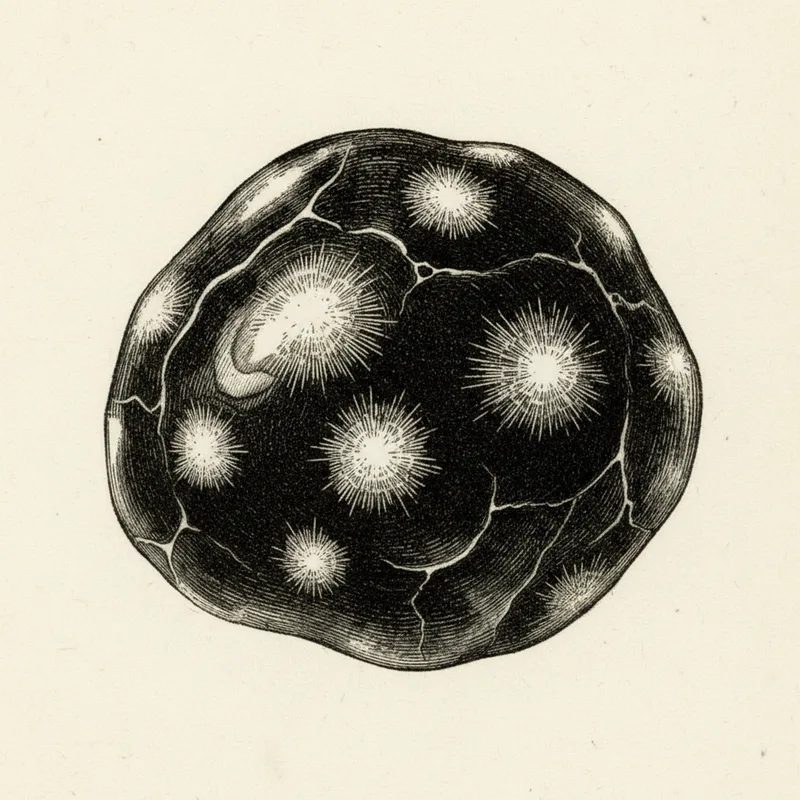
Snowflake Obsidian
The Stone of Balance
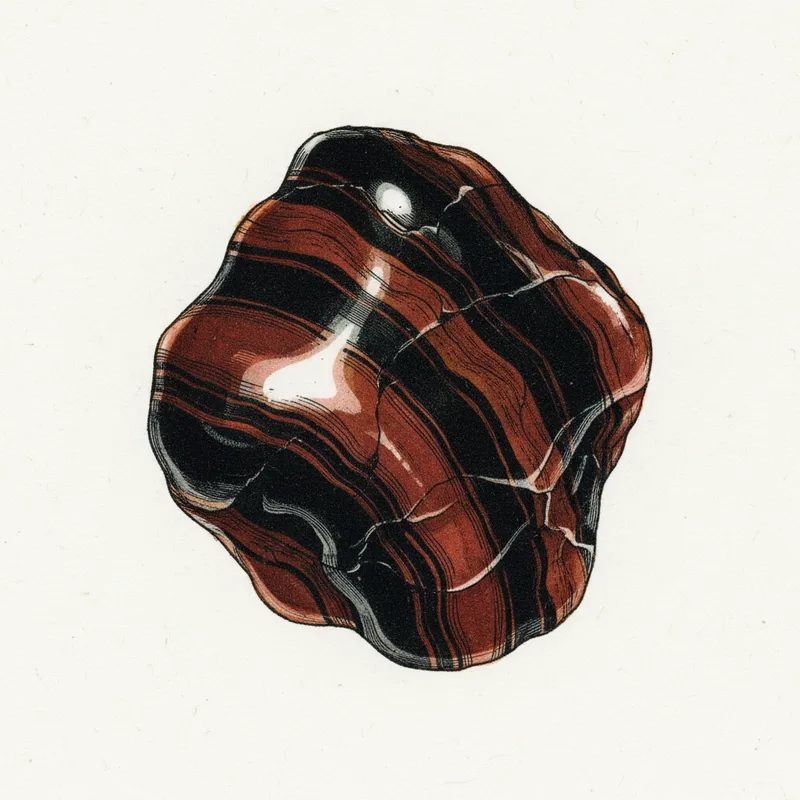
Mahogany Obsidian
The Stone of Inner Strength
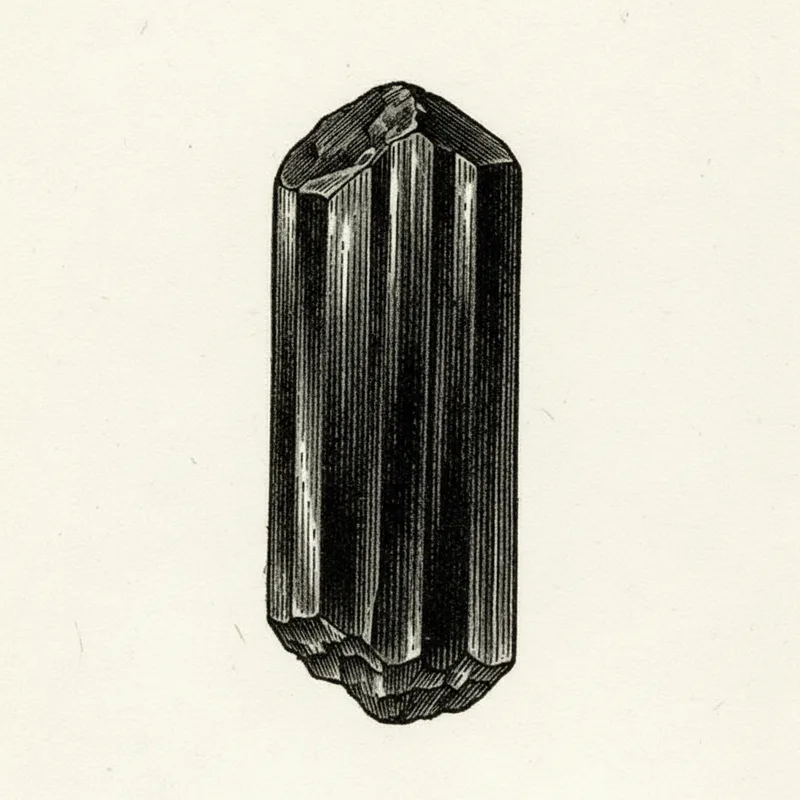
Black Tourmaline
The Shield Stone
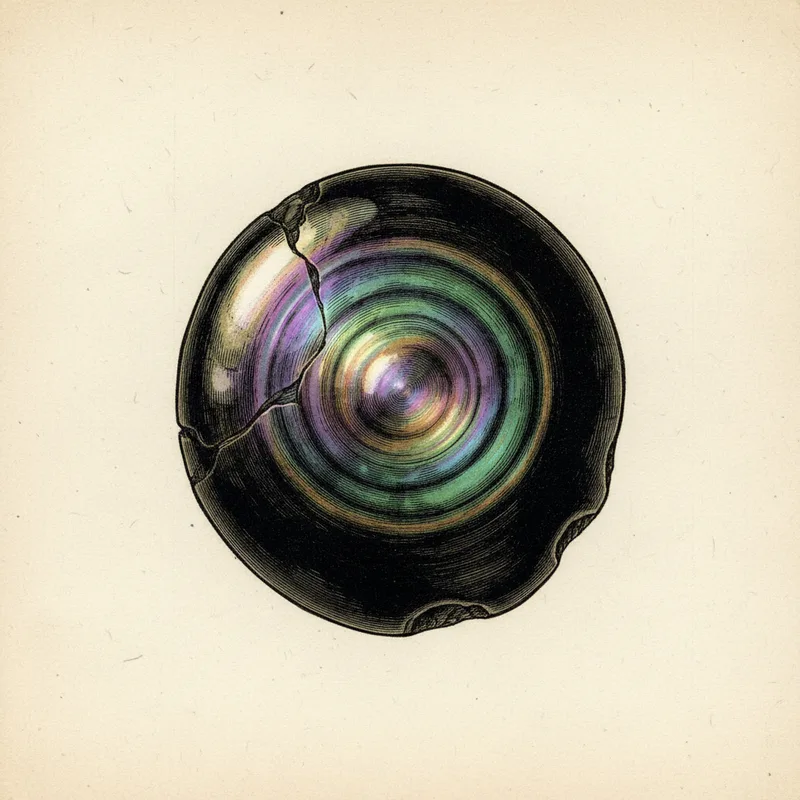
Rainbow Obsidian
The Stone of Light in Darkness
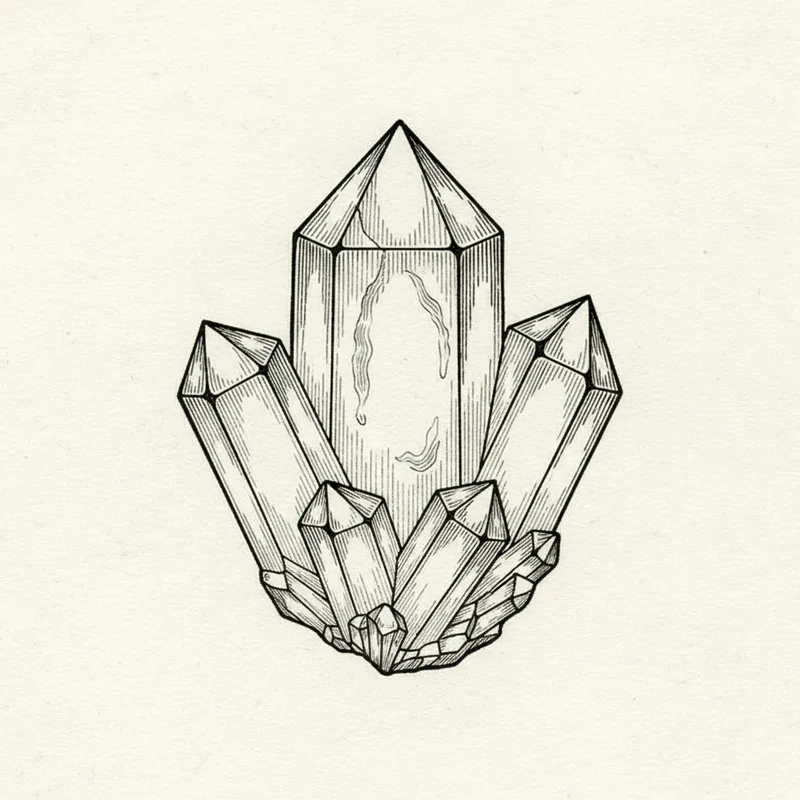
Clear Quartz
The Master Healer
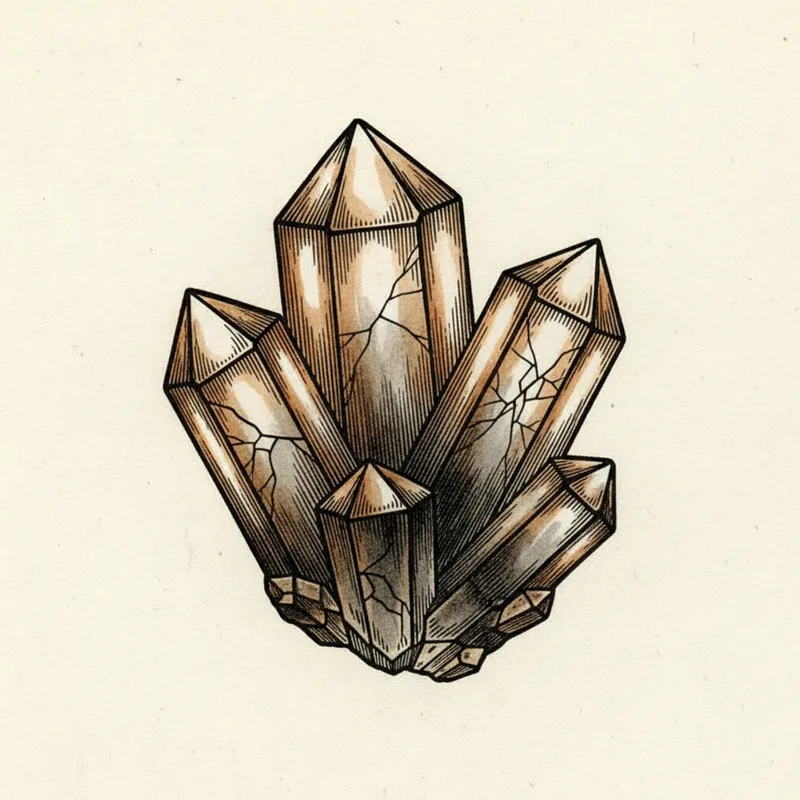
Smoky Quartz
The Grounding Stone
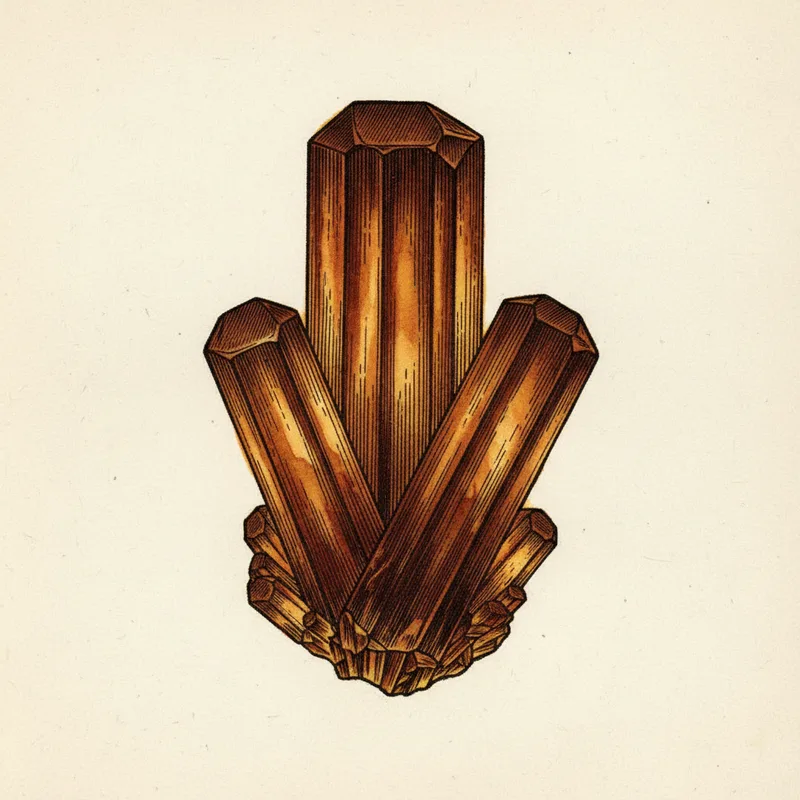
Tourmaline
The Rainbow Stone
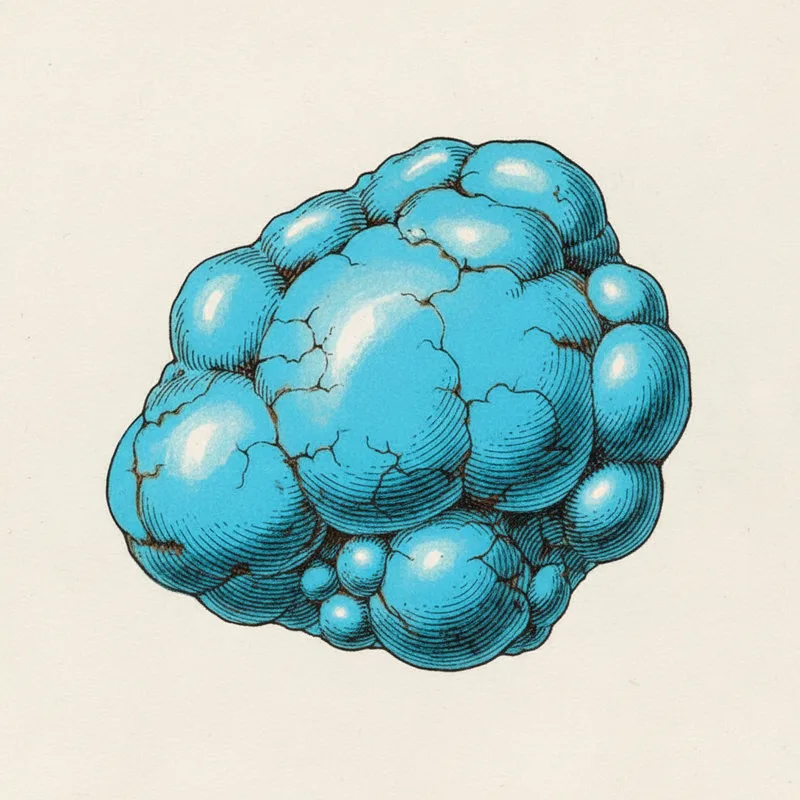
Turquoise
The Sky Stone
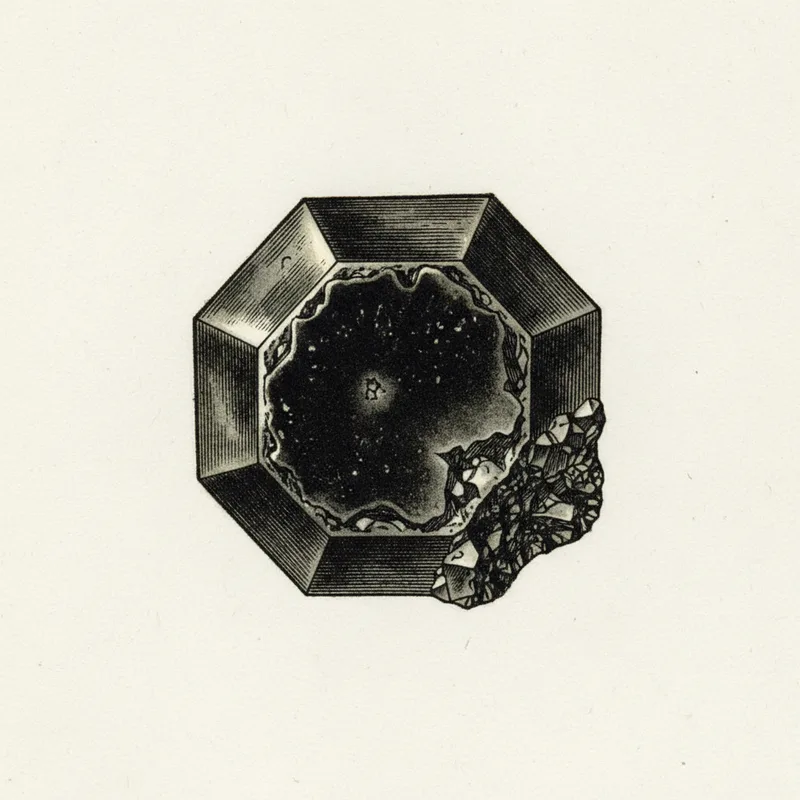
Magnetite
The Lodestone
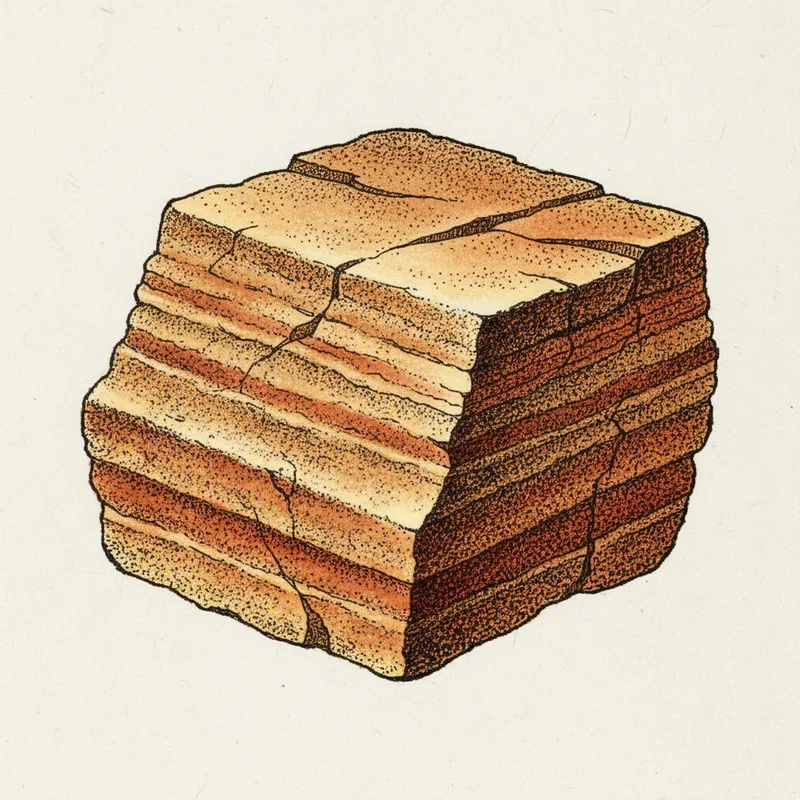
Sandstone
The Desert Archive
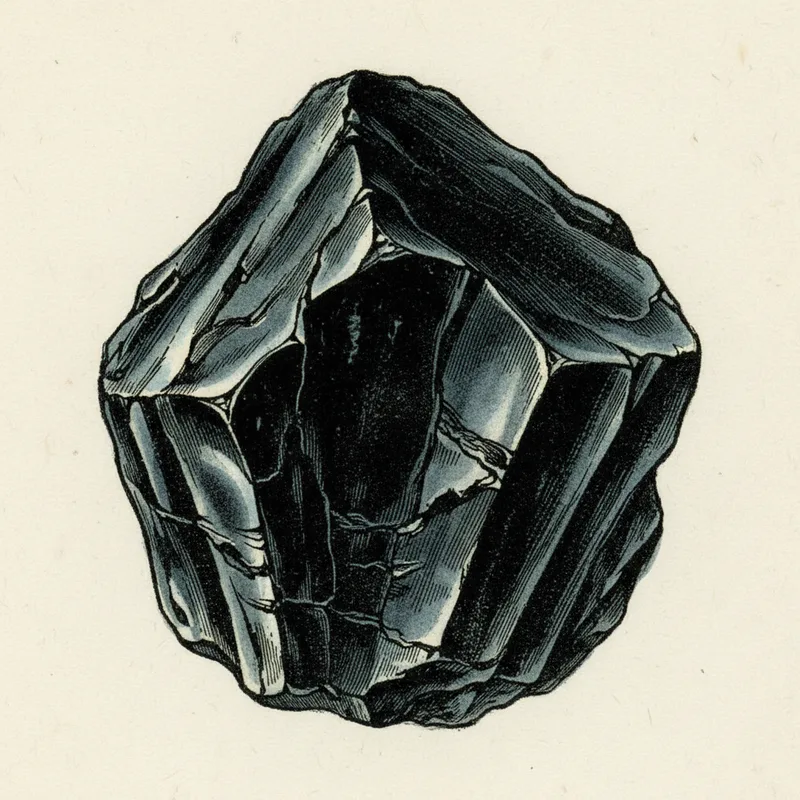
Obsidian
The Volcanic Glass
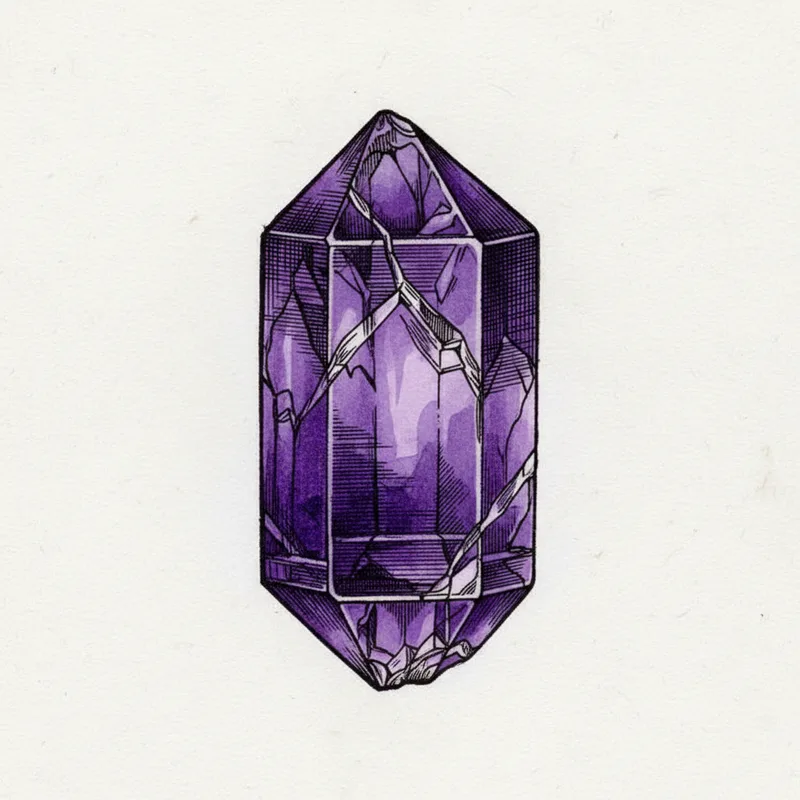
Amethyst
The Stone of Spiritual Wisdom
Keep Reading
Stay in the loop
From the Almanac
Updates from Crystal Almanac, when there’s something worth sharing.