Quick Facts
Formation & Origin
Native silver forms in the oxidation and enrichment zones of silver ore deposits, where silver-bearing solutions deposit metallic silver in cavities and fractures. Unlike gold, native silver is relatively uncommon - most of the world's silver is extracted from sulfide minerals like argentite (silver sulfide) and as a byproduct of lead and copper mining.
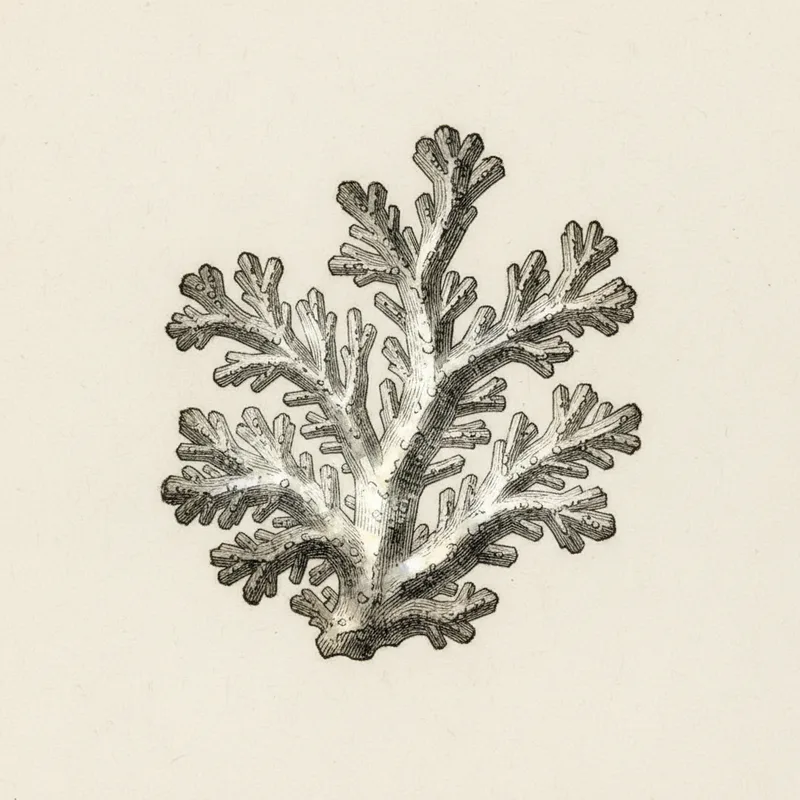
When native silver does occur, it can take spectacular forms: wire silver (twisted, hair-like wires), dendritic silver (branching tree-like growths), and crystalline silver (cubic crystals, rare and highly valued). The finest wire silver specimens from Kongsberg, Norway, and various Mexican mines are among the most striking mineral specimens in any category.
Silver tarnishes readily in air, forming a black coating of silver sulfide (acanthite) when exposed to sulfur compounds. This tarnishing tendency means native silver specimens require careful storage and occasional cleaning. Fresh native silver has a brilliant mirror-like luster unmatched by any other naturally occurring metal.
Identification Guide
Native silver is identified by its bright white metallic luster (when untarnished), high density (10.5), malleability, and tendency to tarnish black. The silver-white streak on a streak plate is diagnostic.
Distinguish from galena (lead sulfide - cubic crystals, perfect cleavage, not malleable), platinum (much denser at 21.5, doesn't tarnish), and nickel (harder, magnetic). Silver's combination of white metallic luster, malleability, and tarnishing behavior is unique.
Spotting Fakes
In the mineral specimen market, the main concern is silver specimens that have been artificially grown using electrolysis or chemical deposition. These lab-grown specimens have a distinctive 'spiky' crystal habit unlike natural wire or dendritic silver. Some Mexican silver specimens are enhanced with additional silver deposited on genuine matrix. For silver bullion and coins, specific gravity testing and acid testing confirm purity. Sterling silver (92.5% Ag) can be verified with a magnet test - silver is not magnetic.
Cultural & Metaphysical Traditions
Presented as cultural traditions, not scientific evidence
Silver has been associated with the moon across virtually all civilizations - the counterpart to gold's solar associations. Ancient Greeks associated silver with Artemis (the moon goddess). In European folklore, silver was the only metal that could harm werewolves and other supernatural beings - hence 'silver bullet.' In Chinese medicine, silver needles are preferred for acupuncture. Silver's antimicrobial properties (scientifically verified) were known intuitively for centuries - nobility ate with silver utensils partly for hygiene.
Where It's Found
World's historic and current leading producer
Legendary Cerro Rico, colonial-era production
Comstock Lode and modern mining
Fine wire and crystalline native silver specimens
Price Guide
Good to Know
Scratch test: At hardness 2.5, Silver can be scratched with a fingernail. This is a display specimen, not a wearable stone.
Sources: Found in 4 notable locations worldwide, from Mexico to Morocco.
Heft test: With a specific gravity of 10.50, Silver feels surprisingly heavy for its size. This weight is actually a useful identification tool.
Related Minerals
Sister precious metal, solar vs lunar
Another native metal, often found nearby
Silver sulfide, the primary silver ore mineral
Lead sulfide, commonly contains silver
Explore More
Native Elements & Metals
Best Crystals for Confidence and Self-Esteem
Obsidian vs Black Tourmaline: Volcanic Glass vs Crystal
Best Crystals for Focus: What Actually Works
Mohs Hardness Scale
See where Silver sits on the scale
Crystal Care Guide
Water safety, sunlight, and handling tips
Stay in the loop
From the Almanac
Updates from Crystal Almanac, when there’s something worth sharing.