10 Best Starter Crystals for Beginners
The Best Stones to Start Your Collection With
The best starter crystals share a few qualities: they're widely available and affordable, they're visually unmistakable (important for learning identification), they represent genuinely interesting geology, and they cover a range of mineral families so you're learning from diverse examples. This collection isn't about picking the most powerful or spiritually significant stones - it's about building a foundation of real geological knowledge while getting pieces you'll actually enjoy owning.
There's no wrong way to start a crystal collection. These recommendations prioritize geological diversity, affordability, and ease of identification for new collectors.
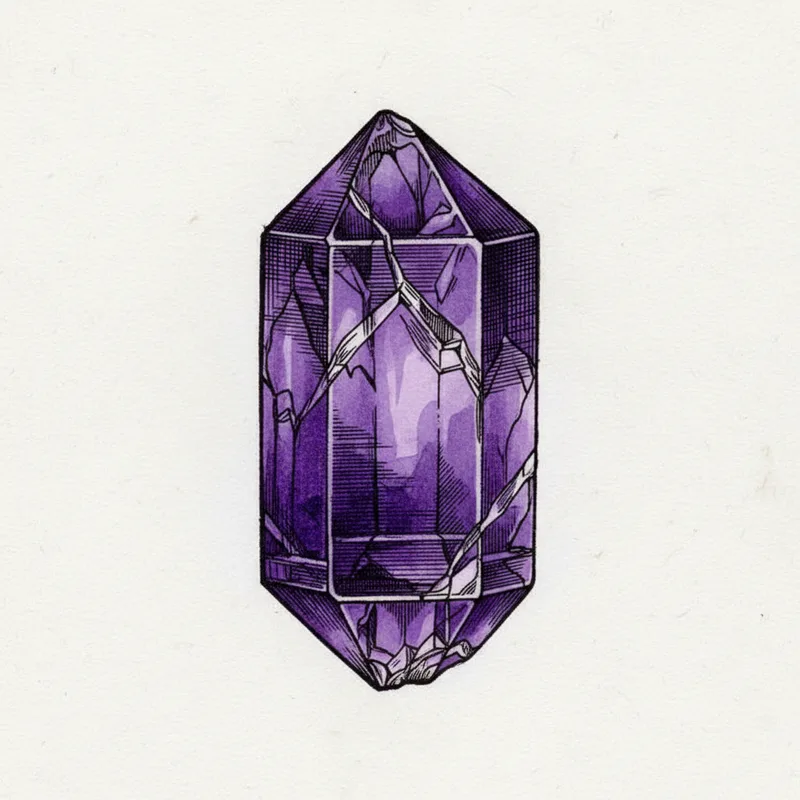
Amethyst
The Stone of Spiritual Wisdom
The perfect first crystal. Purple quartz colored by iron and natural radiation - real geology you can see. Widely available for $3-15, instantly recognizable, and represents the entire quartz family.
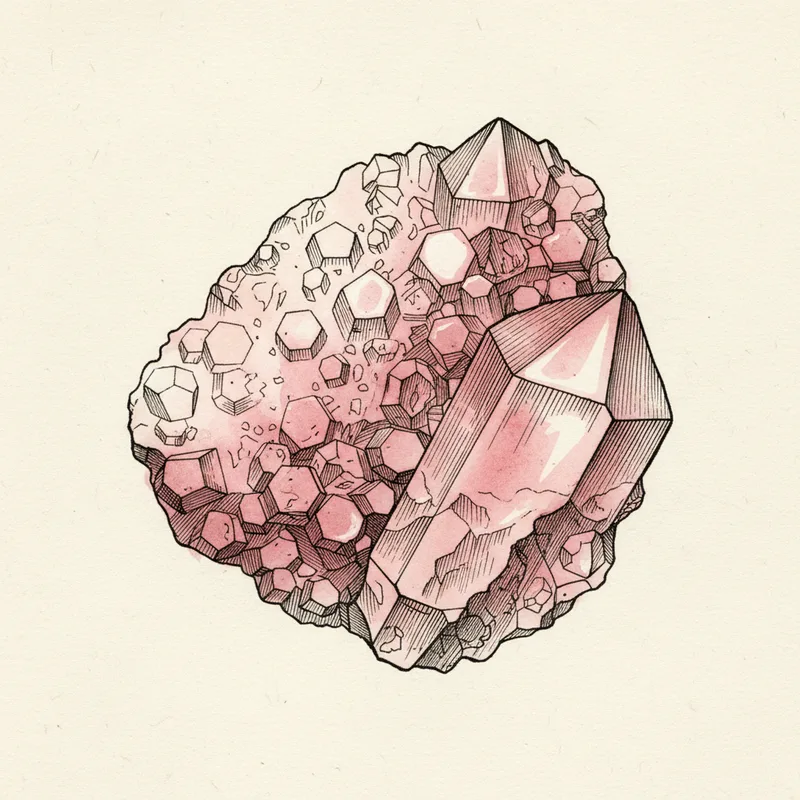
Rose Quartz
The Stone of Unconditional Love
Pink quartz colored by dumortierite fibers or phosphorus impurities (scientists are still refining this). Teaches you that the same mineral formula (SiO₂) can produce completely different appearances.
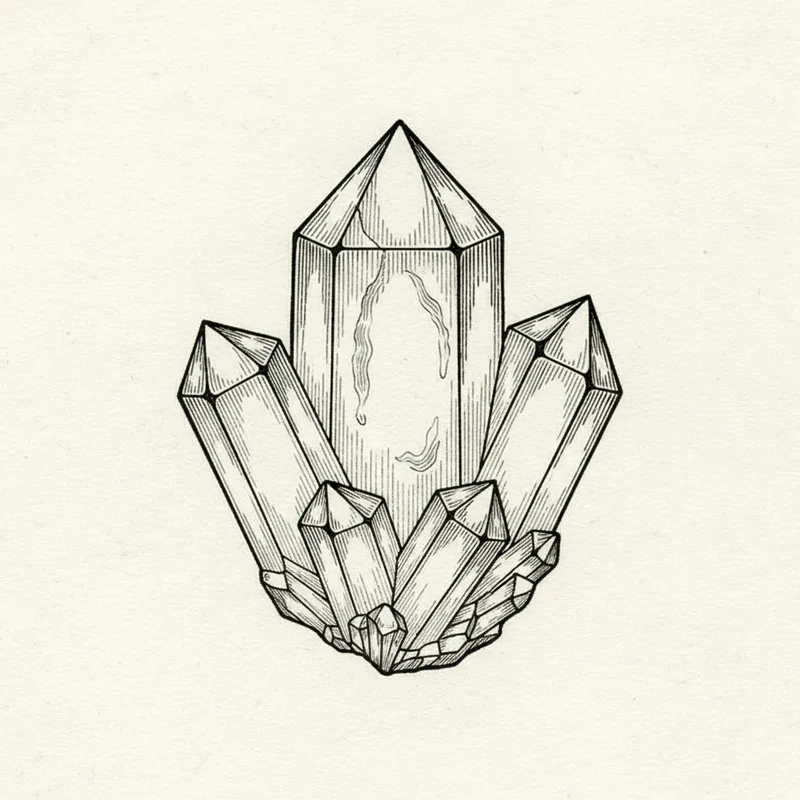
Clear Quartz
The Master Healer
The baseline. Pure SiO₂ with no coloring agents. Shows you what quartz looks like without modification, and its internal structures (phantoms, veils, rainbows) are endlessly interesting under a loupe.
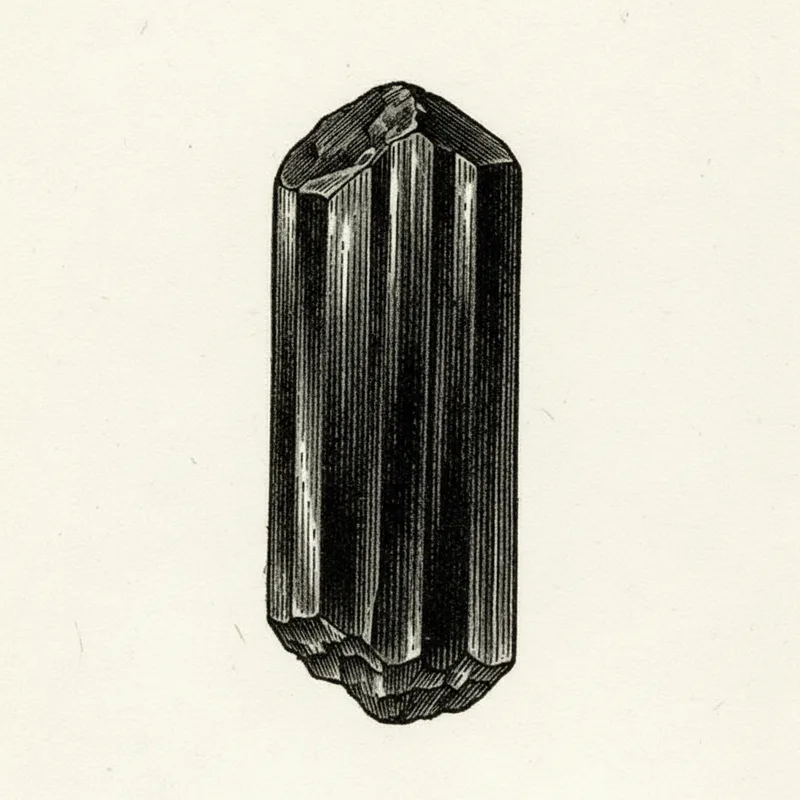
Black Tourmaline
The Shield Stone
Introduces a completely different mineral family - complex borosilicate rather than simple oxide. The striated crystal faces and triangular cross-section are distinct from any quartz variety.
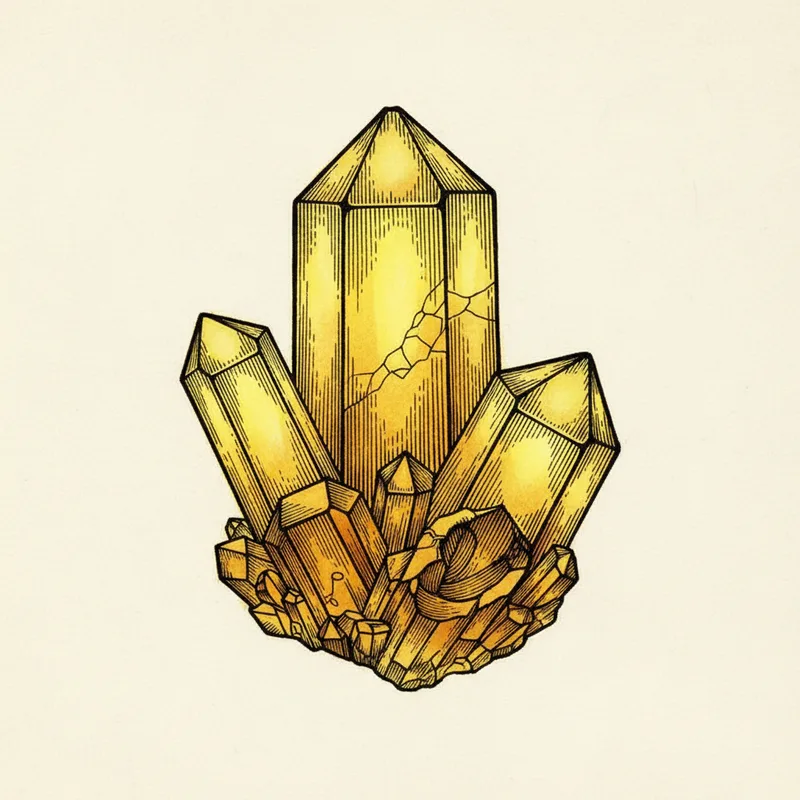
Citrine
The Merchant's Stone
Yellow quartz colored by iron in a different oxidation state than amethyst. Most commercial citrine is heat-treated amethyst - learning to tell the difference is your first fake-spotting exercise.
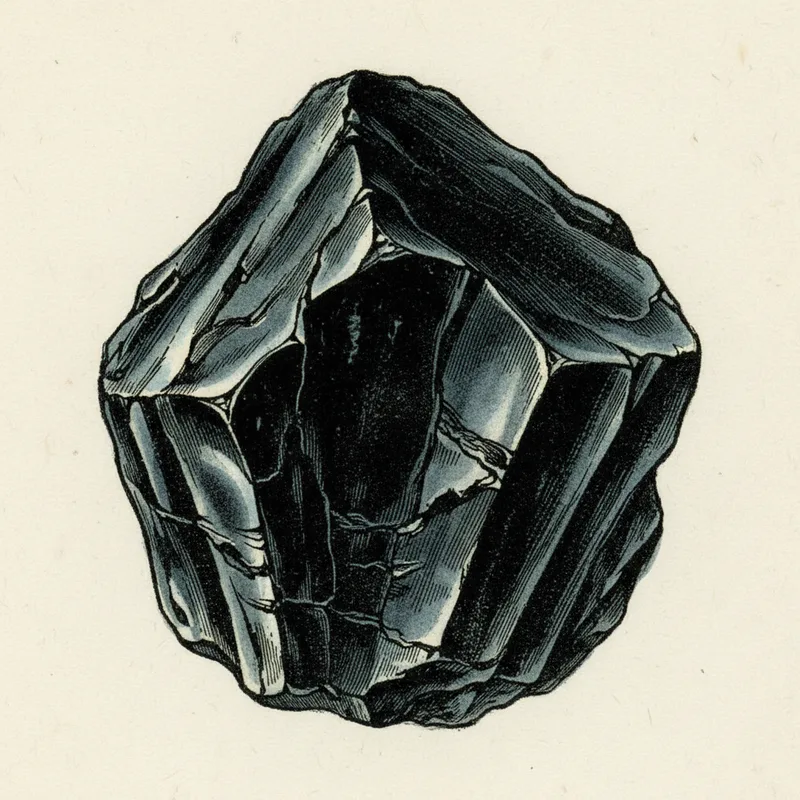
Obsidian
The Volcanic Glass
Volcanic glass, not a mineral at all. Teaches you that 'crystal' is a broad category - some of the most interesting specimens have no crystal structure whatsoever.
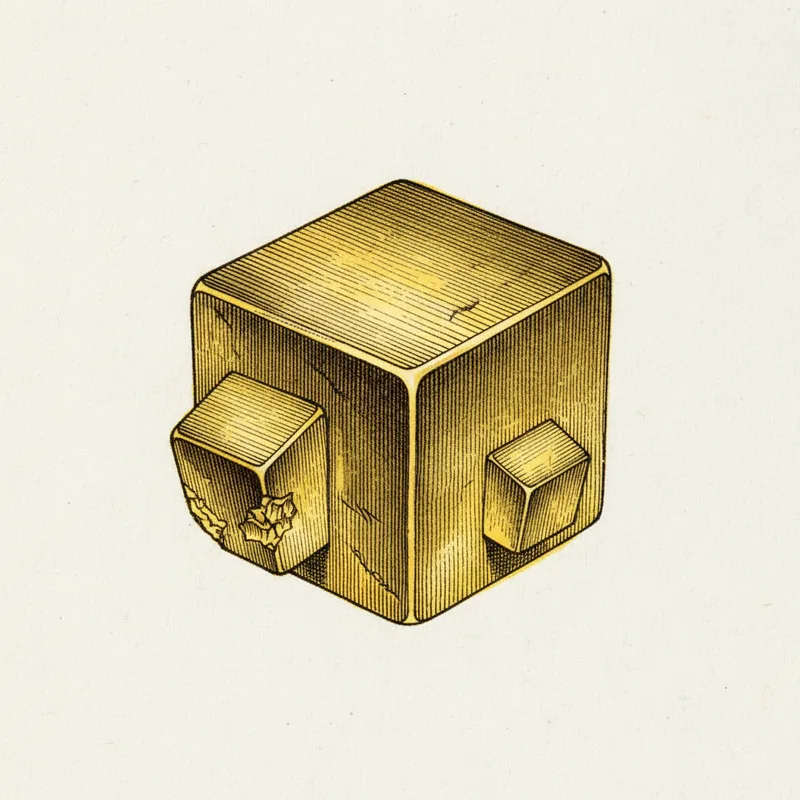
Pyrite
The Fool's Gold
Perfect cubic crystals of iron sulfide. The geometry alone is worth studying. Teaches metallic luster, cubic crystal system, and introduces sulfide minerals in one affordable specimen.
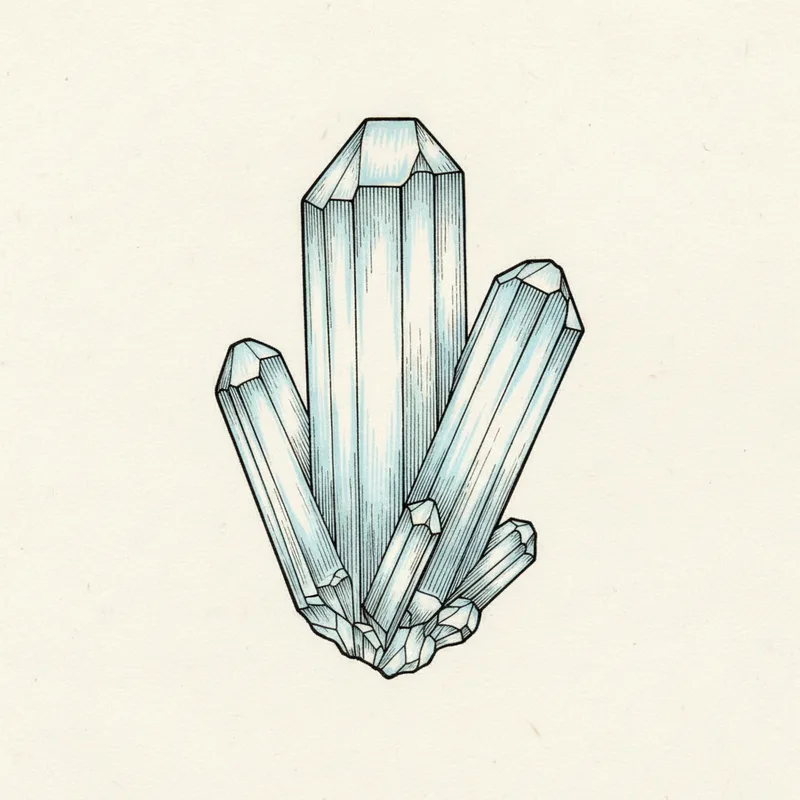
Selenite
The Liquid Light
Gypsum (CaSO₄·2H₂O) in its transparent form. Dramatically soft (hardness 2) and will scratch with a fingernail. Teaches hardness scale better than any textbook explanation.
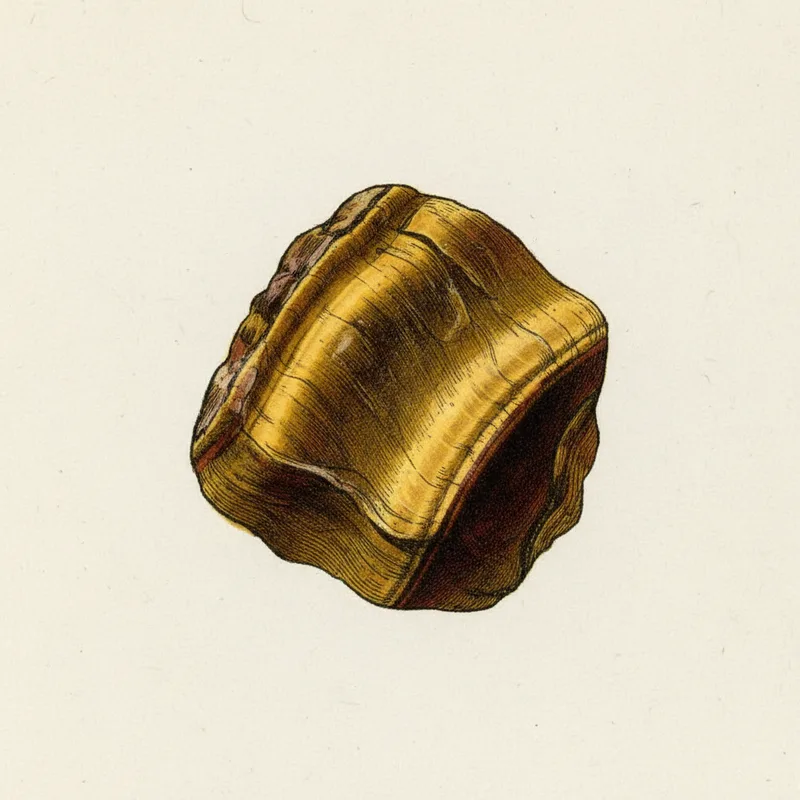
Tiger's Eye
The Stone of Courage
Pseudomorphic replacement - crocidolite asbestos fibers replaced by quartz while preserving their form. The chatoyance (cat's eye shimmer) teaches fiber optics in mineralogy.
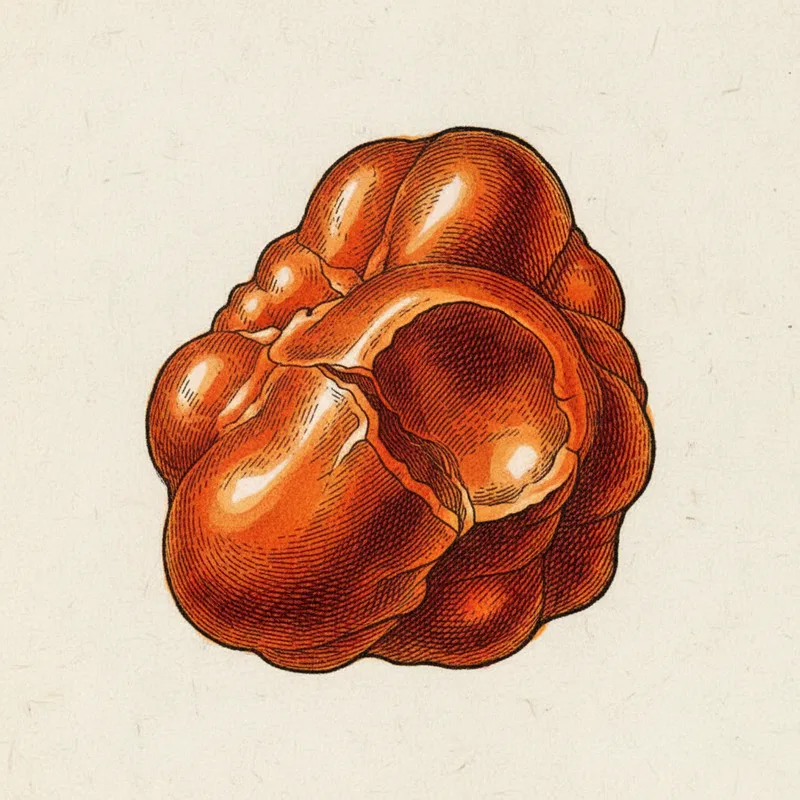
Carnelian
The Singer's Stone
Chalcedony - microcrystalline quartz that forms in massive nodules rather than crystal points. Compares with amethyst to show how the same SiO₂ formula produces wildly different textures.