14 Best Crystals for Healing and Recovery
Stones with the Deepest Traditions in Healing Practices
Healing crystal traditions predate written history. Malachite was ground into paste for wounds in ancient Egypt. Obsidian was shaped into surgical blades precise enough to outperform modern steel scalpels. Lapis lazuli was prescribed in Ayurvedic medicine. These aren't fringe claims - they're documented historical practices. The distinction worth maintaining is between historical use in healing contexts and modern claims about supernatural healing properties.
Crystals are not medicine and do not treat, cure, or prevent disease. The traditions documented here are historical and cultural. Always consult qualified healthcare professionals for health concerns.
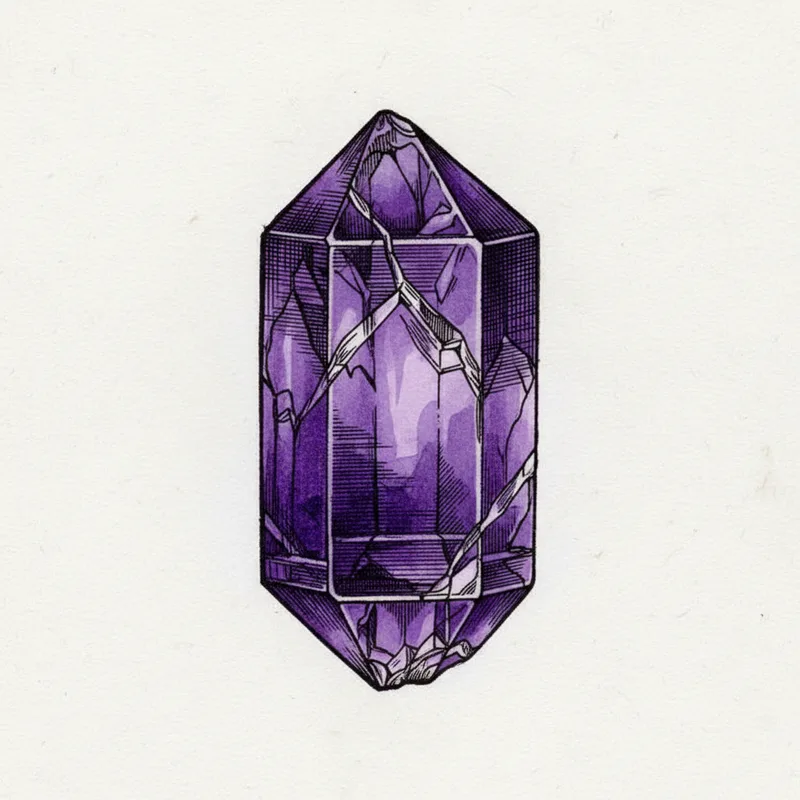
Amethyst
The Stone of Spiritual Wisdom
Greek physicians prescribed amethyst for sobriety and clear thinking. Medieval healers used it for pain relief and as an antidote to poison. The most historically documented healing crystal in the Western tradition.
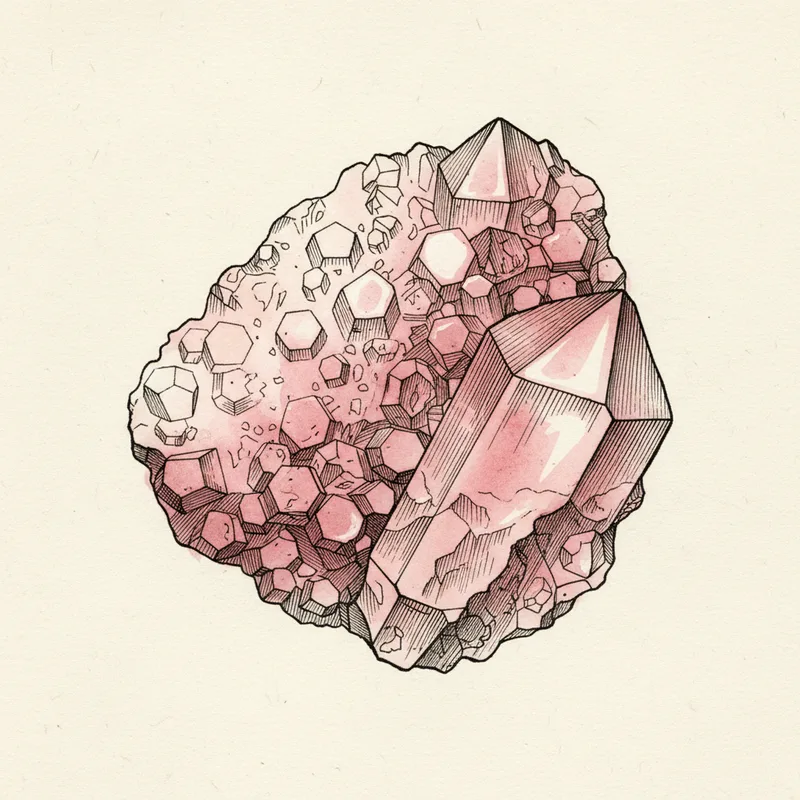
Rose Quartz
The Stone of Unconditional Love
Ancient Egyptian and Roman beauty rituals used rose quartz in facial treatments. Its association with self-compassion in modern practice extends a tradition of gentle, nurturing application.
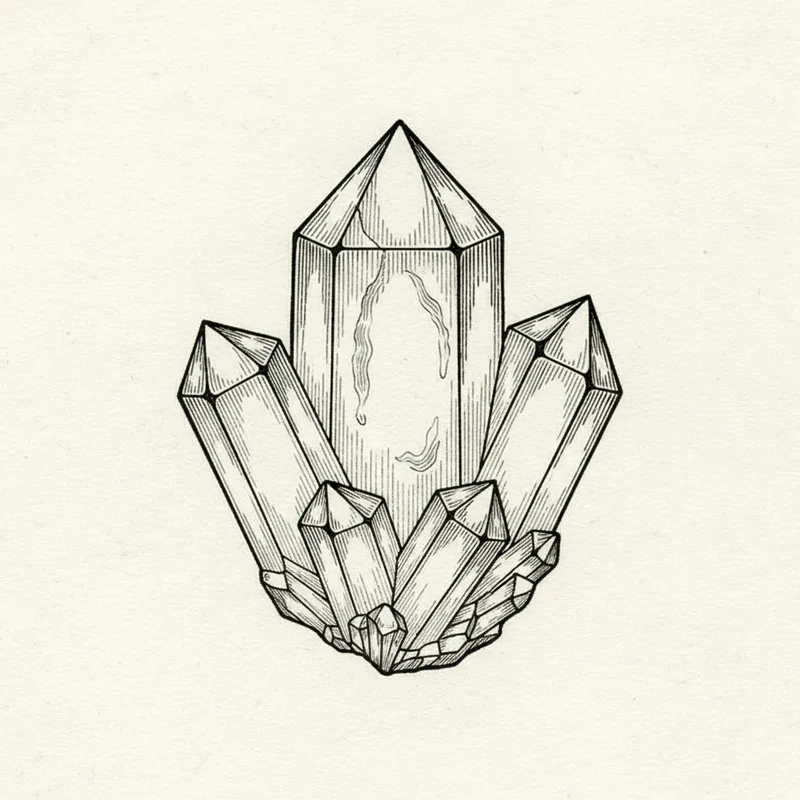
Clear Quartz
The Master Healer
Used in healing rituals across Native American, Celtic, and Shamanic traditions worldwide. The clarity and light-transmitting quality made it a universal tool for healing ceremonies.
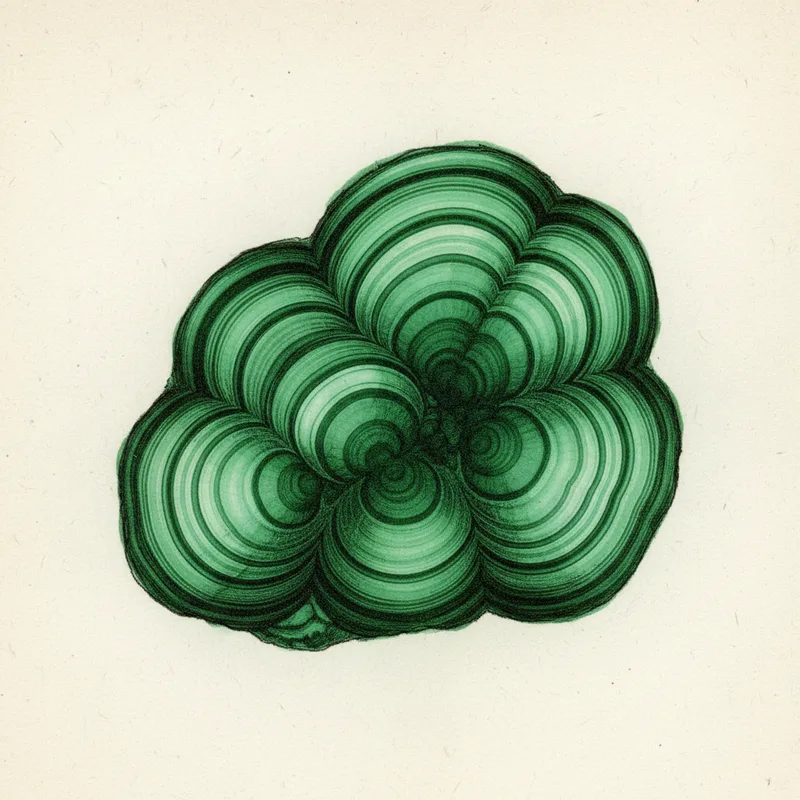
Malachite
The Stone of Transformation
Ancient Egyptians ground malachite into paste for wounds and eye treatments. Copper content gives it genuine antimicrobial properties - one of the few healing crystal traditions with a plausible chemical basis.
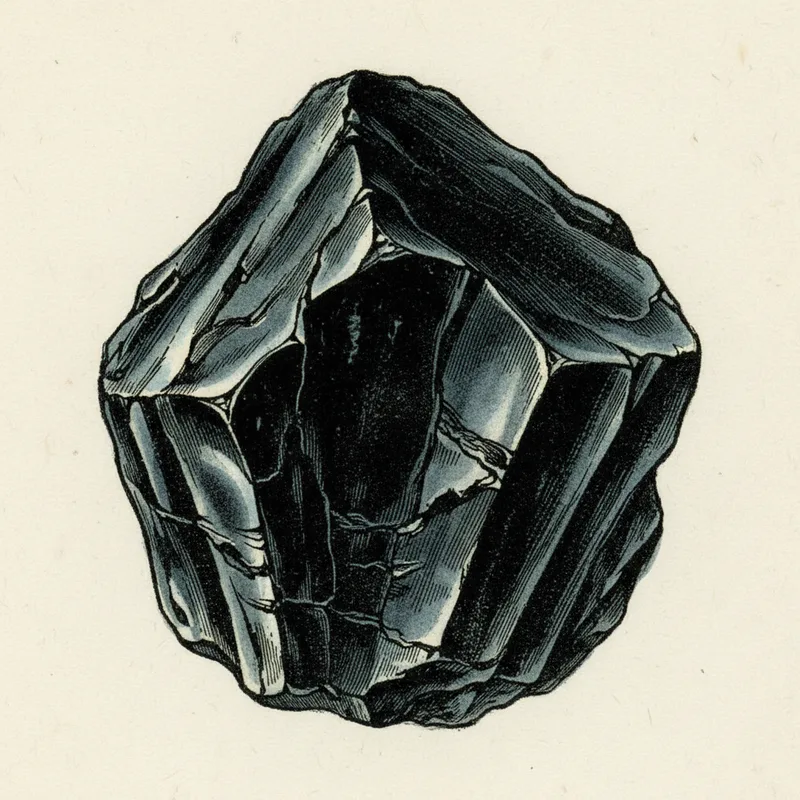
Obsidian
The Volcanic Glass
Mesoamerican surgeons used obsidian blades for precise cuts. Modern surgical research has confirmed obsidian scalpels produce cleaner incisions than steel under electron microscopy.
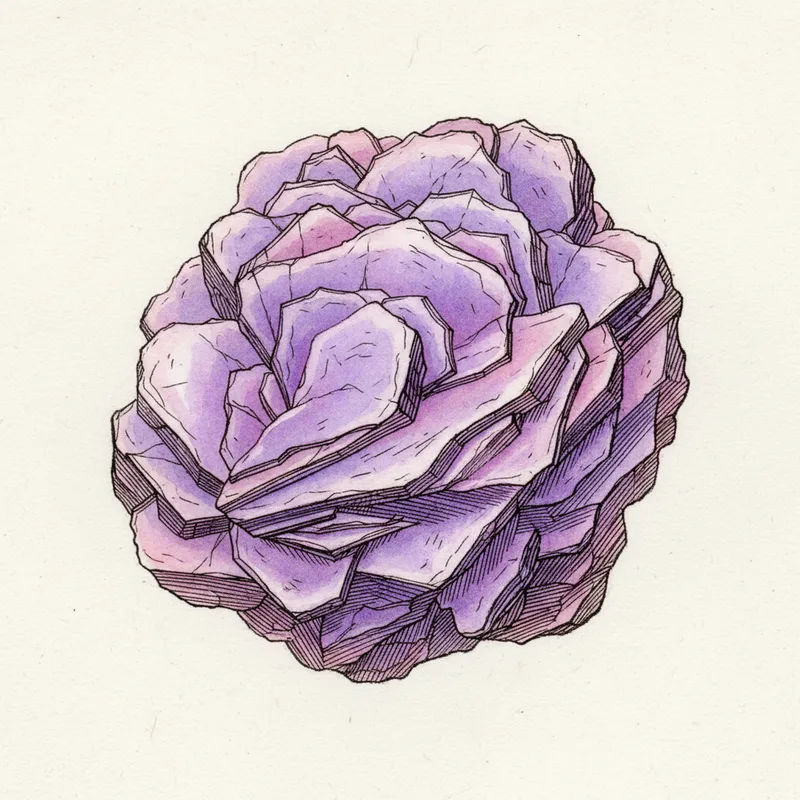
Lepidolite
The Peace Stone
Lithium-bearing mica associated with emotional healing and recovery. The chemical connection to psychiatric medication is real even if the delivery mechanism isn't - making it uniquely interesting in healing traditions.
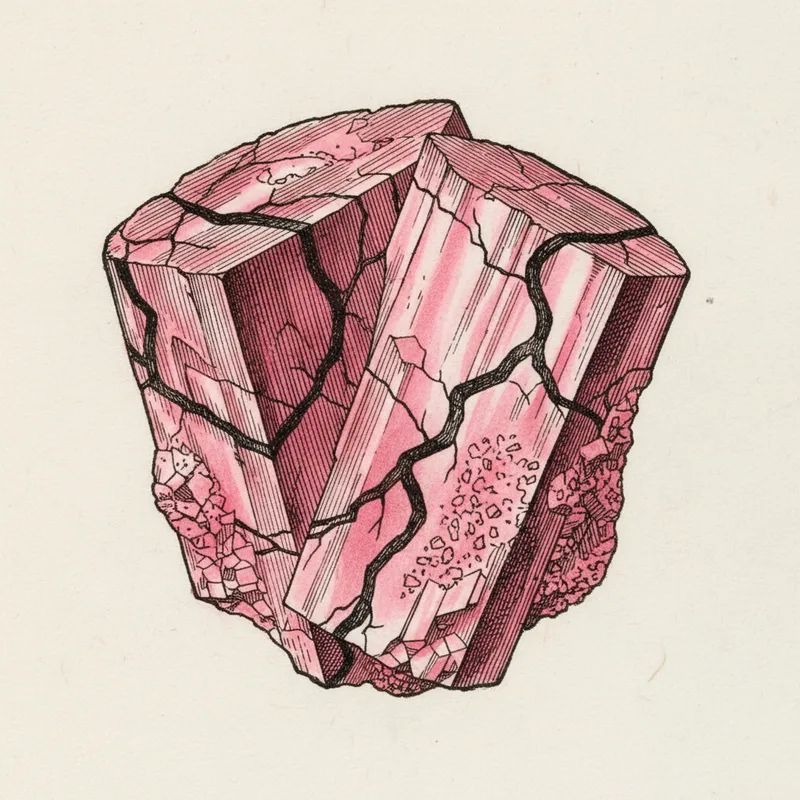
Rhodonite
The Rescue Stone
The rescue stone. Emergency workers in Russia traditionally carried rhodonite for emotional first aid. Associated with healing after trauma and rebuilding after significant loss.
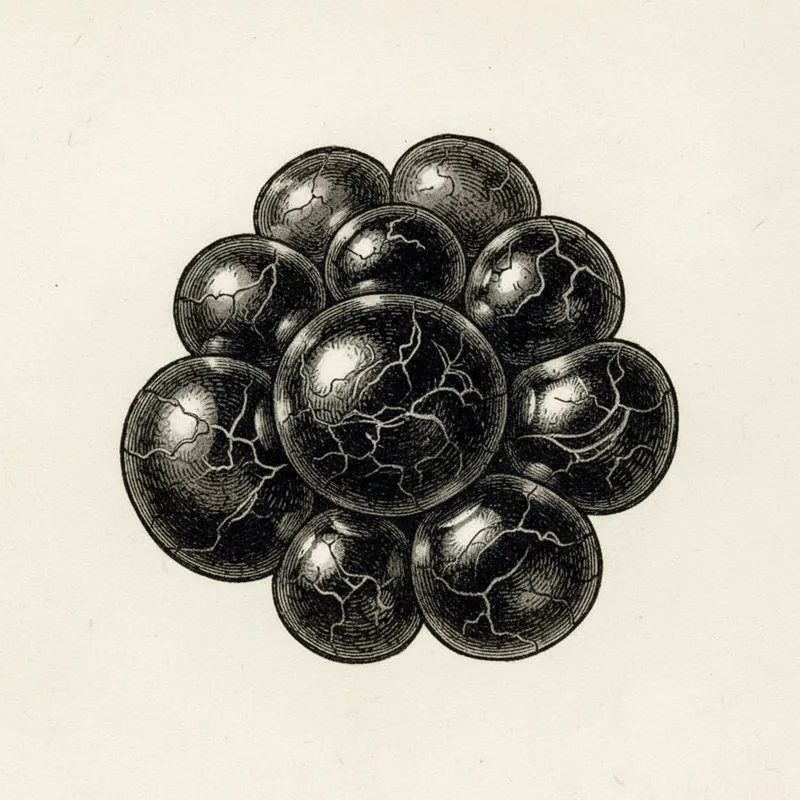
Apache Tear
The Grief Stone
Obsidian nodules associated with grief healing in Apache tradition. The legend of warriors turned to stone by their people's tears makes it one of the most emotionally resonant healing stones.
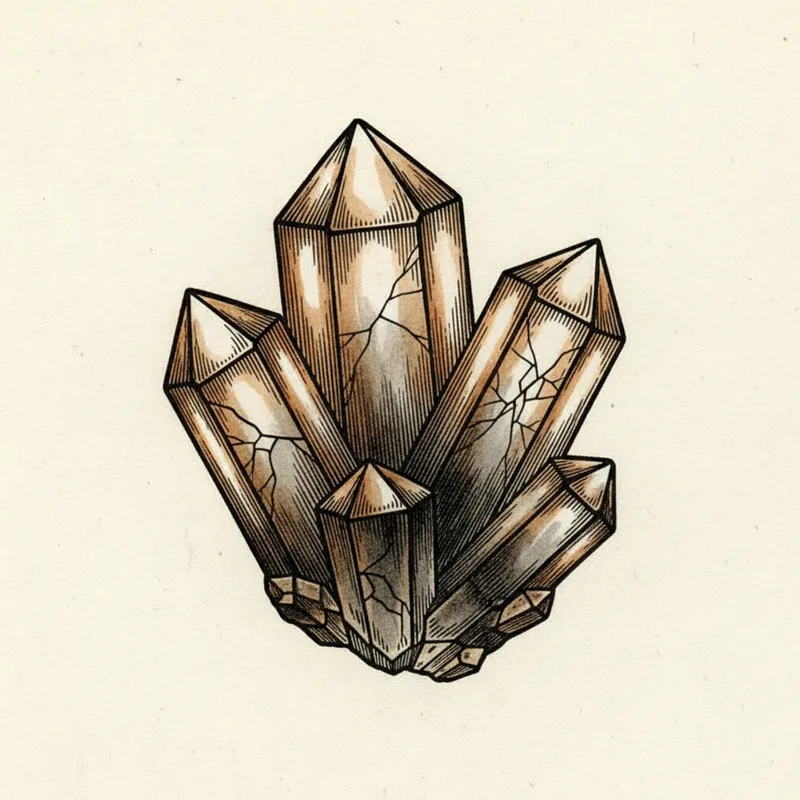
Smoky Quartz
The Grounding Stone
Colored by natural radiation from surrounding granite. Used in Scottish healing traditions as a grounding stone during illness. Associated with clearing mental fog during recovery.
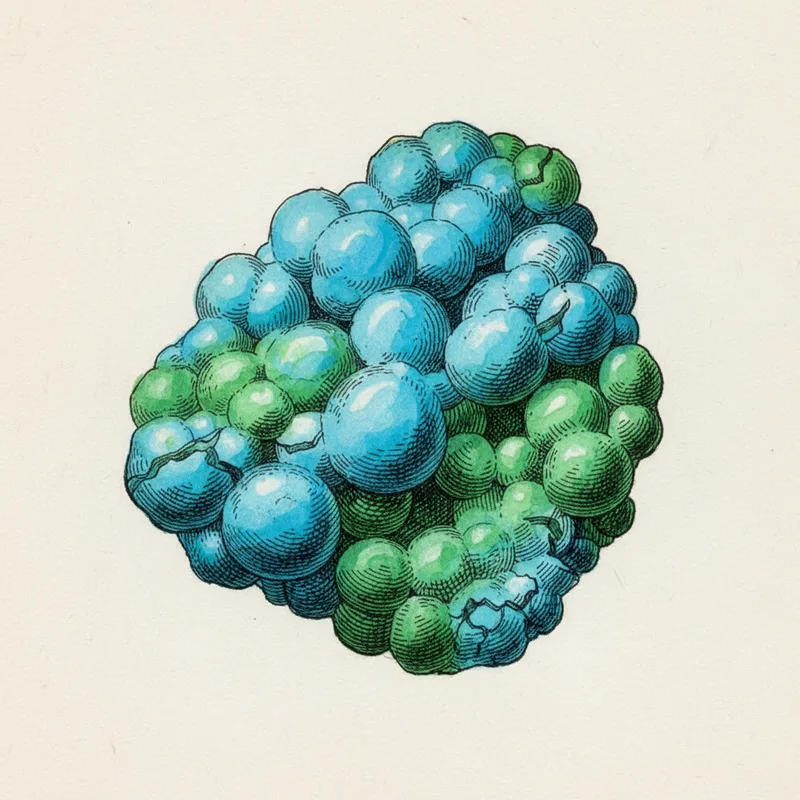
Chrysocolla
The Teaching Stone
Copper silicate used as a medicinal pigment and skin treatment in Andean and Egyptian traditions. Its association with calm communication aids emotional processing during healing.
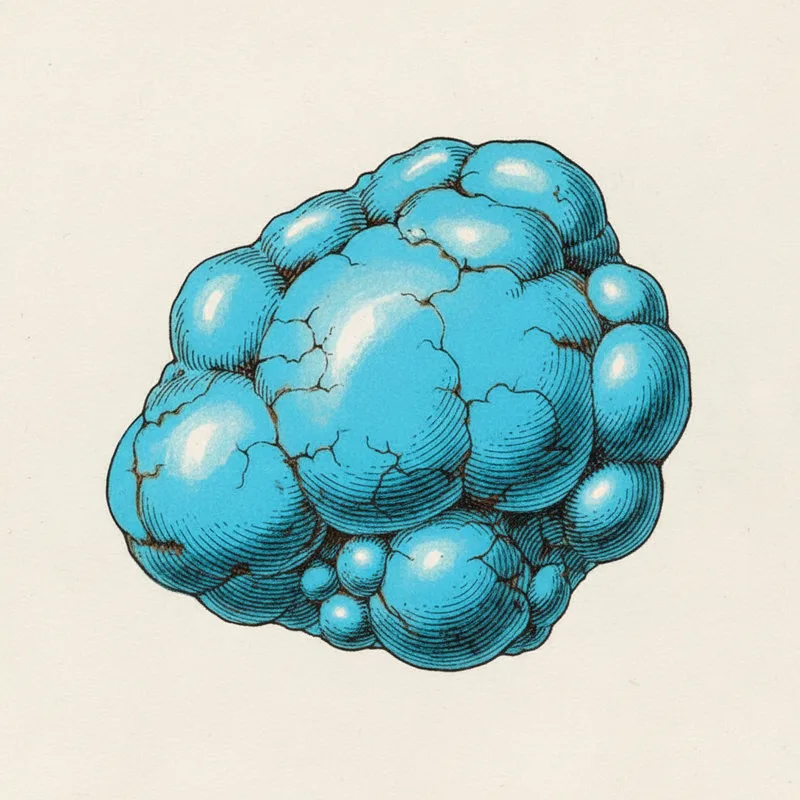
Turquoise
The Sky Stone
One of the oldest healing stones - used in Tibetan medicine, Native American healing ceremonies, and ancient Egyptian therapeutic practices. Copper content provides real antimicrobial activity.
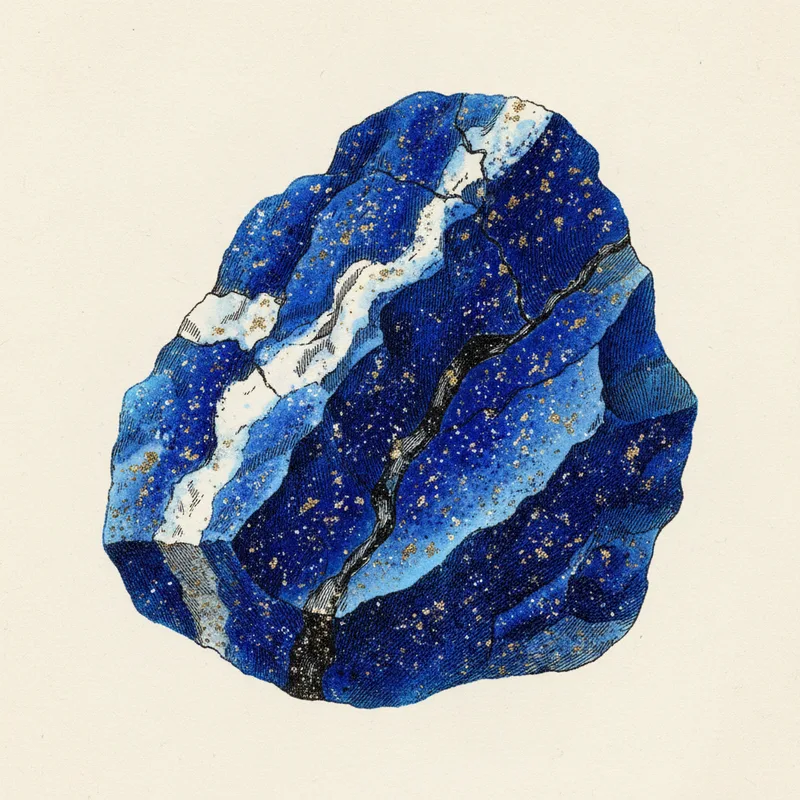
Lapis Lazuli
The Stone of the Heavens
Prescribed in Ayurvedic medicine for centuries. Ground into powder and used in traditional Persian medicine. The deep connection to truth and clarity extends to healing practices across cultures.
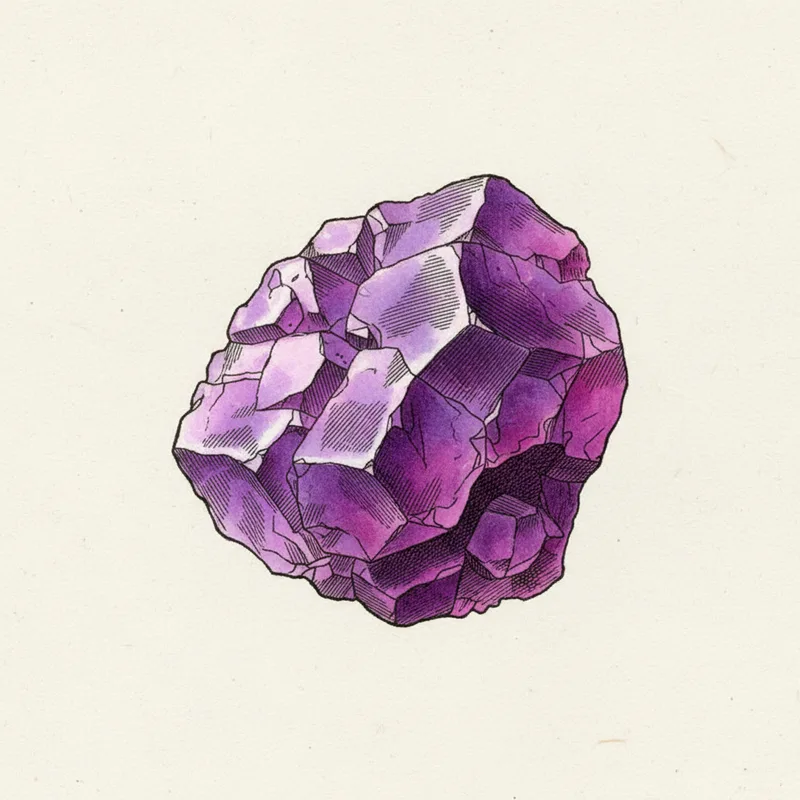
Sugilite
The Healer's Stone of the Violet Ray
The 'love stone of this age.' Discovered in 1944, it quickly became central to crystal healing traditions for cancer support. Associated with unconditional self-love during illness.
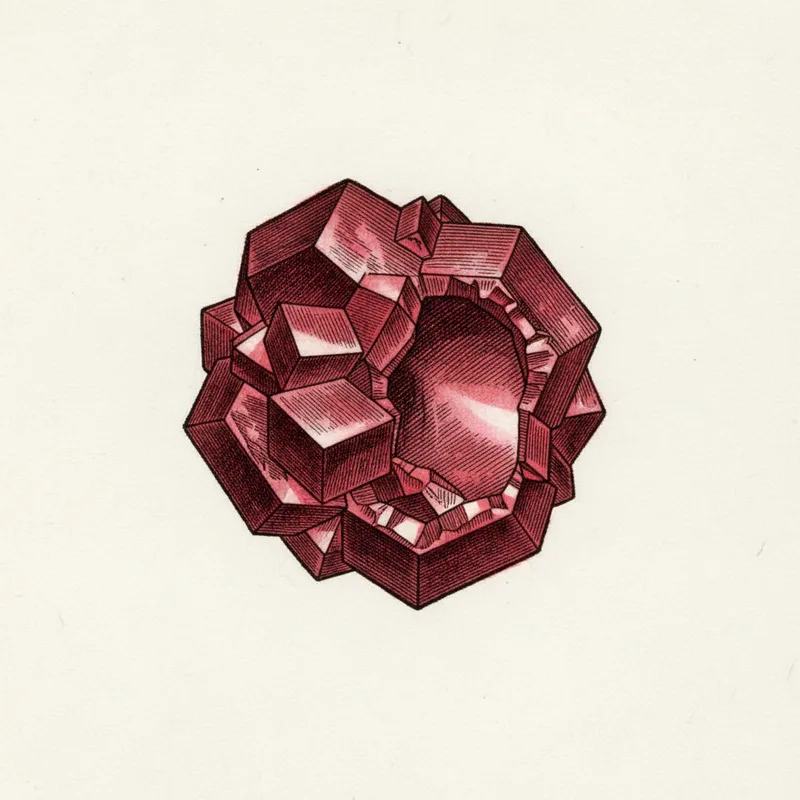
Garnet
The Warrior's Stone
Placed in wounds by medieval healers to stop bleeding. The deep red color associated with blood and vitality made it a standard healing stone across European traditions.