119 crystals
Black & Dark Crystals
What Makes Minerals Black & Dark?
Black in minerals results from several mechanisms. In obsidian, the dark color comes from concentrated iron and magnesium in volcanic glass. In tourmaline (schorl), high iron content absorbs virtually all visible light. In hematite, dense iron oxide packing creates opacity. In jet and shungite, carbon is responsible. Metallic black minerals like galena and magnetite appear dark because their metallic bonding absorbs and re-emits light at all wavelengths equally.
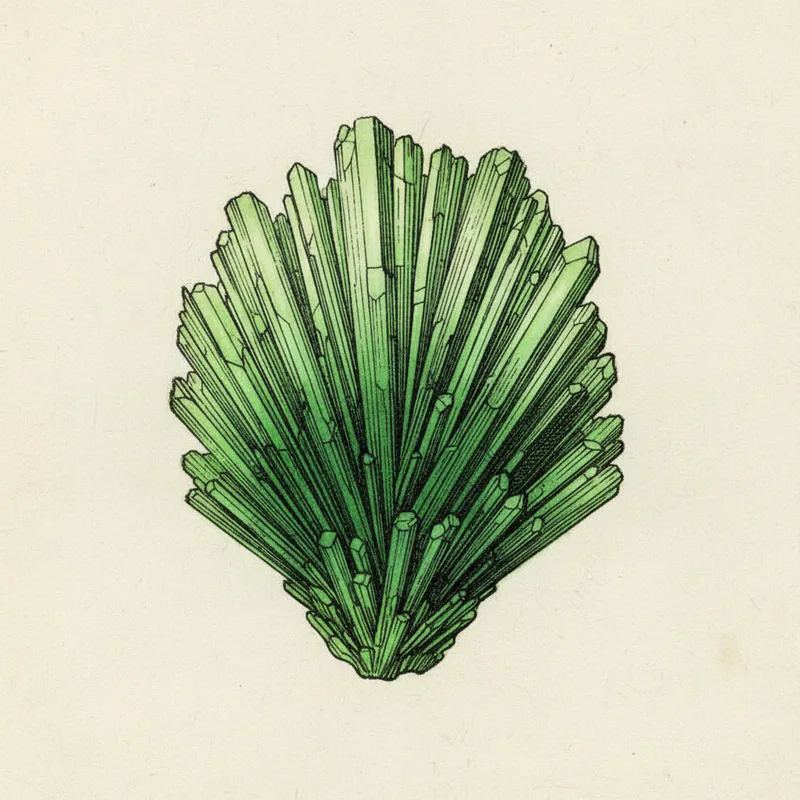
Actinolite
The Ray Stone

Analcime
The Zeolite Cube Crystal
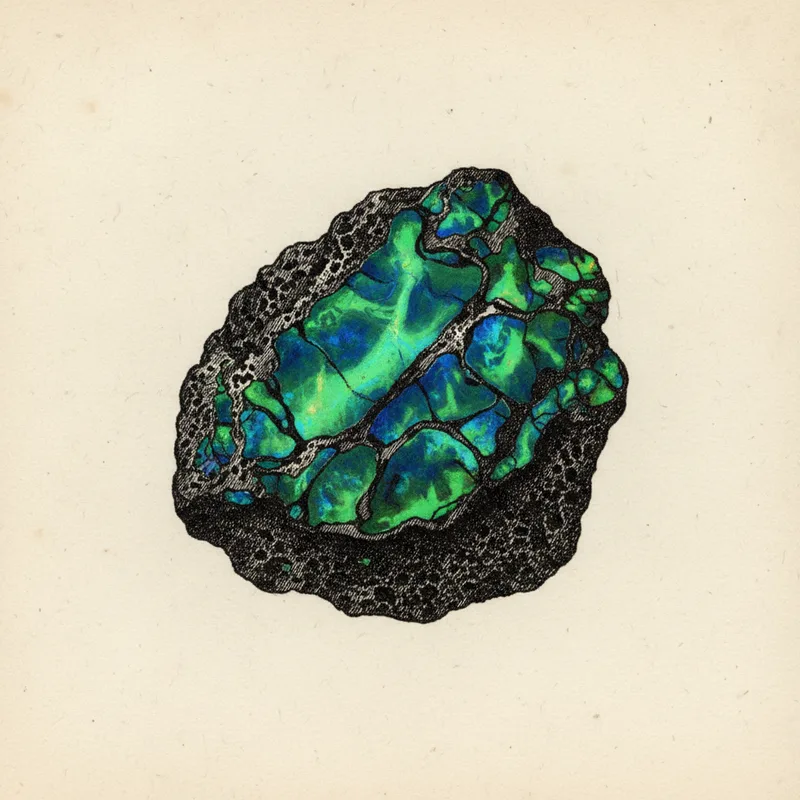
Andamooka Opal
South Australia's Matrix Jewel

Andradite Garnet
The Collector's Garnet
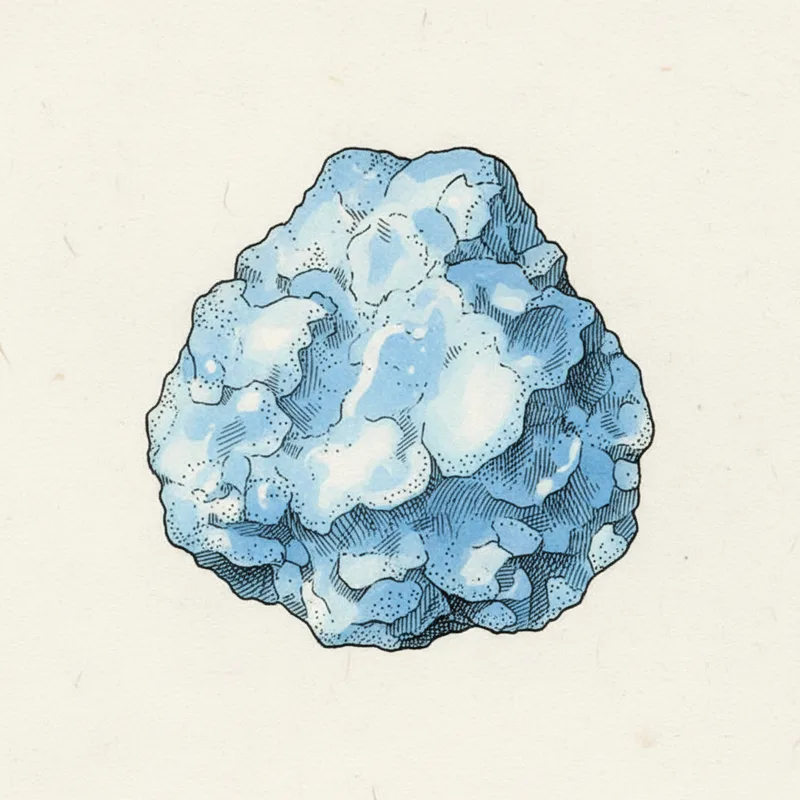
Angelite
The Stone of Awareness

Anglesite
The Lead Crystal Jewel

Anhydrite
The Waterless Gypsum
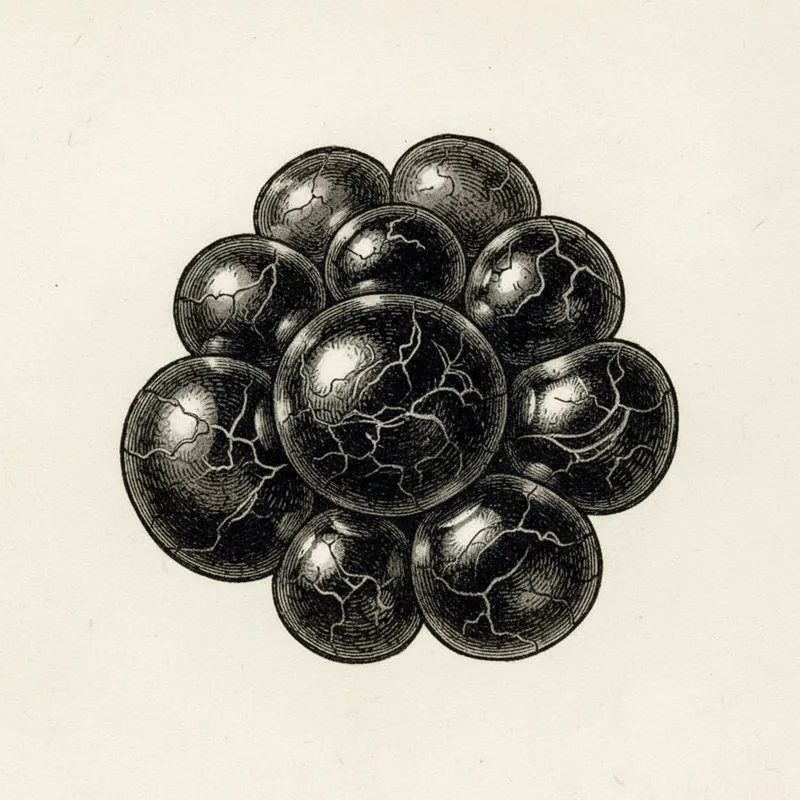
Apache Tear
The Grief Stone

Arsenopyrite
The Arsenic Iron Sulfide
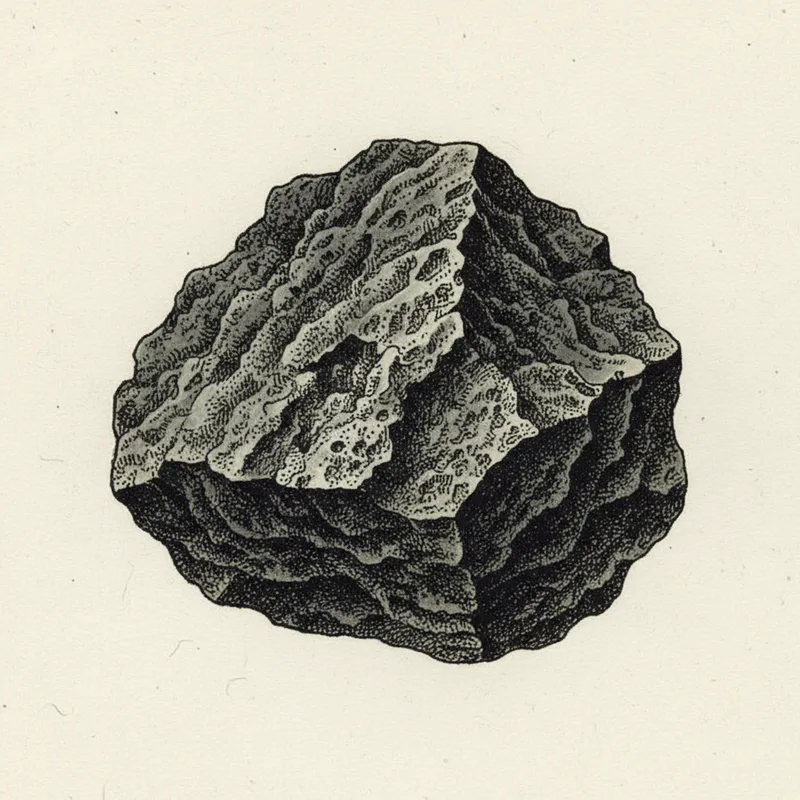
Basalt
The Ocean Floor Rock

Biotite
The Black Mica
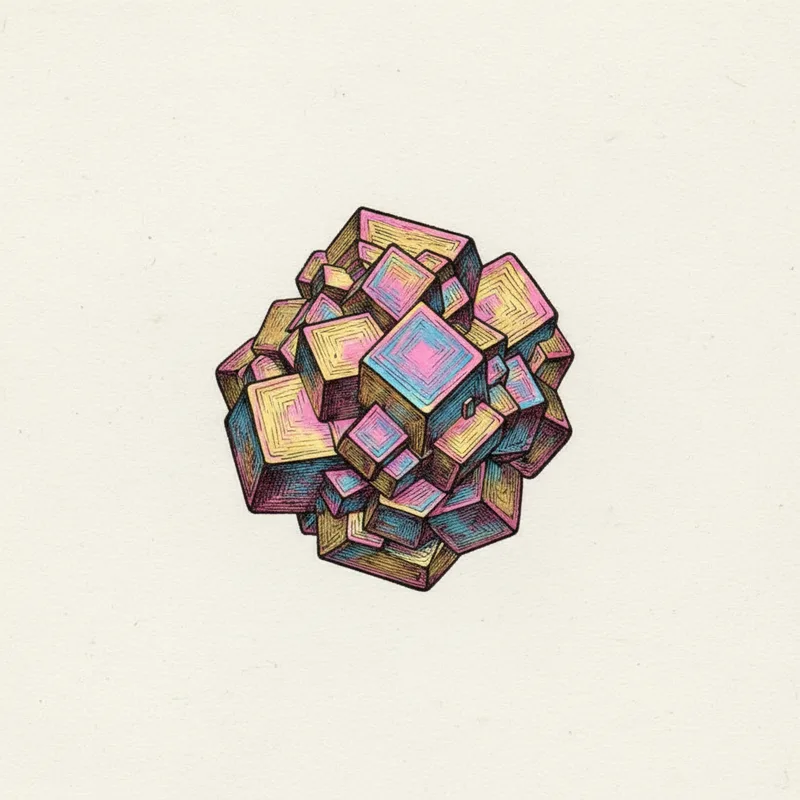
Bismuth
The Rainbow Staircase
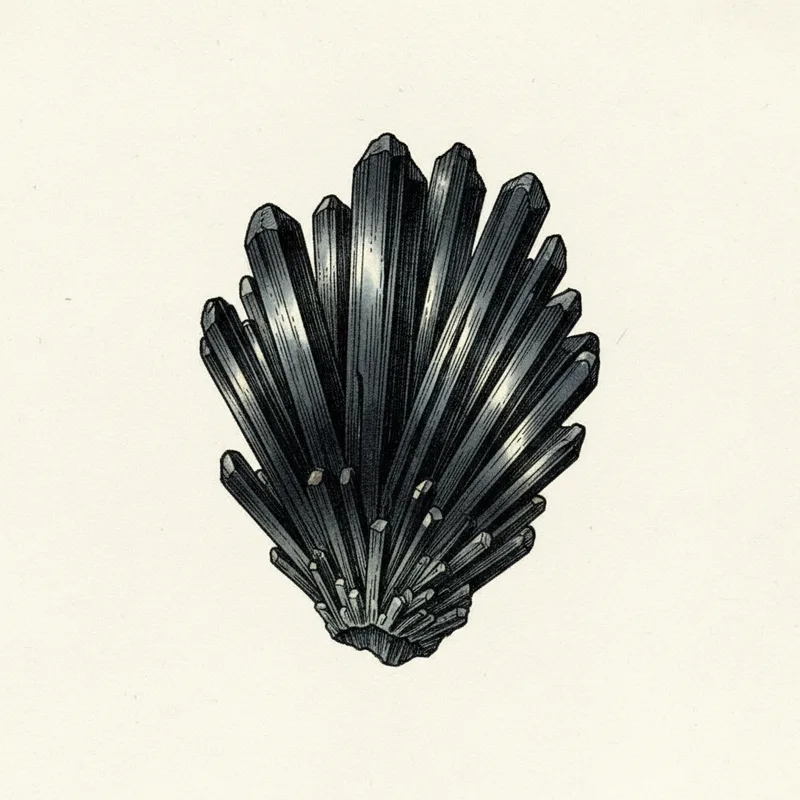
Black Kyanite
The Witch's Broom
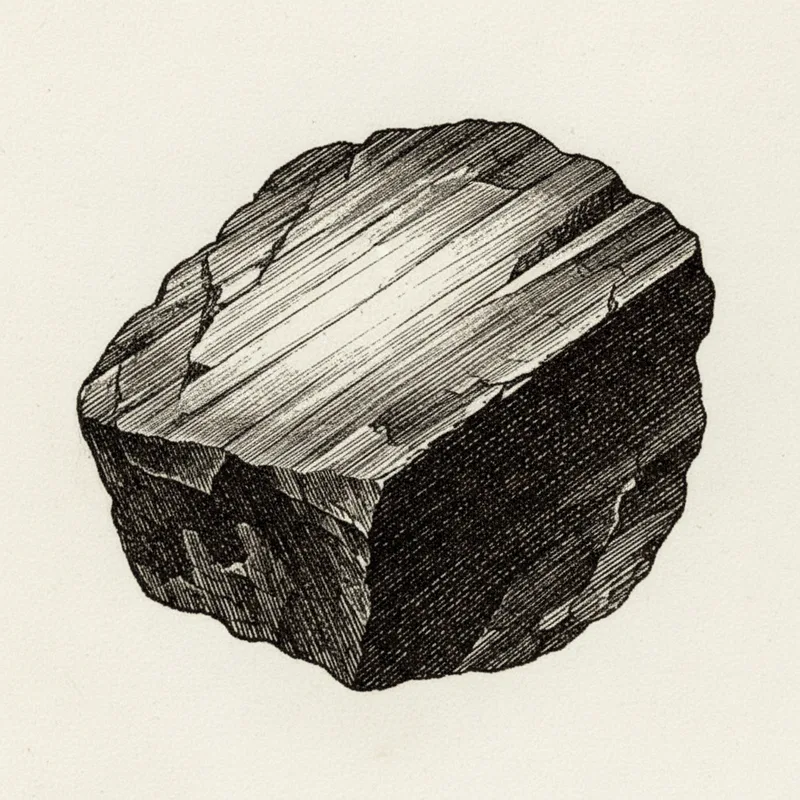
Black Moonstone
The Dark Moon Crystal
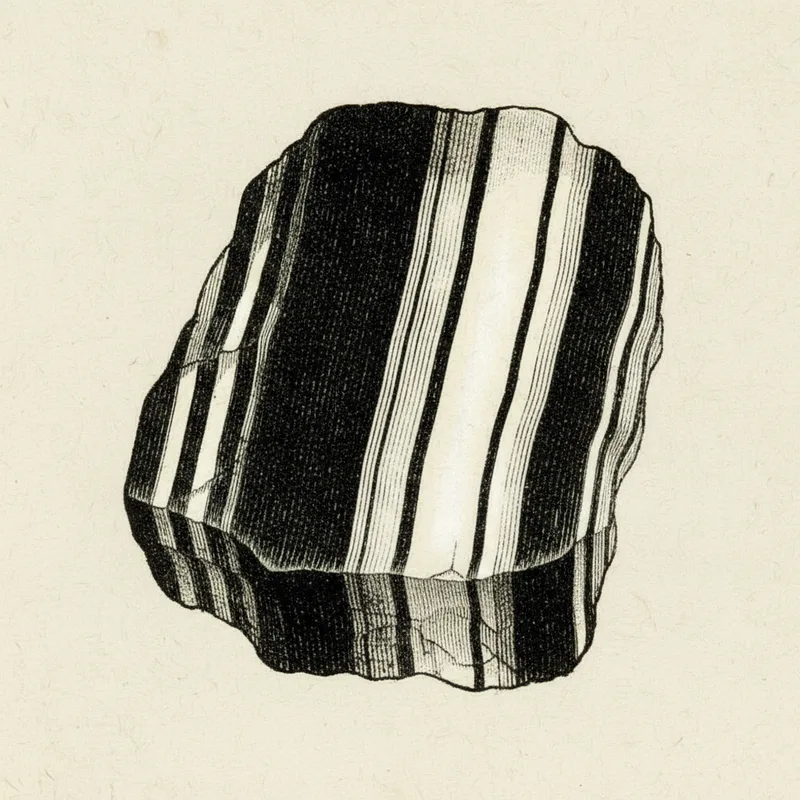
Black Onyx
The Stone of Strength
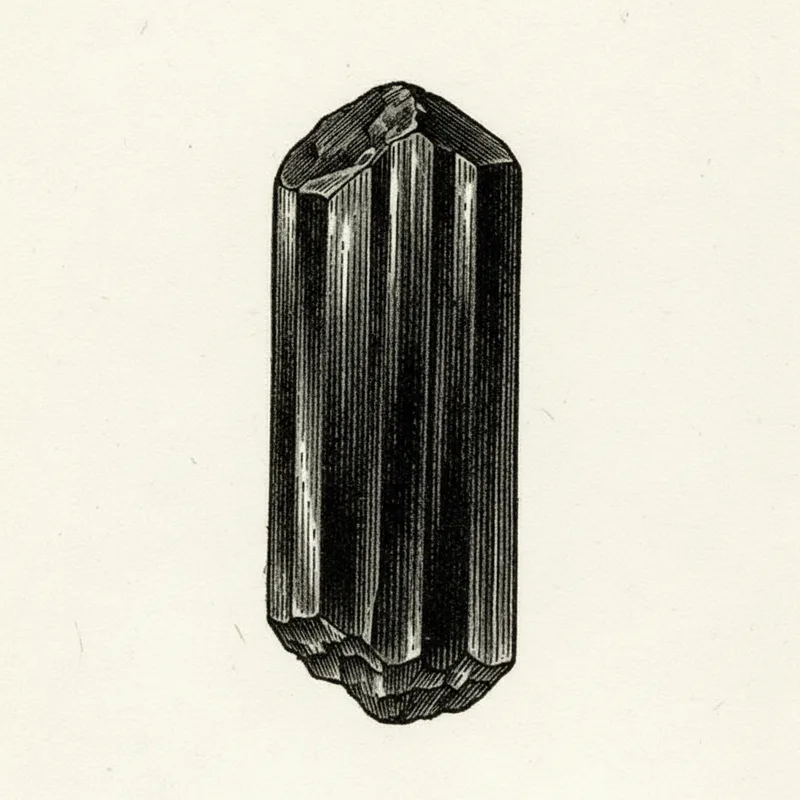
Black Tourmaline
The Shield Stone
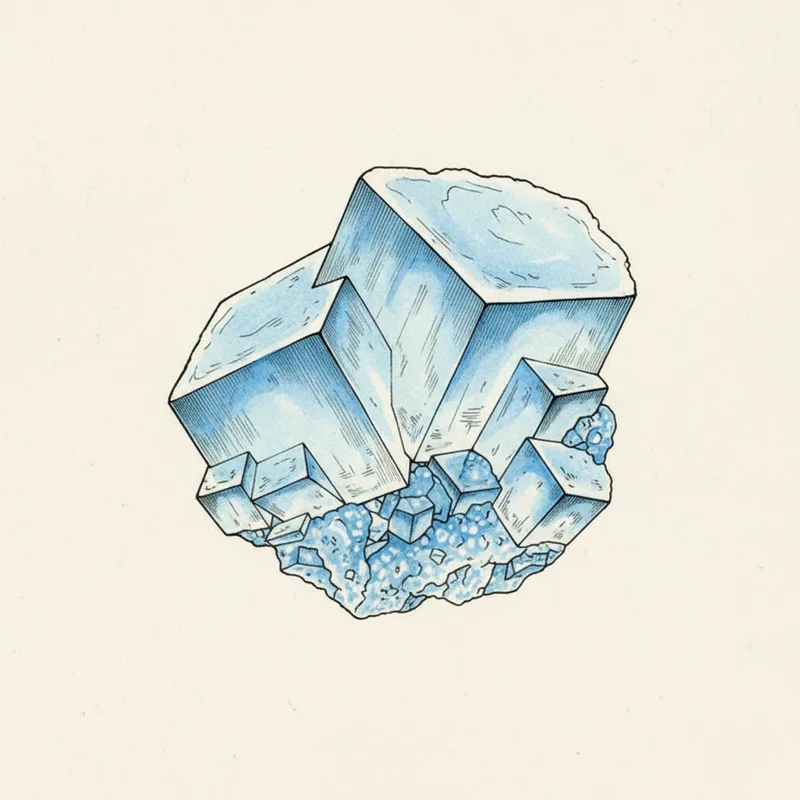
Blue Calcite
The Soft-Spoken Carbonate
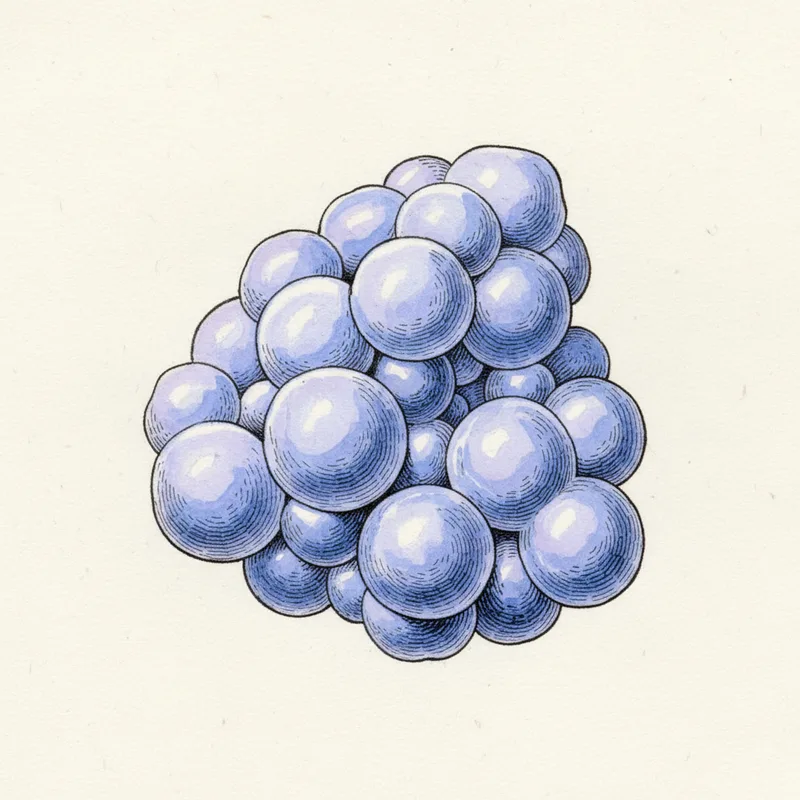
Blue Chalcedony
The Speaker's Stone

Blue Obsidian
The Rarest Volcanic Glass
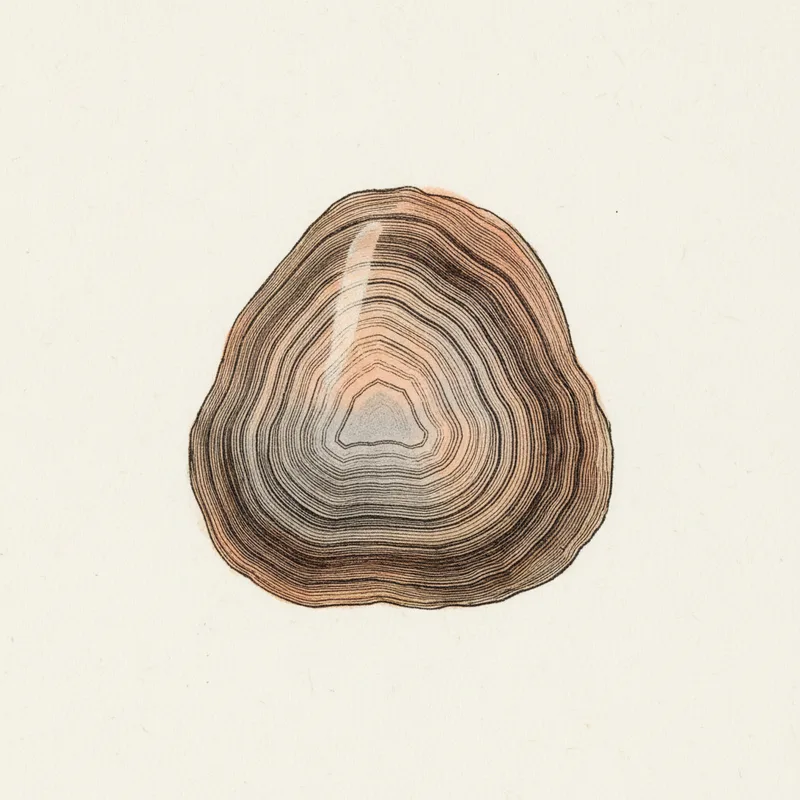
Botswana Agate
The Sunset Stone
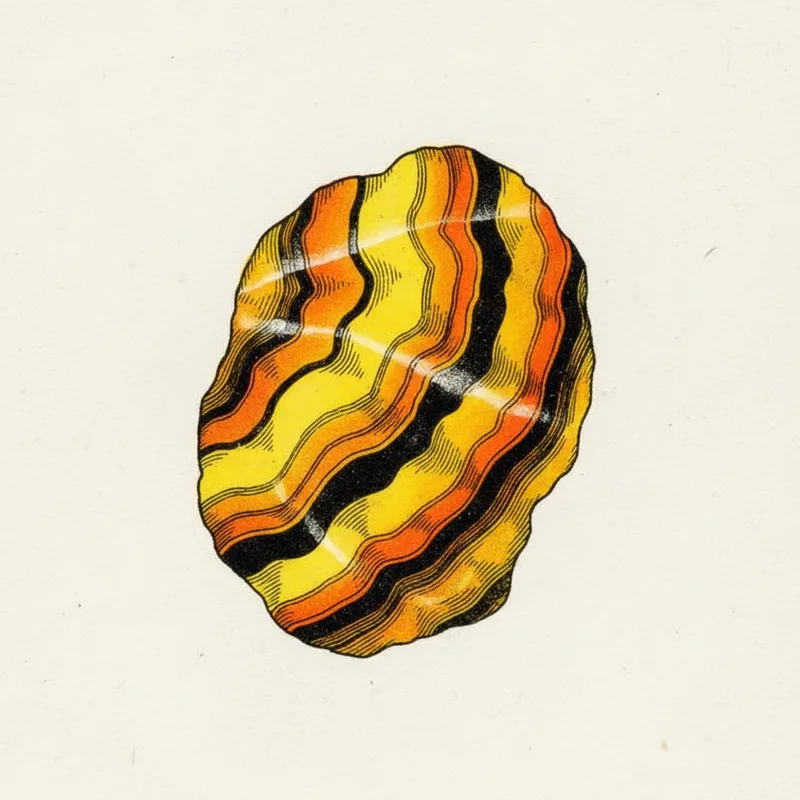
Bumble Bee Jasper
The Radiant Stone
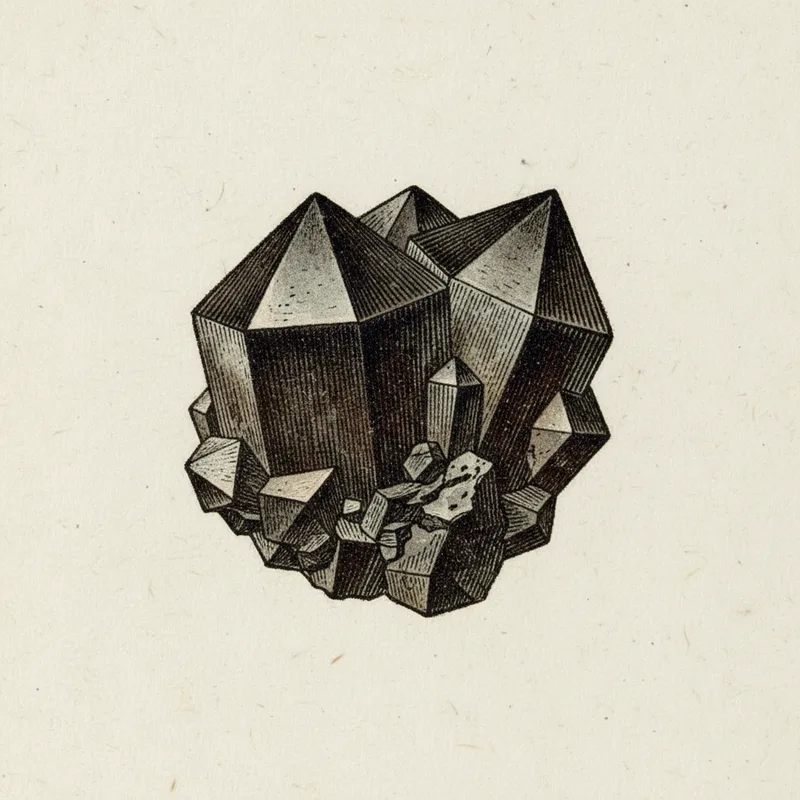
Cassiterite
The Tin Stone
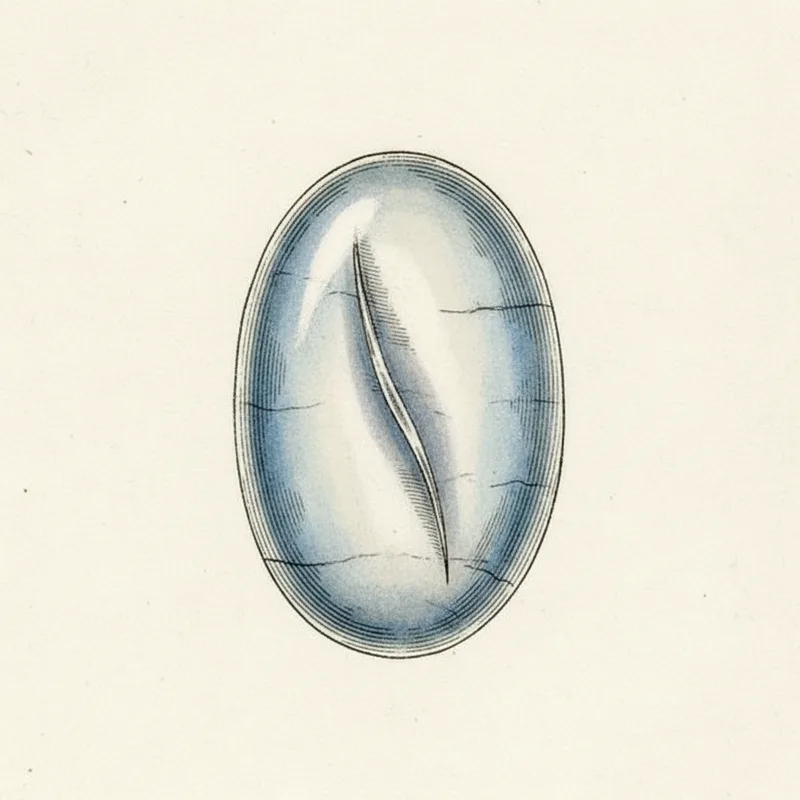
Cat's Eye Moonstone
The Dual-Phenomenon Feldspar
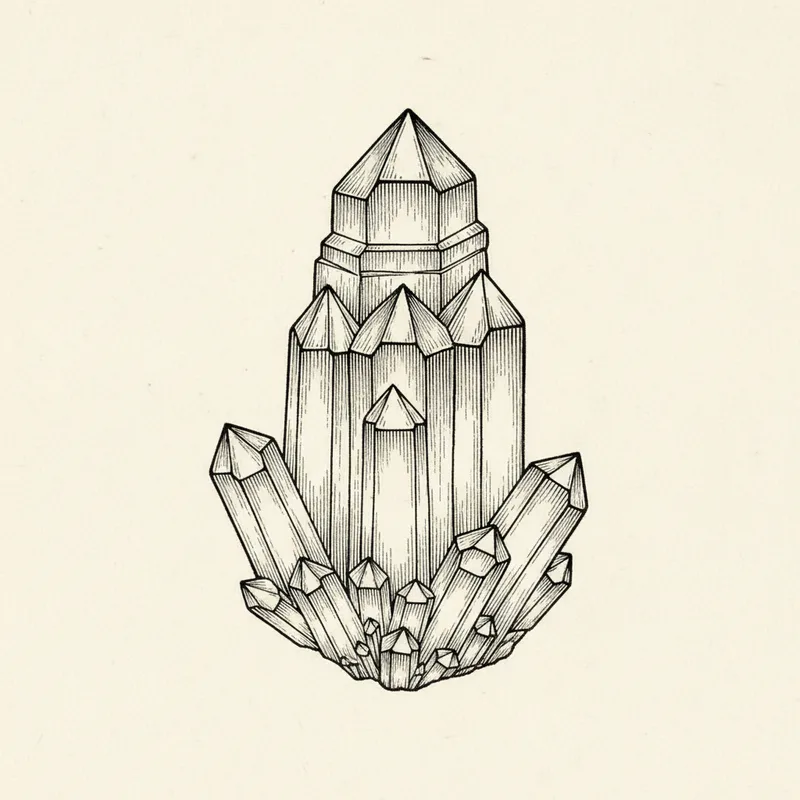
Cathedral Quartz
Stepped-terminated quartz growth habit with stacked parallel spires
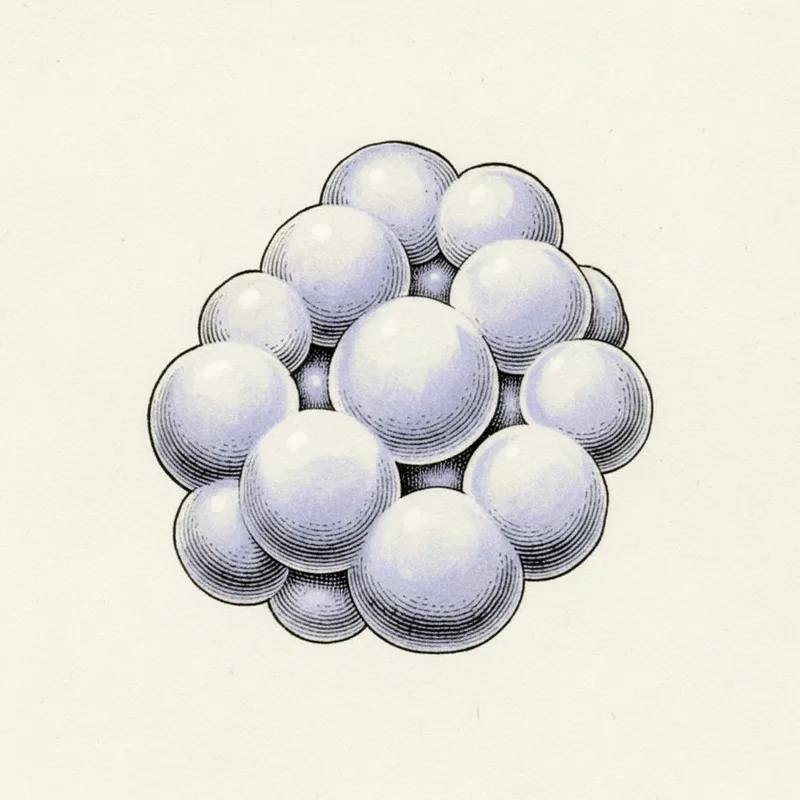
Chalcedony
The Mother of Agates
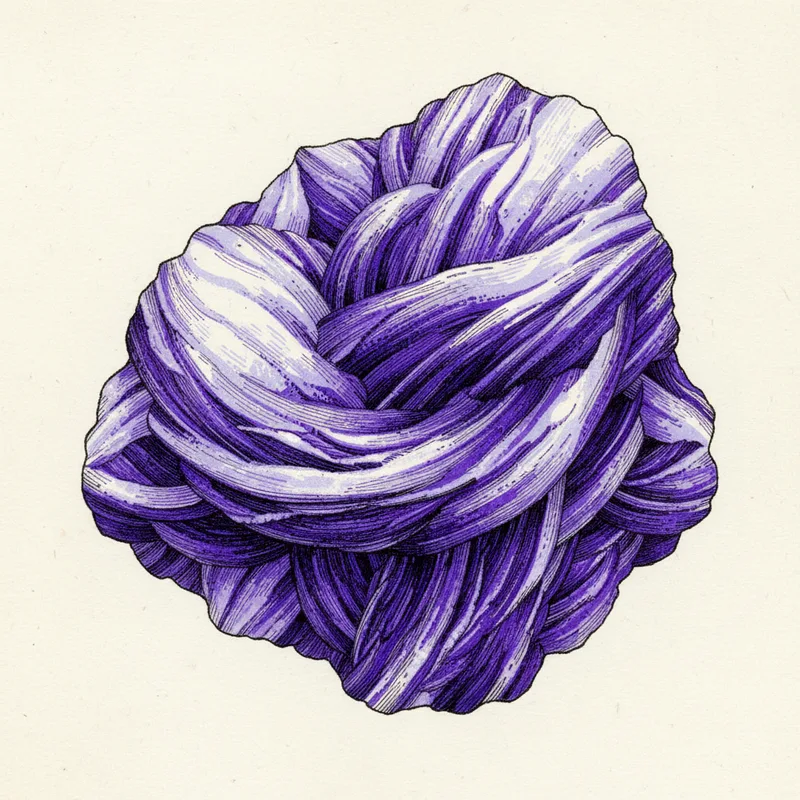
Charoite
The Stone of Transformation
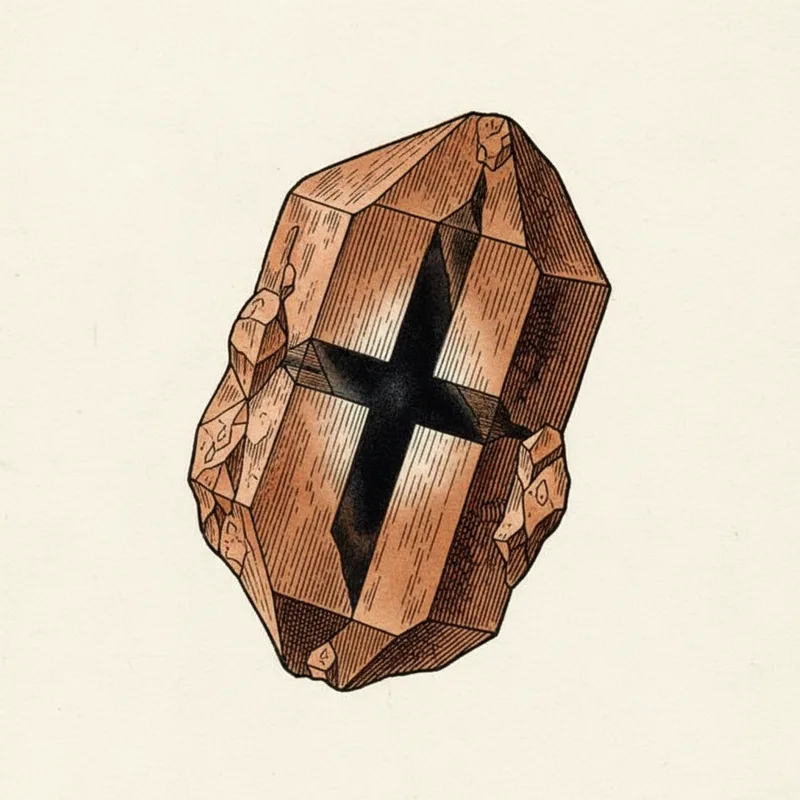
Chiastolite
The Cross Stone
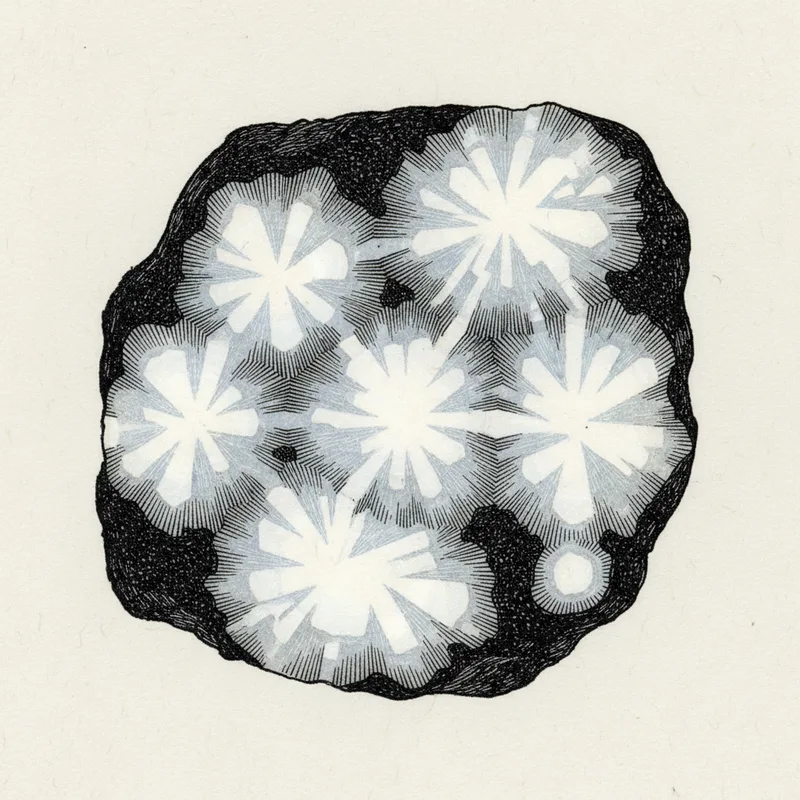
Chrysanthemum Stone
Nature's Fossil Flower

Chrysotile
The Serpentine Fiber
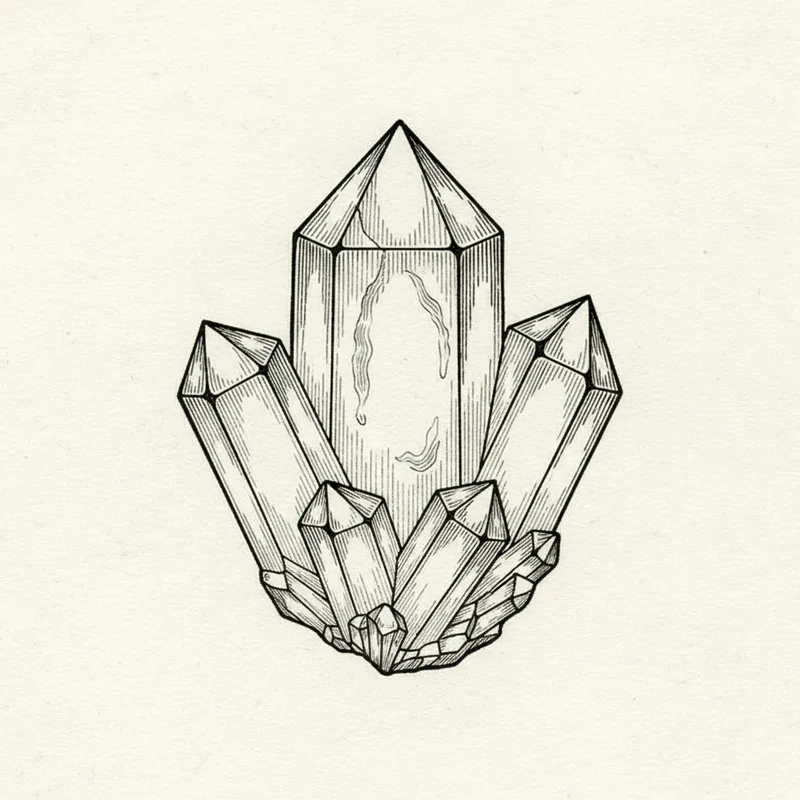
Clear Quartz
The Master Healer

Coltan
The Digital Age Mineral
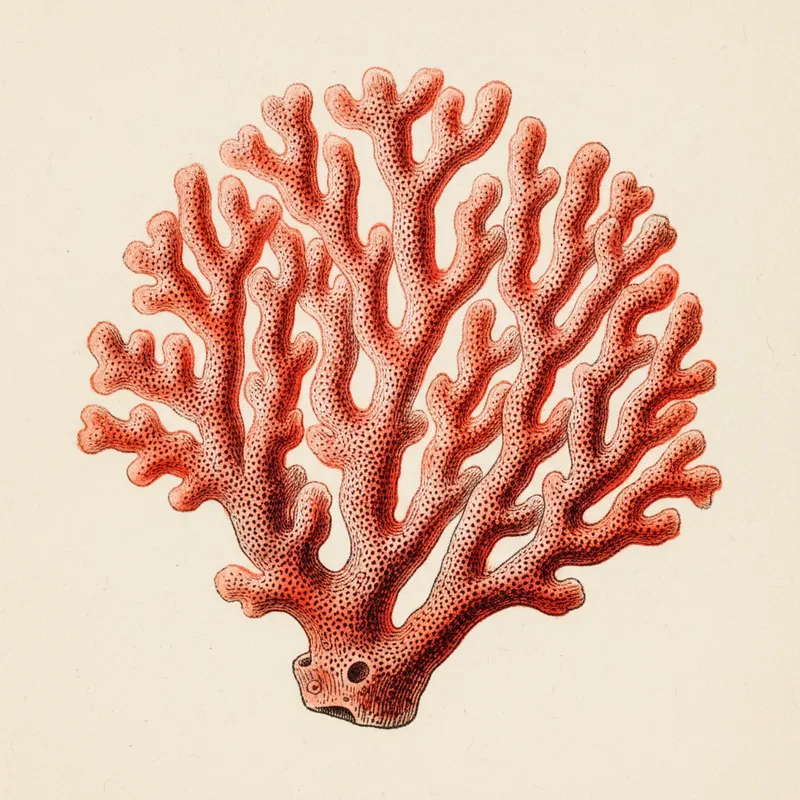
Coral
The Garden of the Sea

Cryolite
The Invisible Ice Stone
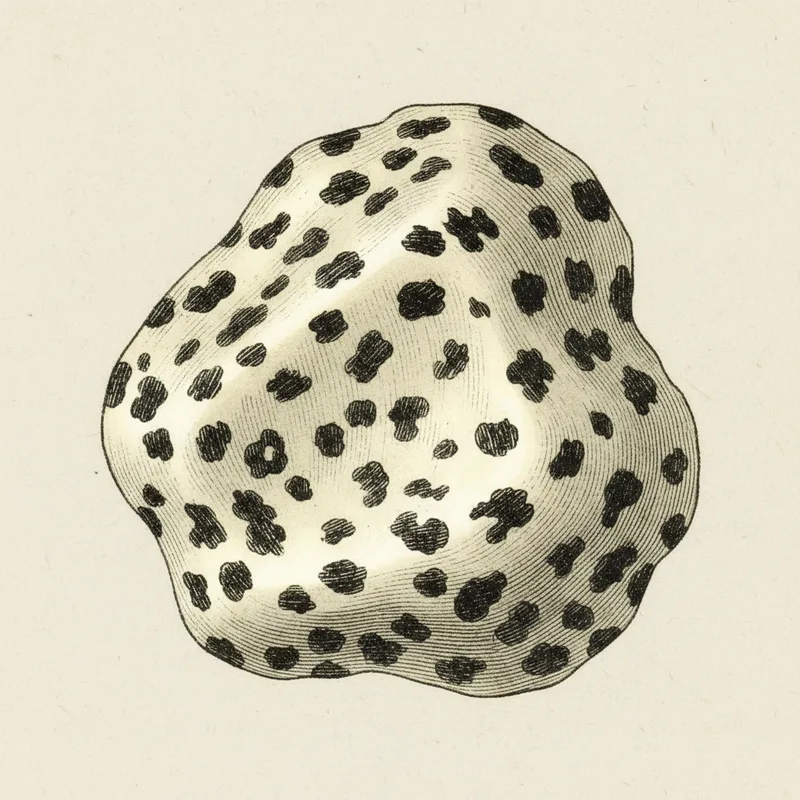
Dalmatian Stone
The Spotted Companion
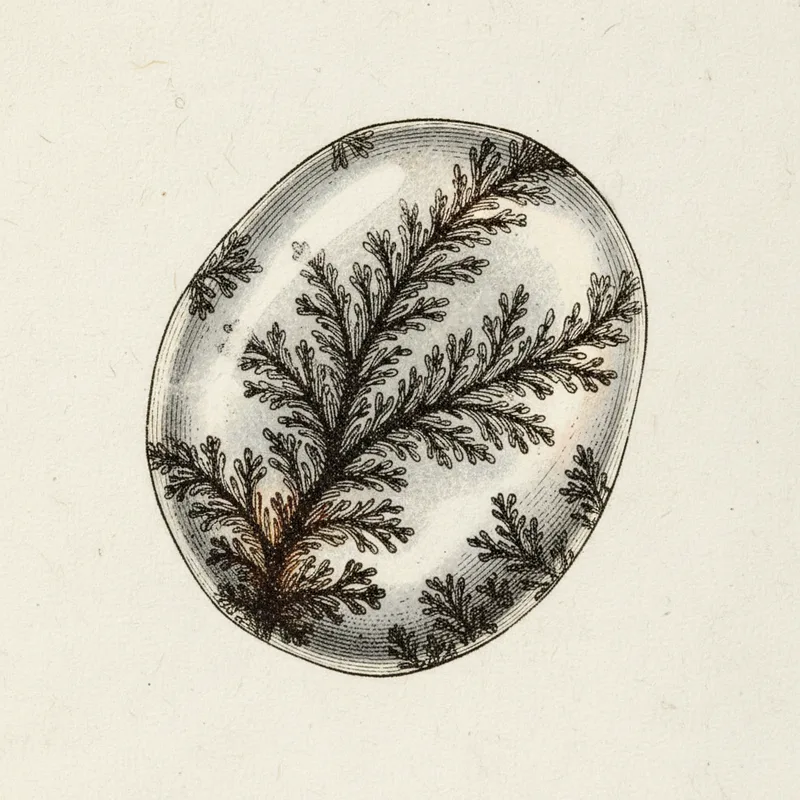
Dendritic Agate
The Stone of Plentitude
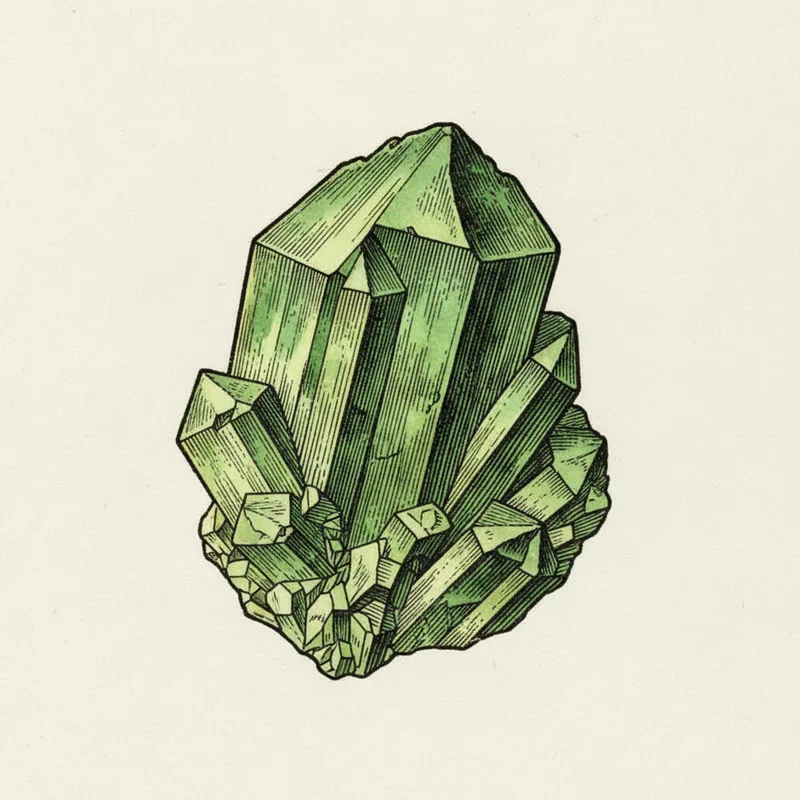
Diopside
The Emerald's Understudy
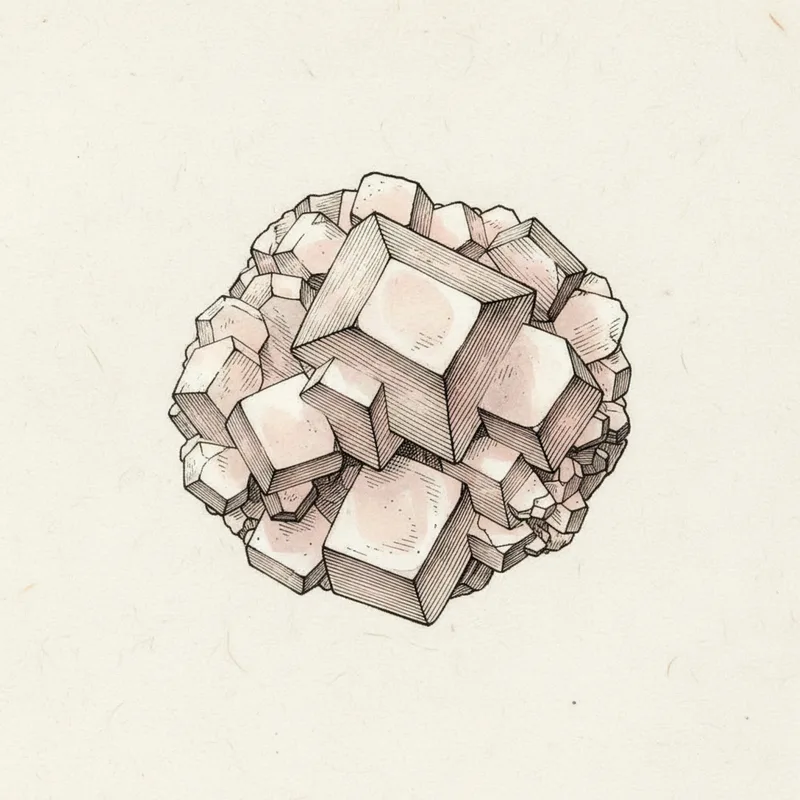
Dolomite
The Stabilizer

Enstatite
The Meteorite Mineral
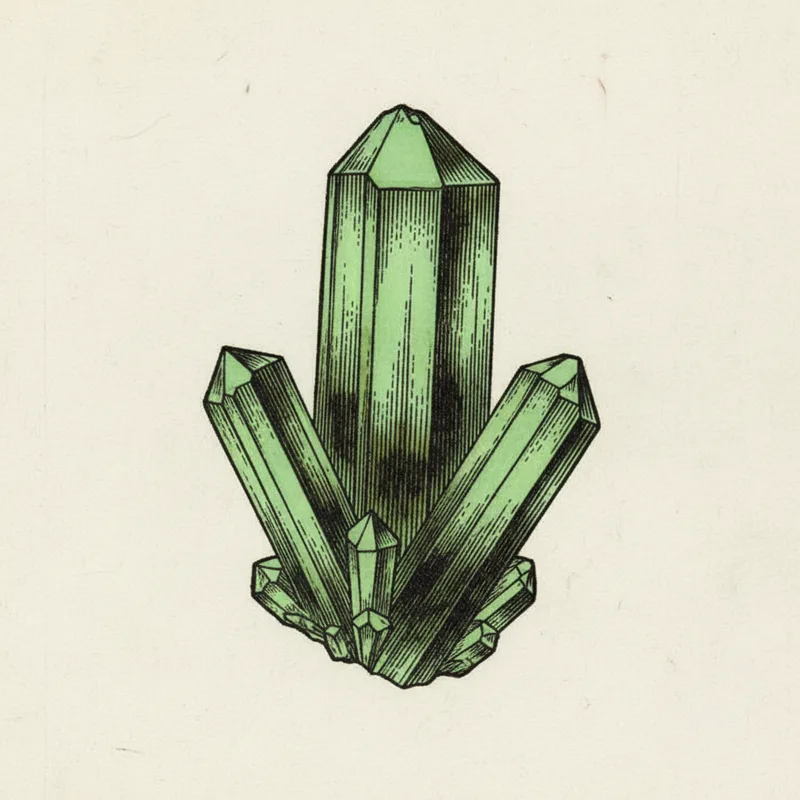
Epidote
The Stone of Increase
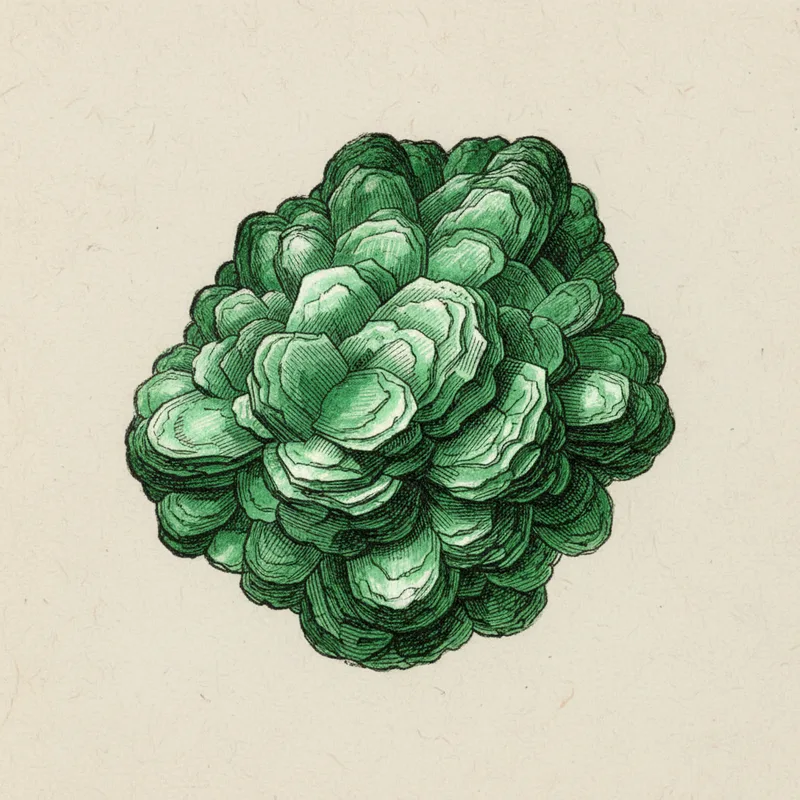
Fuchsite
The Emerald Mica
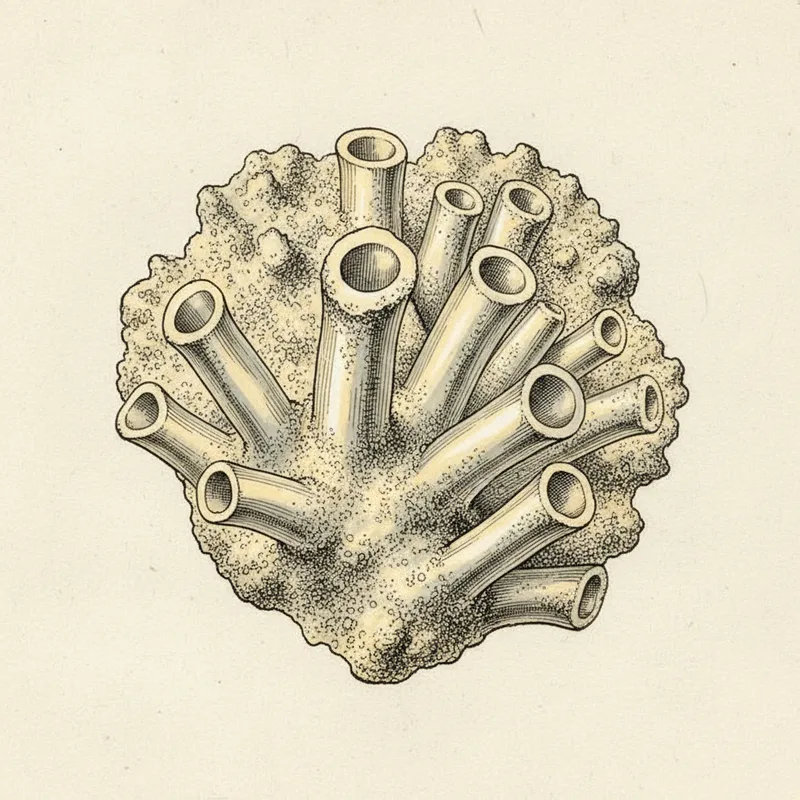
Fulgurite
Lightning Captured in Glass
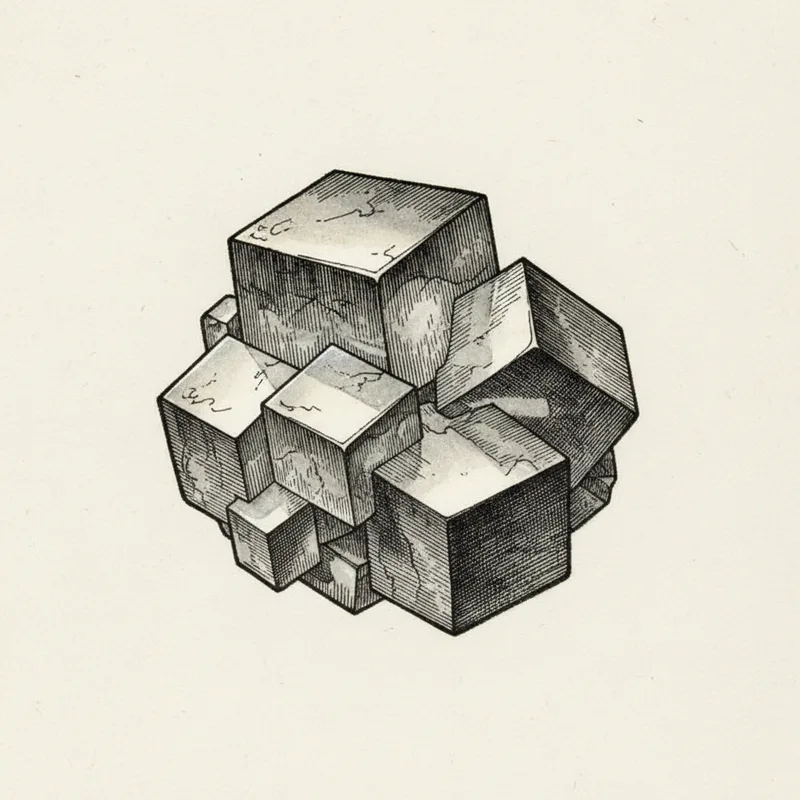
Galena
The Mirror Stone
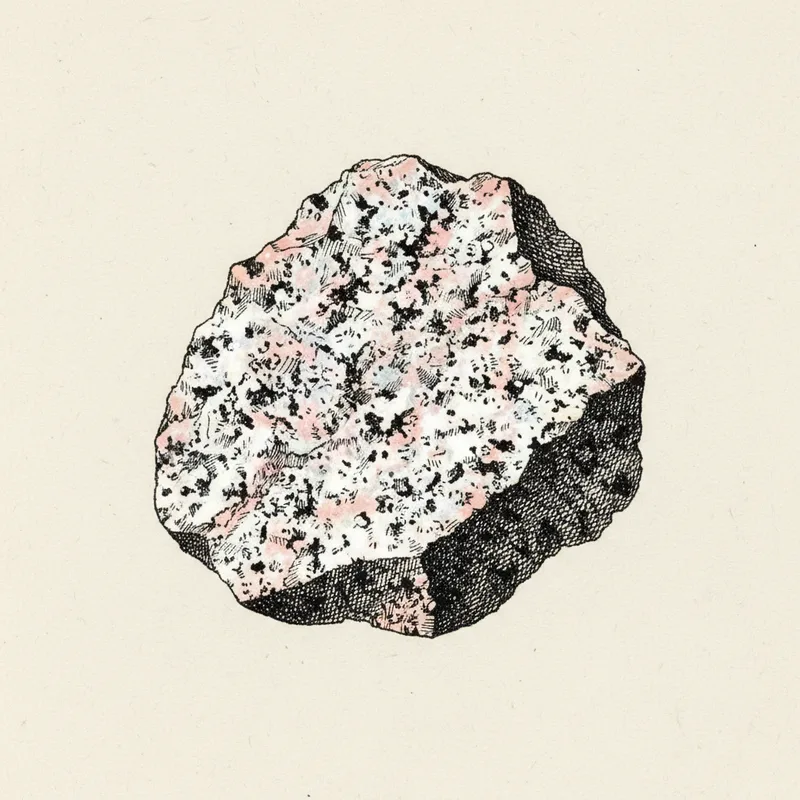
Granite
The Backbone of Continents
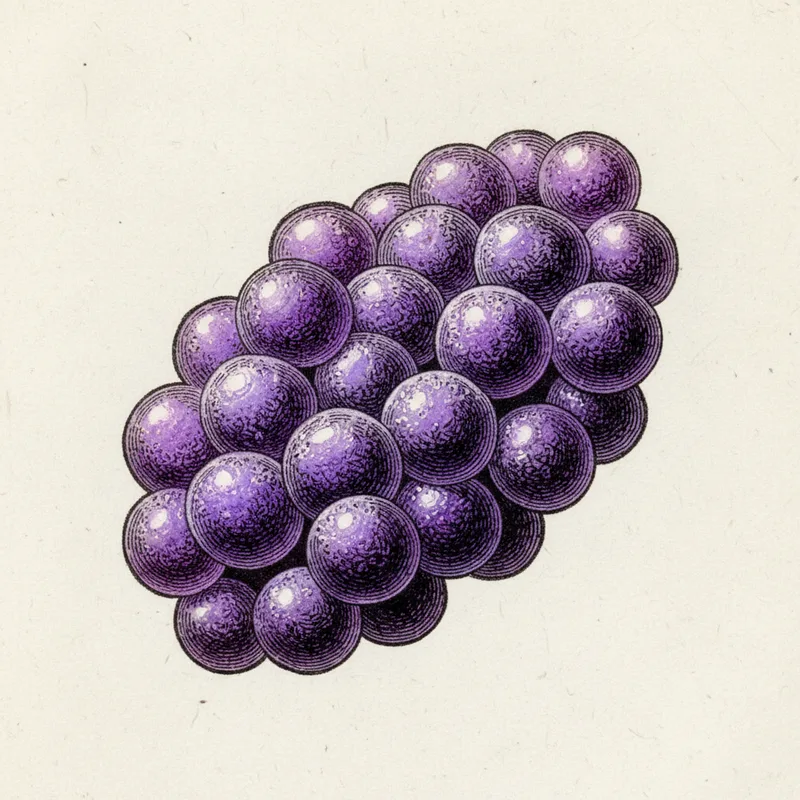
Grape Agate
The Dream Cluster
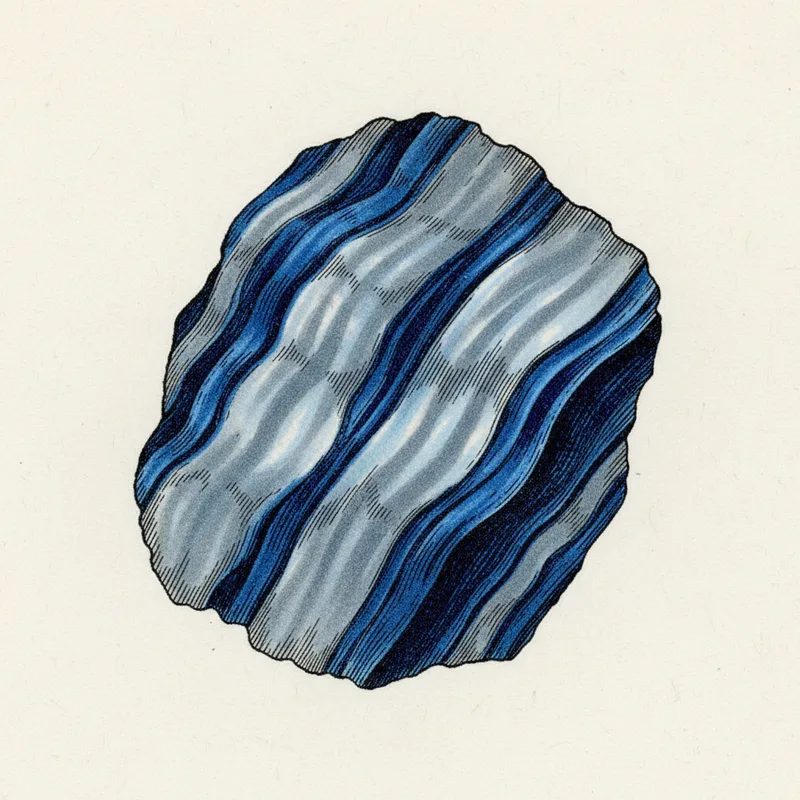
Hawk's Eye
The Stone of Vision
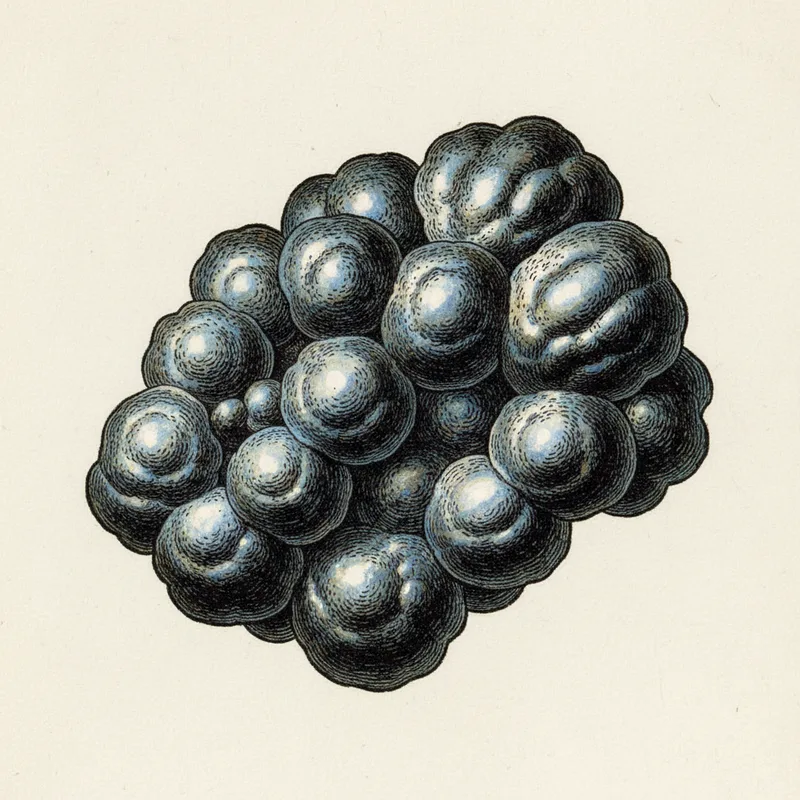
Hematite
The Blood Stone
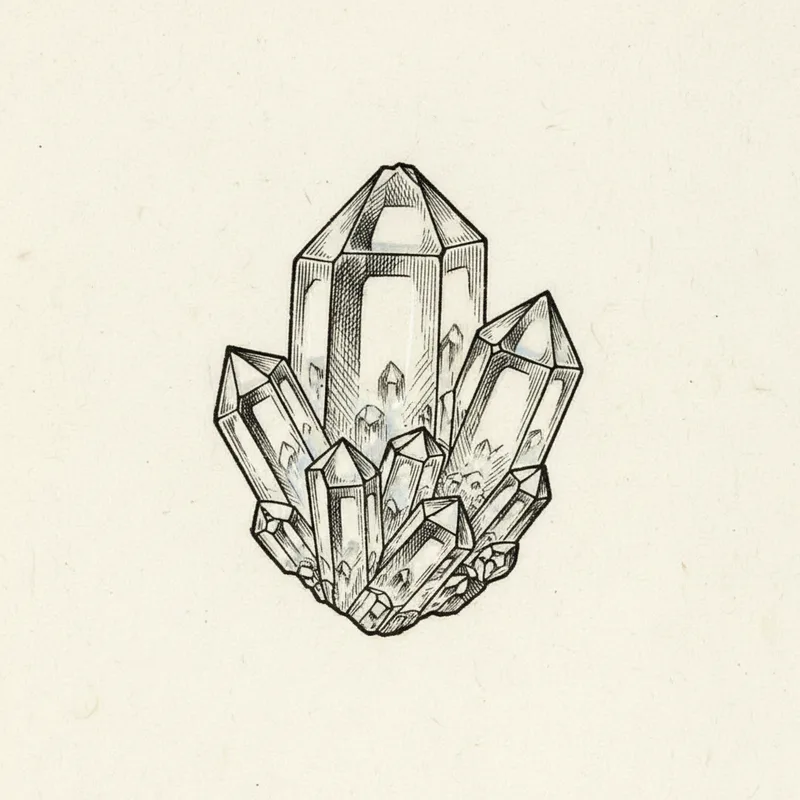
Herkimer Diamond
The Attunement Stone

Hornblende
The Dark Amphibole
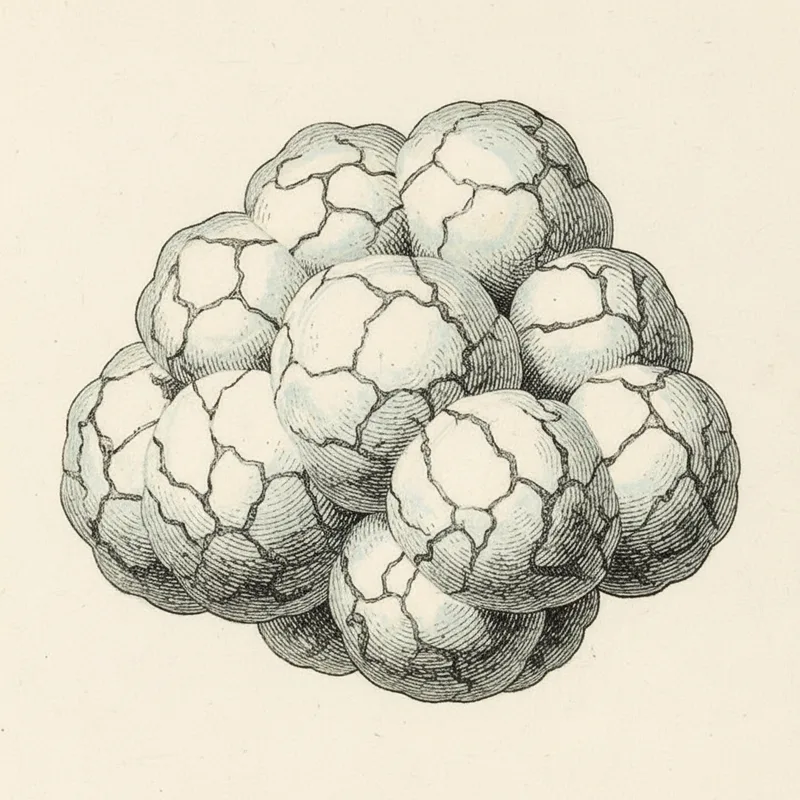
Howlite
The Calming Stone
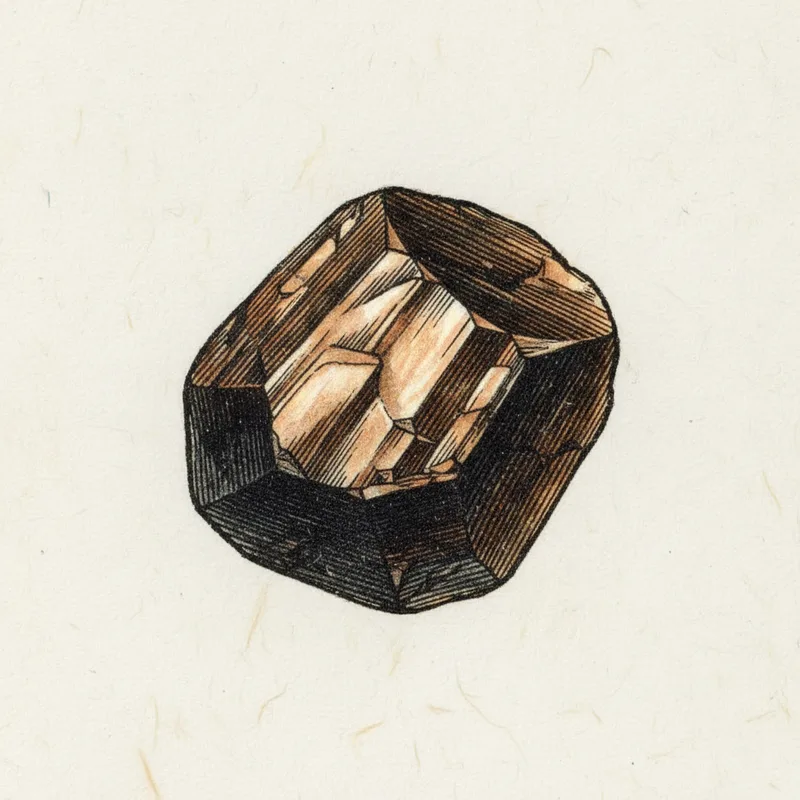
Hypersthene
The Black Schiller Pyroxene
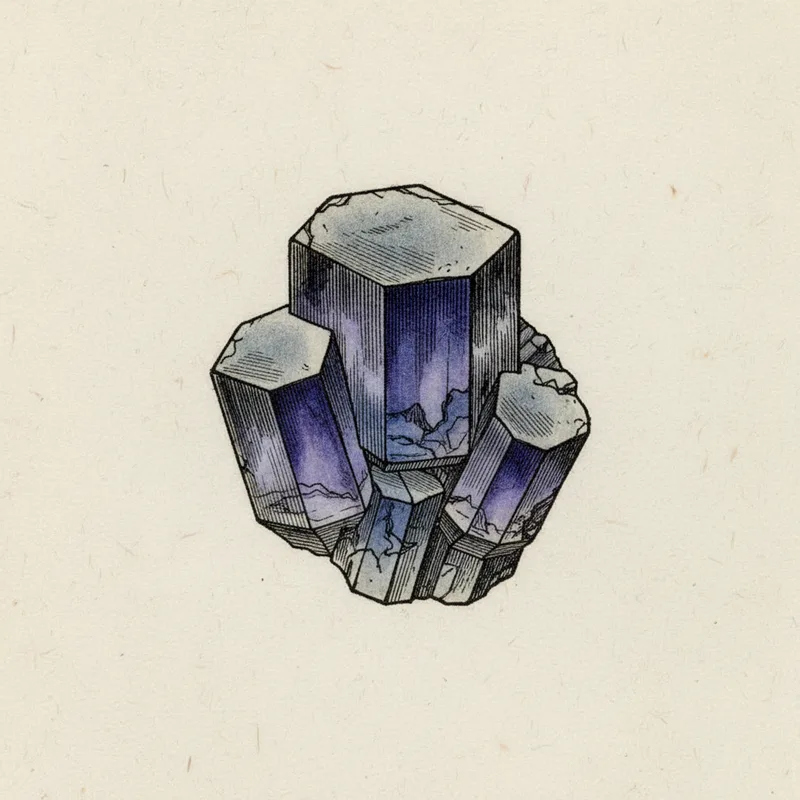
Iolite
The Viking Compass
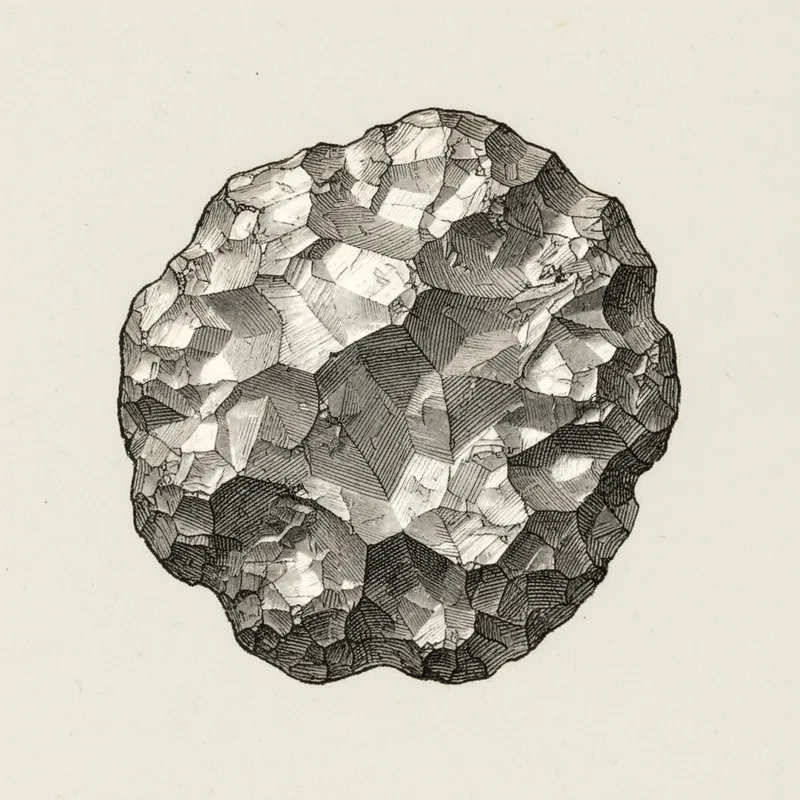
Iron Meteorite
Metal from the Stars
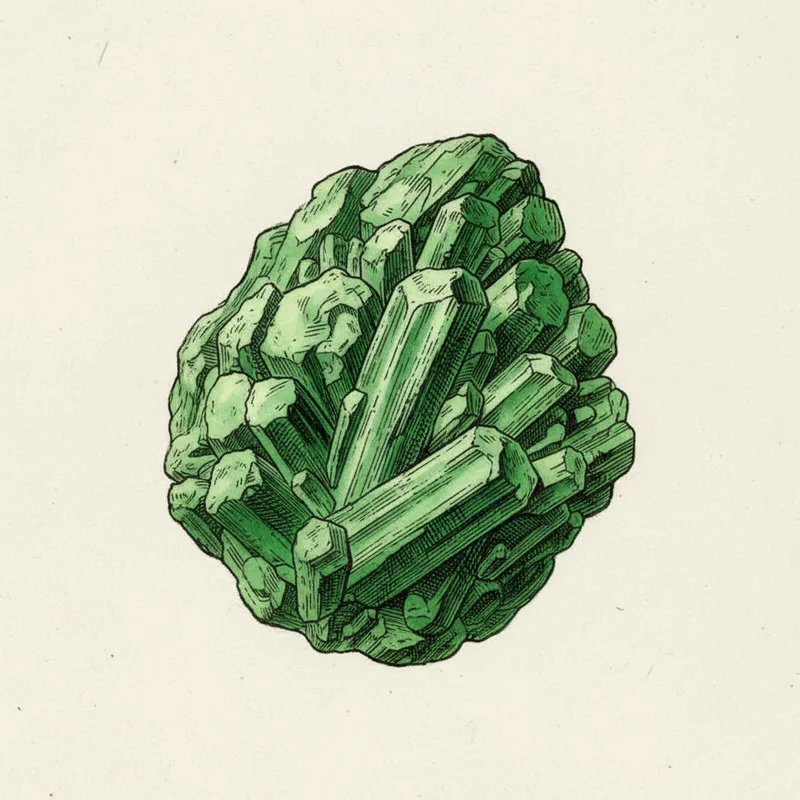
Jade
The Dream Stone
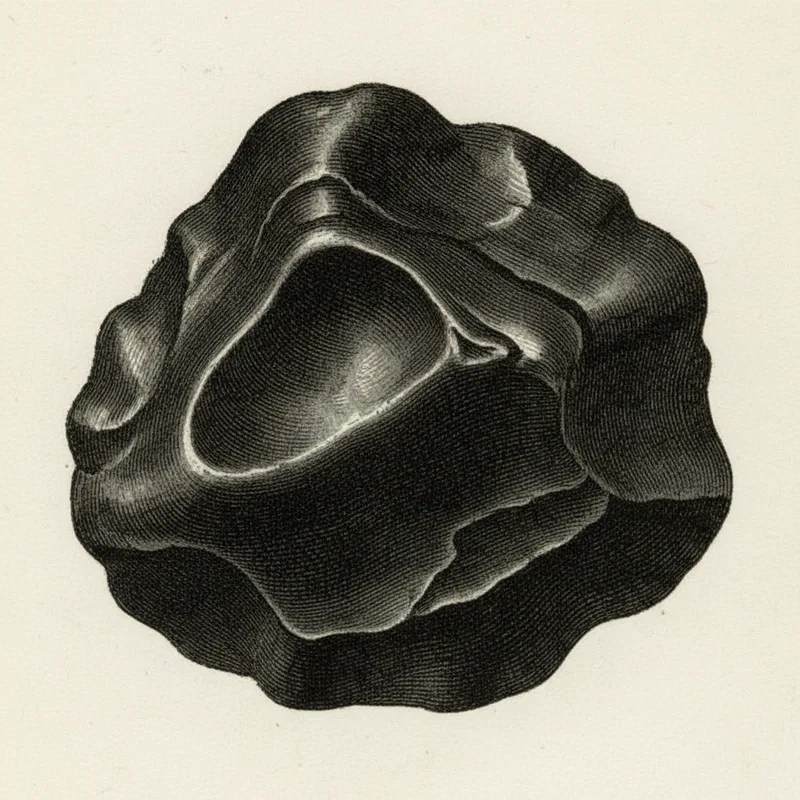
Jet
The Mourning Stone
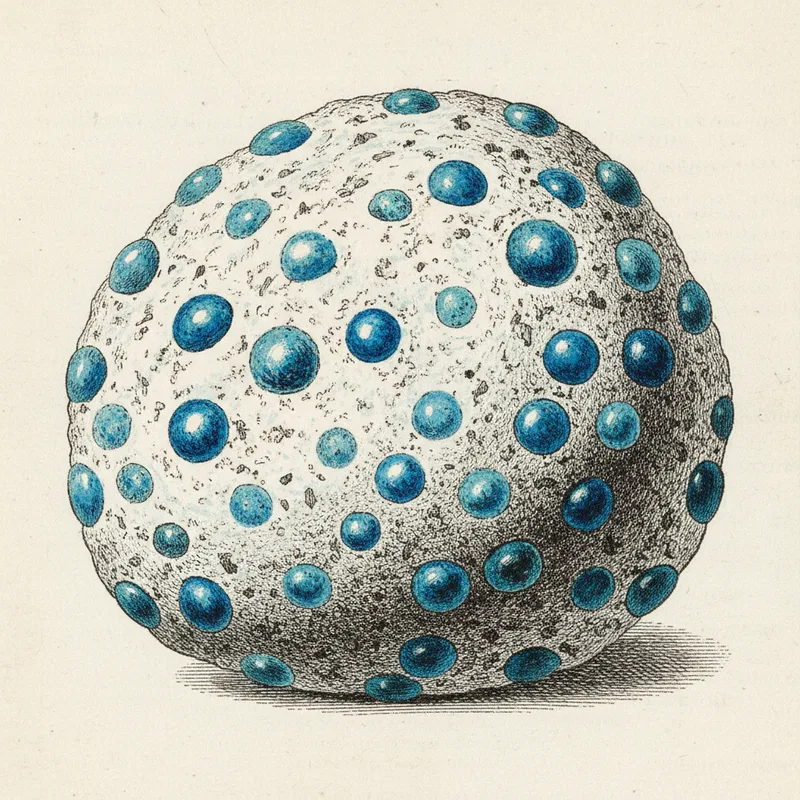
K2 Stone
The Mountain Stone
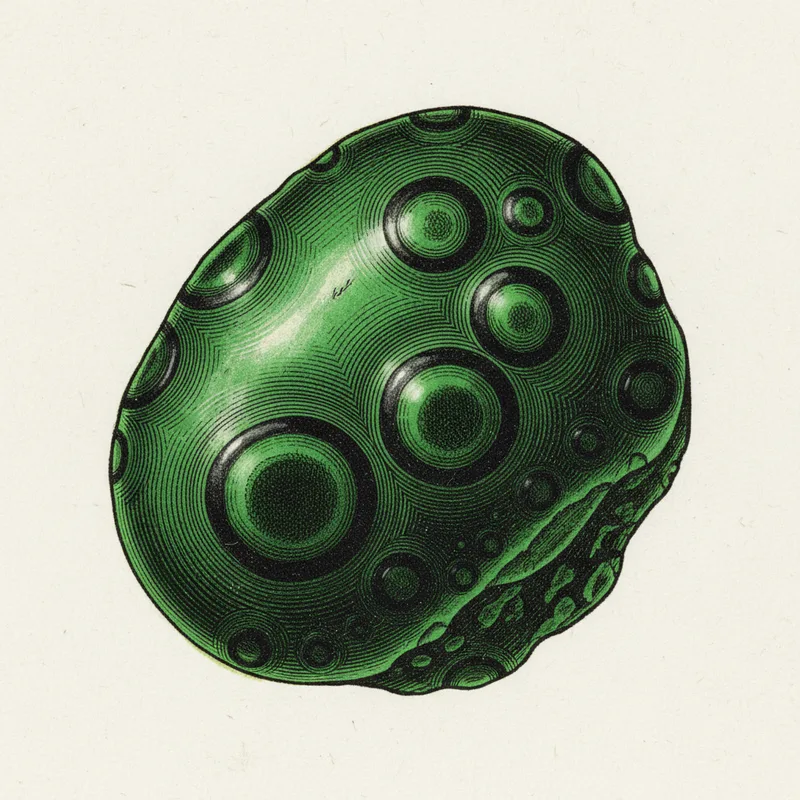
Kambaba Jasper
The Crocodile Stone
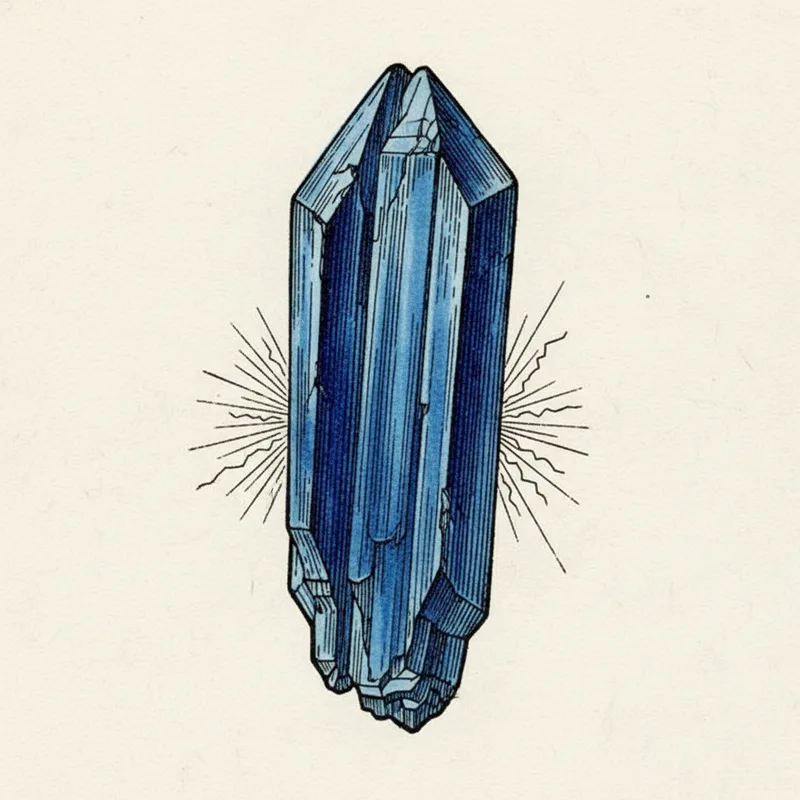
Kyanite
The Blade of Balance
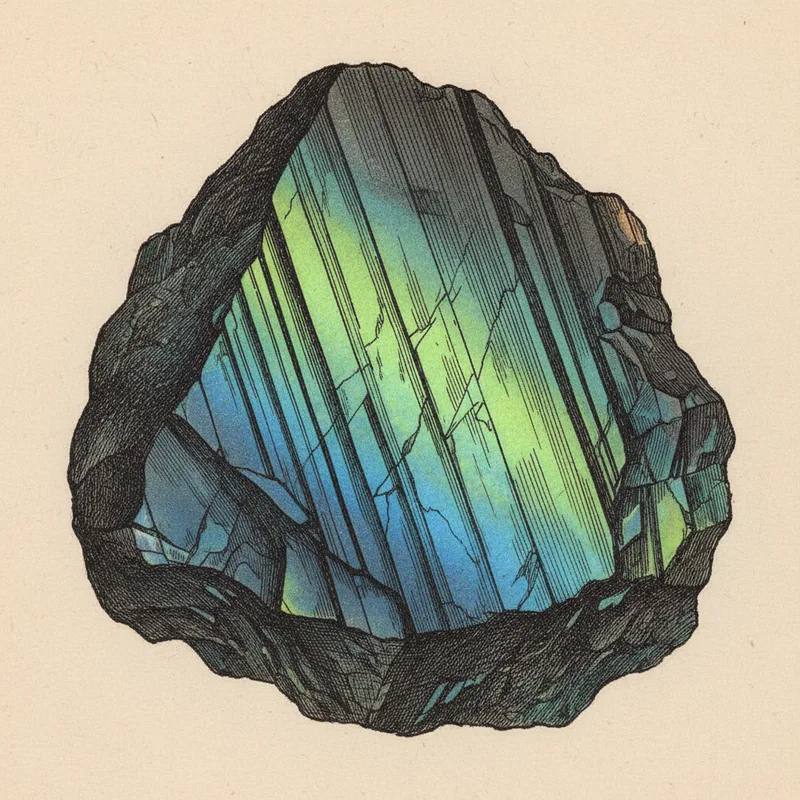
Labradorite
The Stone of Transformation
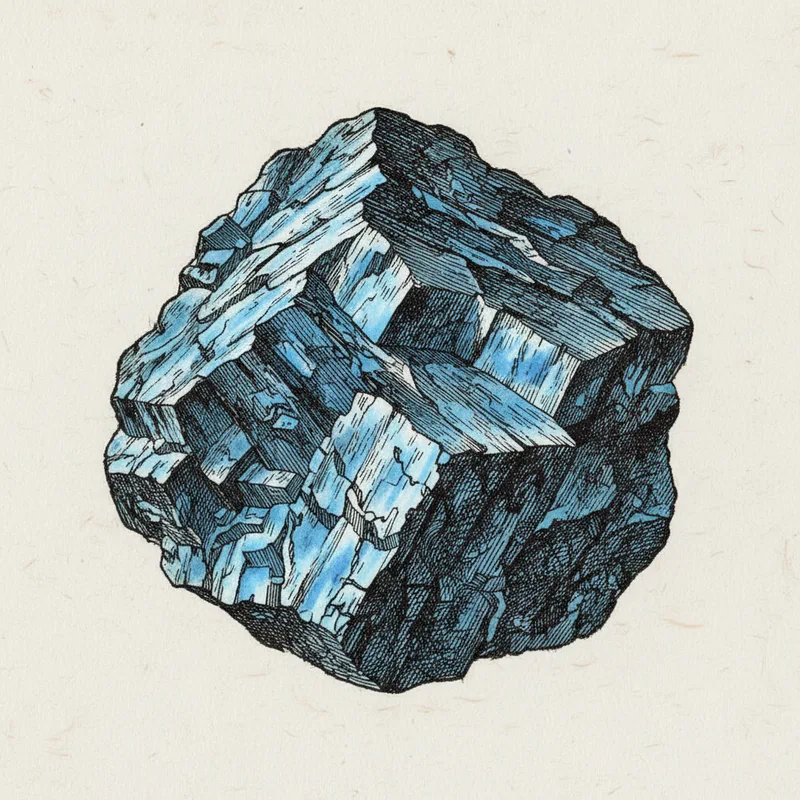
Larvikite
The Norwegian Moonstone
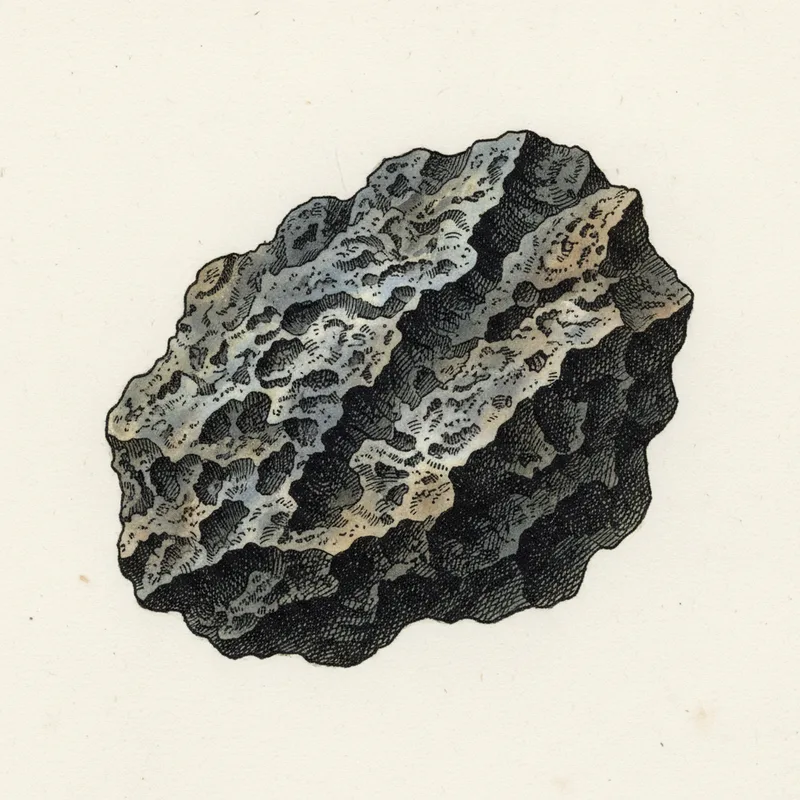
Lava Rock
The Grounding Stone
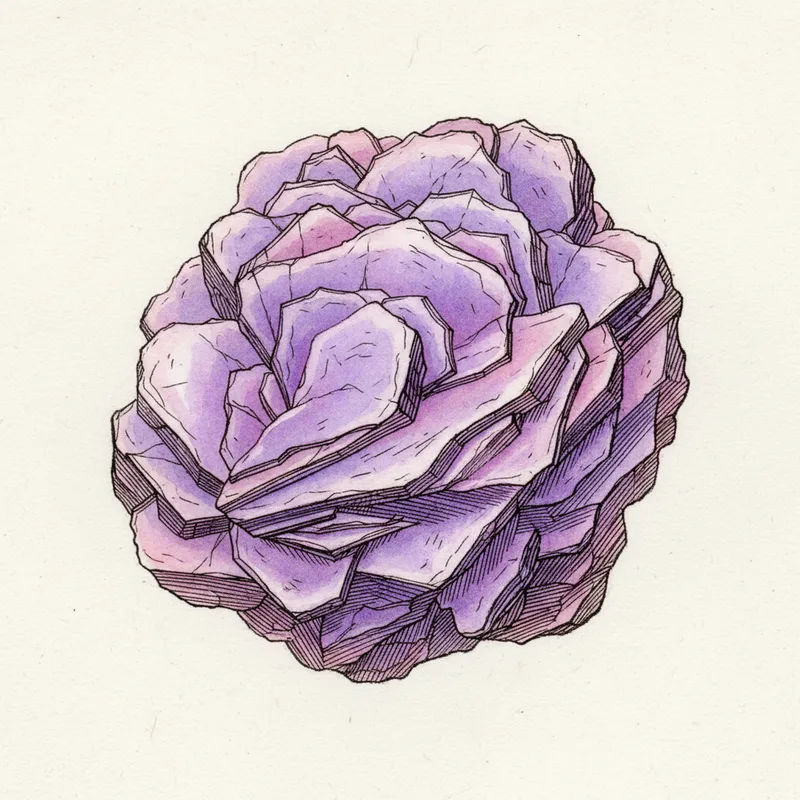
Lepidolite
The Peace Stone
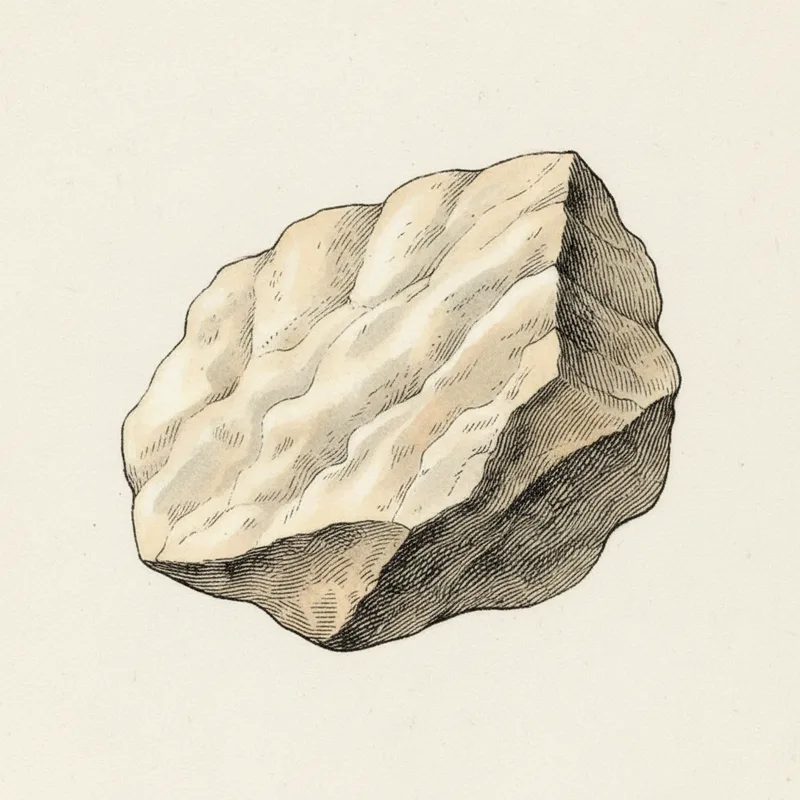
Limestone
The Fossil Record
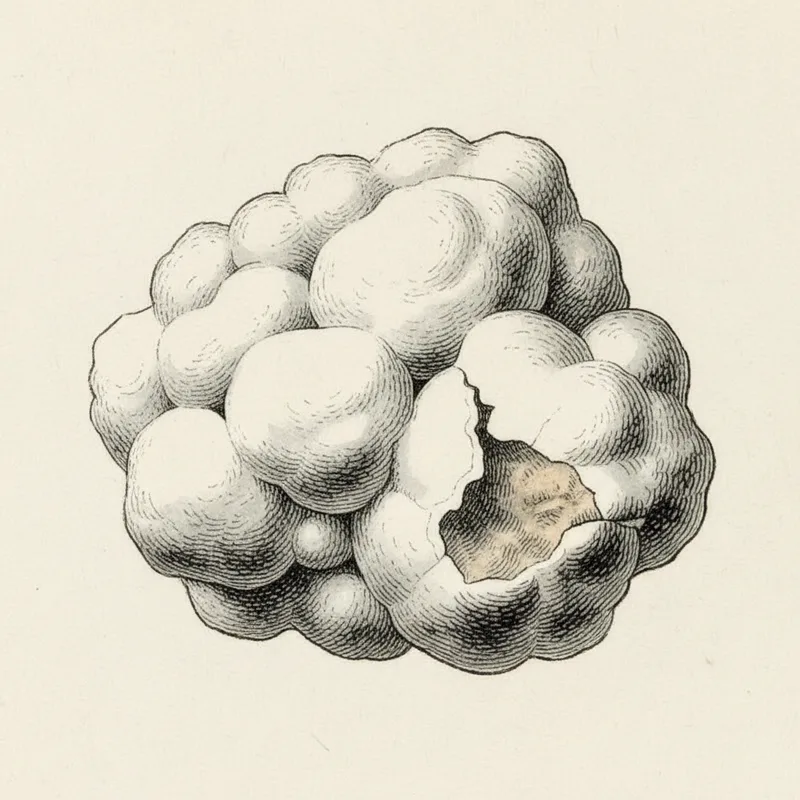
Magnesite
The Brain Stone
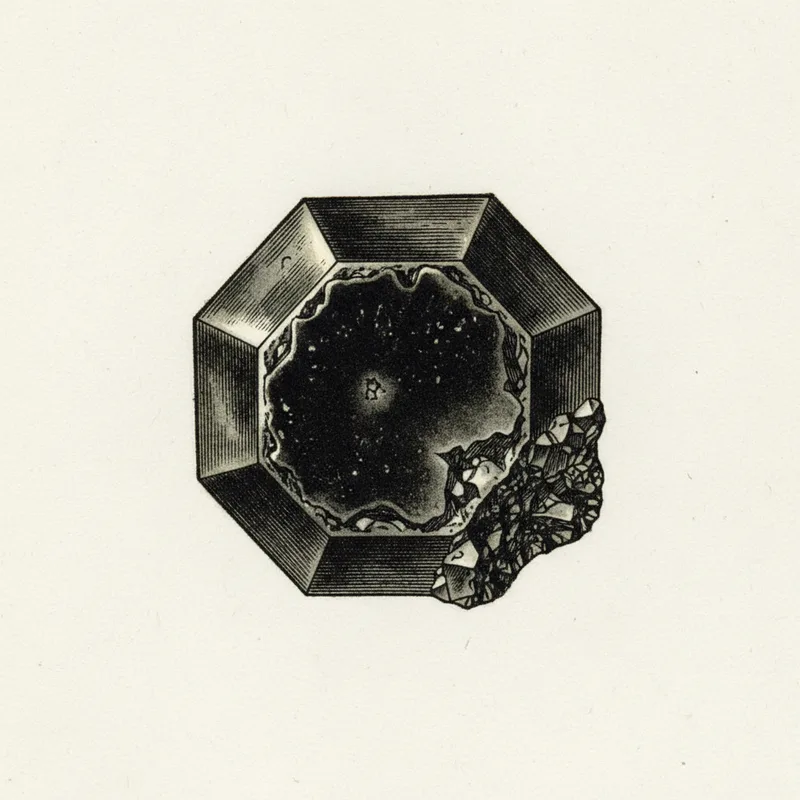
Magnetite
The Lodestone
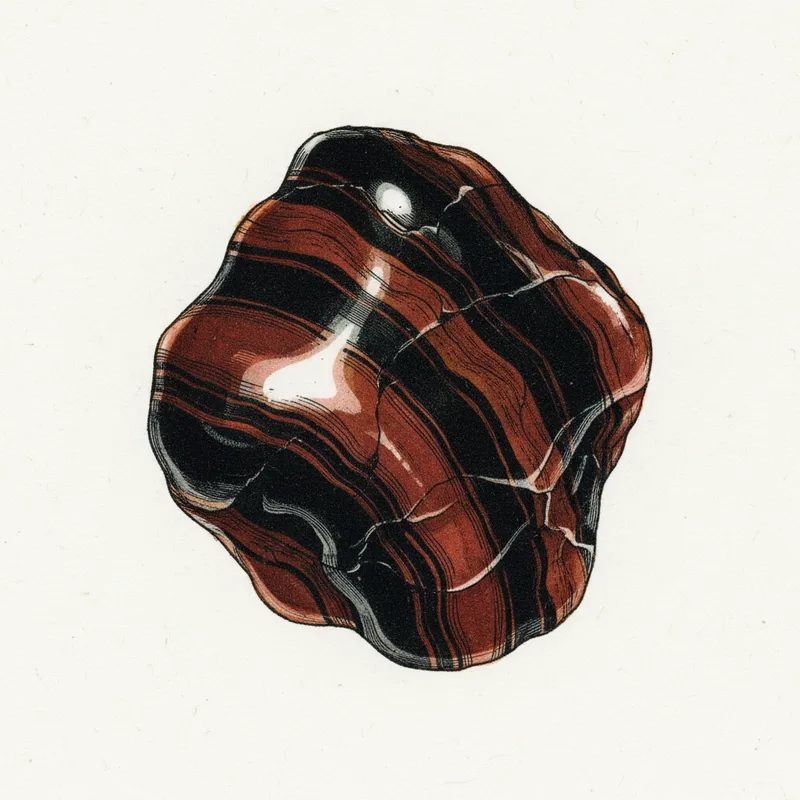
Mahogany Obsidian
The Stone of Inner Strength
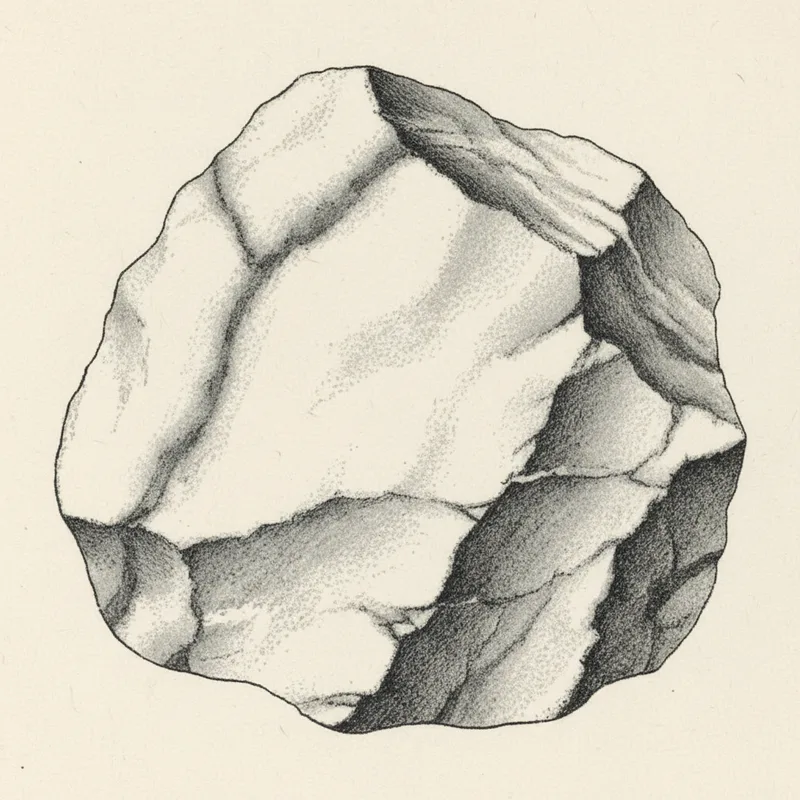
Marble
The Sculptor's Canvas

Merlinite
The Wizard Stone
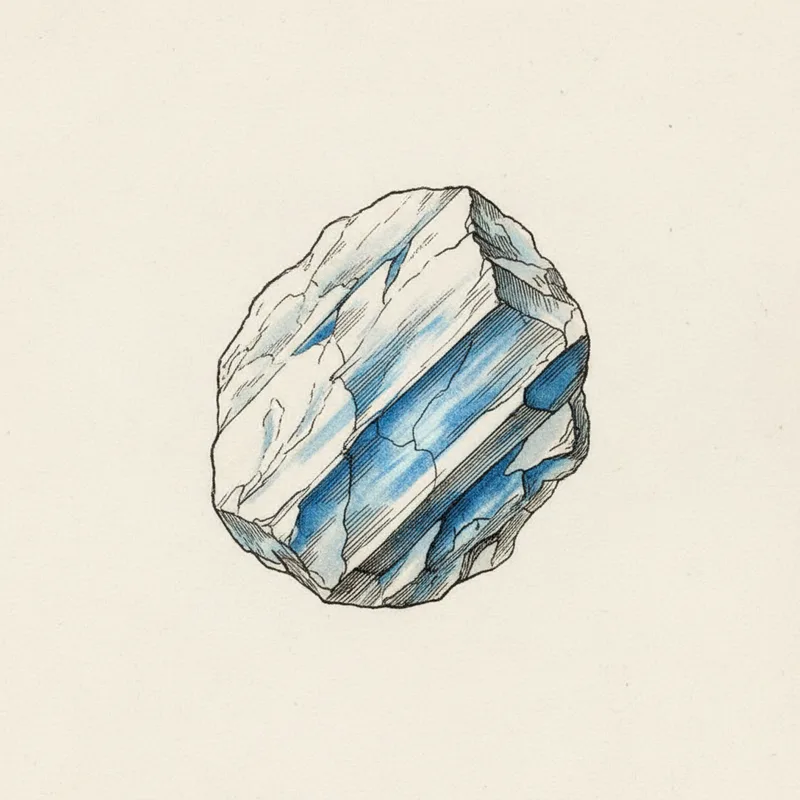
Moonstone
The Traveler's Stone
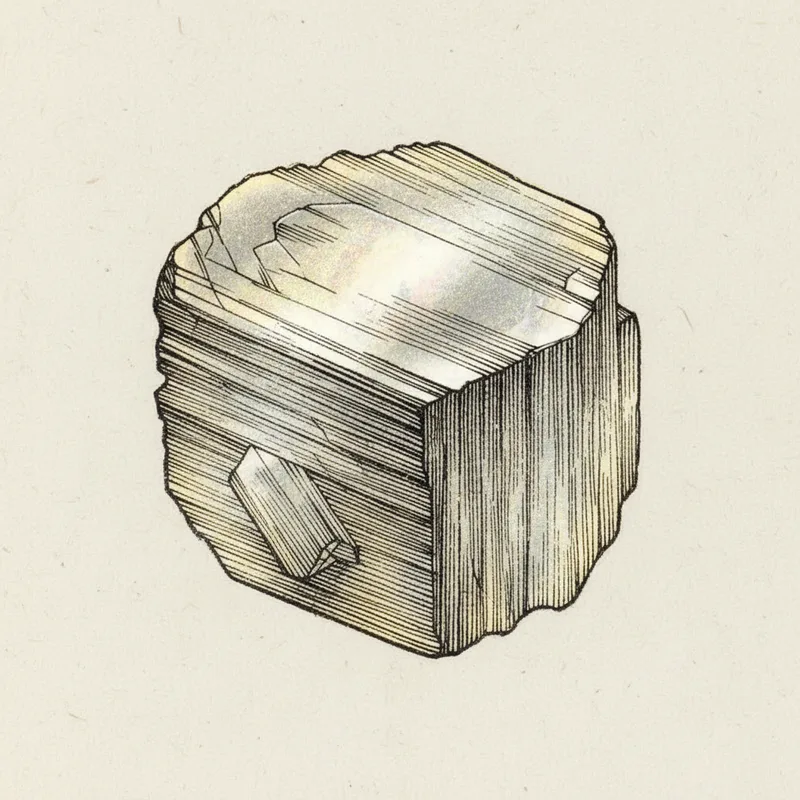
Muscovite
The Silver Mica
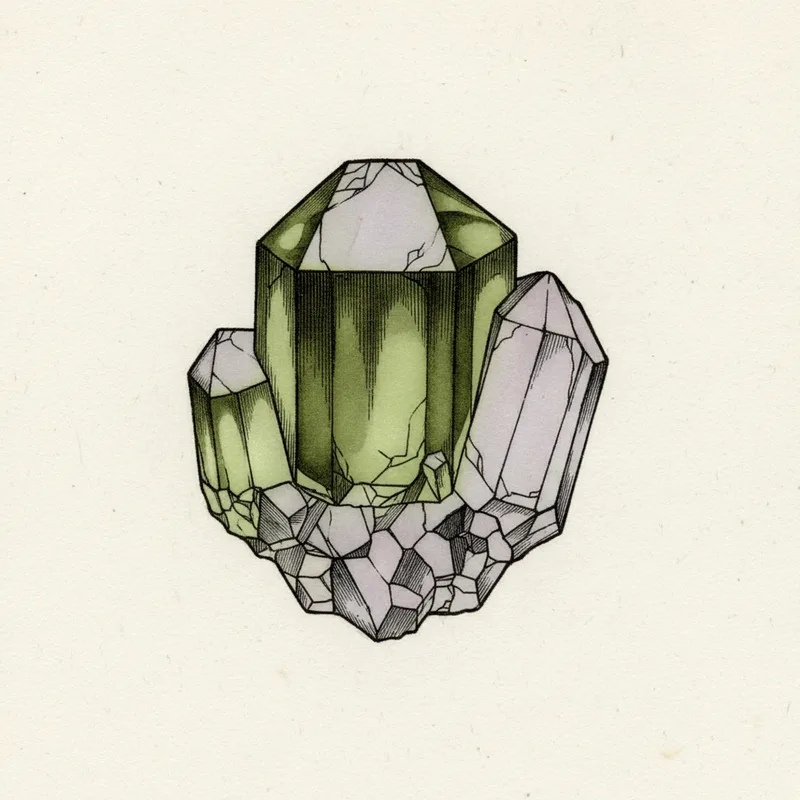
Musgravite
The Rarest of the Rare
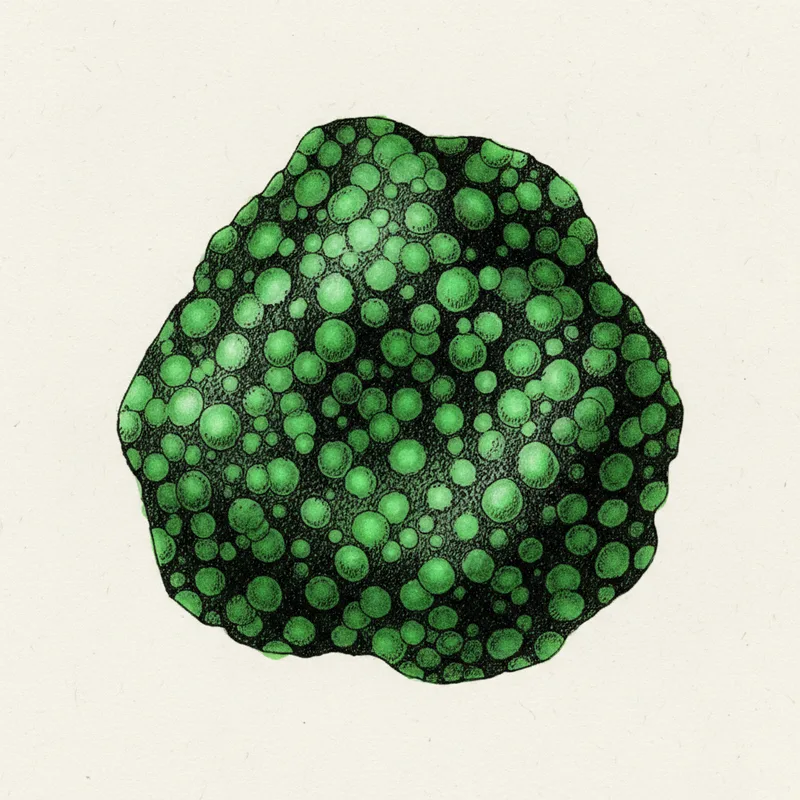
Nebula Stone
The Cosmic Pattern
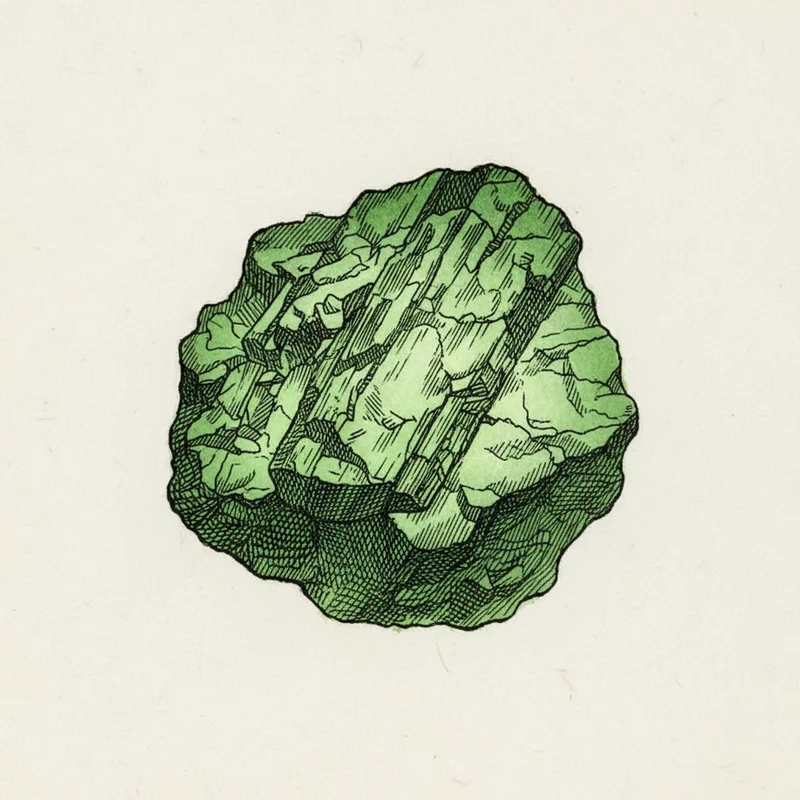
Nephrite
The Original Jade
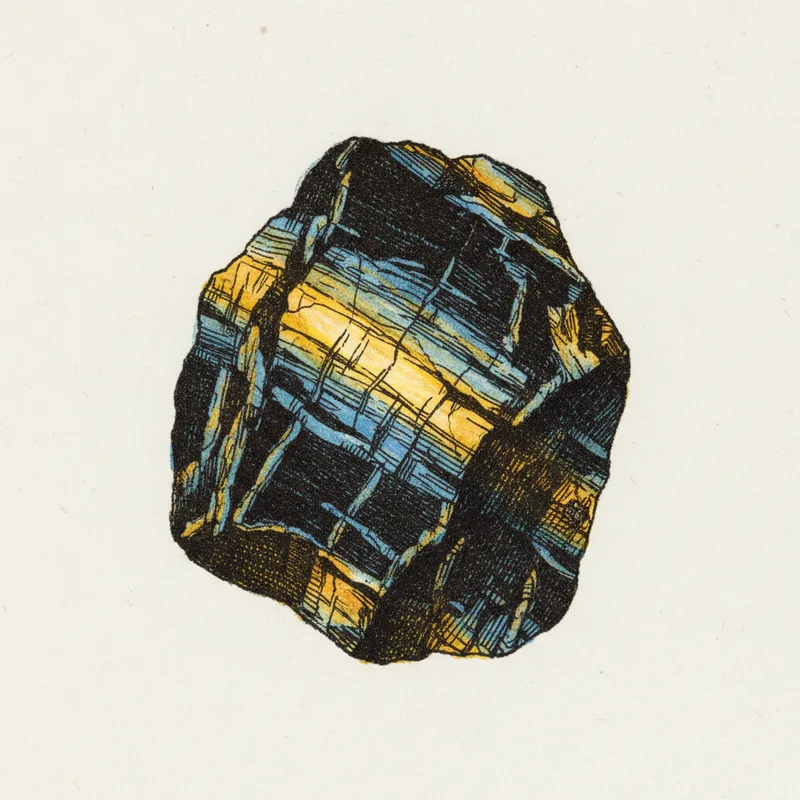
Nuummite
The Sorcerer's Stone
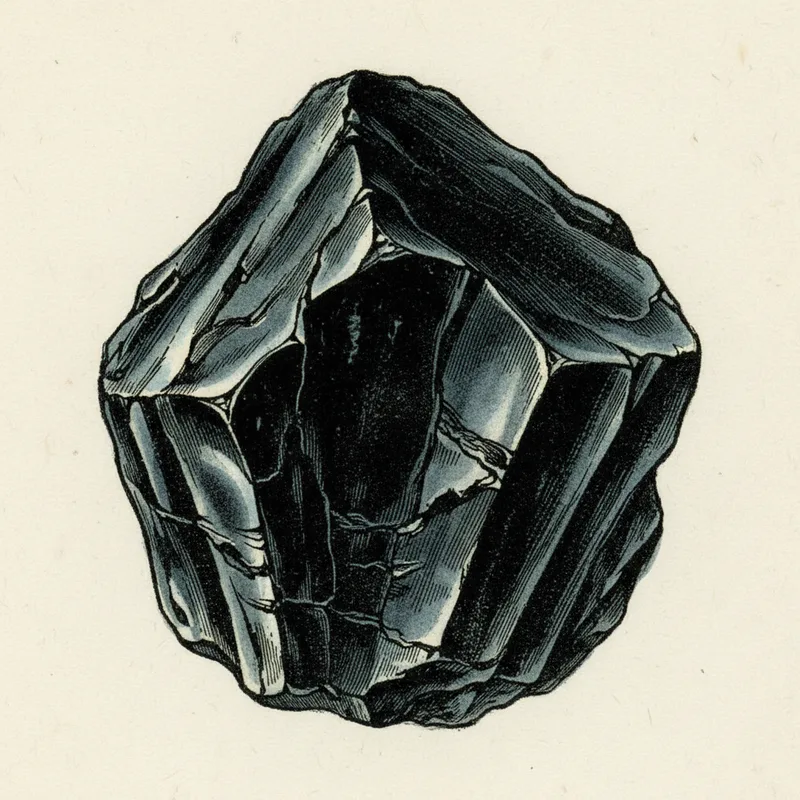
Obsidian
The Volcanic Glass

Oligoclase
The Sunstone Mother Mineral
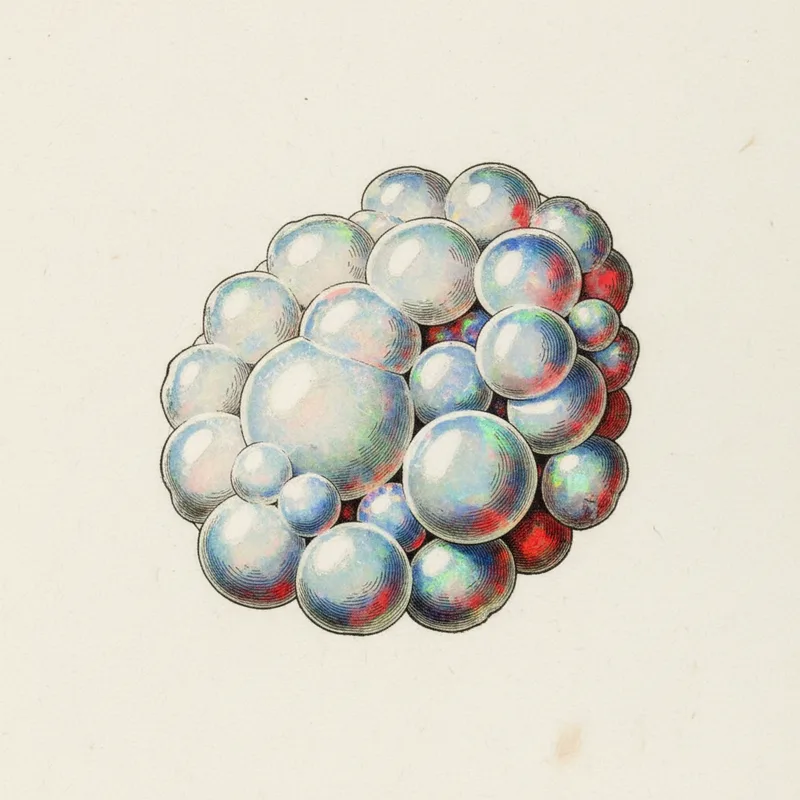
Opal
The Eye Stone
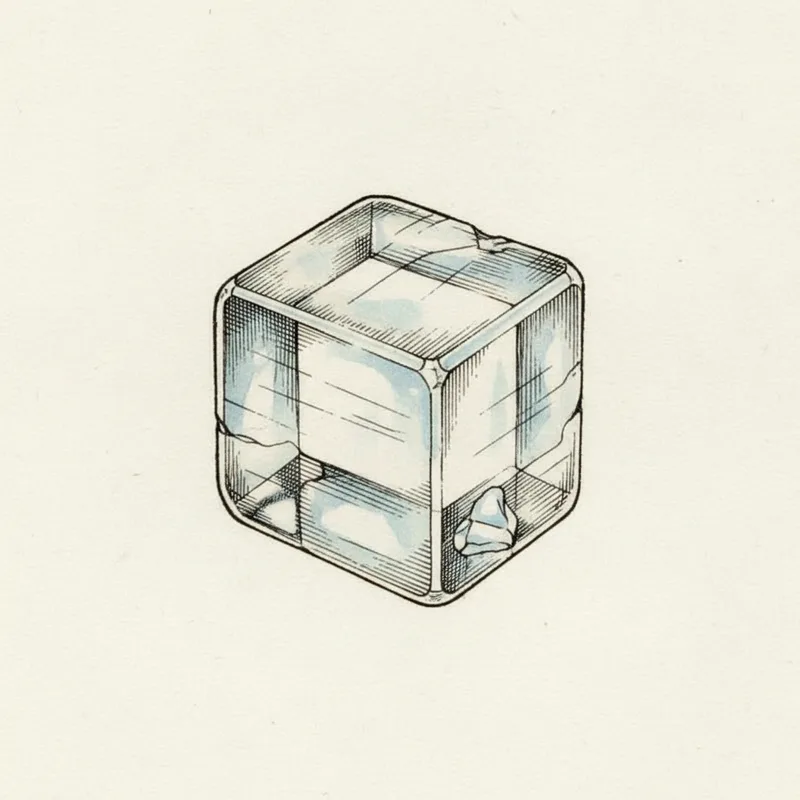
Optical Calcite
The Viking Sunstone
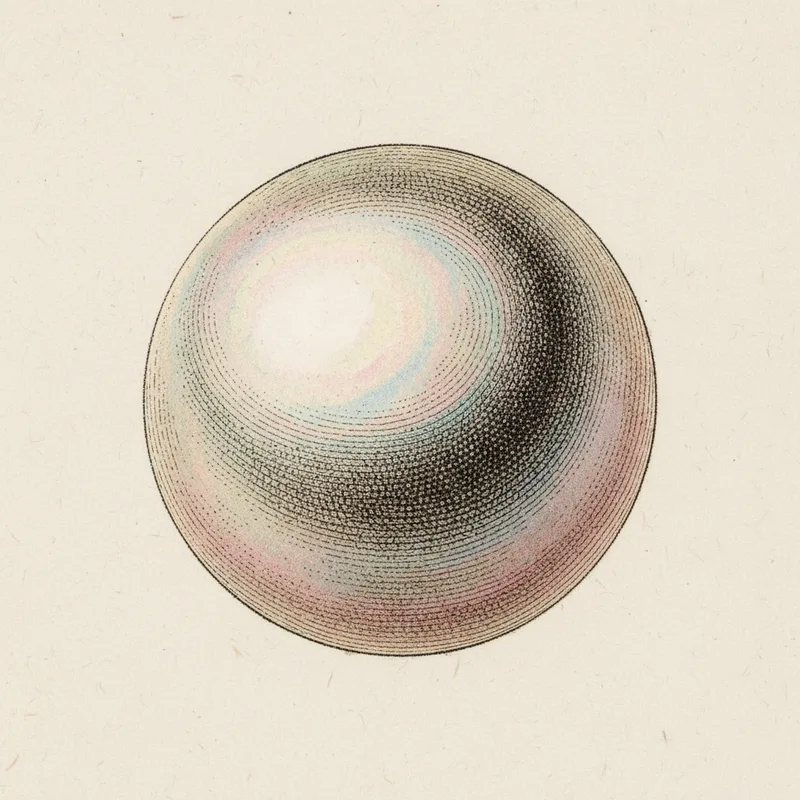
Pearl
The Gem of the Sea
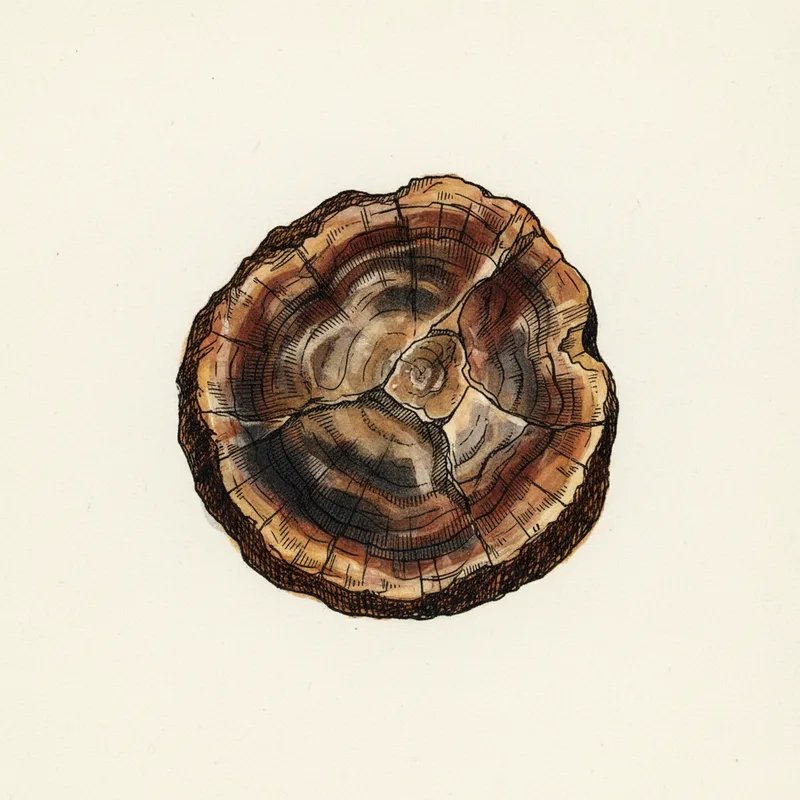
Petrified Wood
Time Written in Stone
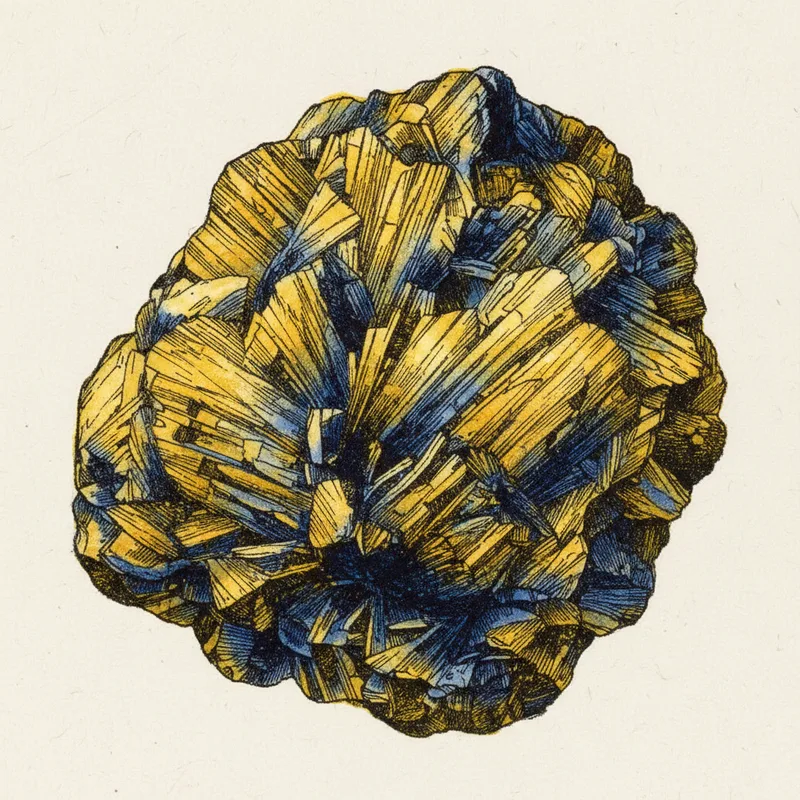
Pietersite
The Tempest Stone
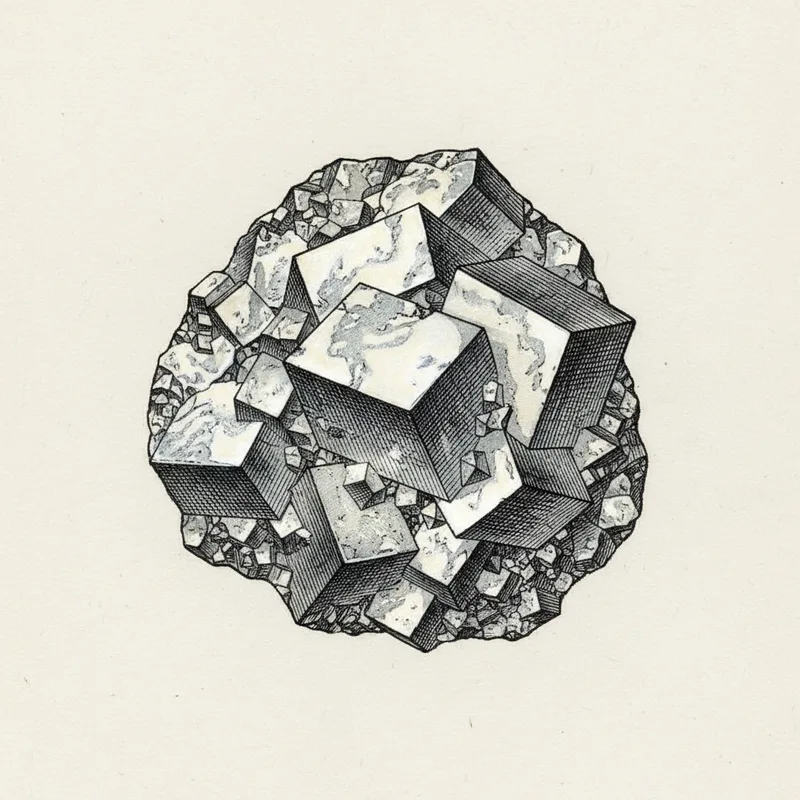
Platinum
The Noble Metal
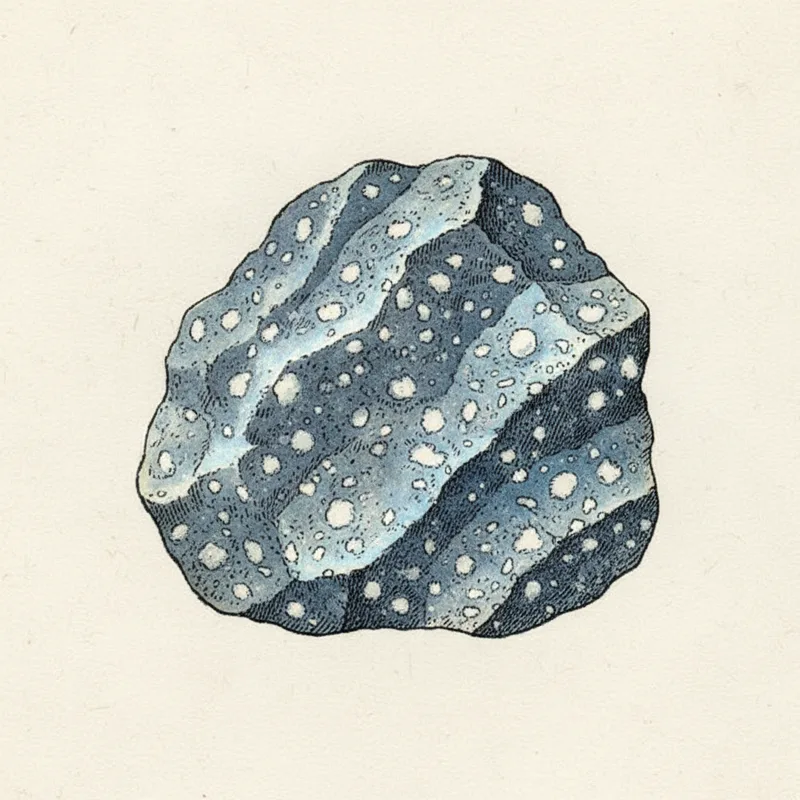
Preseli Bluestone
The Stonehenge Stone

Proustite
The Ruby Silver
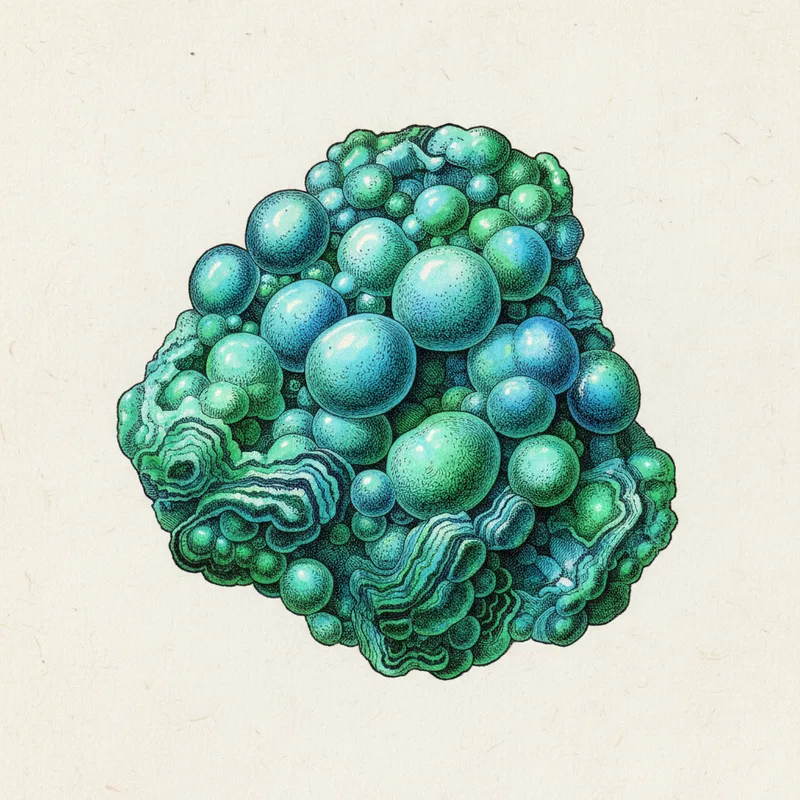
Quantum Quattro
Namibia's Four-Phase Copper Stone
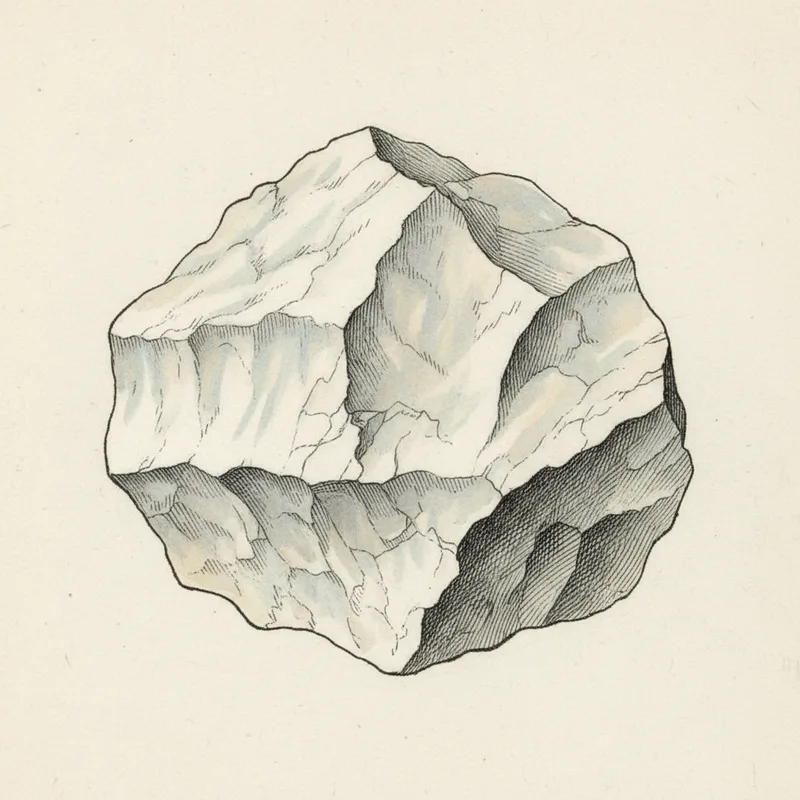
Quartzite
The Indestructible Sandstone
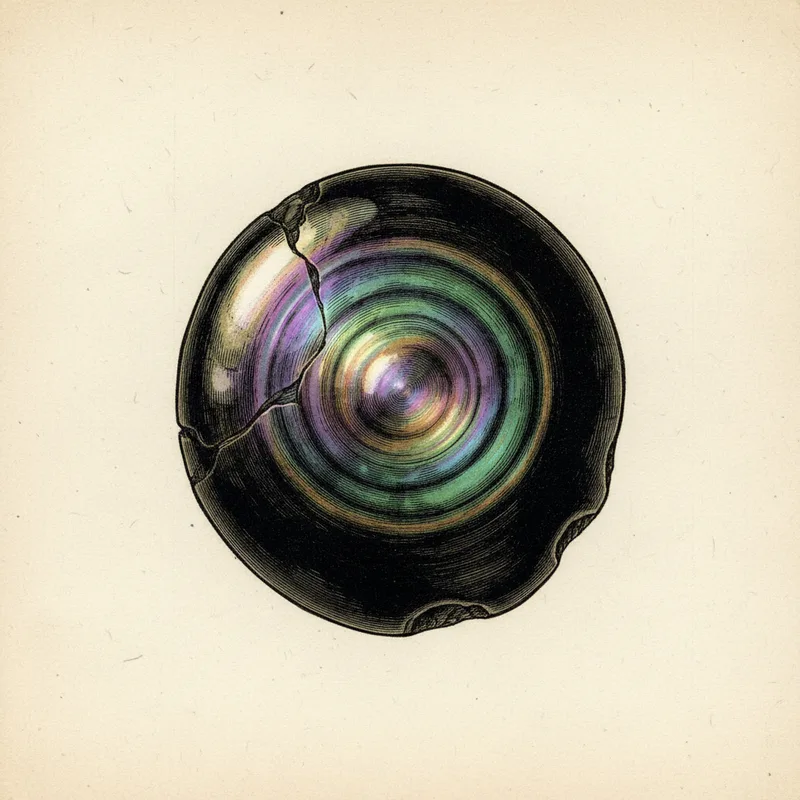
Rainbow Obsidian
The Stone of Light in Darkness
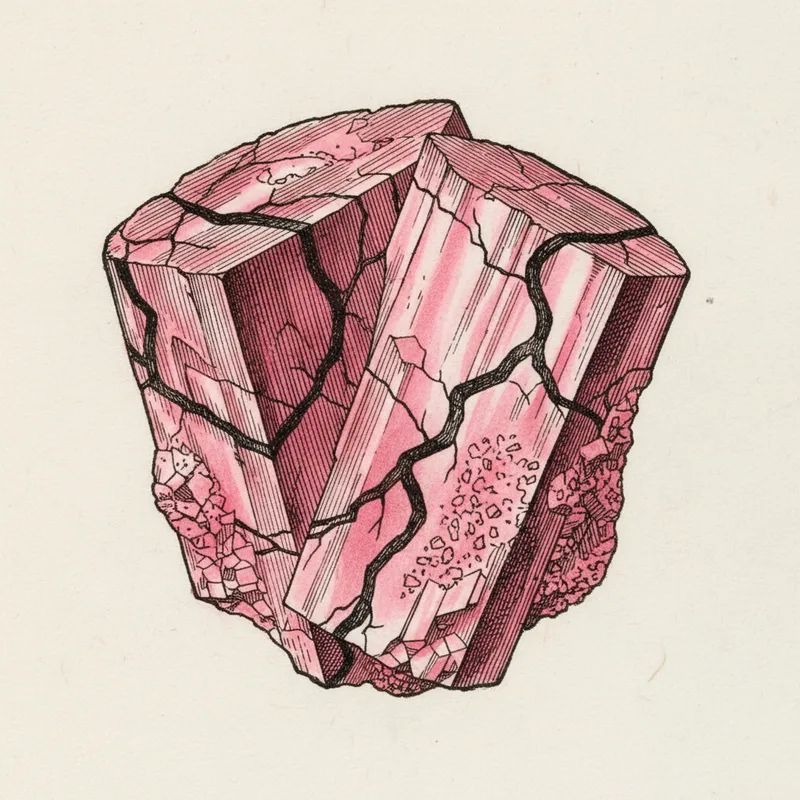
Rhodonite
The Rescue Stone
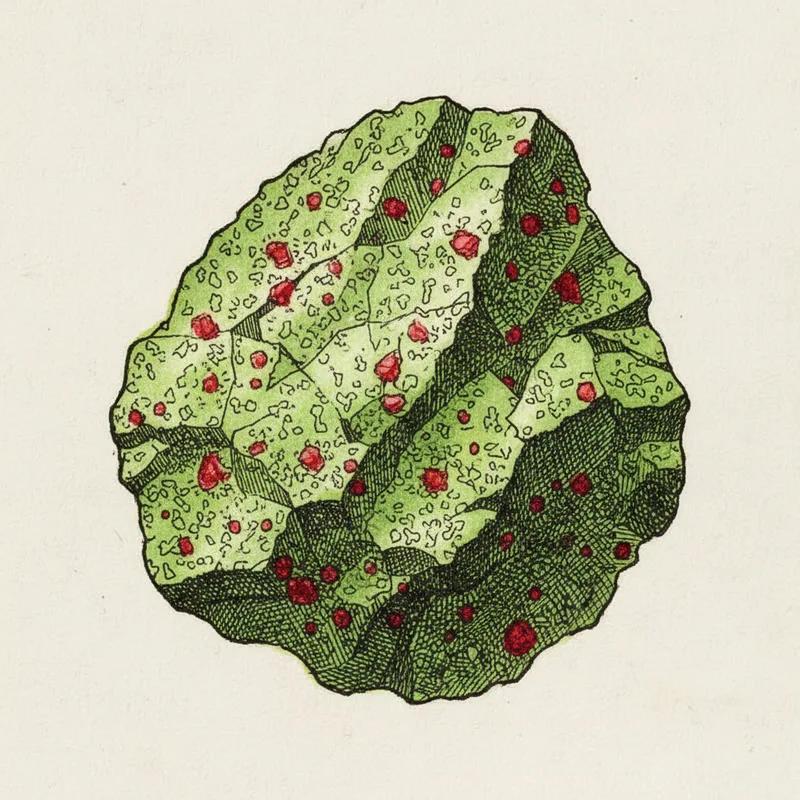
Ruby Zoisite
The Heart of Tanzania
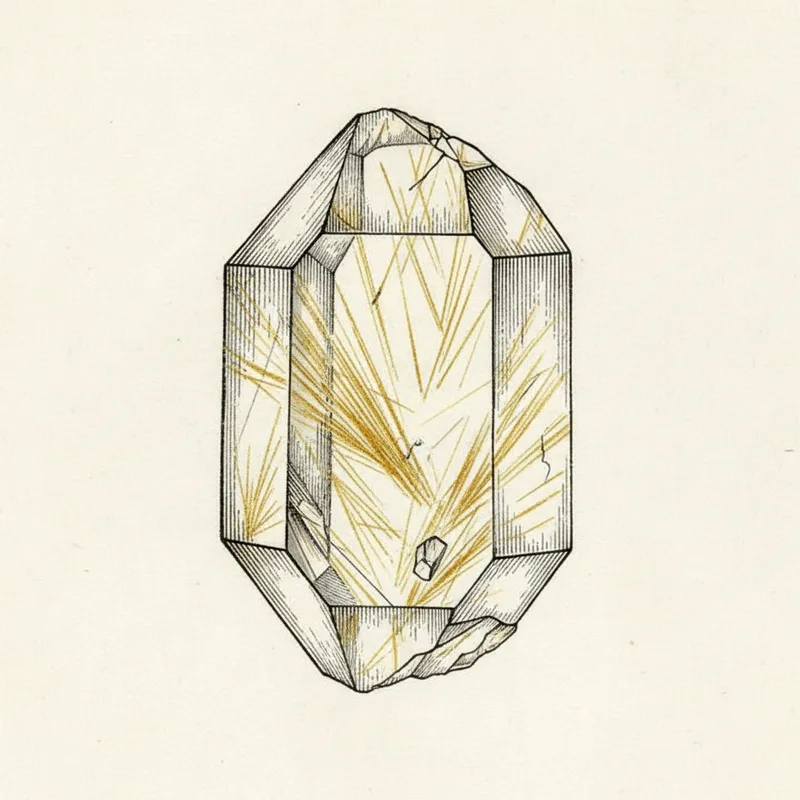
Rutilated Quartz
Venus Hair Stone
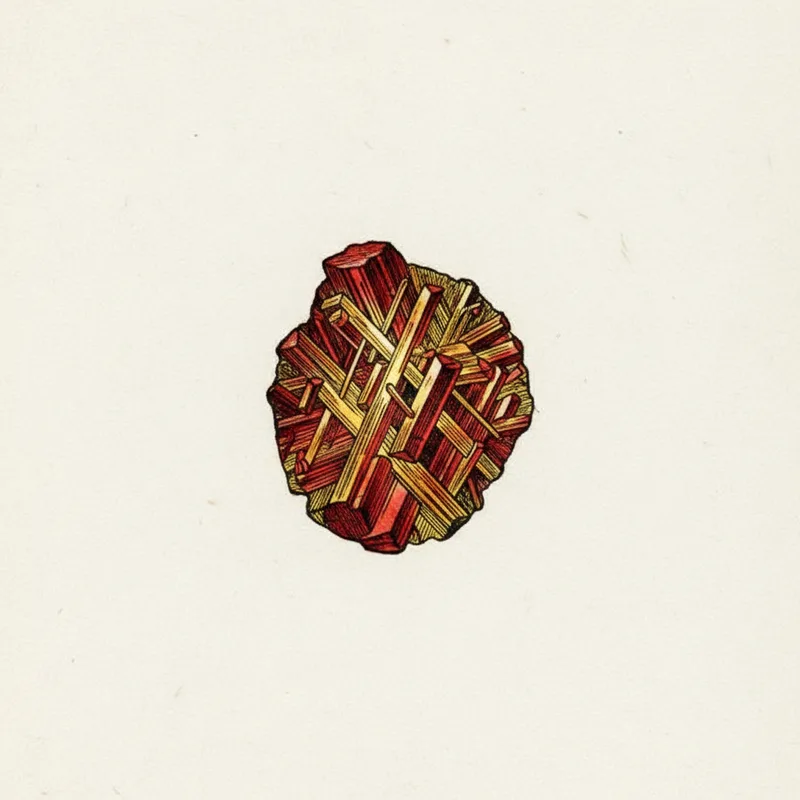
Rutile
The Titanium Needle
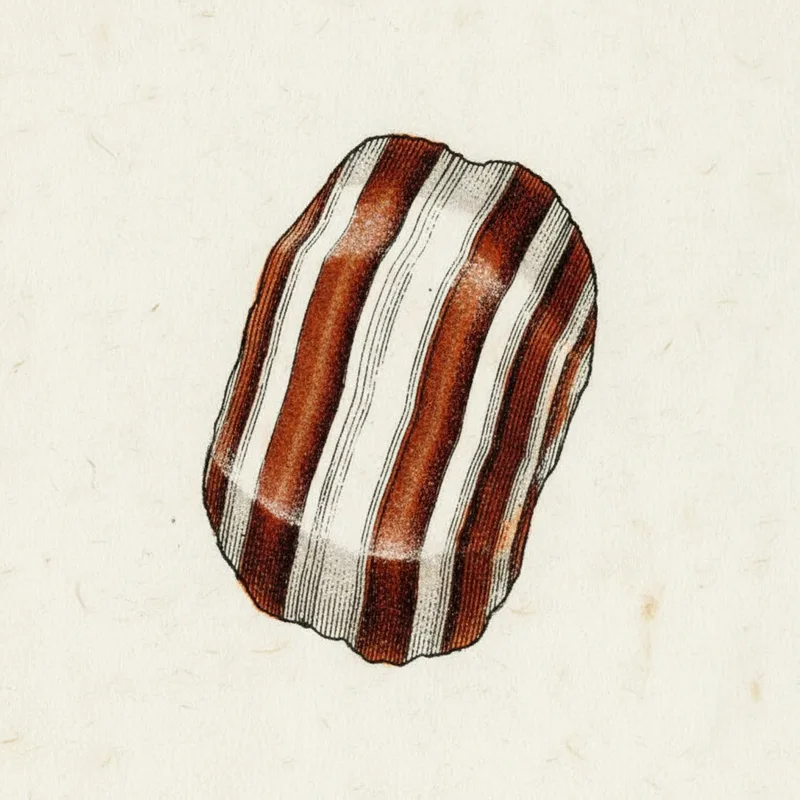
Sardonyx
The Legionnaire's Stone

Satin Spar
The Silken Glow

Schorl
The Iron-Black Tourmaline
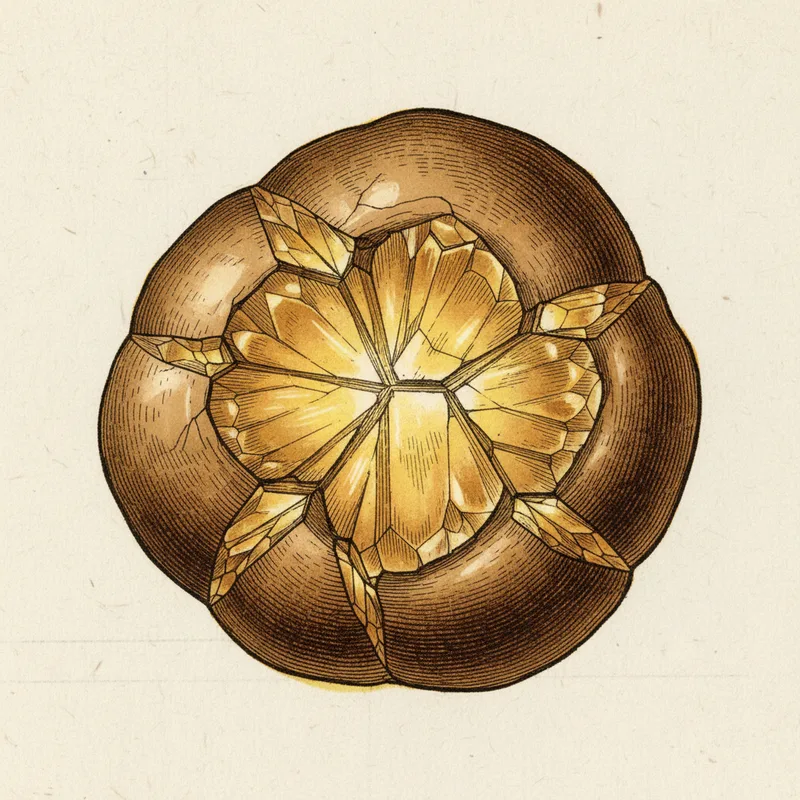
Septarian
The Dragon Stone
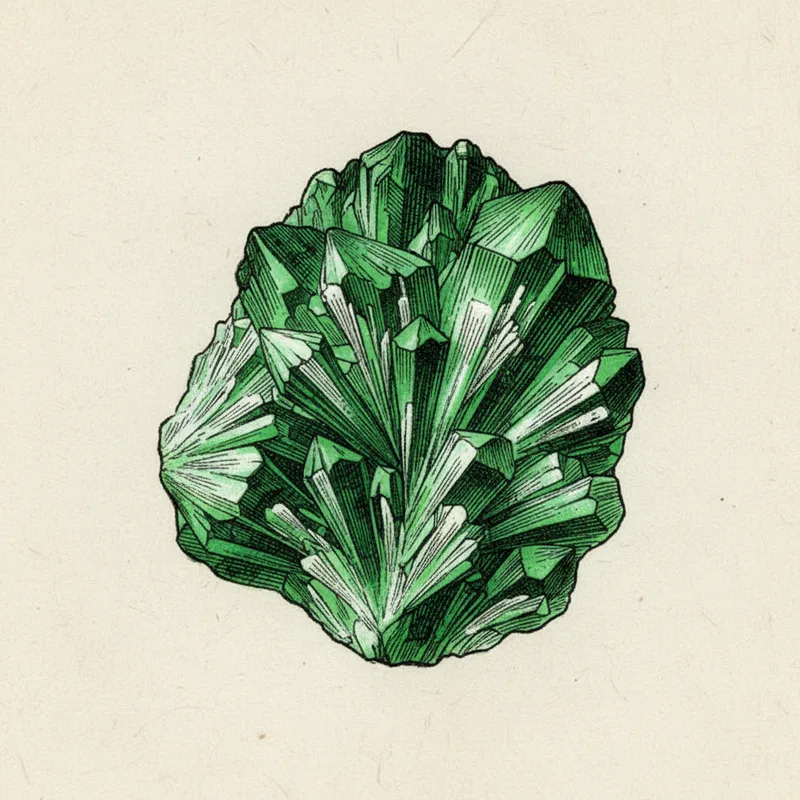
Seraphinite
The Angel Stone
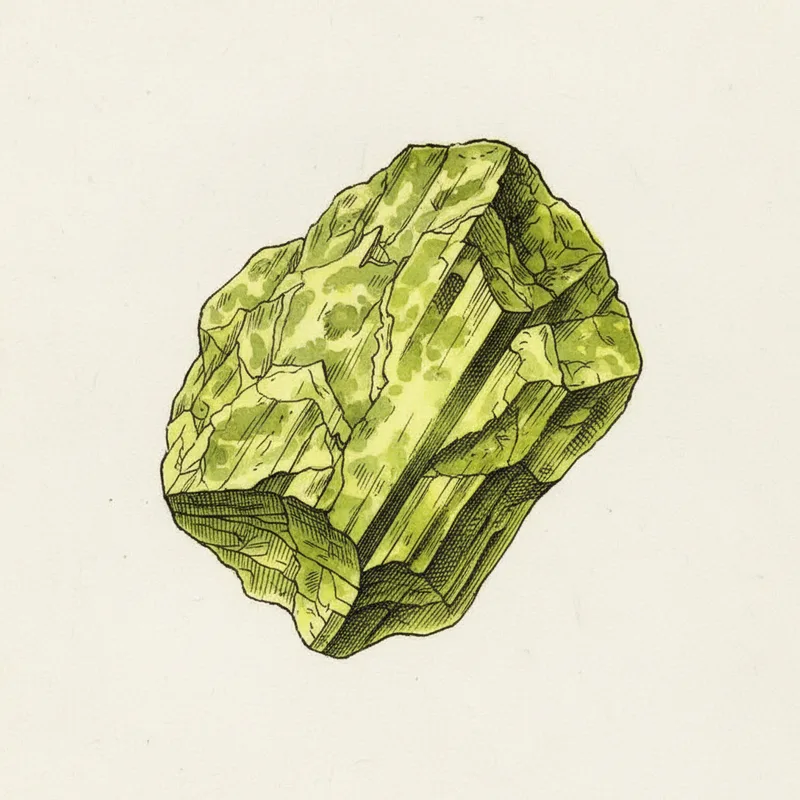
Serpentine
The Serpent Stone
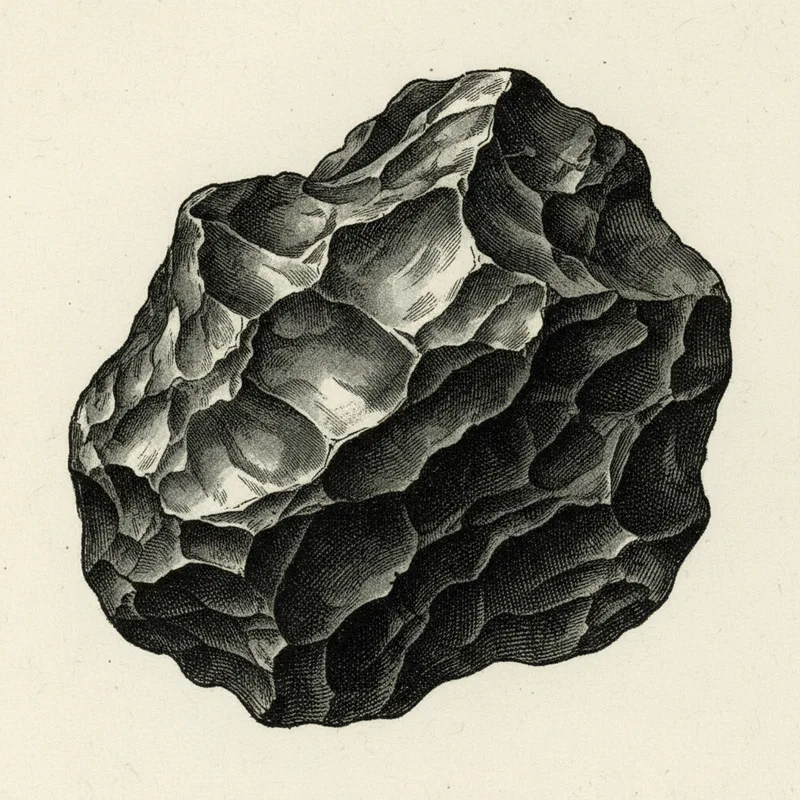
Shungite
The Carbon Shield
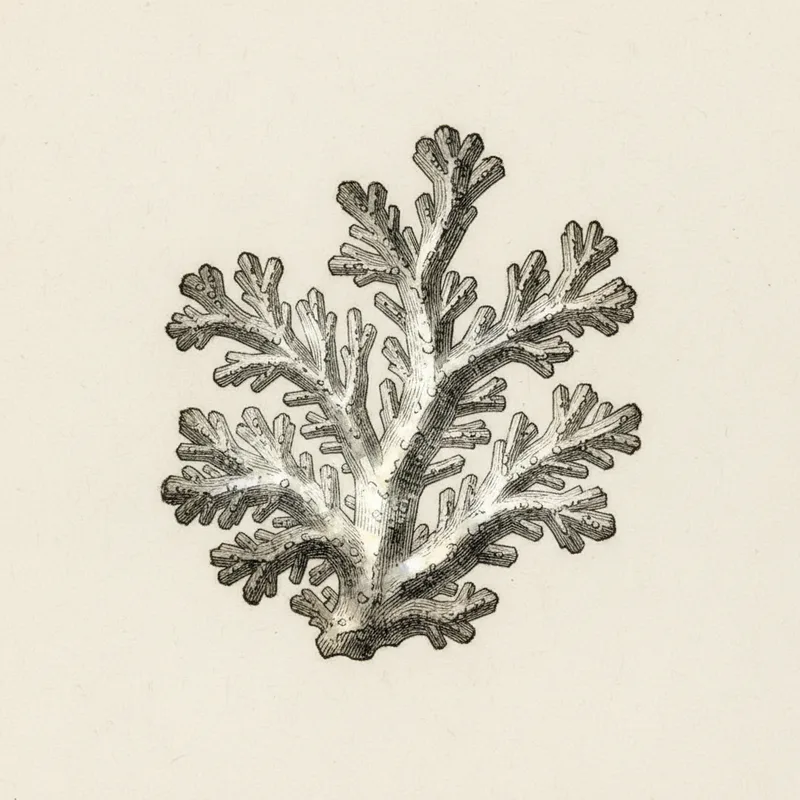
Silver
The Moon Metal
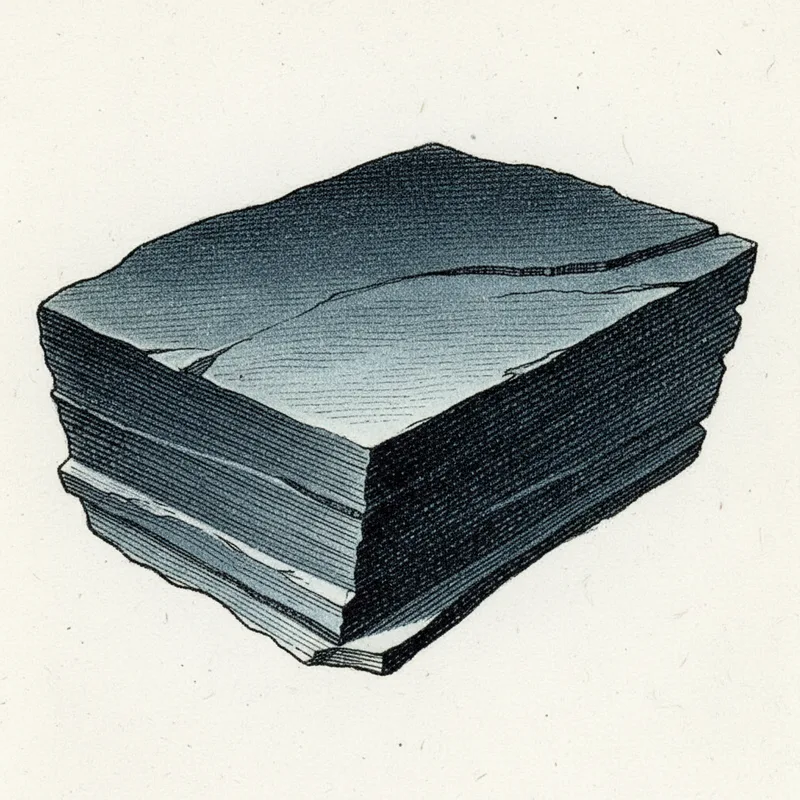
Slate
The Splitting Stone
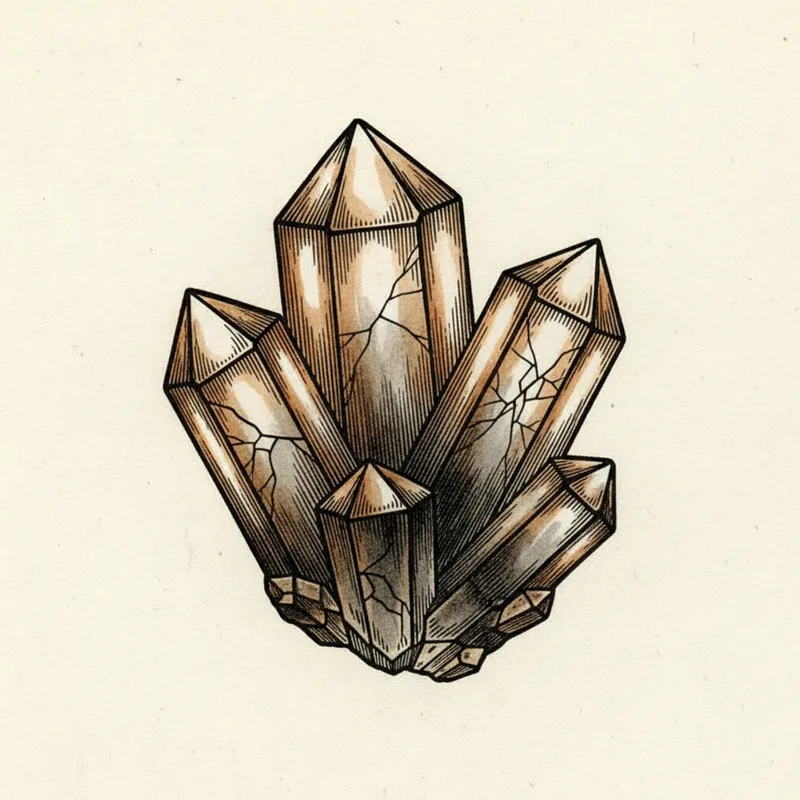
Smoky Quartz
The Grounding Stone
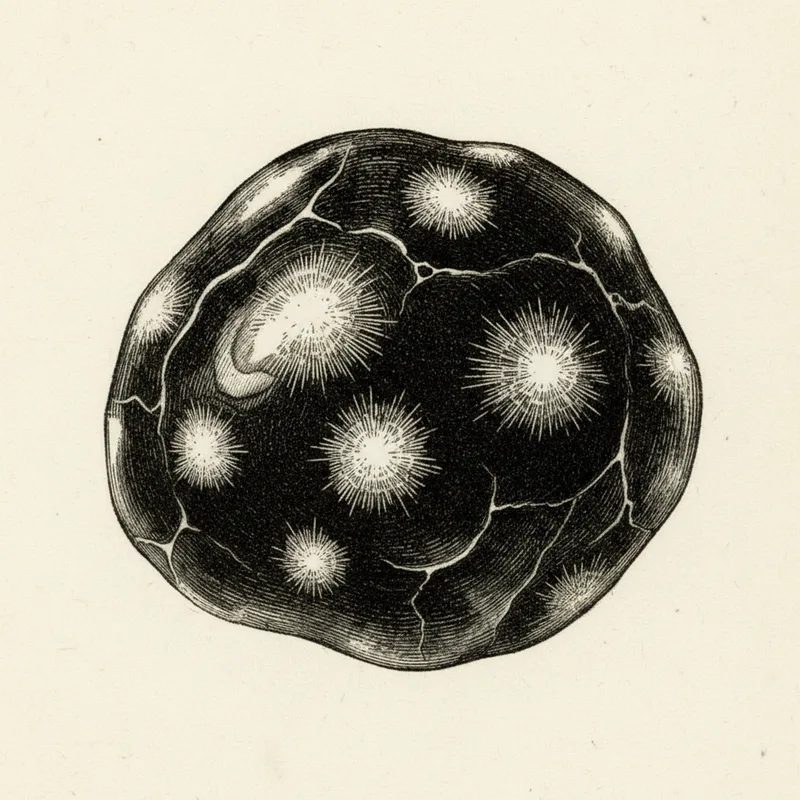
Snowflake Obsidian
The Stone of Balance
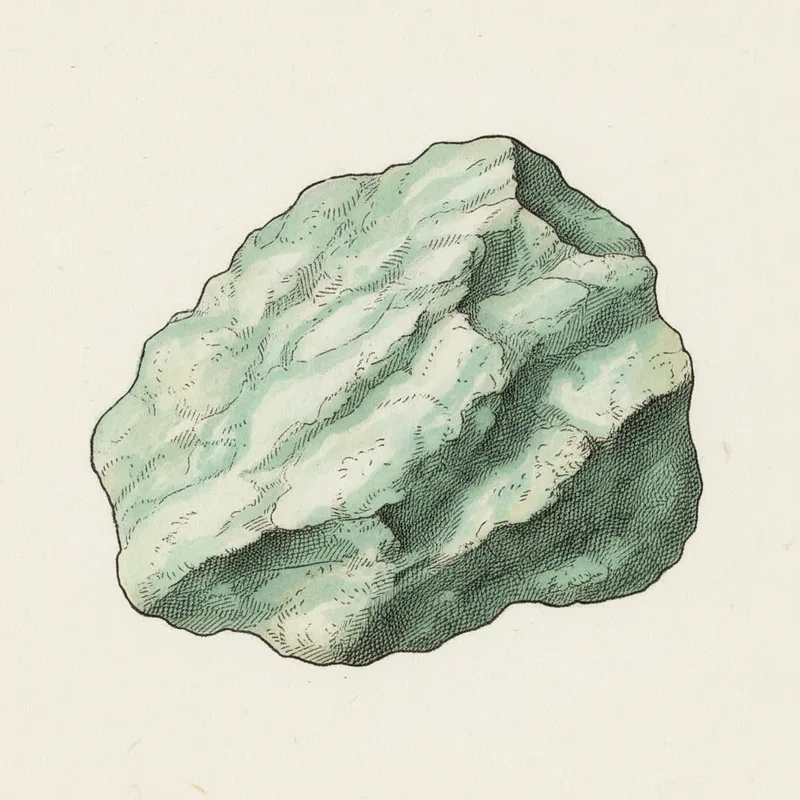
Soapstone
The Carver's Stone
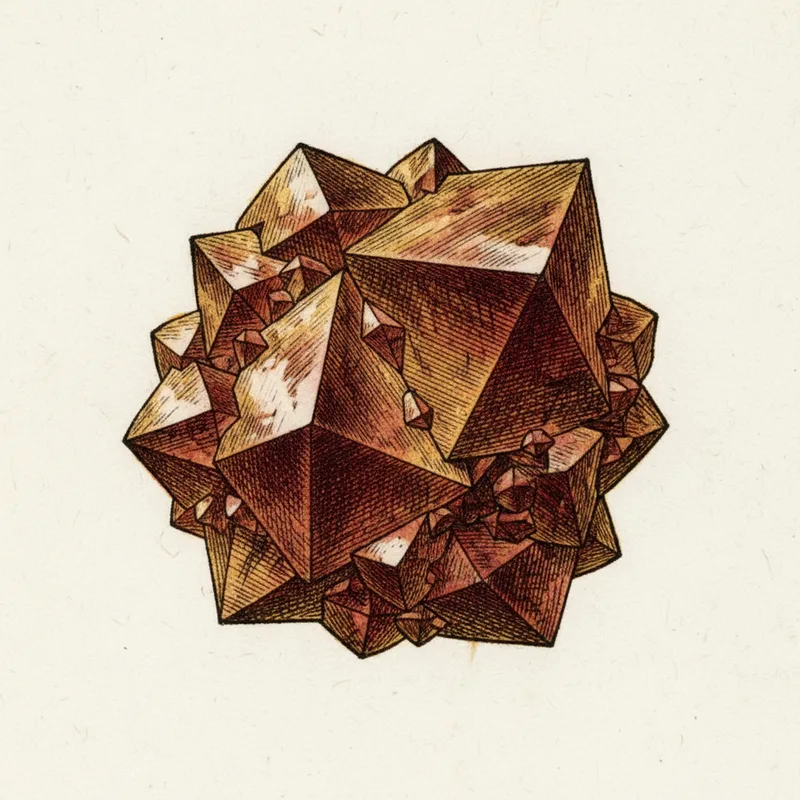
Sphalerite
The Fire Diamond
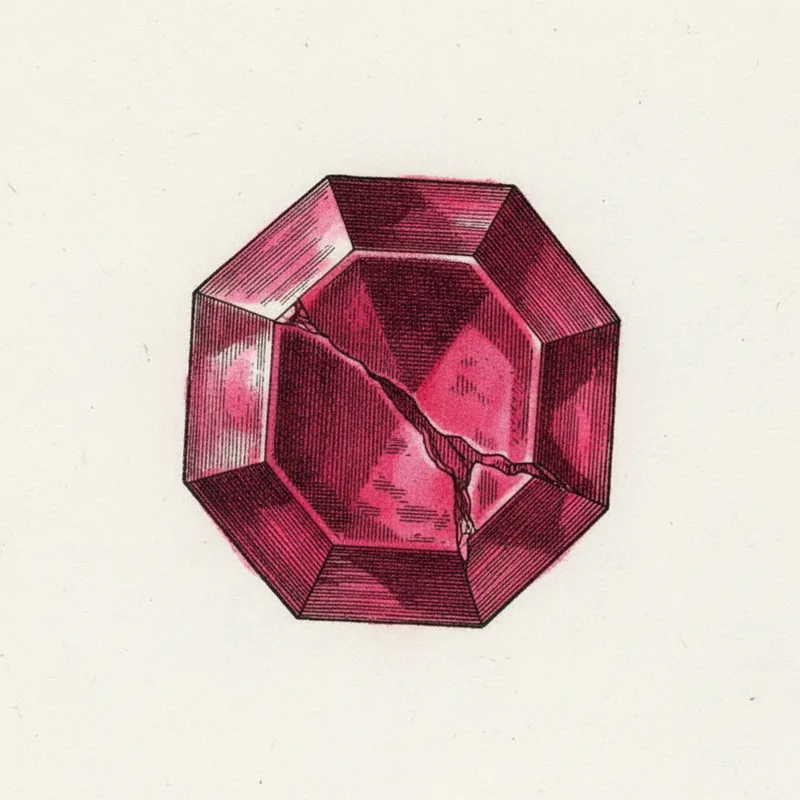
Spinel
The Great Impostor

Spodumene
The Lithium Giant

Star Sapphire
The Celestial Star Stone
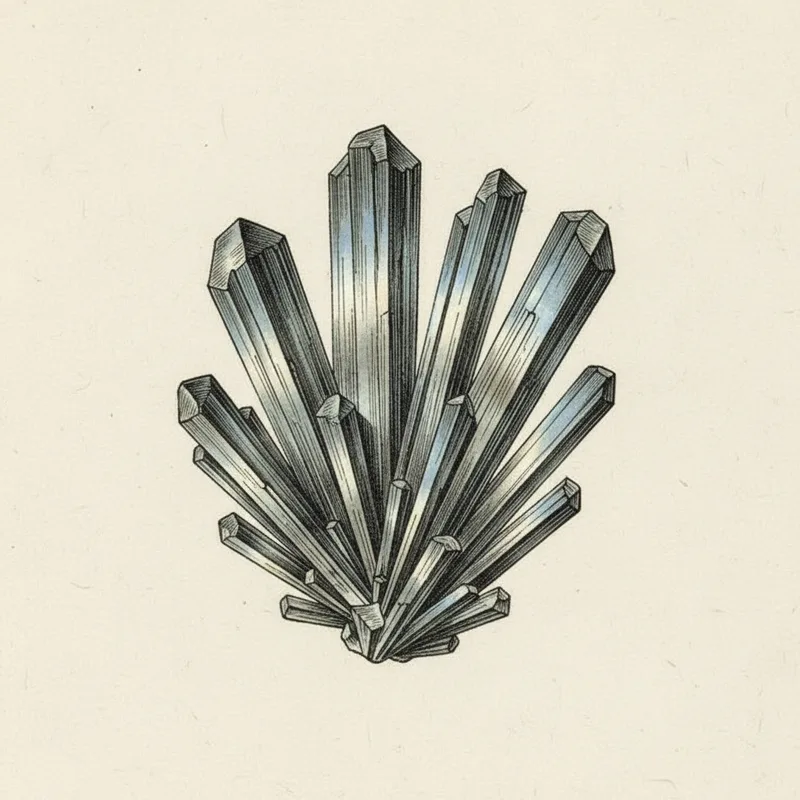
Stibnite
The Sword of Shadows
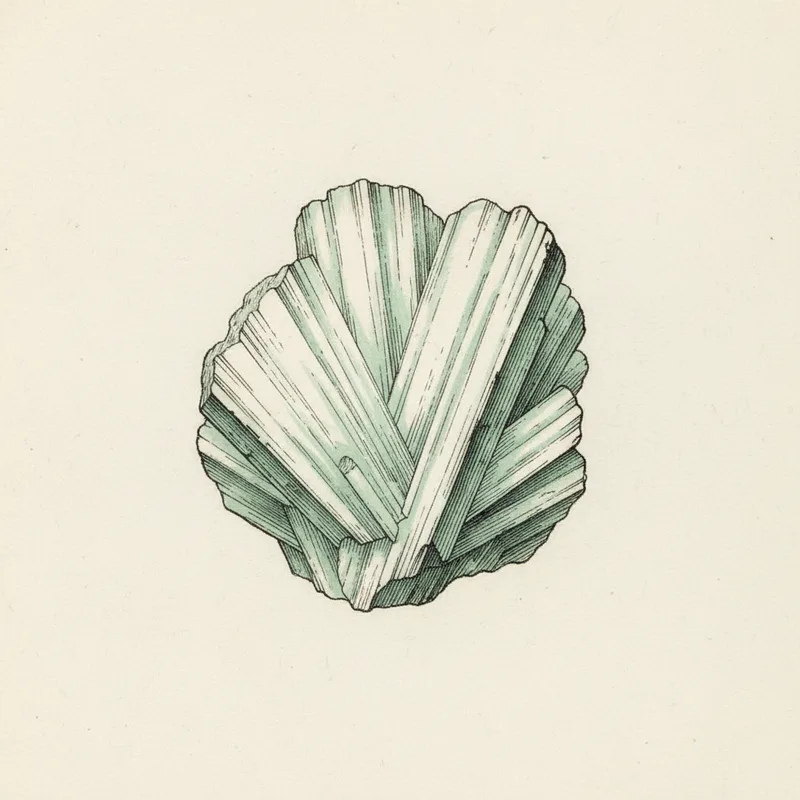
Talc
The Softest Mineral
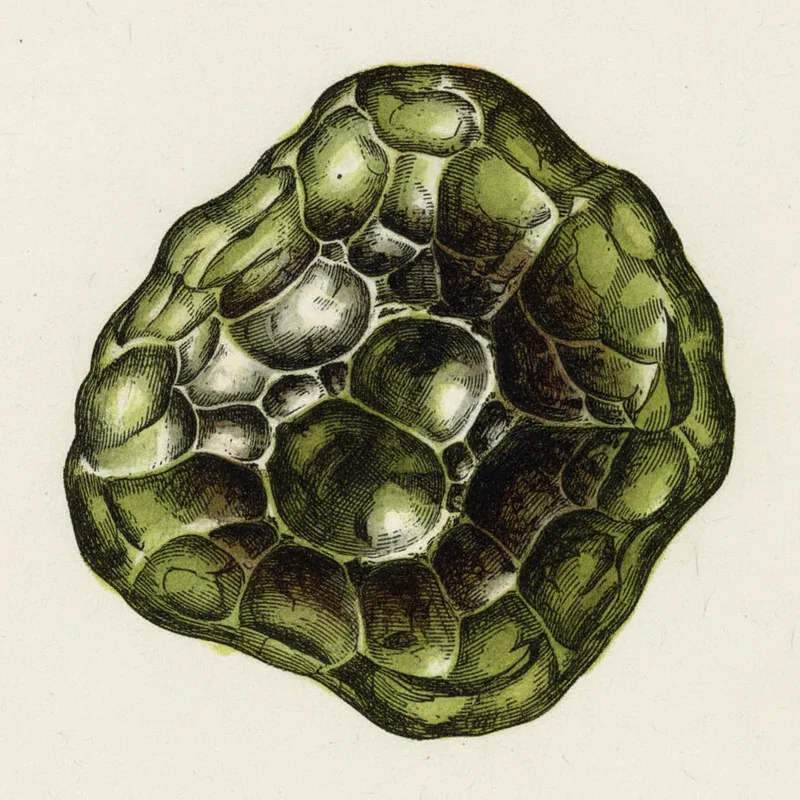
Tektite
Meteorite Impact Glass
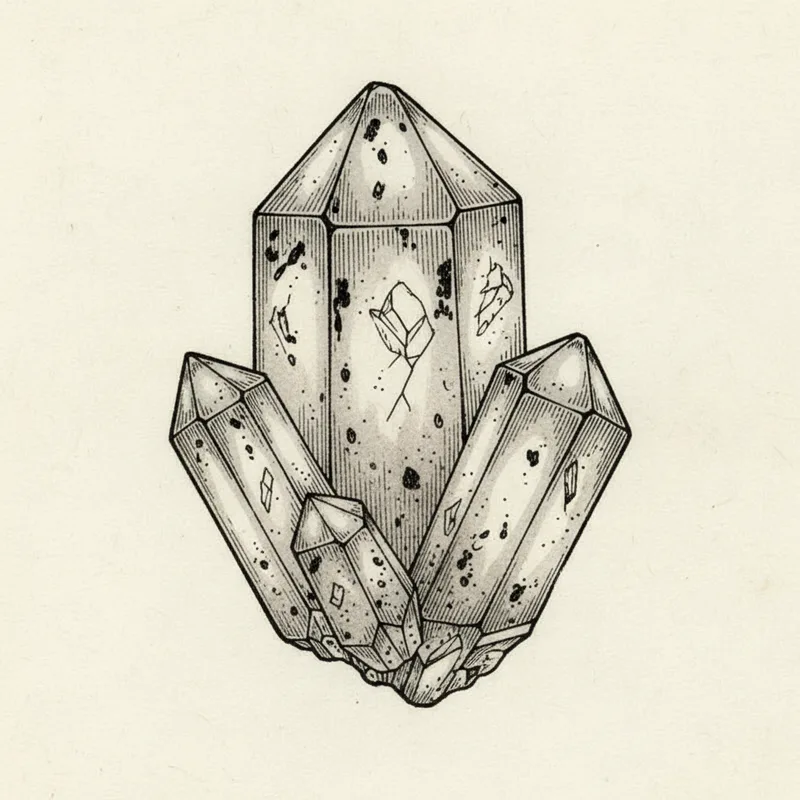
Tibetan Quartz
The Roof of the World Crystal
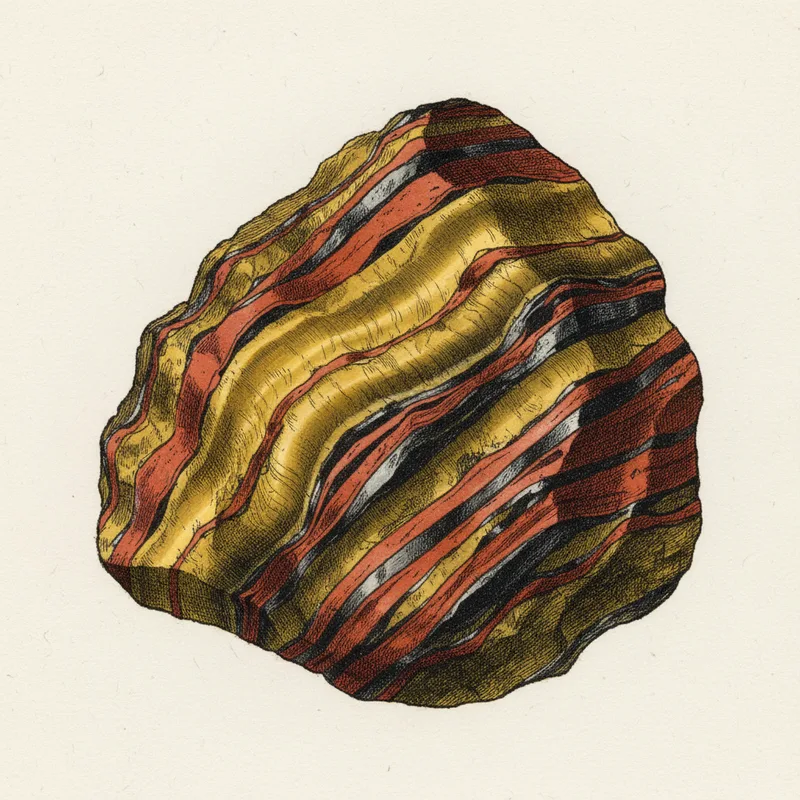
Tiger Iron
The Banded Triad
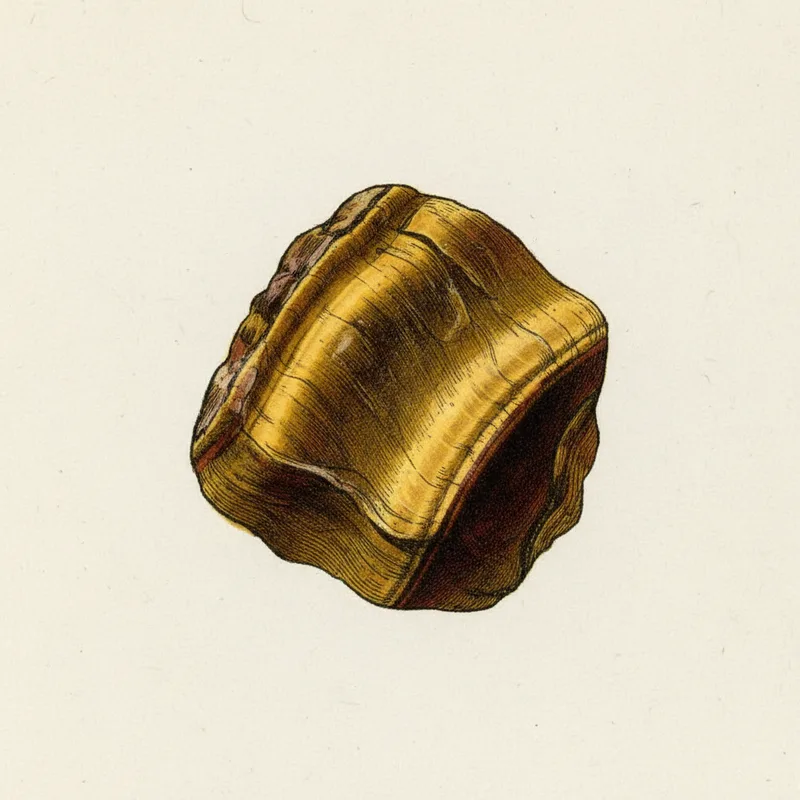
Tiger's Eye
The Stone of Courage
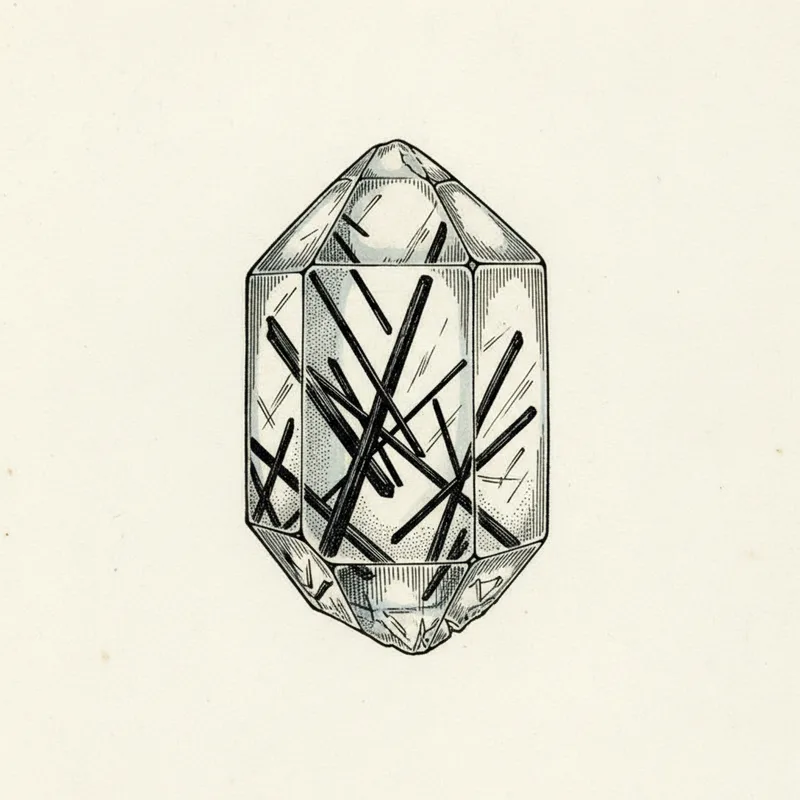
Tourmalinated Quartz
The Balanced Stone
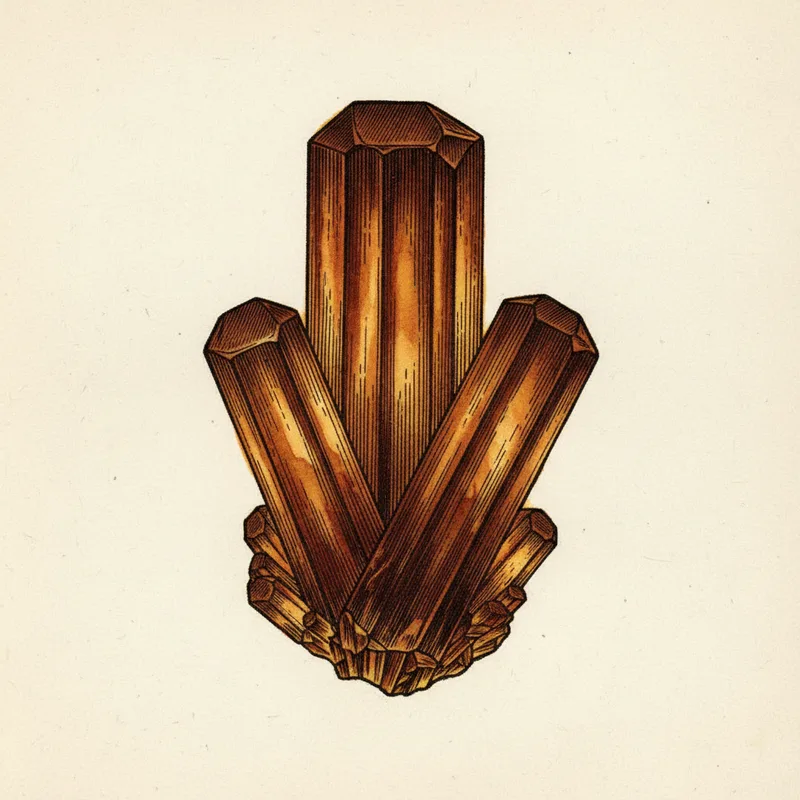
Tourmaline
The Rainbow Stone

Tremolite
The Jade Builder
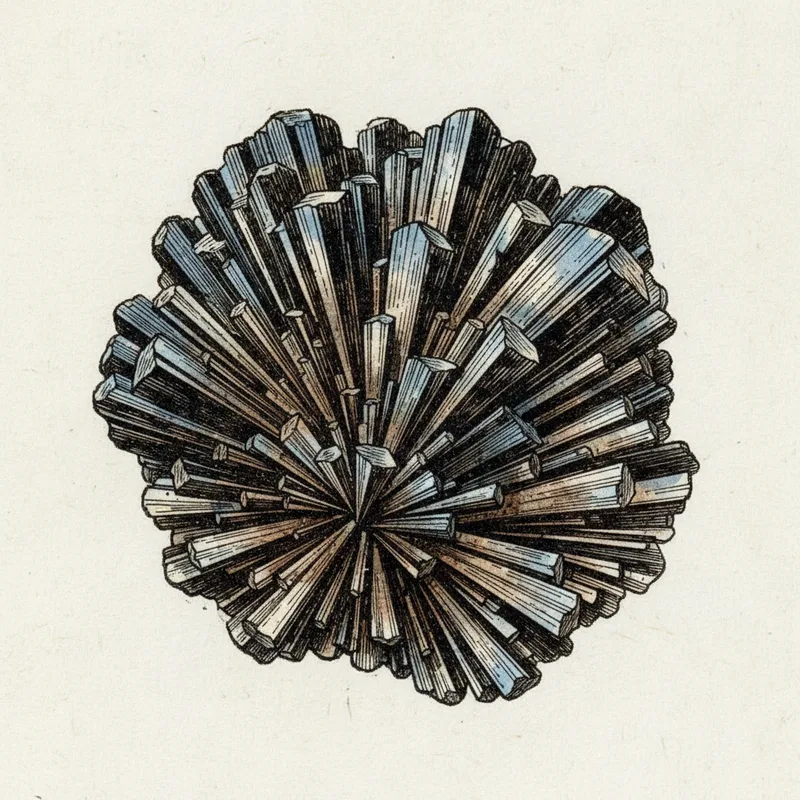
Wolframite
The Tungsten Ore

Wollastonite
The Contact Metamorphic Marker

Yooperlite
The Glowing Stones of Lake Superior

Zoisite
The Tanzanite Parent Mineral