Jade vs Aventurine: Spotting the True Green Stone
Key Takeaway: Aventurine is often sold as a cheaper jade alternative, but these two minerals are formed in entirely different ways and have distinct visual textures. If the green stone sparkles, it is aventurine, not jade.
Jade refers to two incredibly tough metamorphic minerals, nephrite and jadeite, known for their smooth, soapy luster. Aventurine is a variety of quartz characterized by shimmering, microscopic inclusions of mica or fuchsite. If the green stone sparkles when you turn it in the light, it is aventurine, not jade.
At a Glance
| Feature | Jade (Jadeite & Nephrite) | Aventurine |
|---|---|---|
| Hardness | 6 to 7 | 7 |
| Chemical Formula | NaAlSi₂O₆ or Ca₂(Mg,Fe)₅Si₈O₂₂(OH)₂ | SiO₂ (with inclusions) |
| Crystal System | Monoclinic (microcrystalline) | Trigonal |
| Color Range | Green, white, lavender, yellow, black | Mostly green, but also blue, red, and orange |
| Price Range | $5 to millions (for Imperial Jade) | $1 to $10 per carat |
| Best For | Carvings, bangles, durable everyday rings | Beaded jewelry, tumbled stones, budget cabochons |
How They Form
The term "jade" actually covers two distinct minerals. Nephrite is an amphibole silicate, while jadeite is a pyroxene silicate. Both are born from immense pressure and heat deep within subduction zones where tectonic plates crash together. They form as tightly interlocking, fibrous crystals. This microscopic felt-like structure makes jade incredibly tough. While a diamond can easily scratch jade, you can smash jade with a hammer and it might not break, giving it a higher "toughness" rating than diamond.
Aventurine is a completely different geological beast. It is a form of quartzite, a rock composed primarily of interlocking quartz grains. The signature green color of aventurine does not come from the quartz itself, but from tiny, plate-like inclusions of a chromium-rich mica called fuchsite that get trapped inside the quartz during its formation.
How to Tell Them Apart
The easiest way to tell them apart is to look for "aventurescence." Grab a strong flashlight and shine it directly onto the stone. If you see tiny, glittering metallic specks reflecting back at you, the stone is aventurine.
Jade will never sparkle like this. High-quality jade has a smooth, sometimes slightly translucent appearance with a luster that looks like polished wax or a pool of water. It feels exceptionally dense and cold to the touch. If you are at a market and see cheap, uniformly green stone bracelets labeled "New Jade" or "Indian Jade," you are almost certainly looking at aventurine or dyed serpentine.
Price & Value
The price gap between these two is staggering. Aventurine is an abundant and inexpensive stone. You can buy a large piece of rough aventurine or a fully carved figurine for under twenty dollars. It makes fantastic, affordable jewelry, but it holds no serious investment value.
Jade spans the widest price range of almost any gemstone. Commercial grade nephrite is quite affordable. However, "Imperial Jade" is a semi-transparent, vivid emerald-green jadeite from Myanmar that stands as one of the most expensive gemstones on Earth. High-quality jadeite bangles regularly sell for millions of dollars at auction.
Which Should You Choose?
If you want a pretty green stone for casual wear, crafting, or a fun statement piece without breaking the bank, aventurine is a wonderful choice. Its subtle sparkle is beautiful in its own right. If you want a stone with immense historical significance, unparalleled durability for an everyday ring, or if you are looking to invest in fine Asian art and jewelry, authentic jade is the way to go.
Crystals in This Article
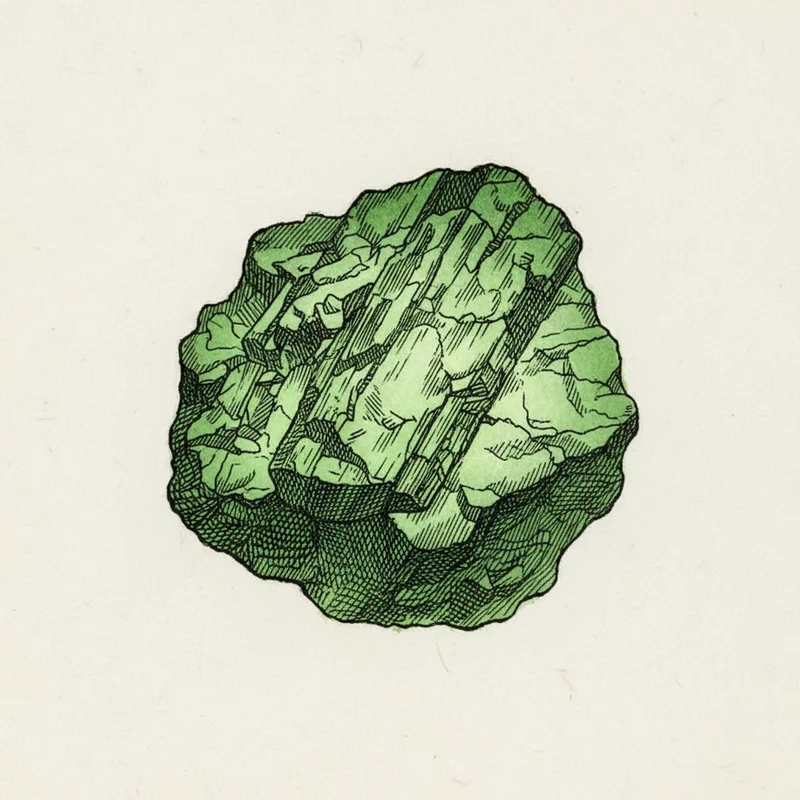
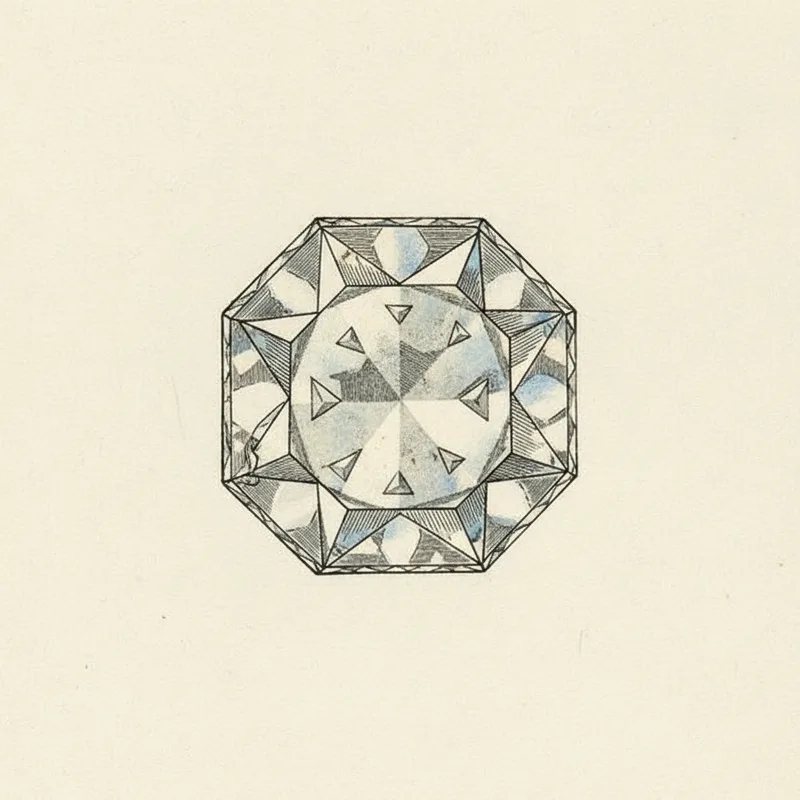
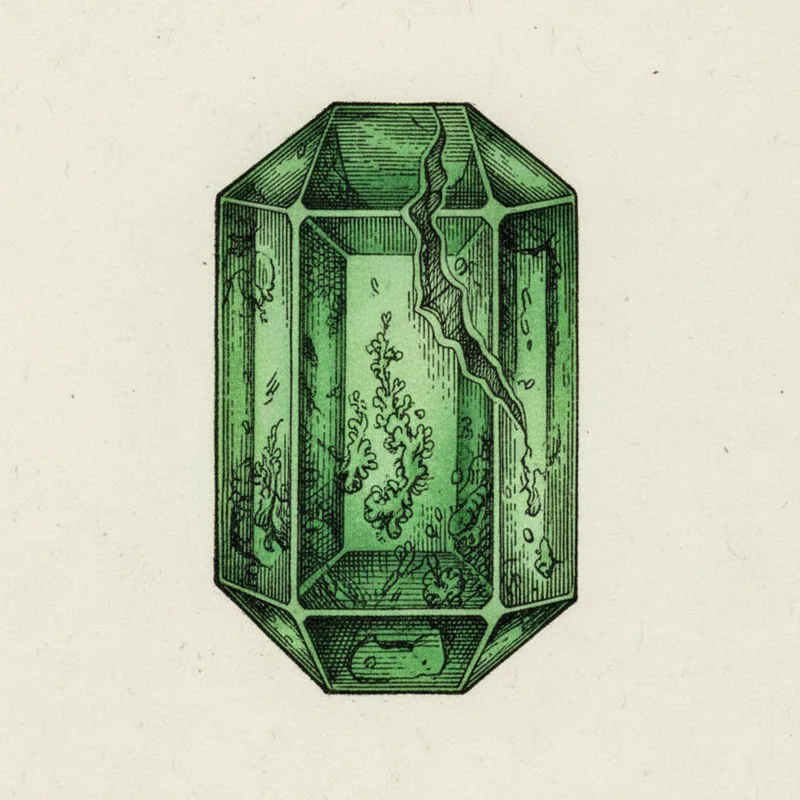
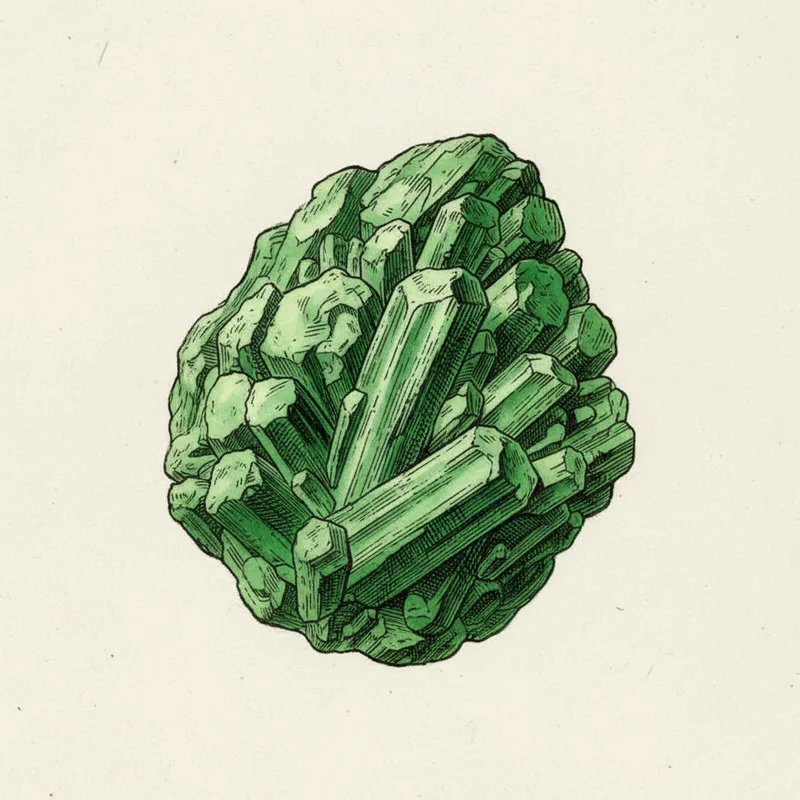
Keep Reading
Stay in the loop
From the Almanac
Updates from Crystal Almanac, when there’s something worth sharing.