Taurus Season Crystals: 6 Stones for Stability and Abundance
Key Takeaway: Taurus season runs April 20 through May 20. It is the sign of the bull, ruled by Venus, rooted in earth. The crystals that pair with it are the ones that feel substantial in your hand - heavy, warm, and rich in color. Rose quartz, green aventurine, malachite, pyrite, emerald, and black tourmaline are the six worth keeping on a desk or nightstand for the next month.
The sun sits in Taurus from April 20 to May 20. Astrologers describe the month as a long exhale after Aries season's sprint - a slowing down, a sinking into the body, a return to things you can actually touch. Taurus rules the second house of money and possessions, is the natural home of Venus, and is associated with the element of earth and the color green.
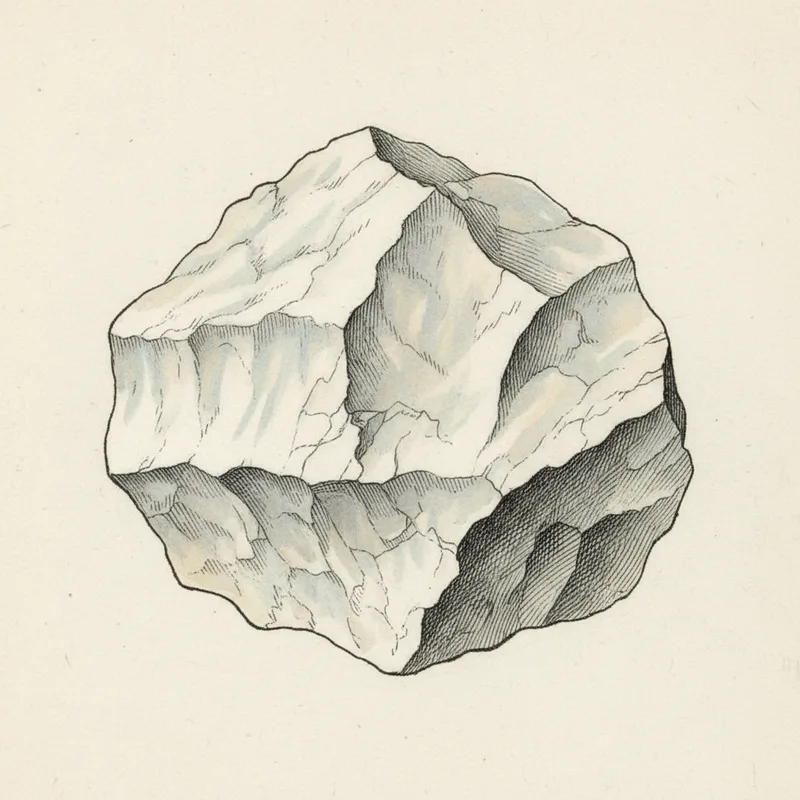
If you come at crystals from a geological angle, most of Taurus's traditional stones are the ones that formed under long, patient heat-and-pressure conditions. Green aventurine is a quartzite colored by fuchsite mica. Malachite is a secondary copper carbonate that grows in ring patterns over thousands of years in weathering zones above copper deposits. Pyrite crystallizes in perfect geometric cubes straight from a cubic crystal system. These are slow stones, which is a Taurus trait if there ever was one.
Below are six crystals that suit Taurus season, with a note on what each looks like, where it comes from, how tradition has used it, and what you should expect to pay. At the end of the post there is a simple three-stone ritual for the month.
1. Rose Quartz: Venus's Crystal
Taurus is ruled by Venus. Whatever your stance on astrology, that astronomical pairing goes back to Mesopotamian sky-watchers, and it has shaped the whole list of Venusian stones that later traditions grouped under the bull.
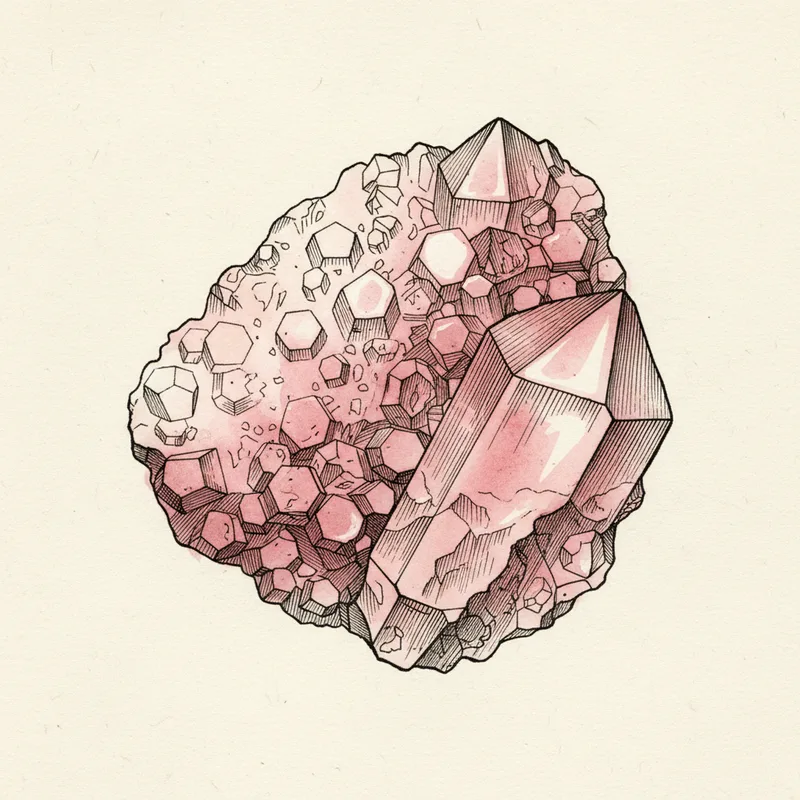
Rose quartz is the softest-looking of the Venus stones. Massive habit, cloudy pink, a gentle translucence when you hold it up to light. The pink color comes from dense networks of microscopic fibers, probably a dumortierite-like mineral, grown inside the quartz lattice. Because of those fibers, rose quartz almost never forms clean crystal points. What you buy will be a carved shape, a sphere, or a rough chunk broken off a larger mass.
Traditional associations: Unconditional love, self-worth, emotional repair. Rose quartz is the stone people reach for after a breakup or during a hard season of self-criticism. It is not a romance crystal so much as a self-relationship crystal.
How to use in Taurus season: Taurus's shadow is stubbornness that edges into self-rejection when things do not go to plan. Rose quartz pairs with the self-worth work that often comes up during this month. Keep a palm-sized piece on the bathroom counter or by the mirror where you get ready in the morning. If you journal, a small tumbled rose quartz in your hand while you write is a nice tactile anchor.
Price range: $5-15 for a tumbled stone or palm stone. $20-60 for a well-shaped sphere or heart. Madagascar star rose quartz (which shows a six-rayed asterism under a single light source) runs $40-150 and is the collector's pick.
2. Green Aventurine: Abundance and Opportunity
If rose quartz is Venus in her softer mood, aventurine is the Venus of the green garden. Green is the Taurus color. Abundance is the Taurus theme. Aventurine pairs with both.
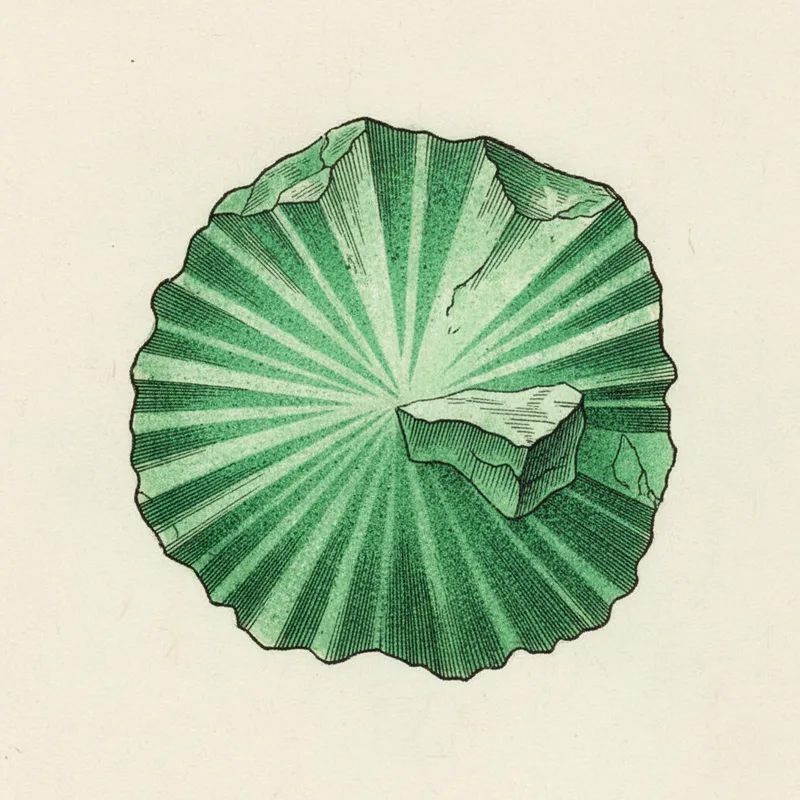
Aventurine is technically quartzite, a metamorphic rock dominated by quartz but with additional minerals that give it color and shimmer. The classic green variety owes its color to fuchsite, a chromium-rich mica, which also produces the "aventurescence" - the soft sparkle you see when you tilt a polished piece in the light. Most commercial aventurine comes from India, with additional production from Brazil and Russia.
Traditional associations: Opportunity, luck, abundance. In contemporary crystal circles it is often called "the stone of opportunity," and the story goes that it attracts the kind of luck you still have to reach for. Practical abundance, not lottery abundance.
How to use in Taurus season: Tuck a small tumbled aventurine into a wallet, a pocket, or the drawer where you handle household finances. Taurus season is a decent window for practical money conversations - renegotiating rent, reviewing subscriptions, looking at what is actually producing income. A small stone at hand during a difficult email helps some people stay present.
Price range: $3-10 for a tumbled stone. $10-30 for a palm stone or sphere. Aventurine is one of the more affordable green crystals, which is part of why it has become so widespread.
3. Malachite: Transformation and Earth Energy
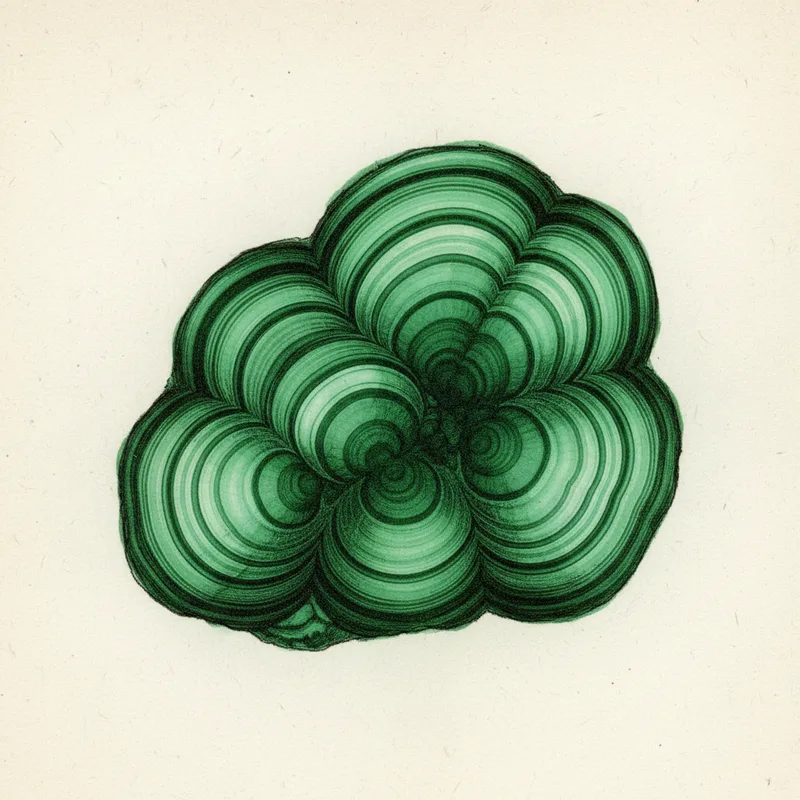
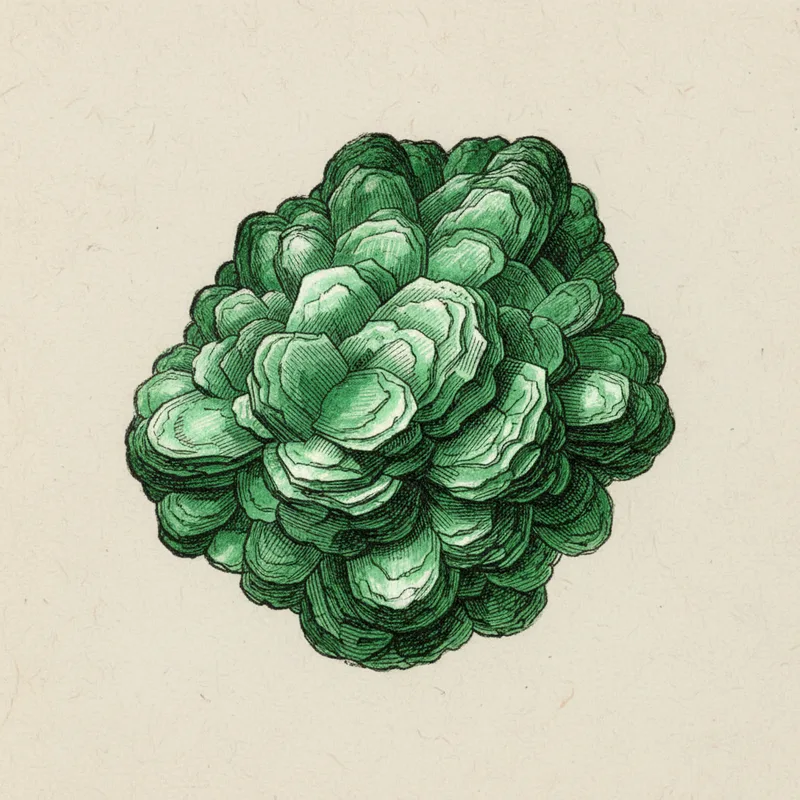
Malachite is the crystal that photographs cannot do justice to. The banded green patterns look painted on until you see one in person and realize those rings are the record of millions of years of slow chemistry happening in weathering zones above copper deposits.
Chemically, malachite is a copper carbonate hydroxide, Cu₂CO₃(OH)₂. It forms when copper-bearing ore bodies are exposed to carbonated groundwater, and the bands you see in a polished slab represent successive layers of deposition, each slightly different in hue. Historic sources include the Ural Mountains of Russia, where Catherine the Great commissioned malachite-paneled rooms in the Winter Palace. Modern production is largely from the Democratic Republic of Congo.
A note on handling: malachite contains copper, and dust from unpolished specimens should not be inhaled. Polished pieces are safe to touch, but do not soak them in water and do not drink "crystal elixirs" made with malachite. Ever. See the crystal care guide for more on this.
Traditional associations: Transformation, protective boundaries, heart-chakra work. Medieval European miners hung malachite at mine entrances as a warning against cave-ins, and the stone is still associated with protective intuition.
How to use in Taurus season: Taurus can resist change. Malachite is the stone for when resistance becomes its own problem - when the thing you are clinging to is actually the thing to release. Keep a polished piece on a bookshelf or desk as a visual prompt during a month where you feel stuck. Do not carry it loose in a pocket where it can chip.
Price range: $10-25 for a small tumbled piece. $30-80 for a polished freeform. Large sculptural slabs run $200 and up.
4. Pyrite: Material Success and the Most Taurus-Looking Crystal in the Book
If you had to pick one crystal that visually screamed "Taurus," it would be pyrite. Metallic gold cubes growing out of a matrix rock. Heavy. Substantial. Glimmering. The bull would approve.
Pyrite is iron disulfide, FeS₂. It forms in a remarkable range of environments - hydrothermal veins, sedimentary deposits, coal seams, even inside fossils that have been "pyritized" over millions of years. The cubic and pyritohedral crystal forms are so geometric that people have actually mistaken them for manufactured objects. They are not. That is just what cubic crystal systems do when left to grow in ideal conditions. The Navajún deposit in Spain produces the textbook-perfect crystal cubes that turn up in museum collections worldwide.
The nickname "fool's gold" comes from historical gold rushes, when inexperienced prospectors mistook pyrite for real gold. Real gold is much softer, much denser, and has a different streak color. Pyrite will scratch a copper coin. Gold will not.
Traditional associations: Material success, abundance, protective grounding. Pyrite is the stone for prosperity work that is tied to effort, not daydream.
How to use in Taurus season: This is the one to keep on the desk where you do paid work. A clustered specimen on a shelf, a tumbled cube in a pen cup, a small palm stone next to a laptop. The visual weight of pyrite is part of the effect. It is a grounding reminder that material results come from consistent attention.
Price range: $5-15 for a tumbled piece. $20-50 for a nice cluster specimen. $80-300 for Navajún crystal cubes on matrix, which are the serious collector pick.
5. Emerald: The Heart, the Abundance Stone, the Luxury Taurus
Emerald straddles Taurus season and the birthstone calendar in a way that no other stone on this list does. May is emerald's birthstone month, which means everyone born between Taurus season's opening and Gemini's arrival carries an emerald heritage.
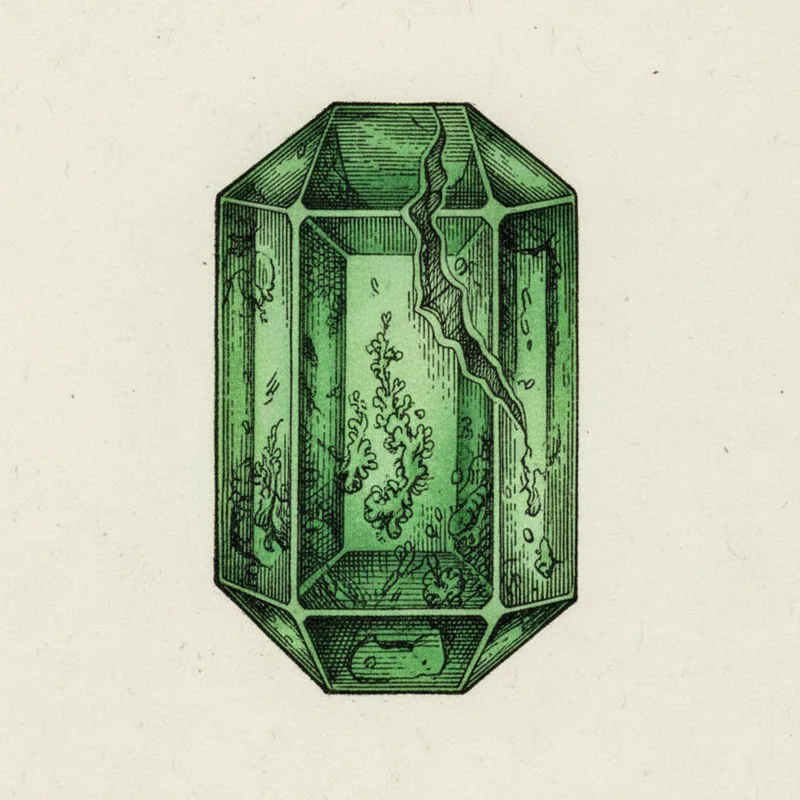
Emerald is a variety of beryl, Be₃Al₂(SiO₃)₆, colored green by trace amounts of chromium and sometimes vanadium. The classic deep green comes almost entirely from Colombian mines, especially Muzo and Chivor, where hydrothermal activity in carbon-rich shales produced emeralds the color of spring grass. Zambia and Brazil also produce fine emeralds, with their own subtle color differences.
One important piece of honesty: most commercial emerald is oil-treated. Emerald forms with many internal fractures (called "jardin" by the trade, French for garden), and the standard practice is to fill those fractures with cedarwood oil or a modern resin equivalent to improve clarity. This is considered standard treatment, not a scam, and reputable sellers will disclose it. Untreated emerald of investment quality costs a multiple of what oil-treated emerald costs.
Traditional associations: Heart chakra, abundance, loyalty, growth. In Vedic tradition emerald is the stone of Mercury, and in Western esoteric traditions it is one of the primary Venus stones, which is why it lands so clearly on the Taurus list.
How to use in Taurus season: Emerald is the celebration stone for this month. If you have an emerald piece of jewelry, take it out. Wear it. If you do not and are considering a purchase around Mother's Day or a May birthday, Taurus season is the right emotional window. For practice, hold a small tumbled emerald or emerald-in-matrix specimen during a midday pause. The green is the entire point.
Price range: Tumbled emerald-in-matrix specimens run $10-40. Small loose faceted stones start around $50 and climb steeply. Investment-quality Colombian emerald is four and five figures per carat.
6. Black Tourmaline: The Grounding Counterweight
The first five stones on this list are all warm or rich in color. Black tourmaline is the deliberate counterweight.
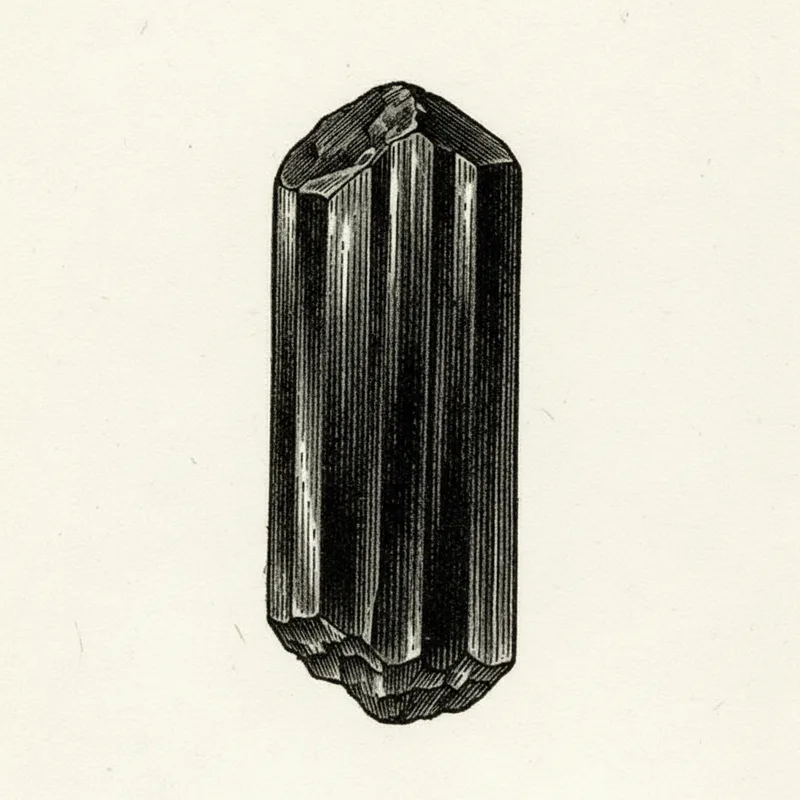
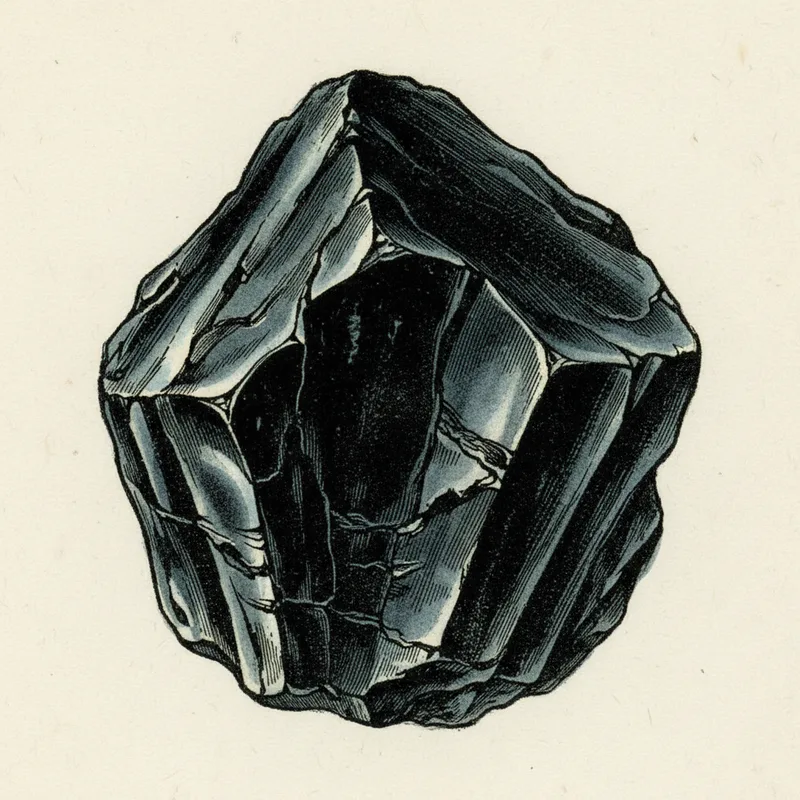
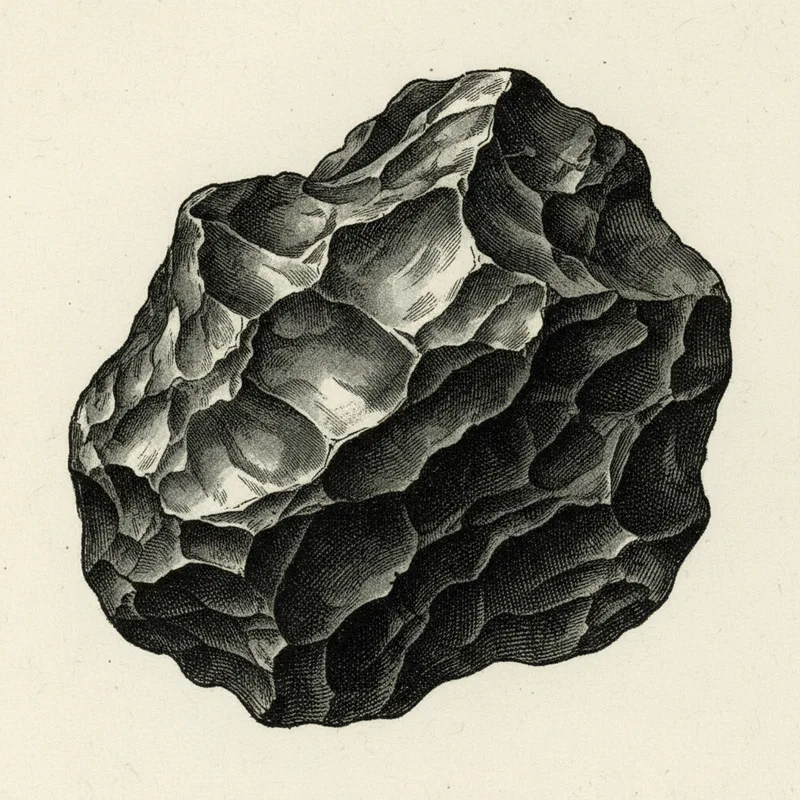
Black tourmaline, also called schorl, is the most common variety of the tourmaline group. Chemically it is a complex sodium-iron borosilicate, and it forms in long striated prismatic crystals that you can feel with a thumbnail. The striations are one of the clearest identification tells: real black tourmaline has vertical grooves running along the length of the crystal. Black obsidian is glassy and smooth. Shungite is duller and lighter. Only tourmaline has the grooves.
Traditional associations: Grounding, psychic protection, boundary setting. Black tourmaline is consistently named as the protection stone in contemporary crystal practice, and the tradition has roots in European folklore, where dark stones were placed at thresholds and hung in windows to "catch" bad spirits.
How to use in Taurus season: Earth sign energy can feel heavy even when it is working for you. Black tourmaline is the stone that channels that weight into groundedness instead of inertia. Place a small cluster near the front door, or keep a raw striated piece on your desk beside the pyrite. If you do any evening meditation or journaling, hold it in the palm of your non-writing hand for a few minutes before starting.
Price range: $5-15 for a small raw piece with good striations. $20-50 for a cluster or larger single crystal. The green and pink elbaite varieties of the same tourmaline family run substantially more, but straight black schorl is very accessible.
A Simple Three-Stone Taurus Season Ritual
One of the more useful things to do with a set of crystals is actually use them, rather than letting them decorate a shelf. Here is a short practice that uses three of the six stones above. It takes five to ten minutes and does not require any special equipment.
You will need: A piece of rose quartz, a piece of green aventurine, and a piece of pyrite. Tumbled or palm-sized is ideal.
Setup: Sit somewhere comfortable, ideally with natural light. A table, a windowsill, or a cleared corner of a desk all work. Place the three stones in front of you in a small triangle.
The three focal points:
- Rose quartz (top of the triangle): What am I willing to love in myself this month, even when it is inconvenient?
- Green aventurine (bottom left): What door am I willing to walk through if it opens?
- Pyrite (bottom right): What am I willing to work for, consistently, without waiting for a dramatic sign?
Hold each stone in turn for a minute or two and let the corresponding question sit. Do not force an answer. Some questions will give you a clear response. Others will not, and that is fine. The goal is to give the mind a container for the Taurus themes of worth, opportunity, and effort.
When you are done, you can keep the stones arranged together somewhere visible for the rest of the month, or put them back in their usual places. Repeat weekly if it is useful.
One Last Note on Expectations
A crystal is not going to pay your rent or mend a relationship. The point of working with a seasonal stone is that it gives your attention a physical object to return to during a month with a particular emotional weather. Taurus season's weather is slow, sensual, practical, and occasionally stubborn. The six stones above are a decent companion set for walking through it.
If you want more on the science behind these minerals, each linked crystal name above leads to a full profile with chemistry, formation, and identification tips. The colors browse page groups stones by family if you want to explore more green or pink options. And the care guide is worth a look before you buy a malachite or any copper-bearing stone.
Taurus season is a good month. The stones above will not change that one way or the other, but they will sit on a shelf looking rich, and occasionally, when you pick one up at the right moment, that will be enough.
Crystals in This Article
Black Tourmaline
The Shield Stone

Star Rose Quartz
The Star of the Heart
Dumortierite
The Patience Stone
Rose Quartz
The Stone of Unconditional Love
Tourmaline
The Rainbow Stone
Aventurine
The Stone of Opportunity
Malachite
The Stone of Transformation
Quartzite
The Indestructible Sandstone
Obsidian
The Volcanic Glass
Shungite
The Carbon Shield
Fuchsite
The Emerald Mica
Emerald
The Stone of Successful Love
Keep Reading
Stay in the loop
From the Almanac
Updates from Crystal Almanac, when there’s something worth sharing.