Best Crystals for Men: A Grounded Introduction
Key Takeaway: The idea that crystals are "for women" is a modern marketing construct, not historical truth. Roman centurions, samurai, Viking navigators, and Scottish Highland chiefs all carried stones. This guide covers ten: bloodstone, hematite, tiger eye, black obsidian, black tourmaline, shungite, carnelian, red jasper, pyrite, and onyx.
Walk into most crystal shops and the aesthetic hits before the minerals do. Pastel pinks, glittery packaging, affirmation cards in cursive script. If you're a man interested in geology, history, or the ritual of carrying something meaningful, that shelf can feel like a closed door. It isn't. The door is just painted a color that wasn't there fifty years ago.
The historical record is unambiguous. Roman legions issued hematite rings as courage tokens. Viking traders navigated North Atlantic fog using iolite sunstones, validated by modern polarized-light physics. Samurai kept black obsidian close. Scottish Highland clan leaders pressed bloodstone seals into wax to sign oaths. What changed was Western marketing, not the stones: the 1970s New Age movement repackaged crystal culture around a retail aesthetic of soft colors and feminine coding that sold well in boutiques. The underlying human impulse, carrying a weighted meaningful object, is older than agriculture and cross-cultural.
The Historical Record: Stones in Men's Traditions
Pliny the Elder, writing in the first century, documented Roman soldiers wearing hematite rings before battle. The blood-red streak against ceramic gave the stone its name (Greek haima, blood) and its martial association. Roman officers also commissioned carnelian signet rings for sealing documents.
Samurai tradition associated obsidian with clarity and edge. The volcanic glass fractures conchoidally into edges just molecules thick, sharper than surgical steel. Viking navigators used cordierite (iolite), a pleochroic mineral, to locate the sun through overcast skies; Danish researchers replicated the technique in 2011. Medieval European bishops wore amethyst rings, linking the stone to clear judgment. Southwestern Native American traditions used red jasper, turquoise, and bloodstone in shield decoration and warrior preparation. None of this requires metaphysical belief. It's cultural history, and it's overwhelmingly male.
Quick Reference Table
| Crystal | Formula | Hardness | Best For |
|---|---|---|---|
| Bloodstone | SiO₂ with iron oxide | 7 | Ancient warrior tradition, courage |
| Hematite | Fe₂O₃ | 5.5 | Grounding weight, proprioceptive anchor |
| Tiger Eye | SiO₂ chatoyant | 7 | Confidence, Roman soldier tradition |
| Black Obsidian | SiO₂ volcanic glass | 5.5 | Clarity, samurai blade tradition |
| Black Tourmaline | NaFe₃Al₆(BO₃)₃Si₆O₁₈(OH)₄ | 7 | Boundaries, modern workspace stone |
| Shungite | C (amorphous carbon) | 3.5 | EMF claims discussed honestly, grounding |
| Carnelian | SiO₂ | 7 | Physical vitality, Roman signet tradition |
| Red Jasper | SiO₂ with iron | 7 | Endurance, Native American warrior tradition |
| Pyrite | FeS₂ | 6 | Confidence cube, practical desk stone |
| Onyx | SiO₂ banded | 7 | Focus, Roman engraved cameo tradition |
Carry Stones: A Case for Stones in Daily Life
A pocket stone is a fidget tool with ritual weight. It warms to body temperature and gives the hand something to do in meetings or commutes. Weighted hand objects have modest research support for cortisol reduction, though the mechanism is probably attention-redirection as much as anything chemical.
The older word is touchstone. Originally a dark siliceous stone used to test gold purity, it drifted into figurative use: a reference point you return to. Carrying one gives you a physical implementation-intention cue, the way a wedding ring works. Keep it in the front pocket, not the back. Men's everyday-carry culture already accommodates a small meaningful object without comment.
Bloodstone: The Warrior's Heliotrope
Dark green chalcedony speckled with red iron oxide. The Greek heliotropos means sun-turner, from an old belief it could redden the sun's reflection in water. Medieval Christian symbolism read the red flecks as the blood of Christ, which is why Scottish Highland seal rings often featured it for oath-signing. A solid pocket stone, harder than steel, free of the pink-aesthetic problem.
Hematite: The Weighted Anchor
Iron oxide with specific gravity around 5.3, so a palm-sized piece feels startlingly heavy. That weight is the point. Roman soldiers wore hematite rings; the heaviness reads subconsciously as solidity. Proprioceptive-feedback research supports weighted objects reducing anxious fidgeting. The most common first crystal for men because the experience is immediate and physical. Care: chips on impact, can rust if stored damp. Keep it dry.
Tiger Eye: Roman Soldier Confidence
Forms when crocidolite fibers are pseudomorphically replaced by silica, preserving the parallel structure. Light reflecting off those fibers creates chatoyancy, the golden band that shifts as you turn the stone. Roman centurions reportedly carried it for courage. One of the few stones where the visual effect alone carries the appeal, no metaphysics required. Hardness 7, unproblematic daily carry.
Black Obsidian: Samurai Clarity
Volcanic glass, chemically close to granite but cooled too fast to crystallize. Fractures conchoidally into edges measured in molecules, which is why Aztec priests used obsidian knives and why some modern eye surgeons still prefer obsidian scalpels. Japanese tradition valued it for polished mirrors and blade-adjacent symbolism. Care: only hardness 5.5, chips easily. Pocket it alone, not against keys.
Black Tourmaline: Modern Workspace Armor
The schorl variety is pyroelectric and piezoelectric, generating a small charge under heat or pressure. That's real science. The modern EMF-blocking claim is not supported by peer-reviewed evidence at typical sizes. But placing one beside your keyboard as a ritual focus cue is a reasonable practice. The visual simplicity suits a desk that isn't trying to be decorated.
Shungite: The EMF Discussion
A rare fullerene-bearing carbon from Karelia, Russia, and nowhere else in commercial quantity. Peter the Great built a spa there in the early 1700s, using shungite to purify drinking water (the carbon has genuine adsorptive properties). Modern EMF-shielding marketing overstates the case: a polished piece on a desk is not doing meaningful shielding. Buy it for the geological rarity. Care: raw pieces leave black residue; polished is cleaner.
Carnelian: Roman Signet Stone
Iron-oxide-stained chalcedony in warm orange to red. Romans and Egyptians favored it for signet rings because hot sealing wax does not stick to its polished surface. Napoleon carried a carnelian signet engraved in Arabic from the Egyptian campaign for the rest of his life. The stone warms quickly to body temperature and holds that warmth, which is why it worked so well as a daily ring.
Red Jasper: Endurance
Iron-rich chalcedony, opaque and brick-colored. Southwestern Native American warrior traditions incorporated it into shield decoration and pre-battle preparation. The grounding-and-endurance framing fits a gym-bag or workout-bench stone. Durable enough to survive being dropped on concrete, cheap enough that replacement is not a crisis.
Pyrite: Fool's Gold, Smart Desk
Iron sulfide forming some of the most perfect naturally occurring cubes in mineralogy. Spanish conquistadors mistook it for gold repeatedly, which is where the nickname originates. It has become the stone of choice on finance-industry desks, partly for the visual joke and partly because a perfect cube is a mineralogical wonder. Care: tarnishes in humid conditions and can develop a sulfurous coating over years. Keep it dry.
Onyx: Engraved Focus
Banded chalcedony, typically black with pale layers. Roman cameo carvers exploited the layers to produce portraits in relief, many of which survive in museums. Victorian mourning jewelry used onyx extensively. Men who journal by hand sometimes keep a polished piece at the writing desk as a weight and focus object. Durable, unproblematic, and one of the least aesthetically loaded stones on this list.
Choosing Your Stone
Pick one, not ten. A single stone you actually carry beats a drawer of stones you don't. Touch it before you buy when possible. Weight, temperature, and the way it sits in a closed palm vary between specimens, and photos flatten all of that. Skip the beginner sets marketed with pastel ribbons unless you genuinely want them. Good starter stones that sidestep the aesthetic problem: hematite for weight, black tourmaline for simplicity, tiger eye for visual interest without frill, obsidian for historical depth.
What These Crystals Won't Do
They will not make you a better man. They will not improve your bench press, fix your marriage, or protect you from a bad boss. They are objects with interesting geology and real cultural history. Carry one because you like carrying interesting things, because the weight in your pocket is a useful attentional cue, or because you find the history compelling. None of those reasons requires believing the stone is doing metaphysical work.
Crystals in This Article
Ten stones with male cultural lineage: bloodstone, hematite, tiger eye, black obsidian, black tourmaline, shungite, carnelian, red jasper, pyrite, and onyx. Start with one.
Crystals in This Article
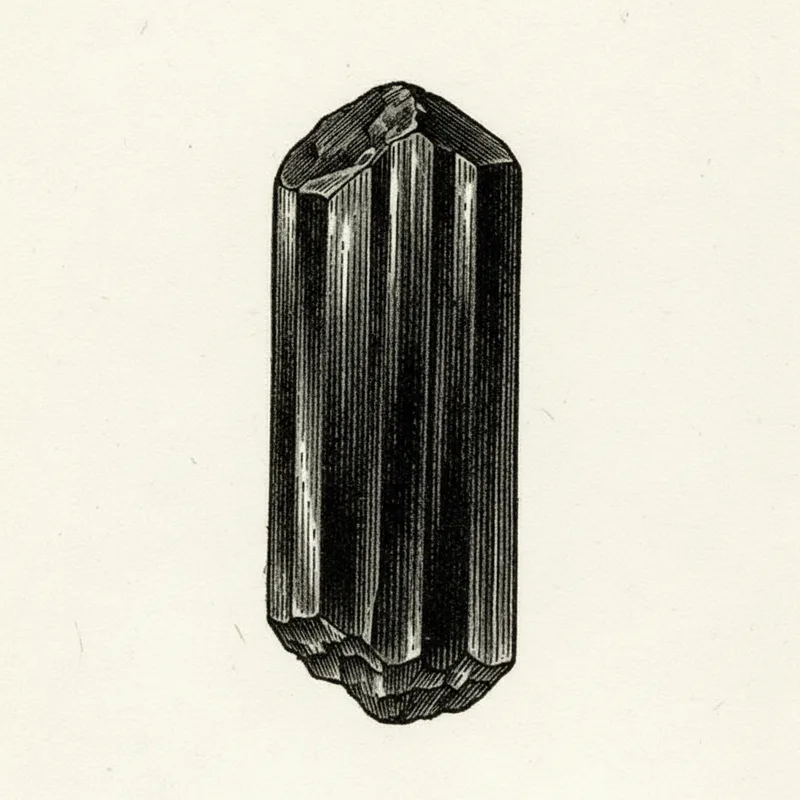
Black Tourmaline
The Shield Stone
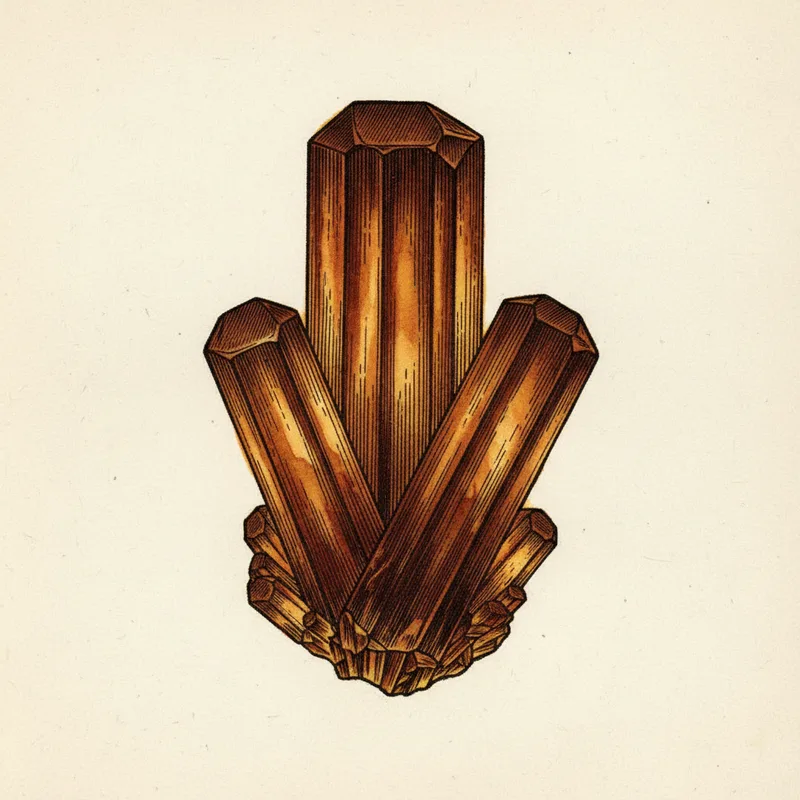
Tourmaline
The Rainbow Stone
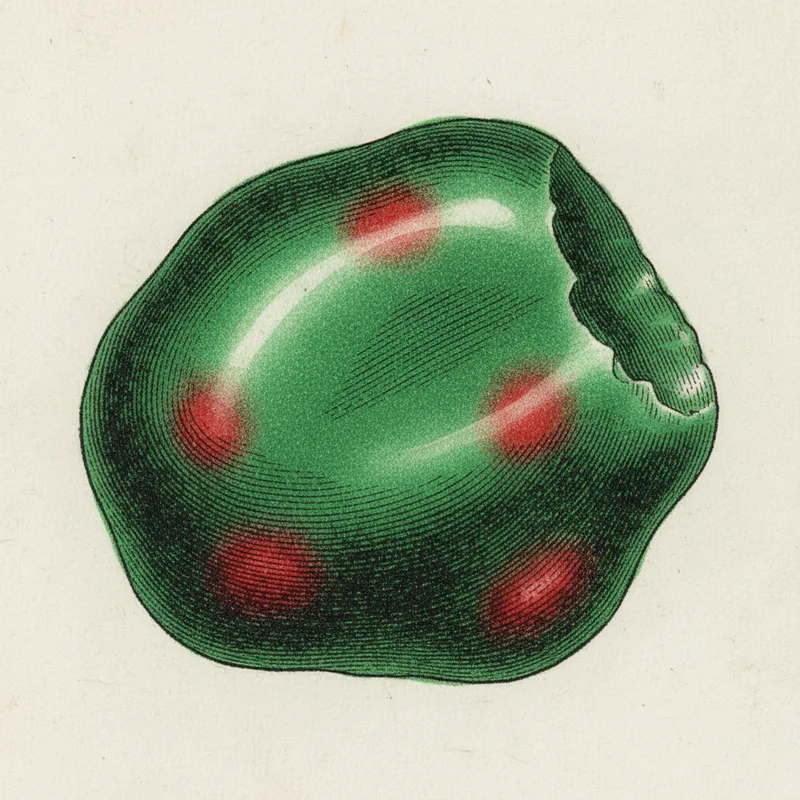
Bloodstone
The Martyr's Stone
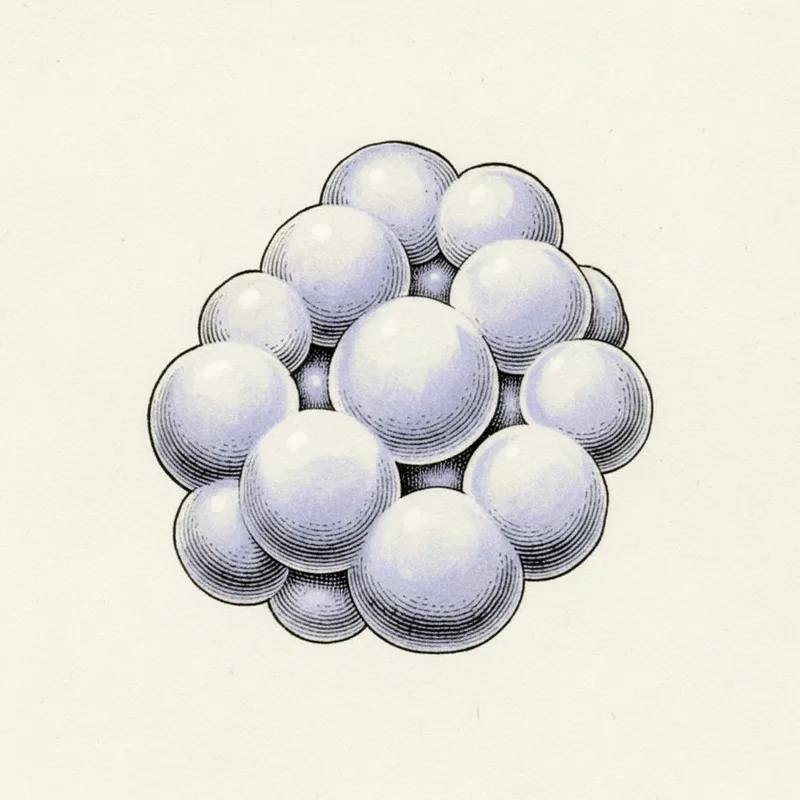
Chalcedony
The Mother of Agates
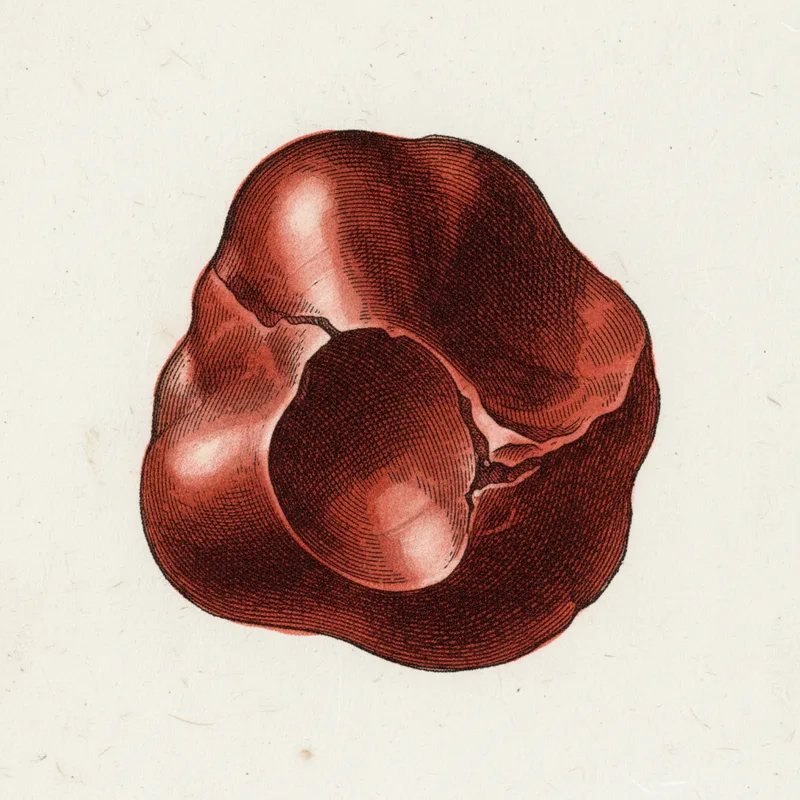
Red Jasper
The Supreme Nurturer
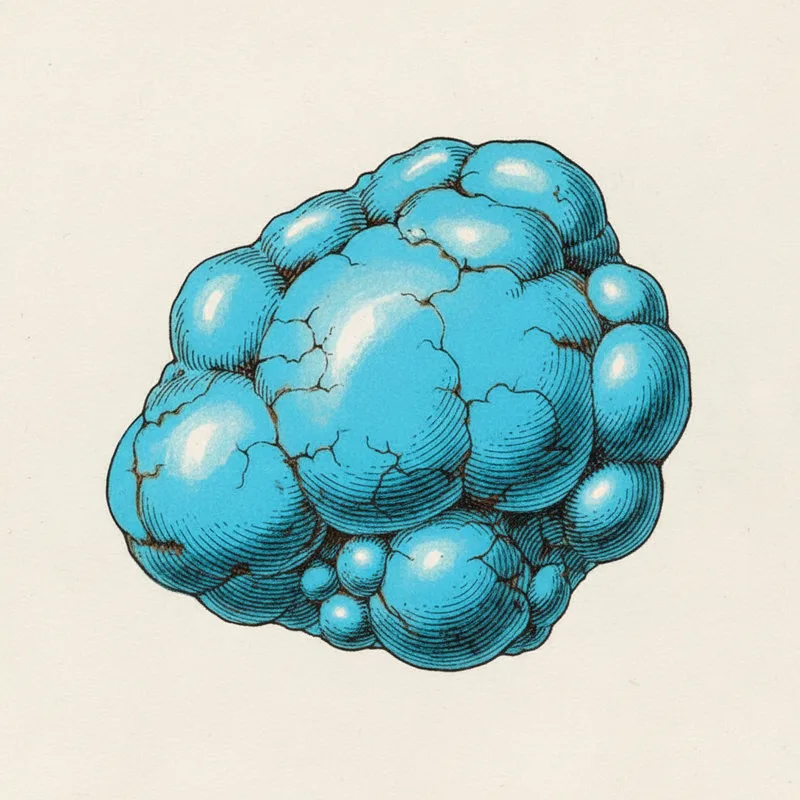
Turquoise
The Sky Stone
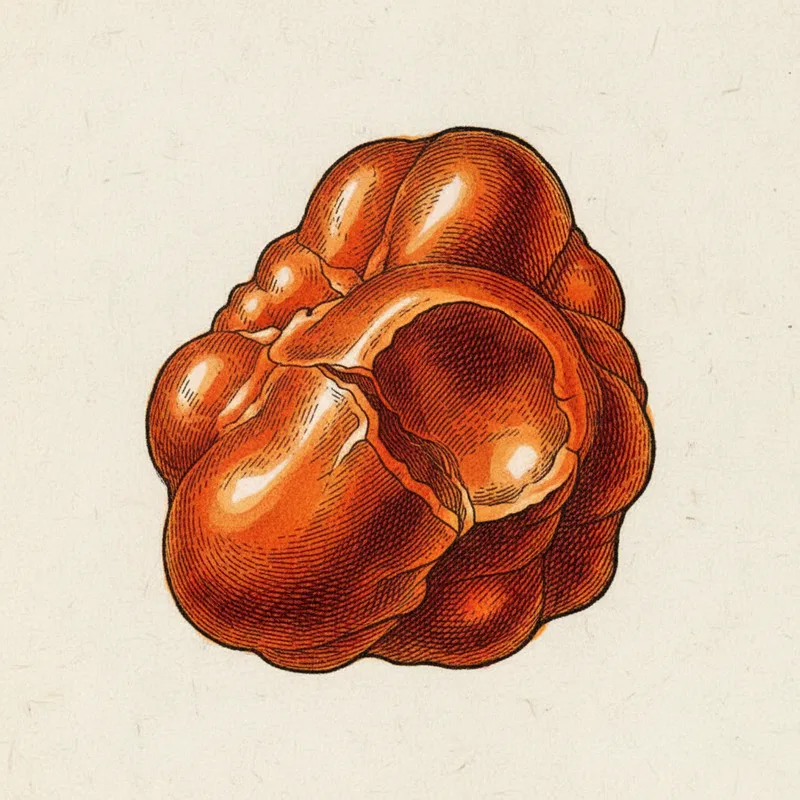
Carnelian
The Singer's Stone
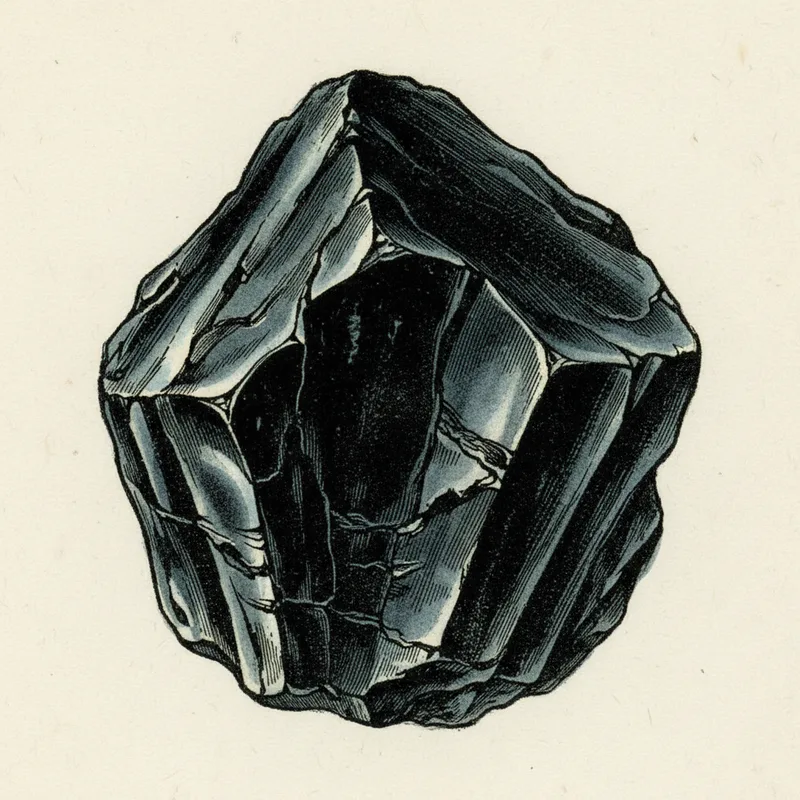
Obsidian
The Volcanic Glass
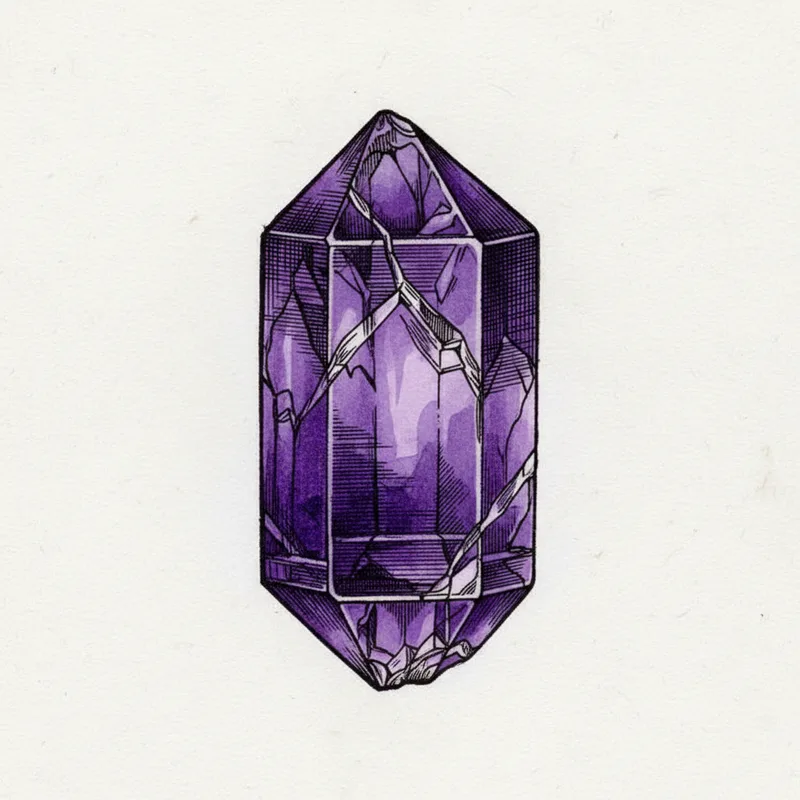
Amethyst
The Stone of Spiritual Wisdom
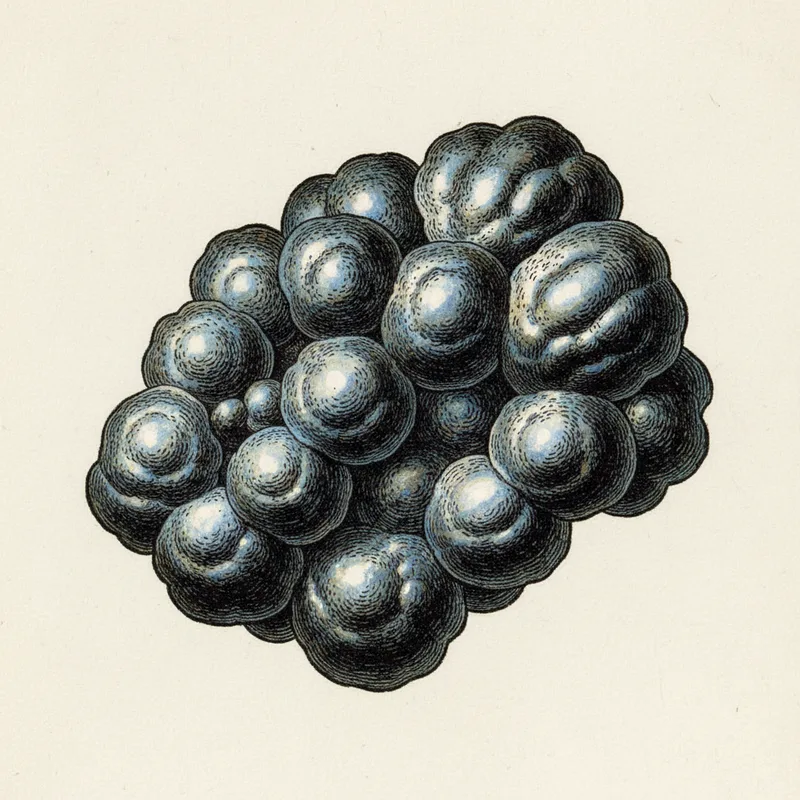
Hematite
The Blood Stone
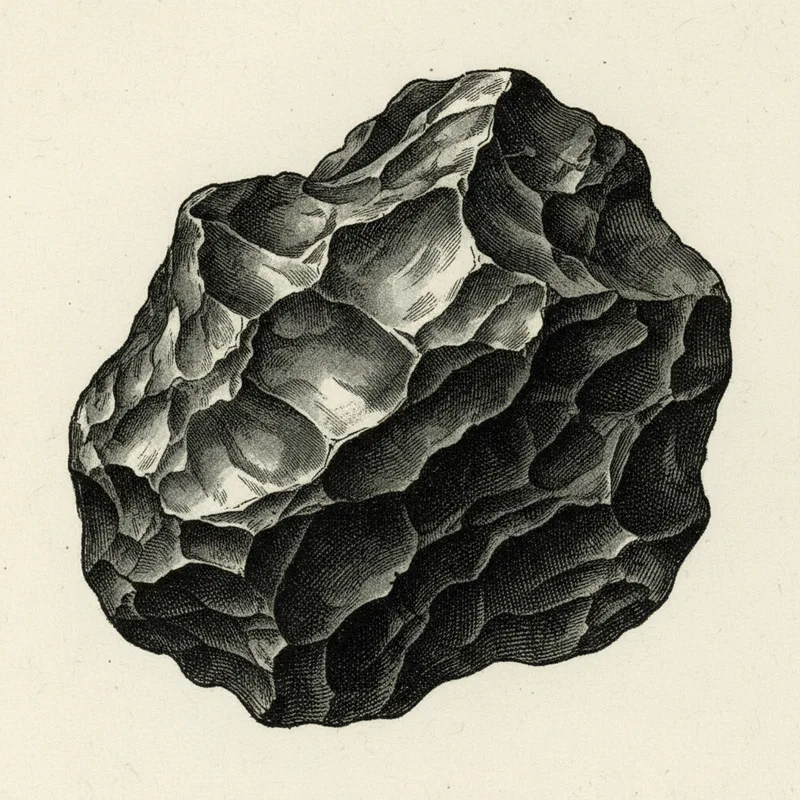
Shungite
The Carbon Shield
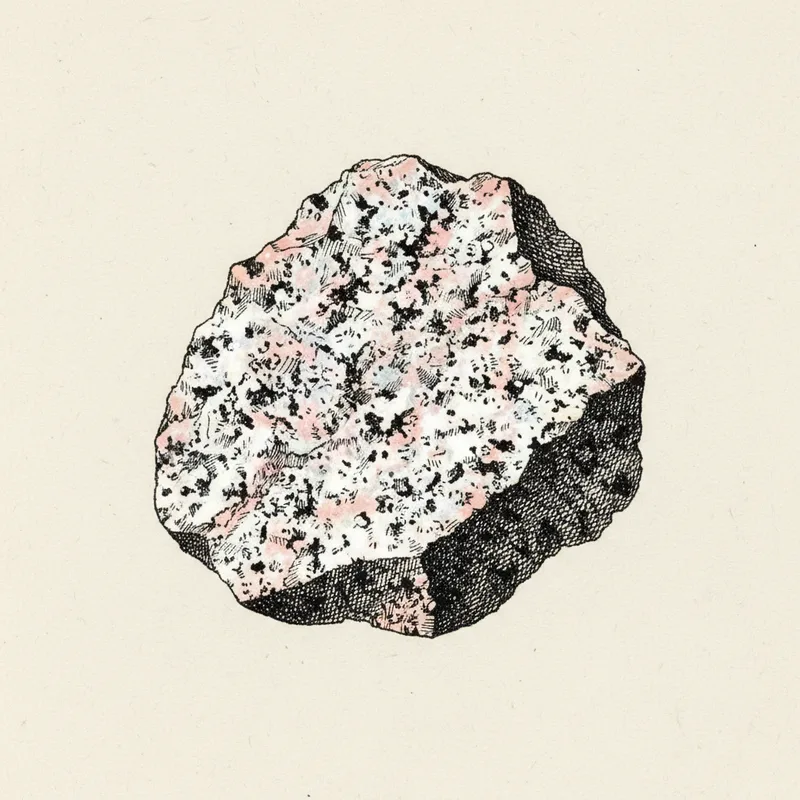
Granite
The Backbone of Continents
Keep Reading
Stay in the loop
From the Almanac
Updates from Crystal Almanac, when there’s something worth sharing.