Best Crystals for Studying, Focus, and Exams
Key Takeaway: Scholars have carried pocket stones into libraries and exam halls for centuries. The ten crystals here (fluorite, sodalite, clear quartz, amethyst, hematite, pyrite, lapis lazuli, citrine, tiger eye, and smoky quartz) all have documented scholarly traditions. No mineral contains chemistry that enters your bloodstream and boosts memory. What they offer is a reliable cue for study rituals and the implementation intentions that psychology research shows actually work.
During the Renaissance, European scholars kept polished "genius stones" on their reading desks, often fluorite or clear quartz, because the ritual of placing a stone beside an open book signaled that serious work was beginning. Students at Islamic Golden Age institutions like Al-Qarawiyyin carried small amulets through madrasa courtyards, and Vedic students paired rudraksha seeds with blue sapphire to invoke Saraswati, goddess of learning.
These are cultural facts, not endorsements of mineral power. What unites them is something modern psychology has confirmed: a consistent physical object, held at the same moment in the same place, becomes a powerful anchor for focused work. Lapis lazuli buried with Egyptian scribes, amethyst rosary beads used by medieval monks, Roman legionaries carrying tiger eye. The stones varied. The behavior did not.
Why a Crystal on Your Desk Can Help (and Why It's Not Magic)
The mechanism is environmental cueing, sometimes called context-dependent memory. Godden and Baddeley's 1975 diving study showed information learned underwater was best recalled underwater, and information learned on land was best recalled on land. Your brain encodes context alongside content. A specific stone in a specific place becomes part of the context your memory tags to the material you study.
Peter Gollwitzer and Paschal Sheeran's 2006 meta-analysis of 94 studies on implementation intentions found that simple "when X, then Y" cues improved goal achievement by 30 to 40 percent compared to goal-setting alone. When you pick up a stone before opening your notes, you execute an implementation intention. Over weeks, the link strengthens until reaching for the stone triggers the cognitive posture of focus almost automatically.
There is also the micro-break function. The 20-20-20 rule suggests looking twenty feet away for twenty seconds every twenty minutes. A crystal catching light on your desk gives you a pleasant visual target for those breaks. No mineral contains focus chemicals that cross the blood-brain barrier. The benefit is behavioral, not chemical. That is enough.
Quick Reference Table
| Crystal | Formula | Hardness | Best For |
|---|---|---|---|
| Fluorite | CaF₂ | 4 | The "genius stone," structured thinking |
| Sodalite | Na₈(Al₆Si₆O₂₄)Cl₂ | 5.5 | Writing, essays, articulating ideas |
| Clear Quartz | SiO₂ | 7 | Amplification, clarifying thinking |
| Amethyst | SiO₂ | 7 | Calm focus, anxiety-reducing companion |
| Hematite | Fe₂O₃ | 5.5 | Grounding, weighted hand object |
| Pyrite | FeS₂ | 6 | Confidence before exams |
| Lapis Lazuli | (Na,Ca)₈(AlSiO₄)₆(S,SO₄,Cl)₂ | 5.5 | Scholar's stone across cultures |
| Citrine | SiO₂ | 7 | Sustained motivation, long sessions |
| Tiger Eye | SiO₂ (chatoyant) | 7 | Courage during tests |
| Smoky Quartz | SiO₂ | 7 | Post-study decompression |
Fluorite: The Student's Stone
Fluorite is calcium fluoride (CaF₂), a halide with perfect octahedral cleavage. The color banding seen in Derbyshire "Blue John" specimens forms from trace impurities over millions of years. Isaac Newton studied fluorite's optical behavior, and the mineral gave us the word "fluorescence" after George Stokes coined it in 1852. Victorian scholars called it the genius stone and kept polished octahedra on their writing desks. Place one beside your laptop for structured material like mathematics or anatomy. The geometric precision is the cue.
Sodalite: The Writer's Ally
A royal-blue sodium aluminium silicate in the feldspathoid family, sodalite was historically mined at Sar-e-Sang in Afghanistan. The deep blue comes from sulfide radical anions in the crystal lattice. Writers have gravitated to sodalite since the nineteenth century, partly for its association with lapis lazuli (which contains sodalite as a component) and partly for the visual pleasure of its color. Keep a polished tumble beside your notebook when drafting longer pieces.
Clear Quartz: The Amplifier
Silicon dioxide (SiO₂) in its purest crystalline form, clear quartz is piezoelectric, generating a small voltage when mechanically compressed. Jacques and Pierre Curie discovered this in 1880, which is why quartz oscillators regulate nearly every wristwatch and computer clock today. The "amplifier" reputation is metaphorical, not electromagnetic, but the metaphor is useful. A quartz point is a visual reminder to clarify and pick one thread.
Amethyst: Calm Focus
Amethyst is quartz colored purple by trace iron ions exposed to natural gamma radiation. The Greek "amethystos" means "not drunken," and classical Greeks carved wine goblets from it believing it would ward off intoxication. That association carried into Christian scholarship as the stone of temperance. St. Patrick wore an amethyst on his pectoral cross, and medieval monks used amethyst rosary beads during long scriptorium sessions. Use it when study anxiety spikes.
Hematite: Grounding Weight
Iron oxide (Fe₂O₃) with a high specific gravity of 5.3, hematite feels heavier than nearly any other common tumble. That weight matters. Proprioceptive research on weighted objects, much of it from occupational therapy with ADHD and autism, suggests consistent deep pressure can reduce restlessness and improve sustained attention. Some autistic students use hematite as a stim tool. Roll a polished palm stone between your fingers during difficult passages.
Pyrite: Confidence Cube
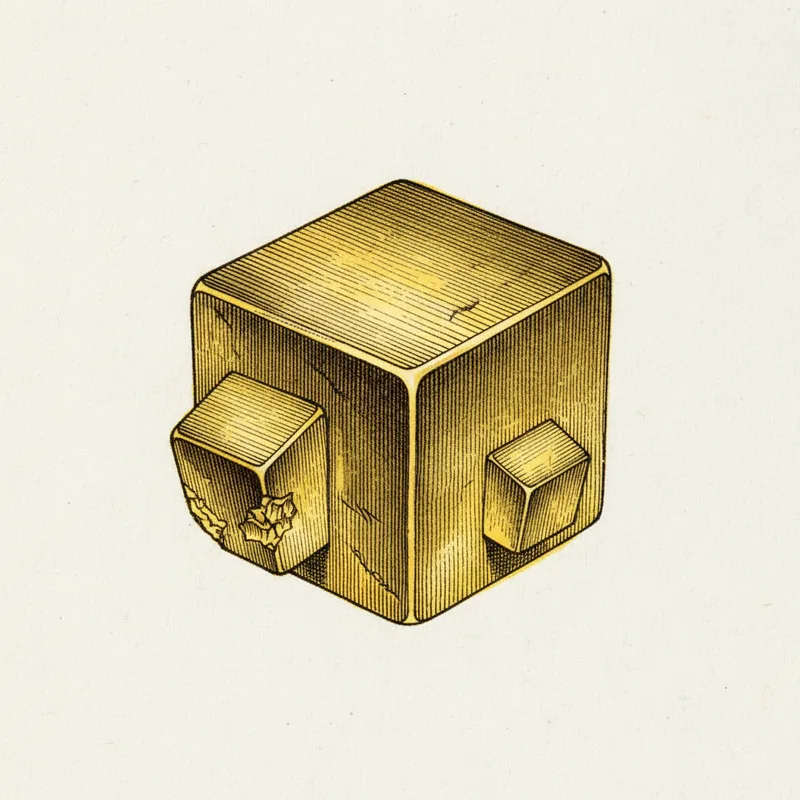
Iron sulfide (FeS₂) crystallizing in near-perfect cubes, pyrite's geometric precision is so extraordinary that intact cubes from Navajún, Spain, look machined rather than grown. The Inca polished pyrite into ceremonial mirrors, and the "fool's gold" nickname comes from gold rush prospectors. Having an objectively remarkable object on your desk quietly reinforces the feeling of being someone who takes their work seriously. Useful in the days before a major exam.
Lapis Lazuli: The Scholar's Stone
A metamorphic rock of lazurite with calcite veins and pyrite flecks, lapis has been mined continuously from Sar-e-Sang, Afghanistan for more than 6,000 years. Egyptian scribes were buried with lapis amulets to carry their knowledge into the afterlife. Ground into pigment, it became ultramarine, the blue Vermeer used for "Girl with a Pearl Earring" and that Renaissance painters reserved for the Virgin Mary's robes because it cost more than gold. No mineral has a longer documented association with literacy.
Citrine: Sustained Motivation
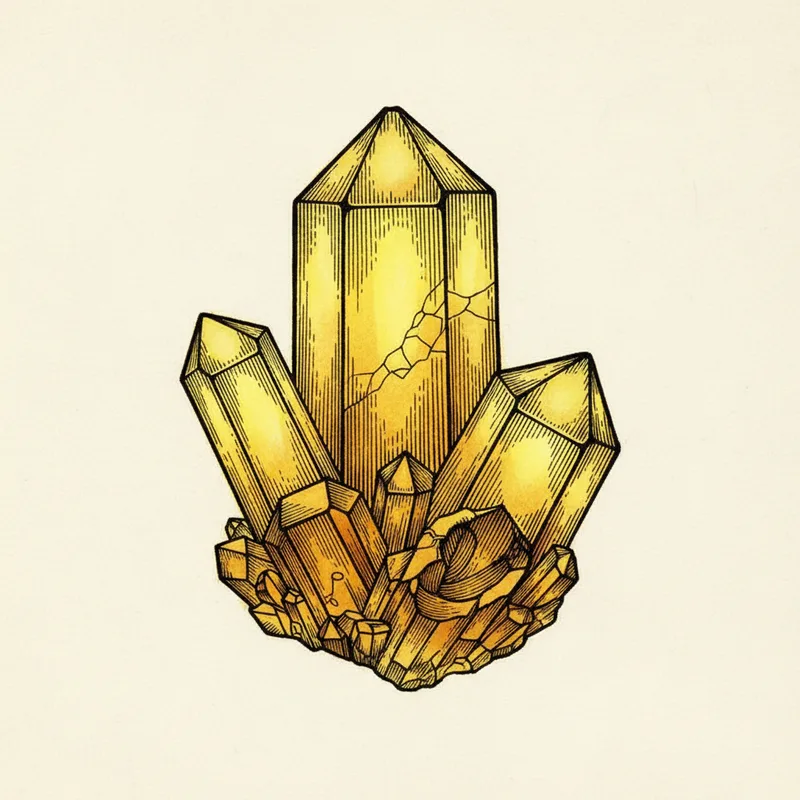
Iron-bearing quartz colored yellow to orange by trace Fe³⁺, natural citrine is genuinely rare. Honest disclosure: most commercial citrine is heat-treated amethyst, identifiable by its orange tint and darker tips. Color psychology research consistently links yellow tones with prolonged attention and sustained mood, likely because the brain reads yellow as sun-like and safe. Good for the long third hour of a revision session.
Tiger Eye: Courage in the Exam Hall
Tiger eye forms through pseudomorphic replacement, where silica gradually substitutes for fibrous crocidolite while preserving its parallel structure. Light reflecting off those aligned fibers produces chatoyancy, the rolling band of light that gives the stone its name. Roman soldiers carried tiger eye into battle believing it offered courage, and the association with high-pressure moments has persisted. Carry a small tumble on exam day.
Smoky Quartz: Post-Study Decompression
Smoky quartz is clear quartz darkened by natural gamma radiation from surrounding granite, which displaces electrons in aluminium impurities to create color centers. In crystal tradition, it is the grounding stone recommended after intense mental work, a closure signal that studying is done. Hold it for a minute at the end of a revision block. Place it back. Walk away.
Building a Study Ritual With Your Crystals
Pick one stone and stay with it. Rotating through your whole collection dilutes the anchor. Choose the mineral that genuinely appeals to you, whether fluorite for its geometry or lapis for its history, and commit for a full semester.
Place it in the same spot on your desk, every session. Touch it before opening your notes. This is your implementation intention cue, the "when I touch this stone, then I begin focused work" loop that Gollwitzer and Sheeran's research supports. At the end, return it to its spot as a closure signal. On exam day, carry the same stone into the hall. The context-dependent memory effect is real, and a familiar object in your pocket can quietly help trigger retrieval.
A Note on Realism
Crystals do not replace sleep, spaced repetition, active recall, or actually knowing the material. They are a minor cue within a broader study practice. The psychology of rituals, weighted objects, and environmental anchors is well documented. The magical claims you will encounter elsewhere are not. Use these stones the way generations of scholars used them: as companions to the work, not substitutes for it.
Crystals in This Article
Ten stones, ten traditions: fluorite, sodalite, clear quartz, amethyst, hematite, pyrite, lapis lazuli, citrine, tiger eye, and smoky quartz. Pick one. Keep it close. Open the book.
Crystals in This Article
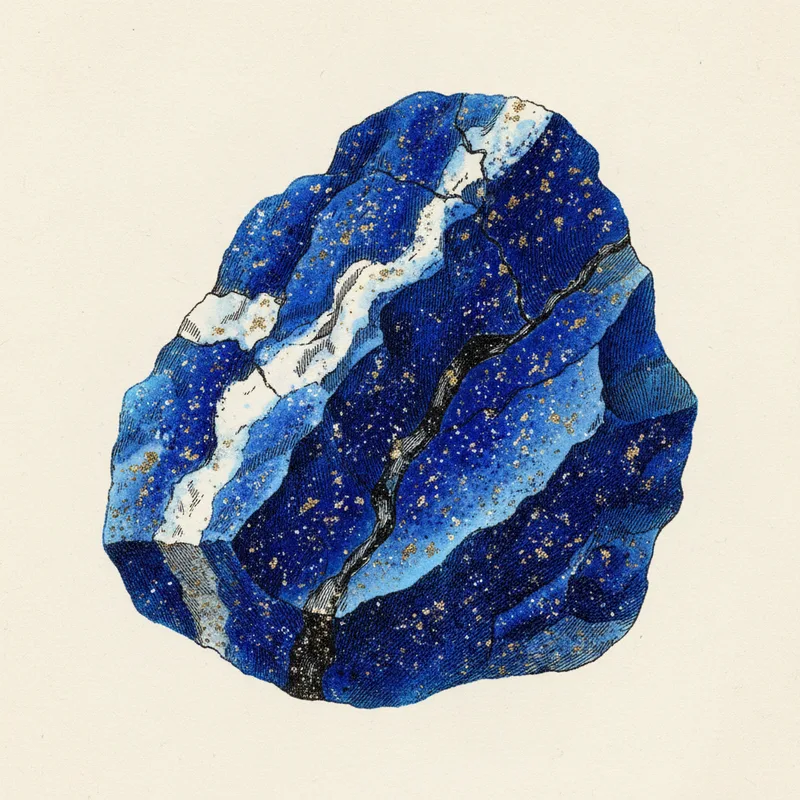
Lapis Lazuli
The Stone of the Heavens
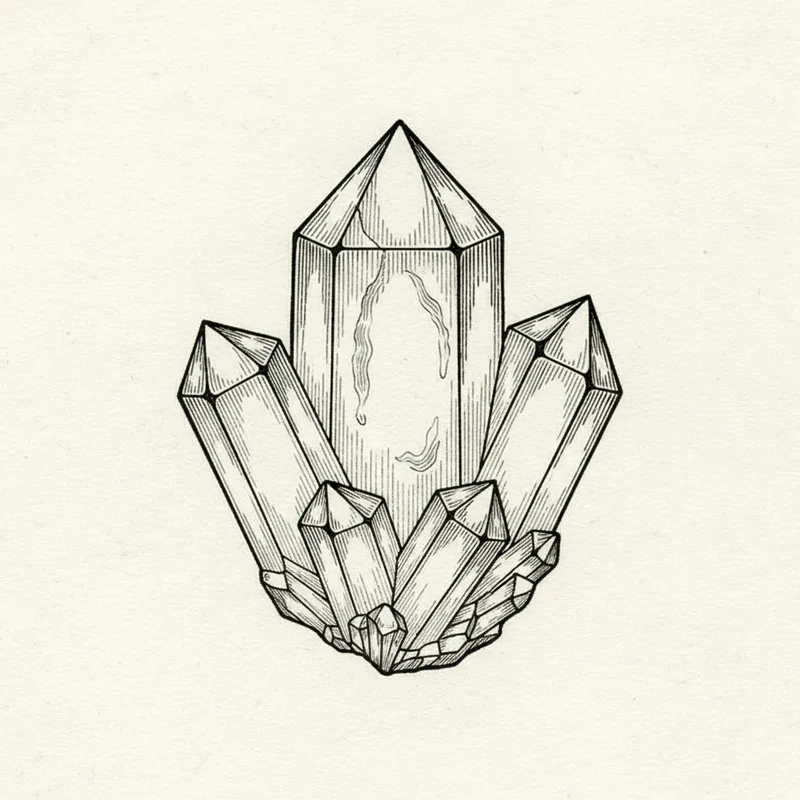
Clear Quartz
The Master Healer
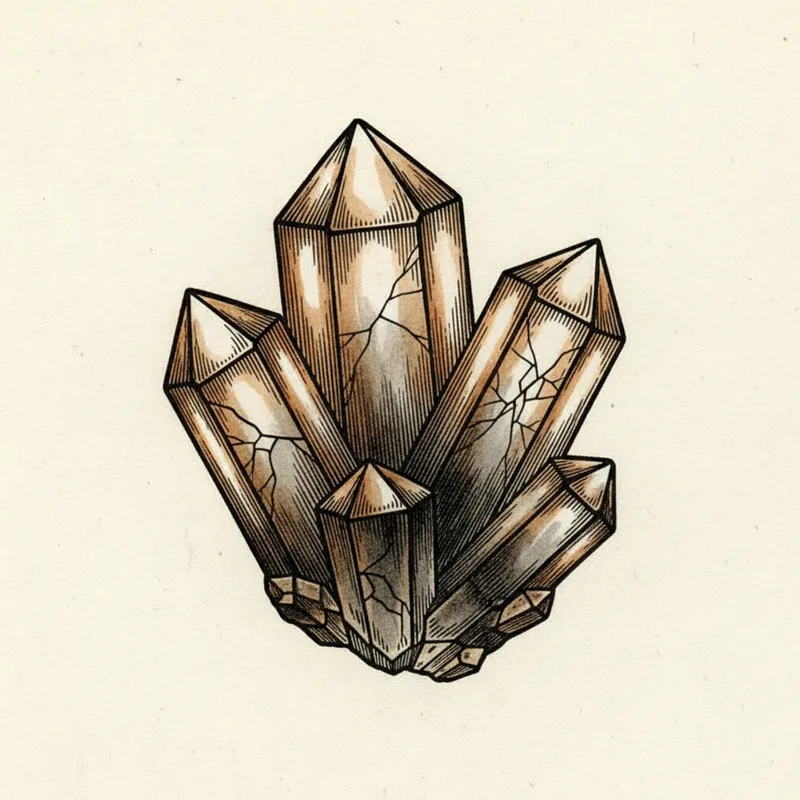
Smoky Quartz
The Grounding Stone
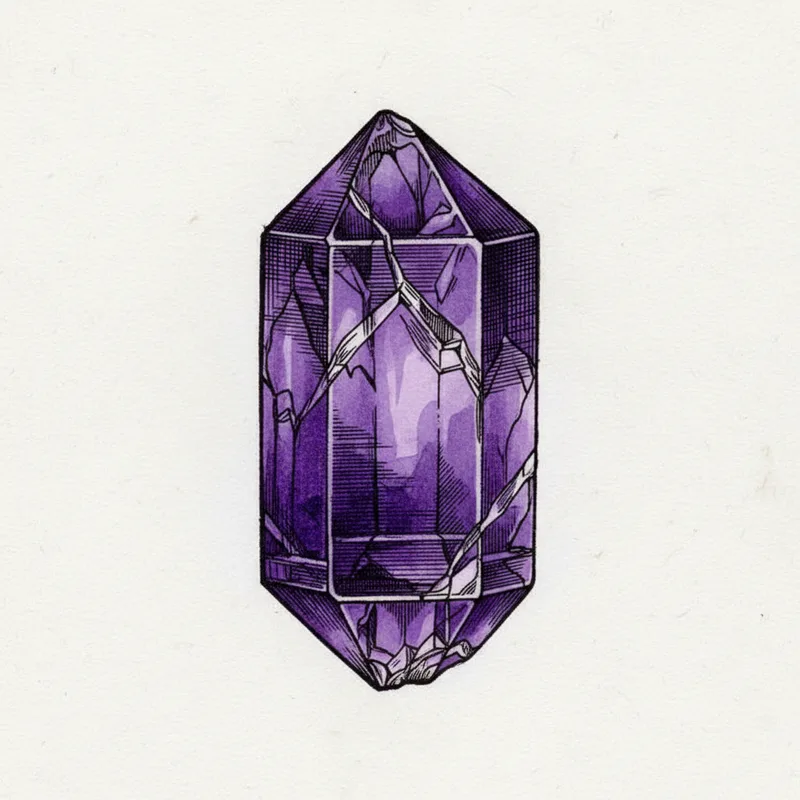
Amethyst
The Stone of Spiritual Wisdom
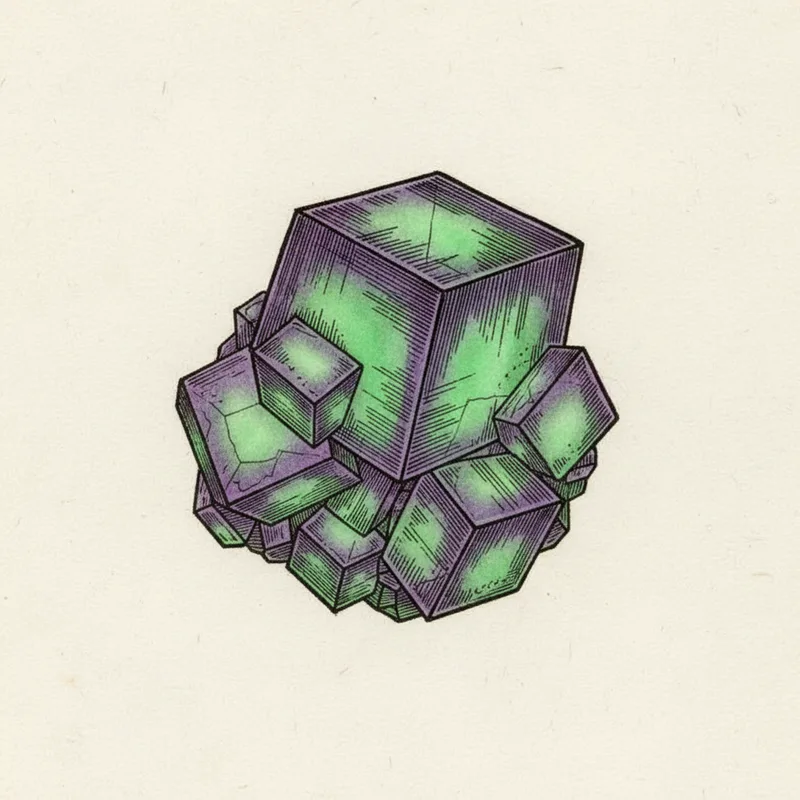
Fluorite
The Genius Stone
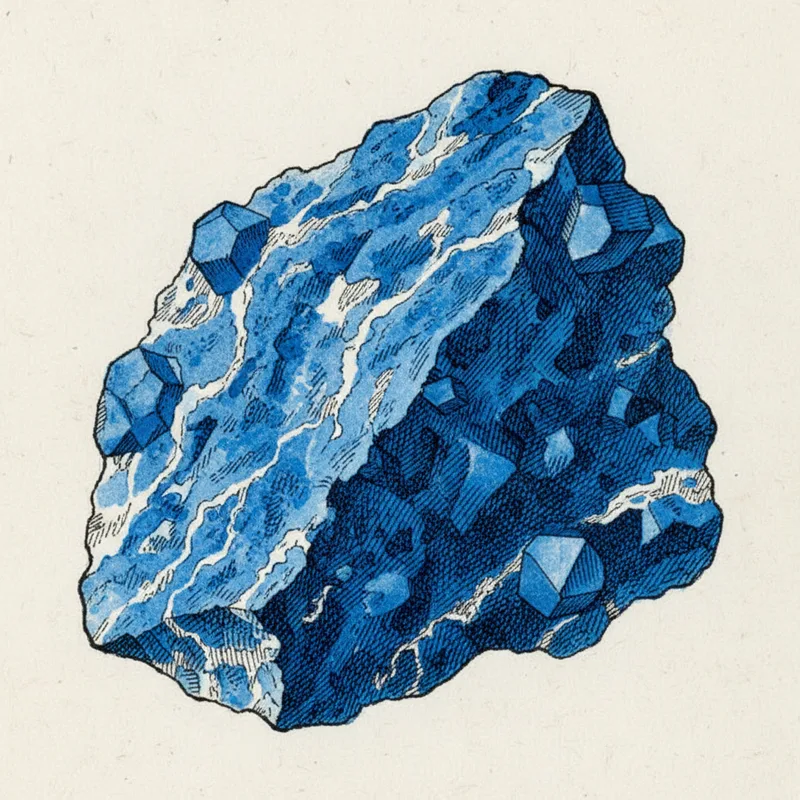
Sodalite
The Poet's Stone
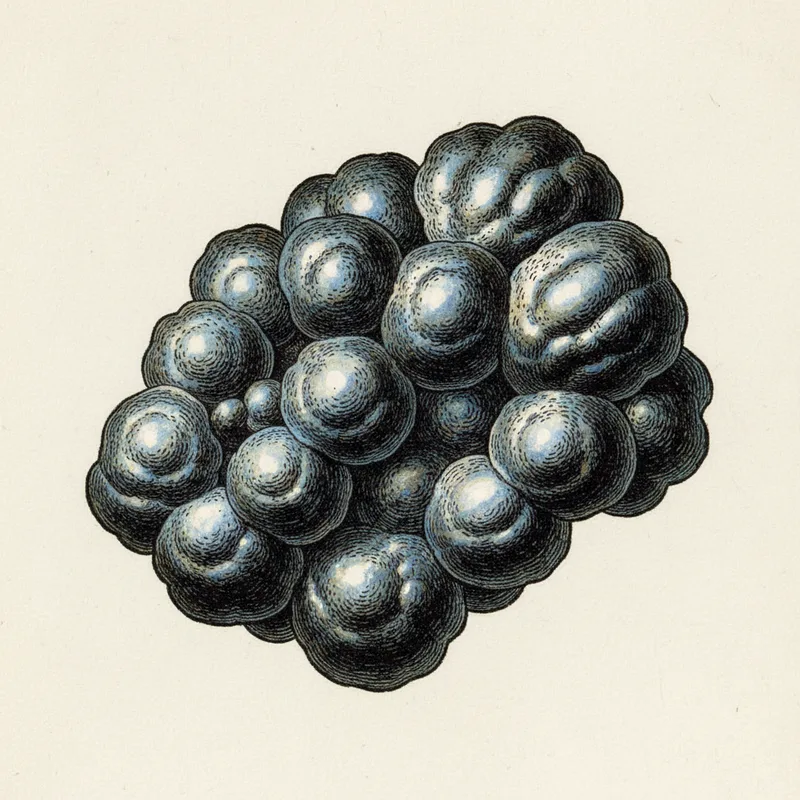
Hematite
The Blood Stone
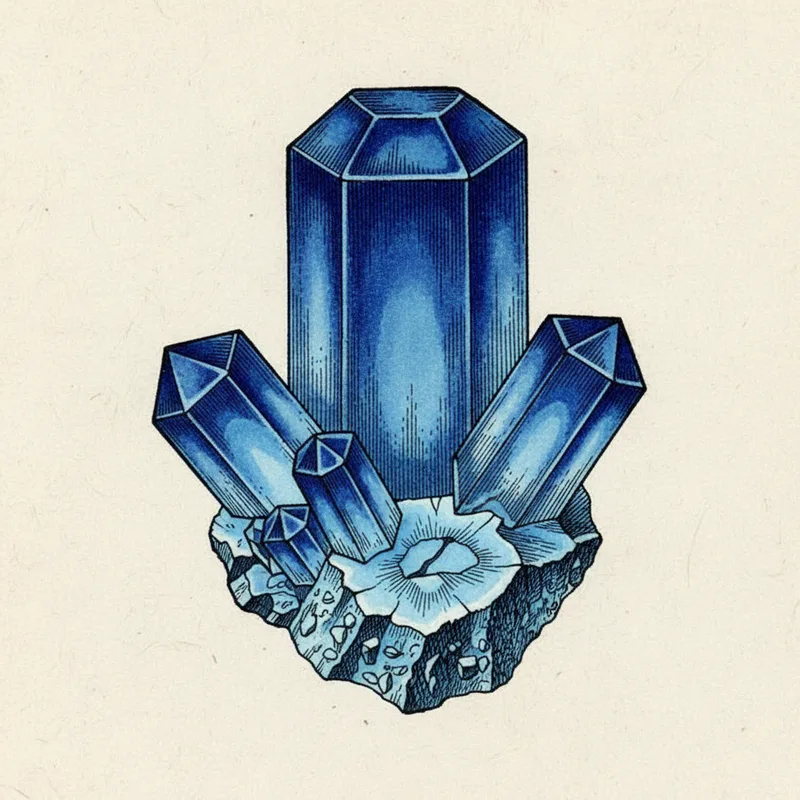
Sapphire
The Gem of the Heavens
Citrine
The Merchant's Stone
Calcite
The Shapeshifter
Granite
The Backbone of Continents
Pyrite
The Fool's Gold
Keep Reading
Stay in the loop
From the Almanac
Updates from Crystal Almanac, when there’s something worth sharing.