Crystals by Zodiac Sign: A Complete Guide
Key Takeaway: The idea that specific crystals "belong" to specific zodiac signs is a blend of ancient birthstone traditions, medieval gem lore, modern metaphysical practice, and a good deal of 20th-century marketing. The connections are culturally fascinating but not fixed in stone (pun intended). Here's the real history behind zodiac-crystal associations, the geology of each mineral, and an honest look at where these pairings actually come from.
If you search "crystals for my zodiac sign" you'll find dozens of lists, and almost none of them agree. One site assigns amethyst to Pisces. Another gives it to Aquarius. A third says Virgo. All of them present their list as though it were ancient cosmic law.
The truth is more interesting than that.
The tradition of connecting gemstones to astrological signs draws from several distinct historical threads, and those threads don't always line up neatly. Understanding where these associations come from makes the whole system more honest and, frankly, more useful.
Where Zodiac-Crystal Associations Actually Come From
The oldest connection between gemstones and cosmic categories traces to the biblical Breastplate of Aaron, described in Exodus 28:17-20. This was a ceremonial garment set with twelve stones, one for each of the twelve tribes of Israel. The exact identity of those stones is debated endlessly by scholars, partly because ancient Hebrew mineral names don't translate cleanly into modern gemological terms. Was "odem" carnelian or ruby? Was "leshem" amber or jacinth? Nobody knows for certain.
By the first century CE, the historian Josephus and later writers had begun connecting the twelve breastplate stones to the twelve months of the year and the twelve zodiac signs. This mapping was loose and shifted constantly. The idea that wearing a stone during "its" month could channel cosmic influence became popular in 18th-century Poland, and gem dealers in Europe ran with it.
Then came 1912. The Jewelers of America (then called the American National Retail Jewelers Association) published the first standardized birthstone list. This was, to be clear, a marketing initiative. The jewelry industry wanted consumers to buy specific gemstones for specific months, and they wanted consistency across retailers. The list was updated in 1952 (adding alexandrite for June, citrine for November, tourmaline for October, and zircon for December) and again in 2002 (adding tanzanite as a December option).
Meanwhile, the modern crystal healing movement, which gained momentum in the 1980s and 1990s, developed its own zodiac-crystal associations based on color symbolism, chakra theory, and the energetic properties that practitioners attributed to each stone. These lists draw from birthstone tradition but diverge significantly, favoring affordable crystals over precious gems and emphasizing metaphysical qualities over jewelry market value.
What follows is a synthesis of these traditions. For each sign, I've selected crystals that appear consistently across historical birthstone lists, modern metaphysical practice, or both. Where a crystal appears because of a specific historical reason, I'll tell you. Where it's a modern association with no ancient pedigree, I'll tell you that too.
For the traditional monthly birthstone chart, see our birthstones reference page.
Aries (March 21 - April 19)
The first sign of the zodiac. Fire element. In astrological tradition, Aries is associated with initiative, courage, and intensity.
Carnelian
Carnelian is the crystal most consistently linked to Aries across both ancient and modern sources. It's a variety of chalcedony, which makes it microcrystalline quartz (SiO₂) colored by iron oxide impurities. The warm orange-to-red color comes from hematite inclusions, and the exact shade depends on iron concentration and the degree of oxidation. Hardness 7 on the Mohs scale. Trigonal crystal system.
The Aries connection has genuine historical depth. Ancient Egyptian craftsmen carved carnelian into scarab amulets and associated it with the fiery power of Ra. Roman soldiers wore carnelian signet rings, and the stone was specifically linked to Mars, the planetary ruler of Aries in classical astrology. The color connection is obvious: Mars is the red planet, Aries is a fire sign, and carnelian ranges from warm orange to deep red.
Bloodstone
Bloodstone is the traditional March birthstone in older European lists, placing it squarely in Aries territory. It's a dark green chalcedony (SiO₂) with distinctive red spots caused by iron oxide (hematite) inclusions. Hardness 7. Trigonal, microcrystalline.
The stone's name in Greek was heliotrope, meaning "sun-turner," and medieval Christians associated the red flecks with drops of Christ's blood at the crucifixion. The warrior associations are strong across multiple cultures. Ancient Greek athletes carried it for stamina. In Indian Ayurvedic tradition, bloodstone was associated with vitality and courage. Its placement as the Aries stone in older birthstone systems reflects these martial qualities directly.
Diamond (or Clear Quartz)
Diamond is the modern April birthstone, covering the second half of Aries season. Pure carbon (C), cubic crystal system, hardness 10. The hardest natural substance known, formed at extreme pressures (45-60 kilobars) and temperatures (900-1300°C) deep in the Earth's mantle, then carried to the surface by violent kimberlite eruptions.
Diamond's association with Aries in modern practice emphasizes strength, clarity, and invincibility. The word comes from the Greek adamas, meaning "unconquerable."
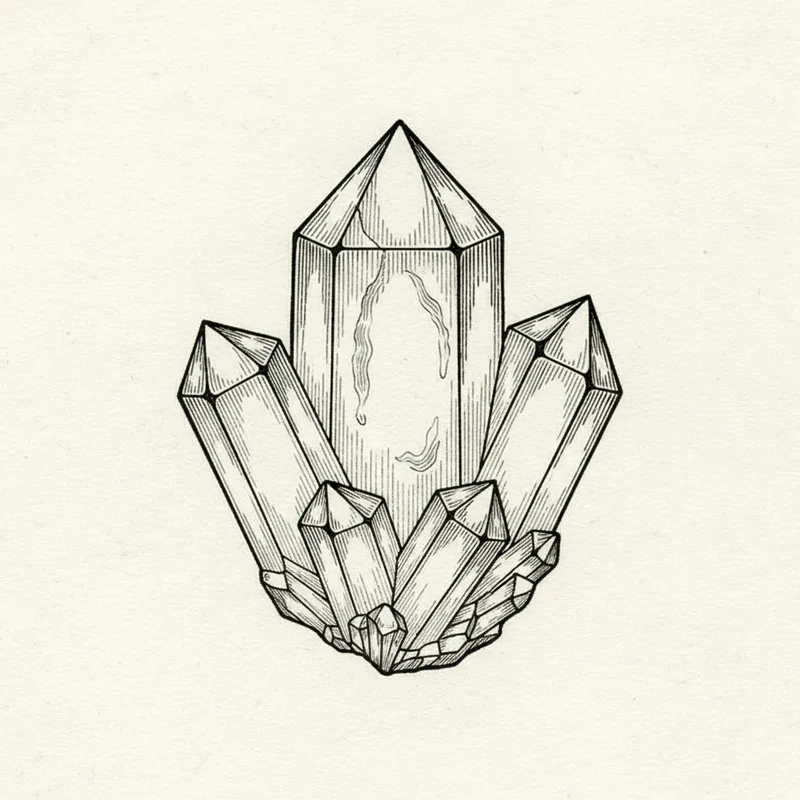
For a more accessible alternative, clear quartz (SiO₂, hardness 7, trigonal) substitutes in many modern crystal practices. It's the most abundant mineral on Earth's surface and has been used as a stand-in for diamond across numerous traditions. Crystal practitioners associate it with amplification and clarity, qualities they map onto the Aries temperament.
Taurus (April 20 - May 20)
Earth element. In astrological tradition, Taurus is associated with stability, sensuality, and appreciation for beauty.
Rose Quartz
Rose quartz is the most common Taurus crystal in modern metaphysical practice. It's quartz (SiO₂, hardness 7, trigonal) with a pink color that comes from microscopic fibers of dumortierite embedded in the crystal matrix, or in rarer transparent specimens, from traces of phosphorus and aluminum.
The Taurus connection is a modern association based on Venus rulership. Venus governs Taurus in classical astrology, and rose quartz is universally linked to love, beauty, and emotional warmth in crystal traditions. There's no ancient precedent for this specific pairing, but the symbolic logic is clean: Venus sign, love stone.
Emerald
Emerald is the traditional May birthstone, making it the "official" Taurus gem in the 1912 Jewelers of America list. It's a variety of beryl, Be₃Al₂Si₆O₁₈, colored green by trace amounts of chromium and sometimes vanadium. Hardness 7.5. Hexagonal crystal system. Emeralds form in hydrothermal veins where beryllium-bearing fluids interact with chromium-rich host rocks, a geologically unusual combination that explains the mineral's rarity.
The emerald-Taurus connection has deep roots. Ancient Egyptians mined emeralds in the Eastern Desert (the famous Cleopatra's Mines), and the stone was sacred to Venus/Aphrodite in Greco-Roman tradition. Pliny the Elder wrote that emeralds refreshed the eyes of gem engravers. For Taurus, ruled by Venus, emerald is arguably the most historically justified zodiac-crystal pairing in the entire system.
Rhodonite
Rhodonite is a manganese silicate (MnSiO₃), hardness 6, triclinic crystal system. Its deep rose-pink color comes from manganese, and specimens often feature black veining from manganese oxide. It forms in metamorphic rocks and manganese ore deposits.
This is a purely modern association. Crystal practitioners connect rhodonite to Taurus through the themes of emotional resilience and self-worth, qualities they link to the earthy stability of the bull. The stone has no historical birthstone or zodiac pedigree, but it appears on enough modern Taurus lists to warrant mention.
Gemini (May 21 - June 20)
Air element. In astrological tradition, Gemini is associated with communication, curiosity, and adaptability.
Citrine
Citrine is quartz (SiO₂) colored yellow to orange by iron impurities. Hardness 7, trigonal crystal system. Here's the honest geology: most commercial citrine is actually heat-treated amethyst. When amethyst is heated above 300-400°C, its purple color centers destabilize and the stone turns yellow to orange. Natural citrine exists but is significantly rarer and tends toward a subtler, pale champagne color rather than the vivid orange of treated material.
The Gemini connection comes partly from citrine's November birthstone status in the updated 1952 list (overlapping with Scorpio/Sagittarius, not Gemini) and partly from modern metaphysical practice, which assigns citrine to Gemini based on its associations with mental clarity, communication, and optimism. Mercury, Gemini's ruling planet, governs intellect and exchange, and the bright, solar quality of citrine maps onto those themes.
Tiger's Eye
Tiger's eye is one of geology's more remarkable minerals. It's quartz (SiO₂, hardness 7) that formed through pseudomorphosis: crocidolite (blue asbestos) fibers were gradually replaced by silica while maintaining their original fibrous structure. The golden-brown color and chatoyant shimmer (the "cat's eye" effect) come from these preserved fiber structures interacting with light.
Tiger's eye appears on Gemini lists in modern practice because of its associations with mental focus and decision-making. The dual-toned quality of the stone, shifting between gold and brown as you rotate it, resonates with the Gemini theme of duality. This is a modern symbolic association, not a historical one.
Agate
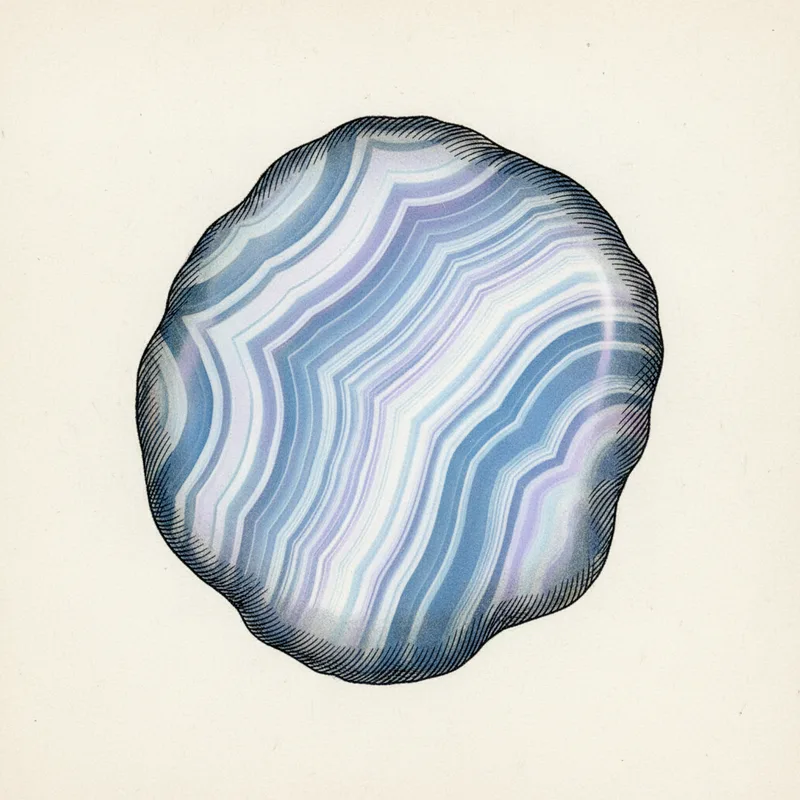
Agate is banded chalcedony (SiO₂, hardness 7, trigonal microcrystalline), formed by rhythmic deposition of silica layers within volcanic cavities. Each band represents a distinct episode of mineral-rich fluid entering and evaporating within the cavity, creating the concentric patterns agates are famous for.
Agate has one of the longest documented histories of any gemstone in human use, with carved agate artifacts dating back over 3,000 years. Its Gemini association is relatively modern but widespread in crystal practice. Practitioners connect agate's stabilizing reputation to the Gemini need for grounding, and its variety (moss agate, blue lace agate, fire agate, and dozens of other varieties) mirrors Gemini's multifaceted nature.
Cancer (June 21 - July 22)
Water element. In astrological tradition, Cancer is associated with nurturing, intuition, and emotional depth.
Moonstone
Moonstone is the crystal most universally associated with Cancer. It's an orthoclase feldspar (KAlSi₃O₈, hardness 6, monoclinic) that displays adularescence, a billowing glow beneath the surface caused by light scattering between alternating microscopic layers of orthoclase and albite feldspar. These layers form through exsolution as the mineral cools, and they need to be approximately 500 nanometers thick to produce the prized blue sheen.
The Cancer connection is one of the strongest in the entire zodiac-crystal system. Cancer is ruled by the Moon in classical astrology. Moonstone has been associated with lunar energy across Hindu, Roman, and Norse traditions. In Hindu practice, it was considered sacred, formed from solidified moonbeams. The Romans believed it changed appearance with the phases of the Moon. This is a genuinely ancient association rooted in thousands of years of cultural practice.
Pearl
Pearl is the traditional June birthstone, covering the first portion of Cancer season. Technically, pearl is not a mineral or a crystal. It's a biogenic gem, produced when a mollusk coats an irritant with alternating layers of aragonite (CaCO₃, orthorhombic crystal system) and conchiolin (an organic protein). Hardness 3. The iridescent luster comes from the way light diffracts through those thin, overlapping aragonite layers.
Pearl's connection to Cancer is one of the oldest birthstone associations in Western tradition. The water element link is literal: pearls come from the sea, Cancer is a water sign. In ancient Mesopotamian tradition, pearls were associated with the Moon and with fertility. The nurturing theme connects directly: the pearl forms through the mollusk's protective response, a biological act of care.
Selenite
Selenite is a variety of gypsum (CaSO₄·2H₂O, hardness 2, monoclinic). The name comes from Selene, the Greek goddess of the Moon, which is why it shows up on Cancer lists. It forms through evaporation of saline water and can grow into enormous crystals. Mexico's Cave of the Crystals contains selenite beams over 11 meters long, some of the largest natural crystals ever discovered.
The Cancer-selenite pairing is entirely modern, driven by the lunar name and the stone's visual resemblance to concentrated moonlight. There's no historical precedent, but the association has become standard in contemporary crystal practice. Handle selenite carefully: at hardness 2, it scratches easily, and it's water-soluble. Don't cleanse this one in water.
Leo (July 23 - August 22)
Fire element. In astrological tradition, Leo is associated with confidence, creativity, and warmth.
Sunstone
Sunstone is a plagioclase feldspar (NaAlSi₃O₈ to CaAl₂Si₂O₈, hardness 6.5, triclinic) that displays aventurescence, a sparkling effect caused by tiny platelets of copper, hematite, or goethite suspended within the crystal. Oregon sunstone is particularly prized for its copper inclusions, which can create vivid red, orange, and green flashes.
Leo is ruled by the Sun. Sunstone is named for the Sun. The connection is as direct as zodiac-crystal associations get. Ancient Norse and Greek traditions linked sunstone to solar deities. Viking navigators supposedly used sunstone's pleochroism to locate the Sun's position through overcast skies. Whether that legend is precisely accurate remains debated, but the solar association is ancient and consistent.
Pyrite
Pyrite is iron sulfide (FeS₂, hardness 6.5, cubic crystal system). The name comes from the Greek pyr, meaning "fire," because striking pyrite against steel produces sparks. Its metallic, golden luster earned it the nickname "fool's gold," though the comparison is slightly unfair to a mineral with genuinely fascinating chemistry. Pyrite crystals naturally form in perfect cubes and pyritohedra, geometries so precise they look machine-cut.
Pyrite's Leo association is modern, based on its golden color, solar appearance, and fire-starting etymology. Crystal practitioners link it to Leo themes of confidence, abundance, and creative power. The stone also appears on many abundance and prosperity crystal lists, connecting to Leo's association with generosity and big-heartedness.
Carnelian
Carnelian pulls double duty, appearing on both Aries and Leo lists. For Leo, the connection runs through the stone's warm, fiery color and its historical association with confidence and public speaking. In Egyptian tradition, carnelian was called "the setting sun" and placed in tombs to accompany the dead into the afterlife. Roman orators wore carnelian to bolster courage before public addresses. Both the color symbolism and the performance associations map onto Leo's expressive fire energy.
Virgo (August 23 - September 22)
Earth element. In astrological tradition, Virgo is associated with analysis, service, and attention to detail.
Amazonite
Amazonite is a green variety of microcline feldspar (KAlSi₃O₈, hardness 6, triclinic). For decades, the green color was assumed to come from copper, but research published in the 1980s showed that lead and water content in the crystal structure are primarily responsible. The exact coloring mechanism involves charge transfer between lead ions and water molecules within the feldspar lattice.
Amazonite's placement on Virgo lists is a modern crystal practice convention. Practitioners associate the stone with calm communication and balanced analysis, qualities they connect to Mercury-ruled Virgo. Despite its name, amazonite has no confirmed connection to the Amazon River. The name likely comes from green stones traded from unidentified sources in South America during the 18th century.
Moss Agate
Moss agate is not technically an agate at all, because it lacks the banded structure that defines true agates. It's translucent chalcedony (SiO₂, hardness 7, trigonal microcrystalline) with green, moss-like inclusions of chlorite, hornblende, or iron compounds. These inclusions formed when mineral-rich solutions infiltrated the silica during formation, creating dendritic patterns that look remarkably like tiny plants frozen inside glass.
The Virgo connection draws from moss agate's long association with agriculture and gardening. In European folk tradition, farmers carried moss agate to encourage abundant harvests. Virgo's name literally means "virgin" or "maiden," and the sign has ancient ties to Demeter/Ceres, goddess of the harvest. This is one of the more symbolically coherent zodiac-crystal pairings, even if the specific connection is modern.
Peridot
Peridot is the gem variety of olivine (Mg₂SiO₄, hardness 6.5, orthorhombic crystal system). It's the traditional August birthstone in the 1912 list, placing it directly in Virgo territory. Peridot is one of the few gemstones that forms deep in the Earth's mantle rather than in the crust. Specimens reach the surface through volcanic eruptions or in xenoliths, chunks of mantle rock carried up by magma. Some peridot has even arrived via pallasite meteorites, making it one of the rare gems with an extraterrestrial pedigree.
The peridot-Virgo association has the strongest historical claim of the three stones listed here, simply because August birthstone tradition places it in this sign's season. Ancient Egyptians mined peridot on the Red Sea island of Zabargad (St. John's Island) for thousands of years and called it "the gem of the sun."
Libra (September 23 - October 22)
Air element. In astrological tradition, Libra is associated with harmony, relationships, and aesthetic sense.
Lepidolite
Lepidolite is a lithium-bearing mica (K(Li,Al)₃(Al,Si)₄O₁₀(F,OH)₂, hardness 2.5, monoclinic). The lilac-to-purple color comes from manganese, and it forms in lithium-rich granitic pegmatites. Yes, it genuinely contains lithium, the same element used in psychiatric mood stabilizers. No, holding the stone will not deliver therapeutic doses of lithium to your body, because the lithium is locked inside a stable aluminosilicate crystal lattice.
Lepidolite appears on Libra lists in modern crystal practice because of its association with emotional balance, harmony, and calm decision-making. Libra's defining symbol is the scales, and practitioners connect lepidolite's "balancing" reputation directly to that theme. The lithium content adds a layer of chemical resonance that other zodiac-crystal pairings lack.
Lapis Lazuli
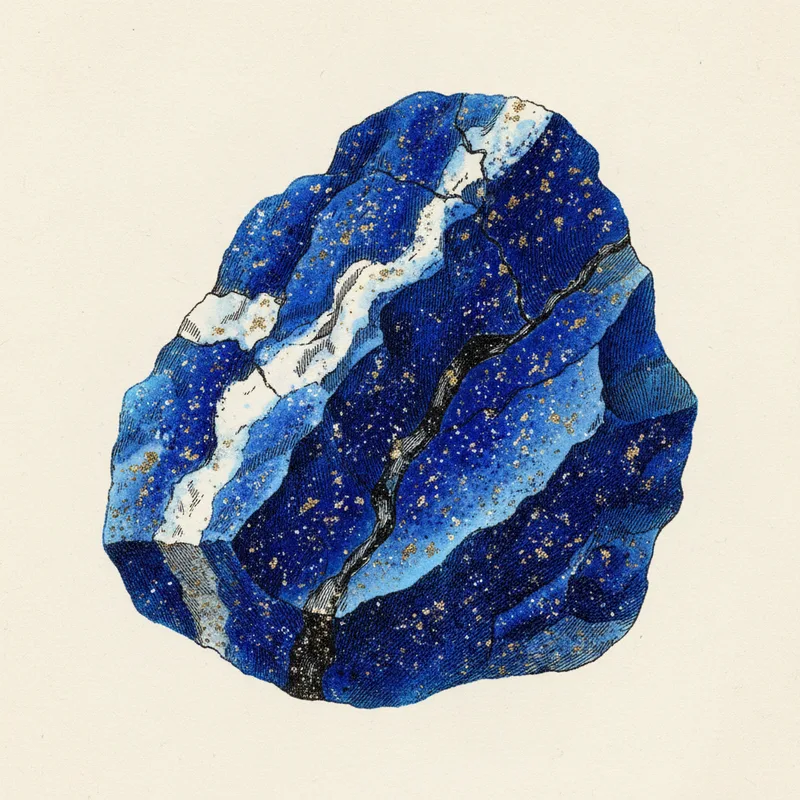
Lapis lazuli is a metamorphic rock composed primarily of lazurite ((Na,Ca)₈(AlSiO₄)₆(SO₄,S,Cl)₂), with calcite, pyrite, and sodalite as common accessory minerals. Hardness 5.5. The deep blue color comes from the sulfur radical anion (S₃⁻) within the sodalite-group lazurite structure, one of the few cases where a mineral's color derives from a trapped molecular ion rather than a transition metal.
Lapis has one of the longest luxury traditions of any gemstone. Sumerians, Egyptians, and Mesopotamians traded it extensively. The pigment ultramarine, historically worth more than gold by weight, was ground from lapis lazuli until synthetic alternatives were developed in the 1820s. The Libra connection in modern practice draws from lapis lazuli's associations with truth, fairness, and wisdom, qualities that align with the Libra archetype of balanced judgment.
Rose Quartz
Rose quartz also appears on Libra lists, again through the Venus connection. Libra shares Venus rulership with Taurus, so the rose quartz association carries over. In practice, Libra-focused crystal recommendations tend to emphasize rose quartz's relationship-harmony qualities rather than the self-love and emotional healing angles that dominate Taurus recommendations.
Scorpio (October 23 - November 21)
Water element. In astrological tradition, Scorpio is associated with transformation, intensity, and depth.
Obsidian
Obsidian is volcanic glass, formed when felsic lava cools so rapidly that mineral crystals don't have time to form. The composition is roughly SiO₂ (amorphous), hardness 5.5. Because it lacks crystal structure, obsidian fractures conchoidally, producing edges that can be sharper than surgical steel. Ancient Mesoamerican cultures crafted obsidian into mirrors, blades, and ritual objects. The Aztec god Tezcatlipoca, whose name translates to "smoking mirror," was associated with obsidian.
The Scorpio connection is modern but well-established in crystal practice. Practitioners link obsidian's associations with shadow work, truth-revealing, and transformation directly to Scorpio's astrological themes. The mirror metaphor is central: obsidian's reflective surface becomes a symbol for unflinching self-examination, a quality crystal traditions attribute to Scorpio energy.
Malachite
Malachite is copper carbonate hydroxide (Cu₂CO₃(OH)₂, hardness 3.5, monoclinic). The vivid green color and distinctive banding patterns form through the weathering of copper ore deposits, where copper-bearing solutions precipitate carbonate layers in concentric rings within cavities. Each band represents a distinct episode of deposition.
A safety note: malachite contains copper and should never be used to make gem elixirs or placed in drinking water. Dust from cutting or polishing malachite is toxic if inhaled. Handle finished, polished specimens normally, but leave the lapidary work to professionals with proper ventilation.
Malachite's Scorpio placement in modern crystal practice reflects associations with transformation and emotional protection. The stone's concentric bands, which must be cut open to reveal, mirror the Scorpio theme of hidden depths. Ancient Egyptians associated malachite with protection, and Cleopatra supposedly used ground malachite as eye shadow.
Labradorite
Labradorite is a plagioclase feldspar ((Ca,Na)(Al,Si)₄O₈, hardness 6.5, triclinic) famous for labradorescence, a play of iridescent color (typically blue, green, gold, and sometimes orange or purple) that appears when light enters the stone and reflects off internal fracture planes and compositional boundaries. The optical effect comes from exsolution lamellae, thin layers where the feldspar has separated into calcium-rich and sodium-rich phases during slow cooling.
Named for Labrador, Canada, where Moravian missionaries first described it in 1770, labradorite has an Inuit origin story: a warrior struck the stone with his spear and released the Northern Lights trapped inside.
The Scorpio association is modern, rooted in labradorite's reputation as a stone of mystery, transformation, and hidden illumination. The way its colors remain invisible until you catch the right angle resonates with Scorpio's association with concealed power.
Sagittarius (November 22 - December 21)
Fire element. In astrological tradition, Sagittarius is associated with exploration, philosophy, and optimism.
Turquoise
Turquoise is the traditional December birthstone, placing it firmly in Sagittarius season. It's a hydrated copper aluminum phosphate (CuAl₆(PO₄)₄(OH)₈·4H₂O, hardness 6, triclinic). The blue color comes from copper, while iron substitution shifts the color toward green. Turquoise forms in arid regions where copper-bearing groundwater percolates through aluminum-rich rock, making it one of the few gems that requires weathering rather than heat and pressure.
Turquoise has among the deepest multicultural histories of any gemstone. Persian kings wore it as protection against unnatural death. Navajo and Pueblo peoples consider it sacred. Ancient Egyptians inlaid turquoise into gold jewelry 5,000 years ago. Tibetan traditions connect it to the sky and to spiritual protection during travel, a fitting association for the sign of the archer and explorer.
Sodalite
Sodalite is a feldspathoid mineral (Na₈(Al₆Si₆O₂₄)Cl₂, hardness 5.5, cubic). The rich blue color, often veined with white calcite, comes from the interaction of sodium and chlorine within the crystal structure. It's sometimes confused with lapis lazuli, but sodalite lacks lapis's pyrite flecks and tends toward a slightly more violet-blue tone.
Sodalite's Sagittarius placement is modern, connected to the sign's philosophical nature through sodalite's associations with logic, truth-seeking, and intellectual exploration. Crystal practitioners also connect it to the throat and third-eye chakras, linking it to the articulate, visionary qualities they associate with Sagittarius.
Amethyst
Amethyst is quartz (SiO₂, hardness 7, trigonal) colored purple by iron (Fe³⁺) impurities exposed to natural gamma radiation. The February birthstone in the standard list (covering Aquarius/Pisces, not Sagittarius), amethyst appears on Sagittarius lists in modern crystal practice because of its associations with wisdom, spiritual expansion, and the search for higher meaning, themes that align with Jupiter-ruled Sagittarius.
The word amethystos means "not intoxicated" in ancient Greek. Greeks and Romans believed drinking from amethyst cups prevented drunkenness. Bishops wore amethyst rings in medieval tradition as symbols of spiritual clarity. For Sagittarius, practitioners emphasize the stone's philosophical and expansive qualities rather than the calming properties highlighted in other zodiac pairings.
Capricorn (December 22 - January 19)
Earth element. In astrological tradition, Capricorn is associated with discipline, ambition, and endurance.
Garnet
Garnet is the traditional January birthstone, making it the centerpiece of Capricorn crystal associations. Garnets are a group of silicate minerals with the general formula X₃Y₂(SiO₄)₃, where X can be calcium, magnesium, iron, or manganese, and Y can be aluminum, iron, or chromium. Hardness 7, cubic crystal system. The most common gem variety, almandine, gets its deep red color from iron.
The garnet-Capricorn connection has both historical and symbolic weight. As the January birthstone since the 1912 standardization, garnet occupies Capricorn's season directly. Beyond calendrical placement, the stone's associations with perseverance and endurance align with Saturn-ruled Capricorn's reputation for discipline. Medieval travelers carried garnets as protective talismans, and the stone's name comes from the Latin granatum (pomegranate), for its resemblance to the fruit's deep red seeds.
Smoky Quartz
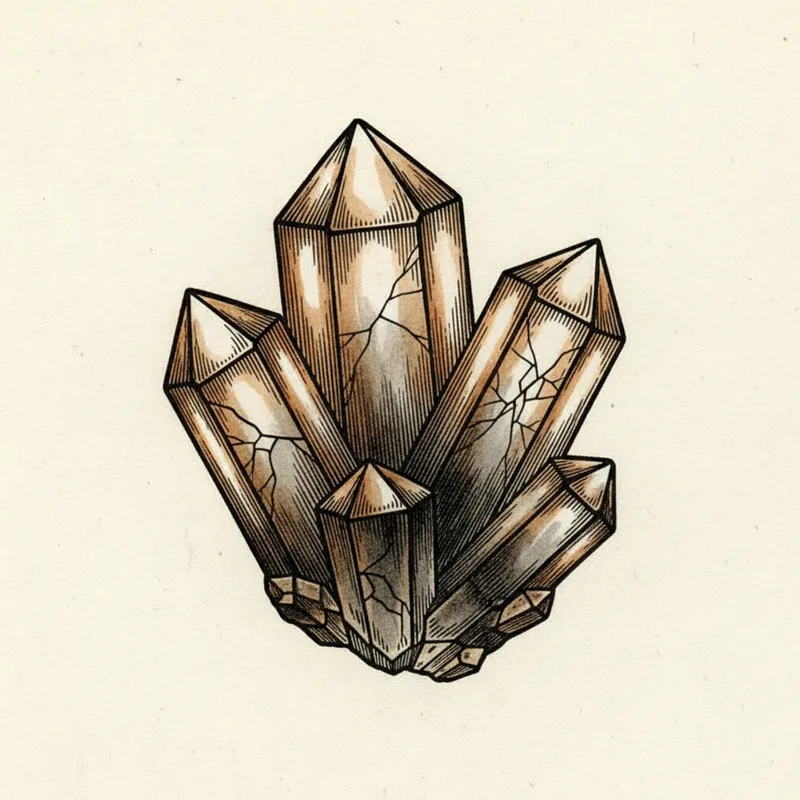
Smoky quartz is quartz (SiO₂, hardness 7, trigonal) colored brown to black by aluminum impurities that create color centers when exposed to natural gamma radiation. The depth of color correlates with radiation exposure. Scotland designated smoky quartz as its national gem, and it was traditionally carved into brooches and kilt pins.
The Capricorn connection is modern. Crystal practitioners associate smoky quartz with grounding, practicality, and the ability to work through difficulty, qualities they map directly onto the Capricorn archetype. The stone's earthy, no-nonsense appearance and its association with clearing mental fog align with the sign's reputation for pragmatic focus.
Black Onyx
Black onyx is a variety of chalcedony (SiO₂, hardness 7, trigonal microcrystalline). Most commercial black onyx is actually dyed or heat-treated. Natural black onyx does exist but is less common than the treated material you'll find in most crystal shops. The ancient Romans wore onyx carved into cameos and intaglios, and the stone has consistent associations with strength, self-discipline, and protection across multiple cultural traditions.
For Capricorn, onyx's associations with structure, focus, and quiet authority align with the sign's Saturn-ruled nature. In Indian astrological tradition, black stones are specifically associated with Saturn (Shani), and Capricorn is one of Saturn's two domicile signs.
Aquarius (January 20 - February 18)
Air element. In astrological tradition, Aquarius is associated with innovation, humanitarianism, and independence.
Aquamarine
Aquamarine is a blue variety of beryl (Be₃Al₂Si₆O₁₈, hardness 7.5, hexagonal), colored by trace iron in its Fe²⁺ state. Heat treatment can shift brownish or greenish tones to a purer blue by converting Fe³⁺ to Fe²⁺. It's the March birthstone in the standard list, placing it at the boundary between Aquarius and Pisces.
The name means "water of the sea" in Latin. Roman sailors carried aquamarine for protection during ocean voyages. In crystal practice, aquamarine's Aquarius association draws from the water-bearer symbolism of the sign. Despite being an air sign, Aquarius literally carries water in its iconography, and aquamarine bridges that duality. Practitioners also connect its clarity and calm energy to the Aquarian ideals of clear thinking and humanitarian vision.
Amethyst
Amethyst is the traditional February birthstone, placing it directly in Aquarius season. This is one of the zodiac-crystal connections with the clearest historical basis. Amethyst has occupied the February slot across virtually every birthstone list since the 18th century, and its associations with intellectual clarity and unconventional thinking resonate with the Aquarian archetype.
In modern crystal practice, practitioners emphasize amethyst's connection to higher thought and intuition when recommending it for Aquarius, distinguishing this from the calming or spiritual emphasis used for other sign pairings.
Fluorite
Fluorite is calcium fluoride (CaF₂, hardness 4, cubic crystal system). It's famous for occurring in nearly every color, sometimes in the same specimen, with bands of purple, green, blue, and yellow stacked in geometric zones. The colors come from various rare earth element impurities and radiation-induced color centers. Fluorite also gives its name to the phenomenon of fluorescence: many specimens glow vivid blue or purple under ultraviolet light, a property first described in fluorite and named after it.
Fluorite's Aquarius placement is modern, driven by the stone's association with mental clarity, innovation, and pattern recognition. The multi-colored banding and the fluorescence connect to Aquarian themes of seeing beyond the obvious. No historical birthstone tradition links fluorite to Aquarius.
Pisces (February 19 - March 20)
Water element. In astrological tradition, Pisces is associated with empathy, imagination, and spiritual depth.
Aquamarine
Aquamarine does double duty, covering both late Aquarius and early Pisces as the March birthstone. For Pisces, the water associations are even more direct. Pisces is a water sign represented by two fish, and aquamarine literally means "sea water." Ancient Greek traditions held that aquamarine was the treasure of mermaids. In crystal practice, the Pisces recommendation emphasizes emotional fluidity and compassion, qualities practitioners connect to the stone's soothing blue-green energy.
Moonstone
Moonstone appears on Pisces lists in modern crystal practice through its associations with intuition, emotional sensitivity, and connection to cycles. Pisces, as the final sign of the zodiac, carries associations with spiritual completion and empathic awareness that practitioners connect to moonstone's lunar symbolism. The adularescent sheen, that ethereal blue glow moving beneath the surface, resonates with the Pisces reputation for perceiving what lies beneath appearances.
Chrysocolla
Chrysocolla is a hydrated copper phyllosilicate ((Cu,Al)₂H₂Si₂O₅(OH)₄·nH₂O, hardness 2.5, monoclinic). It forms through the weathering of copper deposits and often occurs alongside malachite, azurite, and turquoise. The blue-green color comes from copper content, and specimens range from vivid cyan to deep teal.
Chrysocolla's Pisces placement is modern, connected through themes of gentle communication, emotional healing, and compassion. The stone's water-like colors and soft energy profile in crystal practice align with Pisces themes. In historical use, Cleopatra was said to carry chrysocolla during diplomatic negotiations, and Renaissance lapidaries associated it with peaceful resolution. Handle chrysocolla carefully due to its low hardness. It's soft enough to scratch with a fingernail.
An Honest Assessment
Here's what I want you to take away from all of this: zodiac-crystal associations are culturally rich but not cosmically fixed. The traditional birthstone connections (garnet for January, amethyst for February, aquamarine for March, and so on) have historical roots going back centuries, but they were standardized by a jewelry industry trade group in 1912. The broader zodiac-crystal pairings in modern crystal practice were developed in the late 20th century, drawing on color symbolism, chakra theory, and aesthetic resonance rather than ancient wisdom.
None of that makes them meaningless. Traditions don't have to be ancient to be valuable. If holding a piece of carnelian during Aries season helps you feel more courageous, the geology is still fascinating (iron oxide inclusions creating warm red in microcrystalline quartz), the cultural history is still real (Roman soldiers, Egyptian scarabs, Mars associations dating back millennia), and the ritual of choosing and carrying a stone is a legitimate form of intentional practice that modern psychology recognizes.
Just don't let anyone tell you there's only one correct crystal for your sign. There isn't. Pick the ones that interest you, learn what they're actually made of, and enjoy the geology.
Quick Reference Table
| Zodiac Sign | Dates | Crystals |
|---|---|---|
| Aries | Mar 21 - Apr 19 | Carnelian, Bloodstone, Diamond |
| Taurus | Apr 20 - May 20 | Rose Quartz, Emerald, Rhodonite |
| Gemini | May 21 - Jun 20 | Citrine, Tiger's Eye, Agate |
| Cancer | Jun 21 - Jul 22 | Moonstone, Pearl, Selenite |
| Leo | Jul 23 - Aug 22 | Sunstone, Pyrite, Carnelian |
| Virgo | Aug 23 - Sep 22 | Amazonite, Moss Agate, Peridot |
| Libra | Sep 23 - Oct 22 | Lepidolite, Lapis Lazuli, Rose Quartz |
| Scorpio | Oct 23 - Nov 21 | Obsidian, Malachite, Labradorite |
| Sagittarius | Nov 22 - Dec 21 | Turquoise, Sodalite, Amethyst |
| Capricorn | Dec 22 - Jan 19 | Garnet, Smoky Quartz, Black Onyx |
| Aquarius | Jan 20 - Feb 18 | Aquamarine, Amethyst, Fluorite |
| Pisces | Feb 19 - Mar 20 | Aquamarine, Moonstone, Chrysocolla |
For the full traditional birthstone chart by month, see our Birthstones reference page.
Crystals in This Article
Blue Lace Agate
The Communication Stone
Lapis Lazuli
The Stone of the Heavens
Clear Quartz
The Master Healer
Smoky Quartz
The Grounding Stone
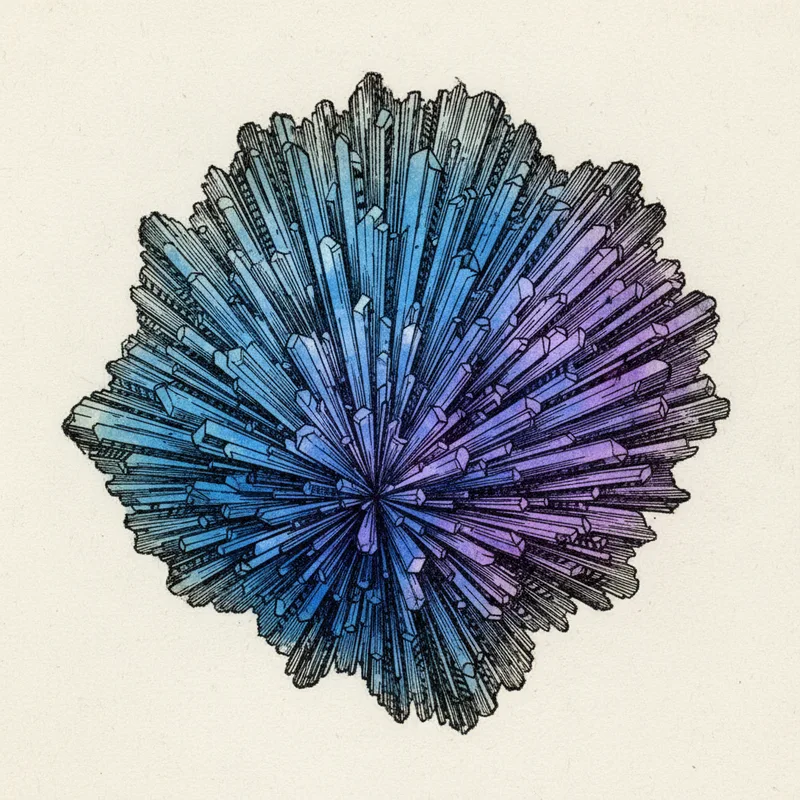
Dumortierite
The Patience Stone
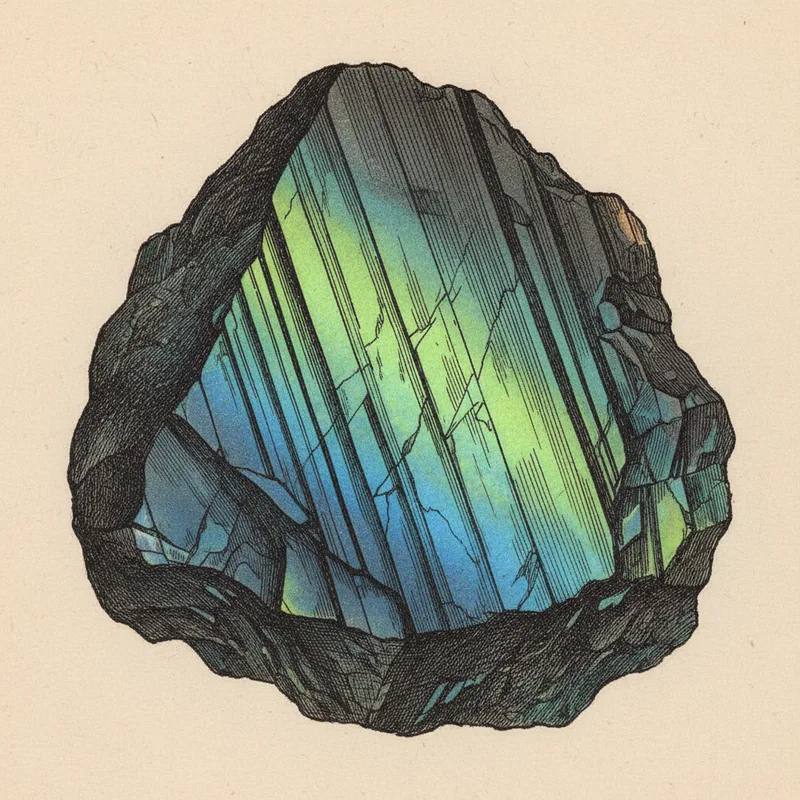
Labradorite
The Stone of Transformation
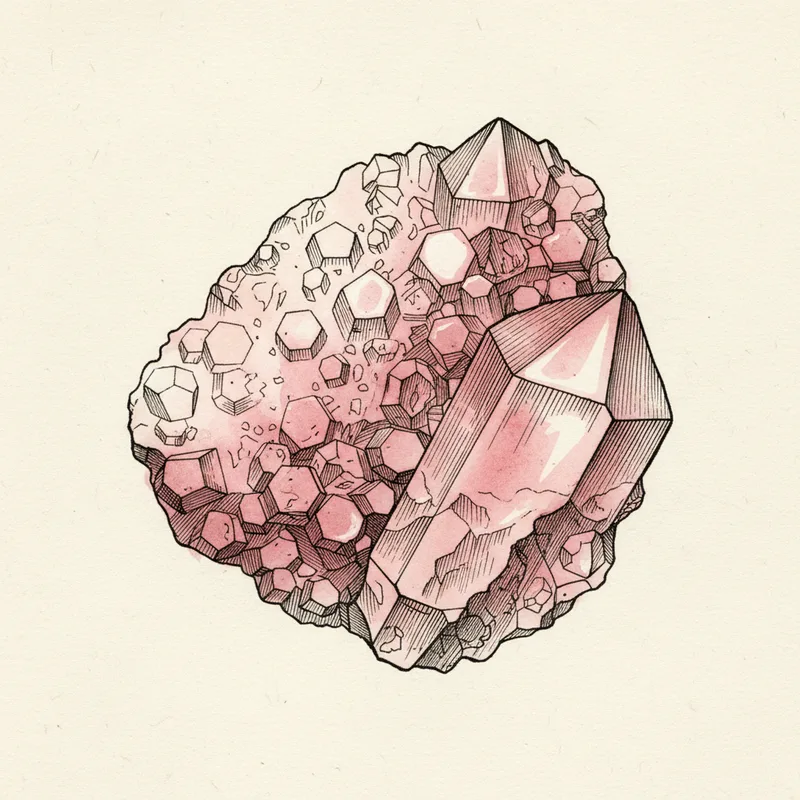
Rose Quartz
The Stone of Unconditional Love
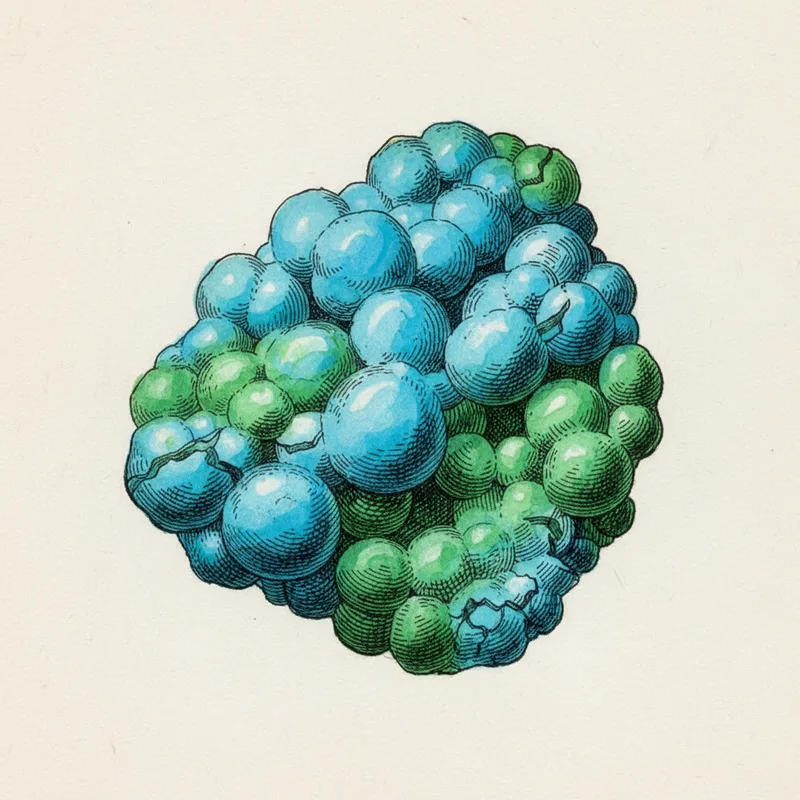
Chrysocolla
The Teaching Stone
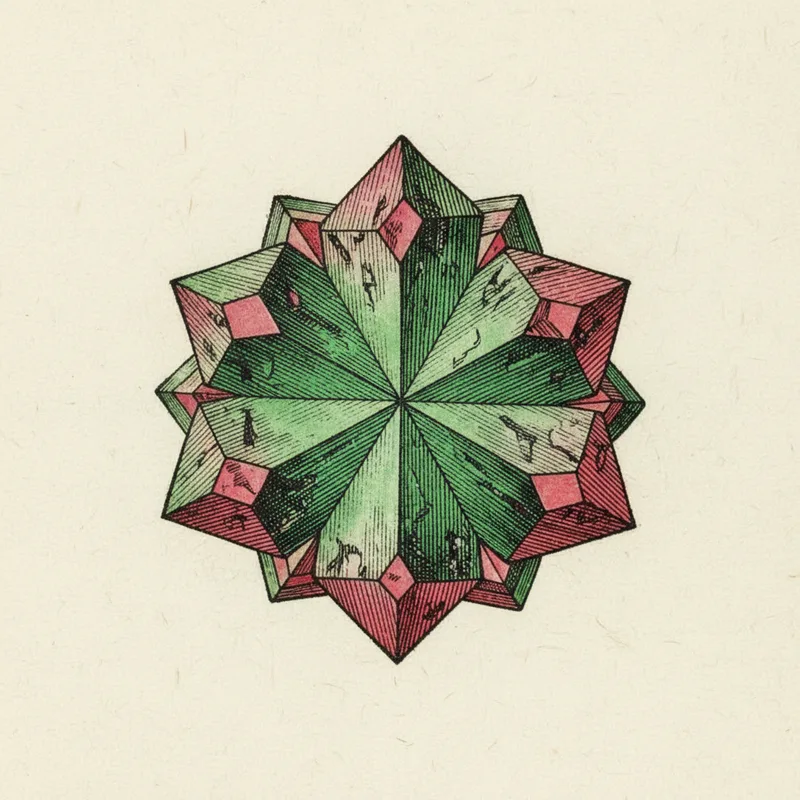
Alexandrite
The Chameleon Gem
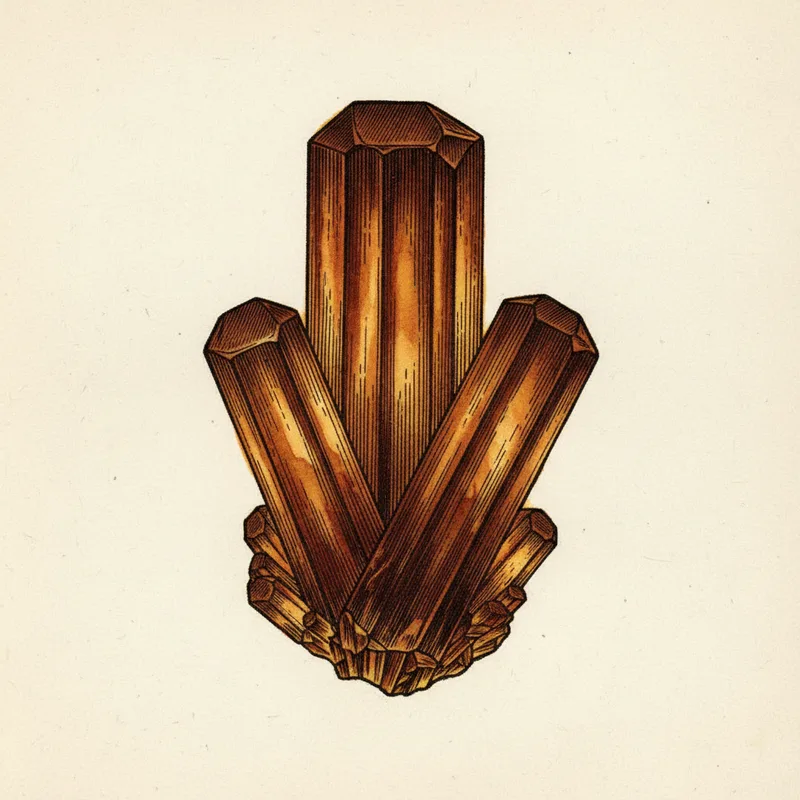
Tourmaline
The Rainbow Stone
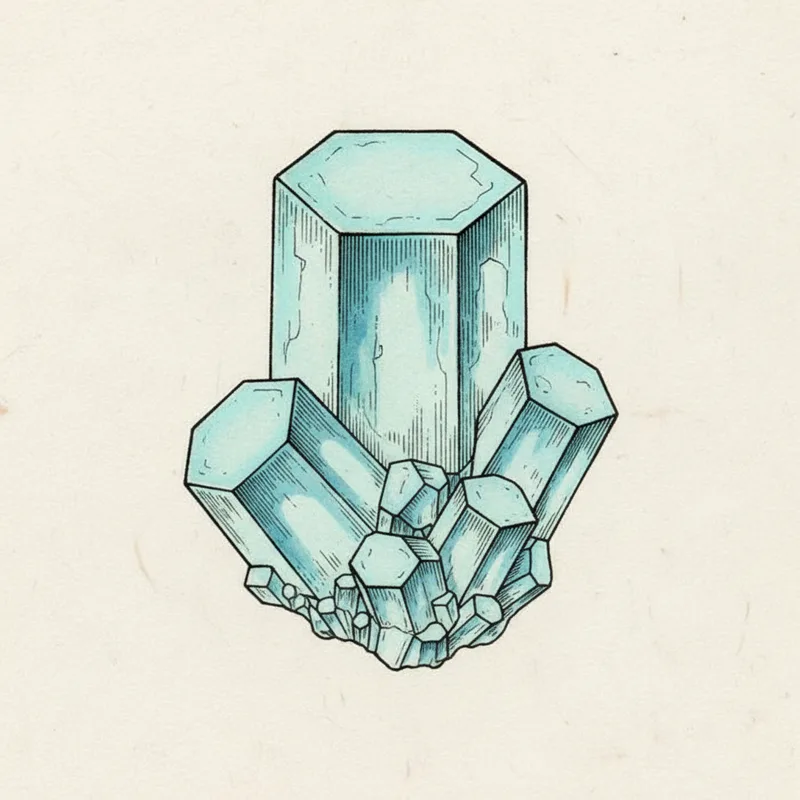
Aquamarine
The Sailor's Gem
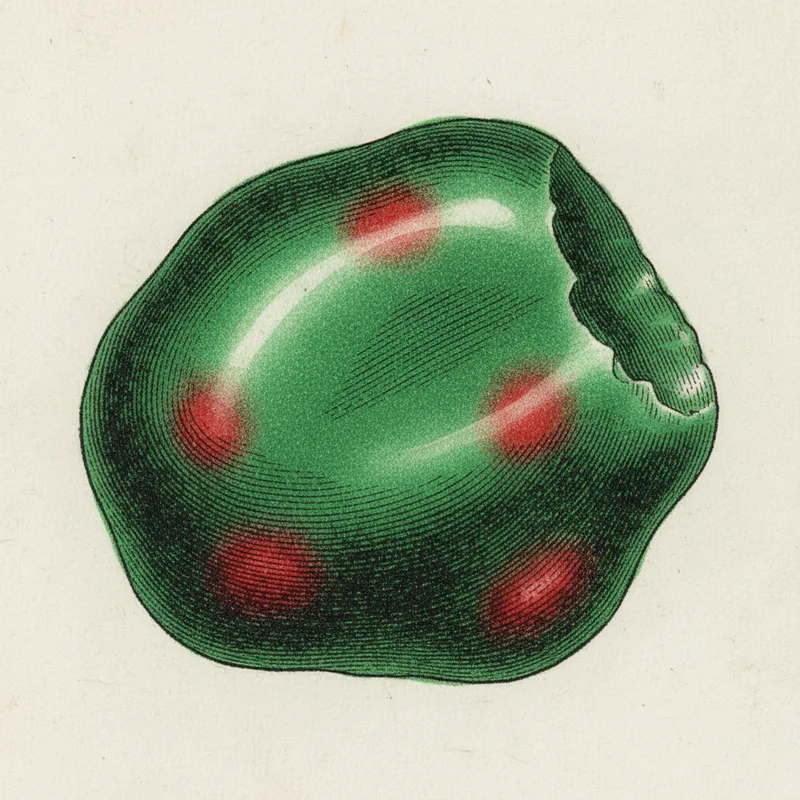
Bloodstone
The Martyr's Stone