The Most Expensive-Looking Crystals You Can Actually Afford
Key Takeaway: You don't need to spend thousands per carat to own stunning gemstones. For nearly every legendary (and legendarily priced) gem, there's a geologically fascinating alternative that delivers the same visual impact for a fraction of the cost. Rhodolite garnet rivals ruby. Tsavorite matches emerald. Spinel outperforms sapphire. The trick is understanding what drives the price gap, because it's rarely about beauty.
The gemstone world has a pricing problem. A fine 1-carat ruby can cost $5,000 to $15,000. A 1-carat rhodolite garnet with a nearly identical red-pink color costs $50 to $300. Both are natural minerals pulled from the earth. Both are hard enough for daily-wear jewelry. Both are beautiful.
So why the 50x price difference? And more importantly, why are most people still paying ruby prices when garnet prices exist?
The answer comes down to rarity, brand recognition, and tradition. The "Big Three" gemstones, ruby, sapphire, and emerald, have millennia of royal and cultural history inflating their prices. But the geological world is full of minerals that deliver comparable color, brilliance, and durability at a tiny fraction of the cost. Here are the best swaps, organized by the expensive gem they can stand in for.
Ruby Alternatives: Red Without the Ransom
Rhodolite Garnet - $20 to $300 per carat
Rhodolite garnet is the single best value in red gemstones. Period. It's a natural blend of pyrope and almandine garnet (Mg,Fe)₃Al₂(SiO₄)₃ that produces a distinctive raspberry-to-rhodolite-red color. The best pieces from Tanzania and Mozambique display a vivid purplish-red that sits right next to fine ruby in a lineup.
The key differences: rhodolite has a lower refractive index (1.76 vs ruby's 1.77) and no fluorescence under UV light. It sits at 7 to 7.5 on the Mohs scale, compared to ruby's 9. For jewelry purposes, that hardness difference is irrelevant. Anything above 7 handles daily wear beautifully.
The price gap: A 2-carat fine ruby costs $10,000 to $30,000. A 2-carat top-color rhodolite garnet costs $100 to $600. You could buy a hundred rhodolites for the price of one ruby.
Red Spinel - $200 to $2,000 per carat
Spinel (MgAl₂O₄) has one of the most ironic histories in gemology. The "Black Prince's Ruby" in the British Imperial State Crown? Spinel. The "Timur Ruby" in the British Crown Jewels? Also spinel. For centuries, the world's most famous "rubies" were actually spinel.
Red spinel forms in the same marble-hosted deposits as ruby (both require aluminum, and spinel needs magnesium where ruby needs chromium). It shares similar hardness (8 on the Mohs scale), similar brilliance, and can display colors from hot pink to deep crimson. The best material comes from Mogok, Myanmar, the Luc Yen district of Vietnam, and Mahenge, Tanzania.
The price gap: A fine 1-carat Burmese ruby costs $5,000 to $15,000+. A fine 1-carat red spinel from the same region costs $500 to $3,000. Spinel is gaining recognition and prices are climbing, but it's still a fraction of ruby.
Emerald Alternatives: Green Without the Guilt
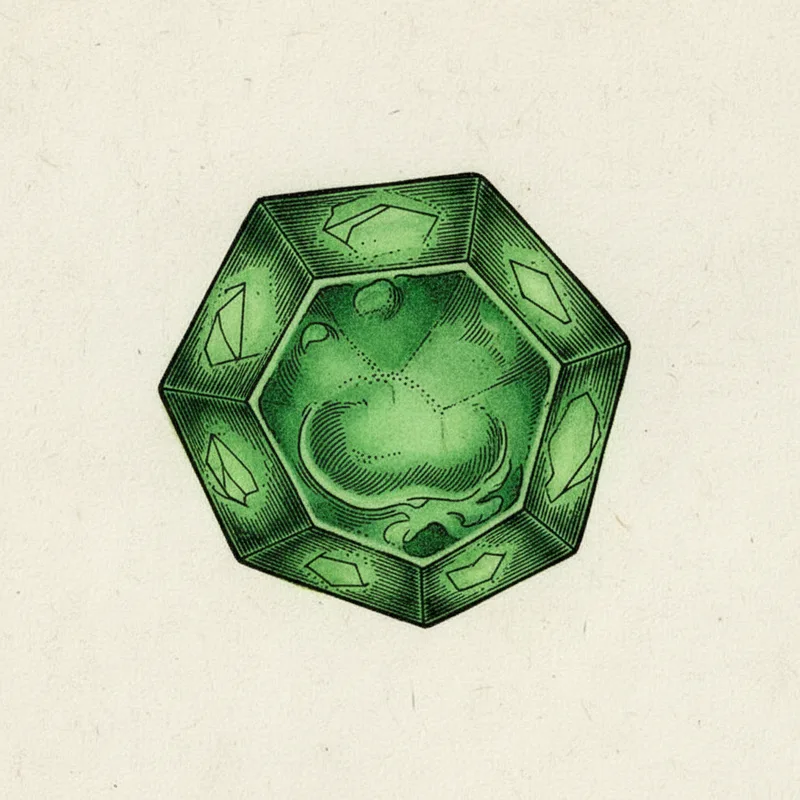
Tsavorite Garnet - $100 to $3,000 per carat
Tsavorite is the green grossular garnet (Ca₃Al₂(SiO₄)₃) that makes emerald collectors nervous. Discovered in 1967 near Tsavo National Park in Kenya, it gets its vivid green from vanadium and chromium, the same chromium that colors emerald. But tsavorite has three practical advantages over emerald: higher brilliance (refractive index 1.74 vs emerald's 1.58), greater clarity (tsavorite is rarely included, while emerald is almost always included), and better toughness (no cleavage planes, unlike emerald's brittle fracture tendency).
The best tsavorite rivals Colombian emerald in color saturation. Stones over 2 carats are genuinely rare and command serious prices, but in the 0.5 to 1.5 carat range, tsavorite delivers exceptional value.
The price gap: A fine 1-carat Colombian emerald costs $3,000 to $10,000+. A fine 1-carat tsavorite costs $500 to $2,000. And the tsavorite will likely be cleaner, more brilliant, and more durable in a ring setting.
Chrome Diopside - $10 to $100 per carat
For pure green color impact on a tight budget, chrome diopside (CaMgSi₂O₆) is hard to beat. This calcium-magnesium silicate gets its rich forest green from chromium. The best material from Siberia displays a deep, saturated green that photographs remarkably close to emerald.
The catch: chrome diopside is soft. At 5.5 to 6.5 on the Mohs scale, it's not ideal for rings. Earrings and pendants are perfect. It also tends to go very dark in larger sizes, so stones under 2 carats look best.
The price gap: A fine 1-carat emerald costs $3,000+. A fine 1-carat chrome diopside costs $20 to $80. That's not a typo.
Sapphire Alternatives: Blue at a Fraction
Blue Spinel - $100 to $1,500 per carat
Spinel shows up again because it's genuinely one of the most undervalued gemstone families on Earth. Cobalt-colored blue spinel from Sri Lanka, Vietnam, and Tanzania produces a vivid, saturated blue that rivals fine sapphire. The cobalt coloring agent creates a neon-like intensity that iron-colored sapphire cannot match.
Spinel is singly refractive (unlike doubly refractive sapphire), giving it a cleaner, more diamond-like brilliance. At hardness 8, it's durable enough for any jewelry application.
The price gap: A fine 2-carat blue sapphire costs $2,000 to $8,000. A fine 2-carat cobalt blue spinel costs $400 to $3,000. Top cobalt spinels are approaching sapphire territory as collectors wake up, but the window of value is still wide open.
Tanzanite - $100 to $600 per carat
Tanzanite (Ca₂Al₃(SiO₄)(Si₂O₇)O(OH)) is one of the most geologically improbable gemstones on Earth. It forms exclusively in a 4-kilometer stretch near Mount Kilimanjaro in Tanzania, where an unusual combination of tectonic activity, vanadium-rich graphite gneiss, and hydrothermal alteration created the conditions for this blue-violet variety of zoisite. Those conditions occurred roughly 585 million years ago. They have never occurred anywhere else on the planet.
Tanzanite's trichroism (it shows blue, violet, and burgundy depending on the viewing angle) creates a depth of color that flat-colored stones cannot replicate. Fine tanzanite in the 3 to 5 carat range offers serious visual impact at prices well below comparable sapphire.
The price gap: A fine 3-carat blue sapphire costs $6,000 to $20,000. A fine 3-carat tanzanite costs $600 to $2,500. With only one mine on Earth and finite supply, tanzanite may not stay this affordable.
Pink Diamond Alternatives: Blush Without Bankruptcy
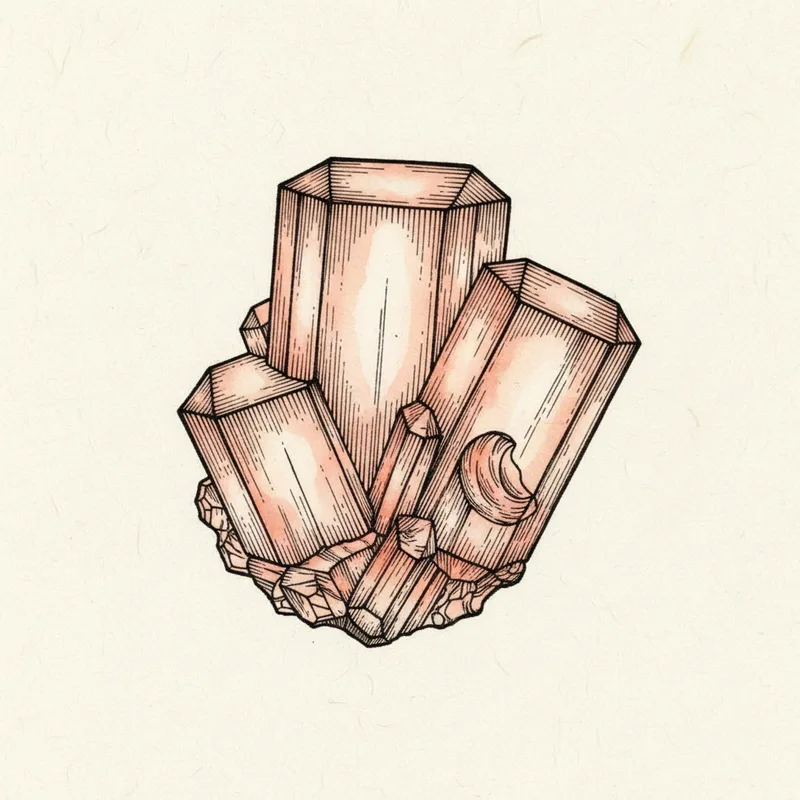
Morganite - $50 to $300 per carat
Morganite (Be₃Al₂Si₆O₁₈) is the pink variety of beryl, making it a direct cousin of emerald and aquamarine. Its delicate peach-to-pink color comes from manganese replacing some of the aluminum in the crystal structure. The best material comes from Brazil, Madagascar, and Afghanistan.
Morganite has become the go-to engagement ring stone for people who want pink without the pink diamond price tag. At hardness 7.5 to 8 and good toughness, it handles daily wear well. Larger stones (3 to 5 carats) actually show better color saturation than small ones, which is the opposite of most gemstones.
The price gap: A 1-carat fancy pink diamond costs $50,000 to $500,000+. A 1-carat morganite costs $50 to $300. You could buy a house-sized morganite for the price of a small pink diamond.
Pink Tourmaline - $50 to $500 per carat
Tourmaline in its pink variety (rubellite) offers a more saturated, hotter pink than morganite. The boron-silicate chemistry of tourmaline (Na(Li,Al)₃Al₆(BO₃)₃Si₆O₁₈(OH)₄) allows an enormous range of pink shades, from cotton-candy pastel to deep magenta. Nigerian and Mozambican rubellite can display a neon pink that stops people mid-conversation.
At 7 to 7.5 on the Mohs scale, pink tourmaline is plenty durable for rings. The best value sits in the 1 to 3 carat range where fine color is achievable without extreme prices.
Color-Change Gems: The Affordable Chameleon
Color-Change Garnet - $100 to $1,500 per carat
Alexandrite is the king of color-change gemstones, shifting from green in daylight to red under incandescent light. It's also brutally expensive. A fine 1-carat alexandrite with strong color change costs $5,000 to $15,000 or more.
Color-change garnet, typically a blend of pyrope and spessartine from Madagascar or East Africa, can display a similar shift from blue-green in daylight to reddish-purple under warm light. The mechanism is different (garnet's color change involves different absorption bands than alexandrite's chromium-driven shift), but the visual effect in a jewelry setting is remarkably similar.
The price gap: A fine 1-carat alexandrite costs $5,000 to $15,000. A fine 1-carat color-change garnet costs $200 to $1,500. Some collectors argue the garnet's color change is actually more dramatic.
The Undervalued Everyday Gems
Several gemstones are so affordable and so beautiful that they deserve a category of their own. These aren't stand-ins for more expensive stones. They're outstanding in their own right.
Peridot - $20 to $200 per carat
Peridot (Mg₂SiO₄) is one of the few gemstones that only comes in one color: green. The specific shade (a distinctive olive to yellow-green) is determined by the iron content in its olivine crystal structure. What makes peridot geologically remarkable is its origin. It's one of the few gems that forms in the upper mantle, 20 to 55 miles below the surface, and reaches the surface through volcanic eruption or tectonic uplift.
Fine peridot from the San Carlos Apache Reservation in Arizona, or from Suppat Valley in Pakistan, displays a pure, bright green that looks spectacular in gold settings. At $20 to $200 per carat for fine quality, it's absurdly underpriced for a gem with this much geological history.
Imperial Topaz - $100 to $1,000 per carat
Imperial topaz from Ouro Preto, Brazil is the topaz that most people have never seen. Forget the cheap irradiated blue topaz that floods the market at $5 per carat. Imperial topaz displays a warm, fiery orange-to-sherry color caused by chromium and color centers in its Al₂SiO₄(F,OH)₂ structure. The name "imperial" comes from the Brazilian emperor Dom Pedro II, who claimed the best crystals for the crown.
At hardness 8 and with perfect basal cleavage (handle with reasonable care during setting), imperial topaz is a serious gemstone that belongs in serious jewelry. The color is unique to topaz, no other affordable gem replicates that particular warm golden-orange.
Zircon - $50 to $400 per carat
Not cubic zirconia. Zircon (ZrSiO₄) is a natural mineral and one of the oldest on Earth, with some crystals dating back 4.4 billion years. Blue zircon from Cambodia displays a brilliance and fire that rivals diamond, thanks to a very high refractive index (1.93 to 1.98) and strong dispersion.
The problem with zircon is branding. People hear "zircon" and think "fake diamond." In reality, natural zircon is a remarkable mineral with greater optical performance than most gems costing ten times as much. At 6.5 to 7.5 on the Mohs scale, it needs slightly more care than sapphire, but it's perfectly viable for earrings, pendants, and carefully set rings.
How to Buy Smart: Five Rules
1. Learn the Mohs scale. Anything 7 or above is suitable for rings. Below 7, stick to earrings and pendants. This single number eliminates most bad purchases. Check our crystal care guide for specifics on water safety and sun exposure.
2. Buy the color, not the name. If you want a blue stone for a ring, compare sapphire, spinel, tanzanite, and blue zircon side by side. Your eyes don't care about the mineral name. Your wallet does.
3. Size up. One advantage of affordable gems is that you can go bigger. A 3-carat rhodolite garnet costs less than a 0.5-carat ruby but makes a dramatically more impressive piece of jewelry.
4. Check the source. Locality matters even for affordable gems. Mahenge spinel, Merelani tanzanite, Pakistani peridot, and Brazilian imperial topaz all carry slight premiums for their specific origin, and the quality difference is real.
5. Understand treatment. Most rubies and sapphires are heat-treated. Most emeralds are oiled or filled. Many of the alternatives listed here are completely untreated, which is actually a point in their favor for collectors who value natural material. Always ask.
FAQ
Which affordable gem is the best ruby substitute? Rhodolite garnet for color match and value, or spinel for closer hardness and historical prestige. Both are excellent.
Is tanzanite a good investment? Tanzanite comes from a single mine with finite supply, and fine material is becoming harder to source. Whether that translates to price appreciation depends on market demand. Buy it because you love it, not as a financial instrument.
Why is spinel suddenly getting so much attention? Because gemologists have spent decades pointing out that many of history's greatest "rubies" were spinel. The market is finally catching up. Spinel was added as an August birthstone in 2016, which helped raise its profile.
Can I tell the difference between these alternatives and the expensive originals? With the naked eye? Often no. Under gemological testing? Always yes. Each mineral has distinct optical properties, specific gravity, and crystal structure. A trained gemologist with standard equipment can identify any of these in minutes. For help identifying what you already own, see our guide to telling if your crystal is real.
Where should I start if I'm building a collection on a budget? Start with the garnet family. Between rhodolite, tsavorite, spessartine, demantoid, and color-change varieties, garnets cover virtually every color and price point. Check our guide to starting a crystal collection on any budget for more ideas.
Crystals in This Article
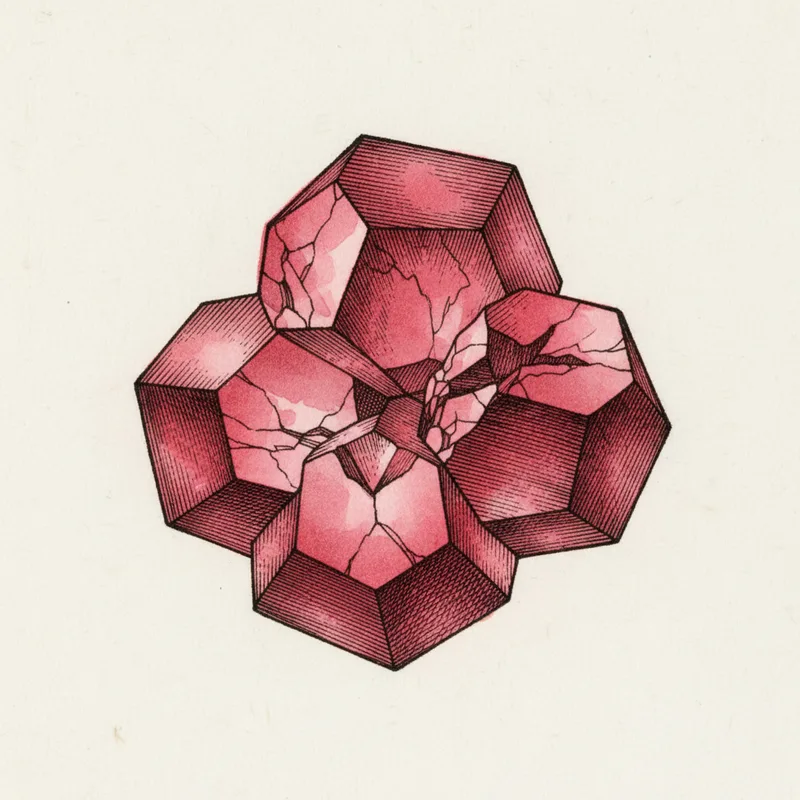
Rhodolite Garnet
The Rose Garnet

Almandine Garnet
The Warrior's Stone

Grossular Garnet
The Rainbow Garnet
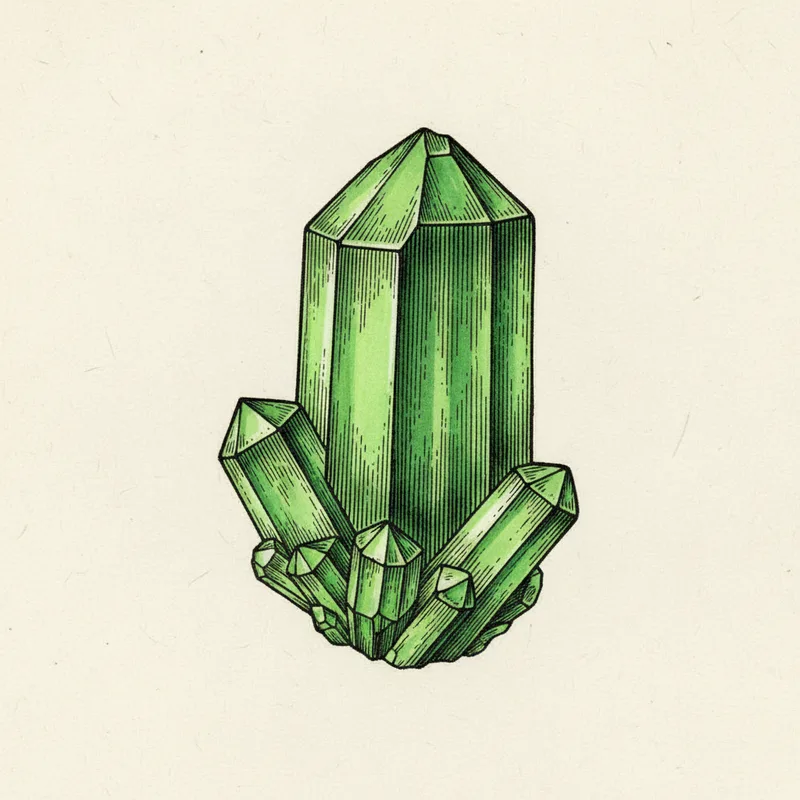
Chrome Diopside
The Siberian Emerald
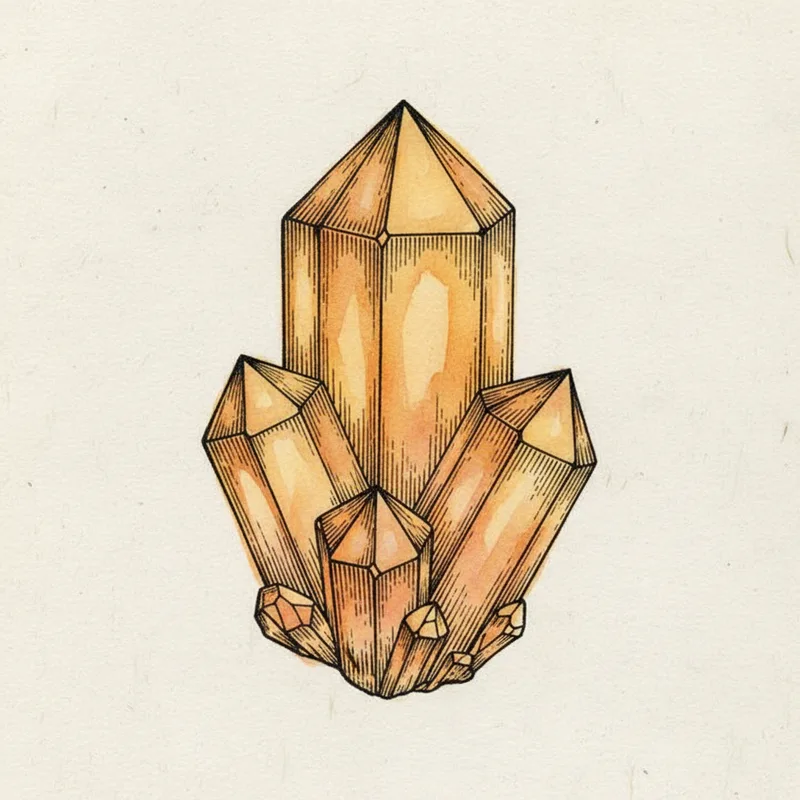
Imperial Topaz
The Crown Jewel of Topaz
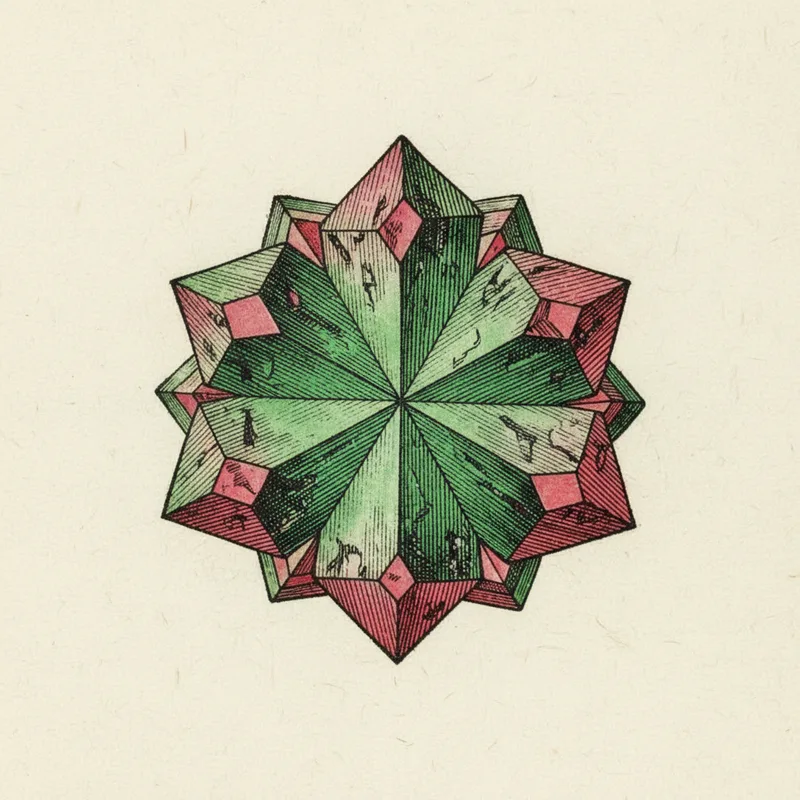
Alexandrite
The Chameleon Gem
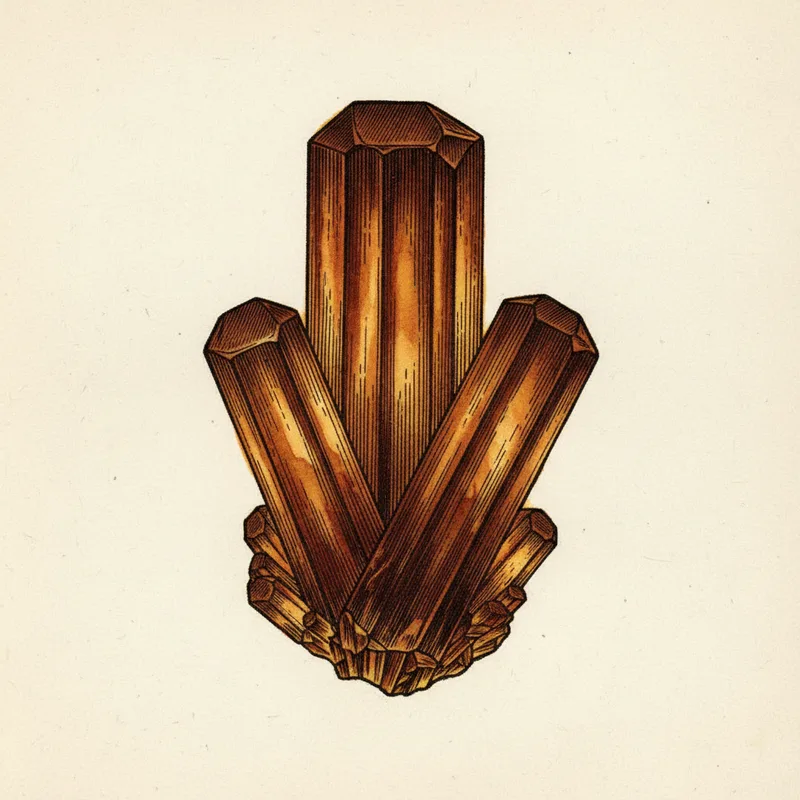
Tourmaline
The Rainbow Stone
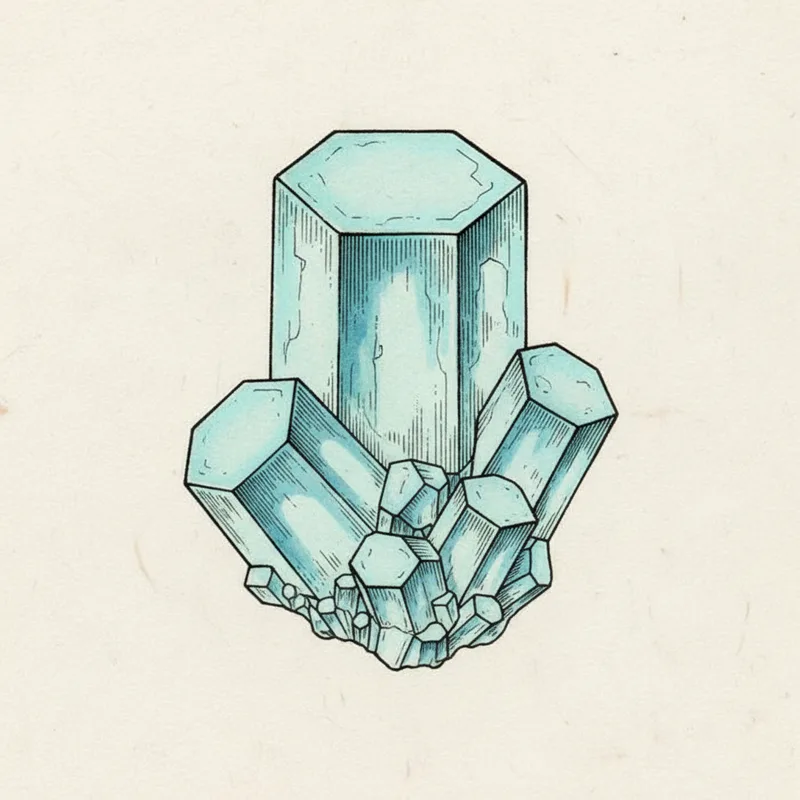
Aquamarine
The Sailor's Gem
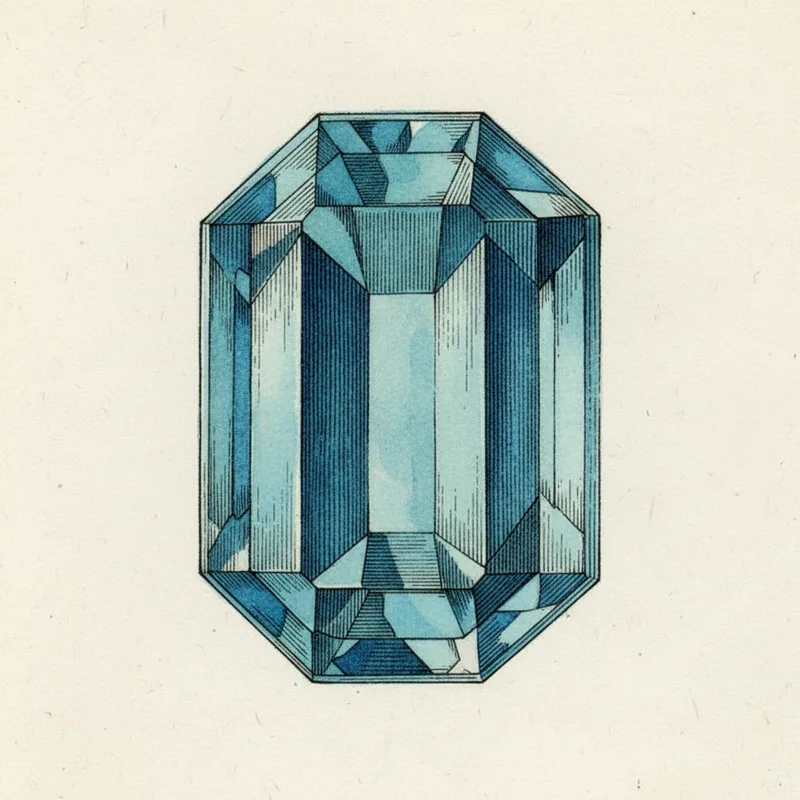
Blue Topaz
The Engineered Ice
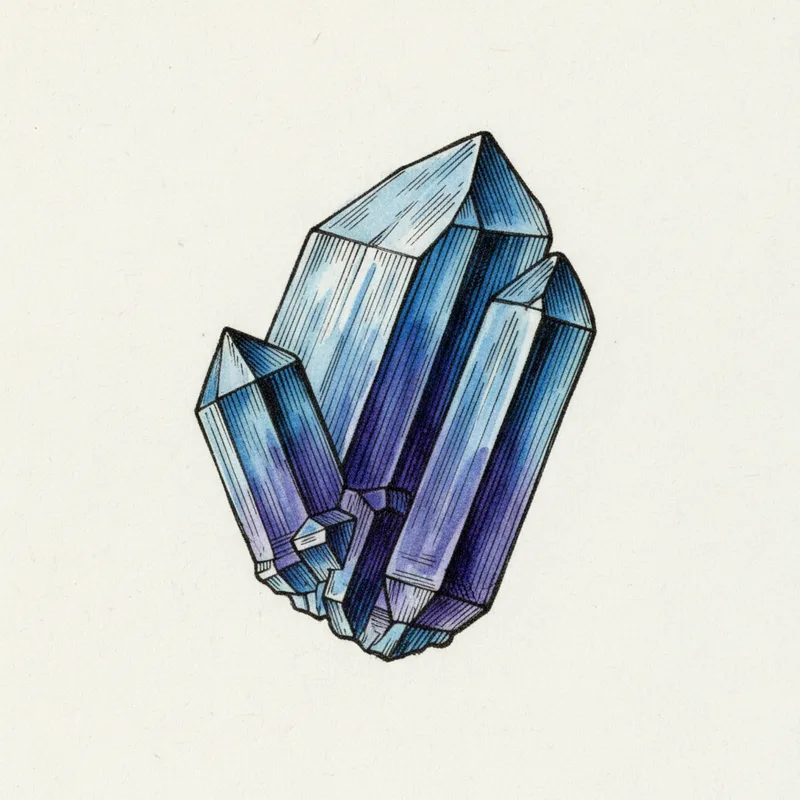
Tanzanite
The Generation Stone
Morganite
The Divine Love Stone
Tsavorite
The Emerald's East African Rival