How to Start a Crystal Collection on Any Budget
Key Takeaway: You can build a genuinely impressive crystal collection starting with $20. The key is buying smarter, not spending more. Focus on learning what you like before investing heavily, buy from the right places, and let your collection reflect curiosity rather than status.
The crystal market has a pricing problem. Instagram and TikTok are full of elaborate crystal "altars" featuring $500 amethyst cathedrals, $200 labradorite spheres, and towers of polished selenite that cost more than your groceries. It's easy to feel like crystal collecting requires serious money.
It doesn't. Some of the most interesting and beautiful minerals on Earth cost less than a coffee. And the collectors with the best collections aren't necessarily the ones who spent the most - they're the ones who learned the most.
Here's how to build a collection you're proud of at any budget level.
The $20 Starter Collection
Twenty dollars gets you a surprisingly complete introduction to the mineral world. Here's a sample shopping list using typical rock shop or online prices.
- Clear quartz point - $3
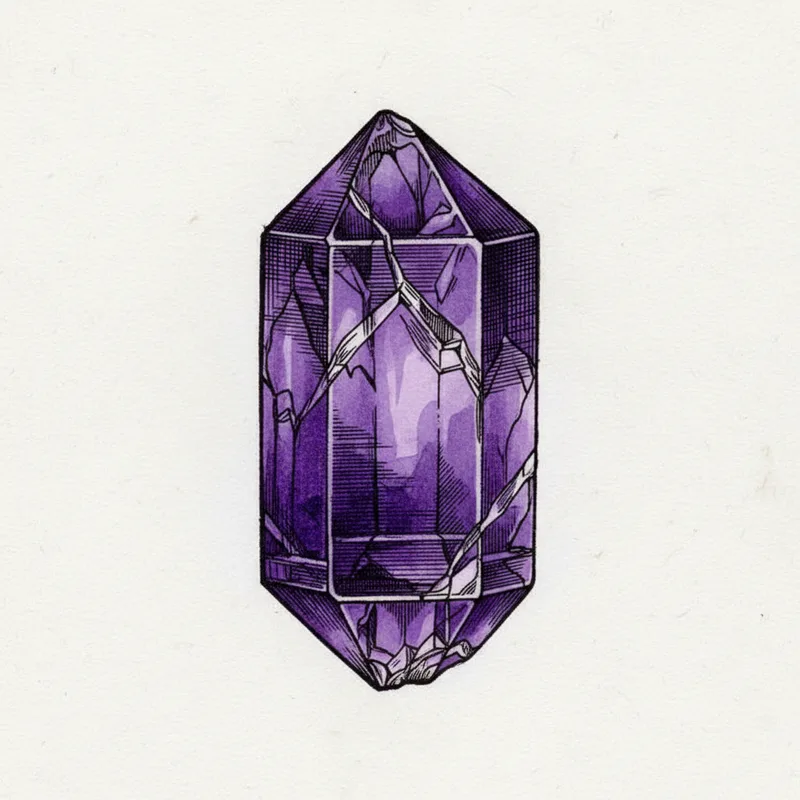
- Amethyst small cluster - $5
- Rose quartz tumbled - $2
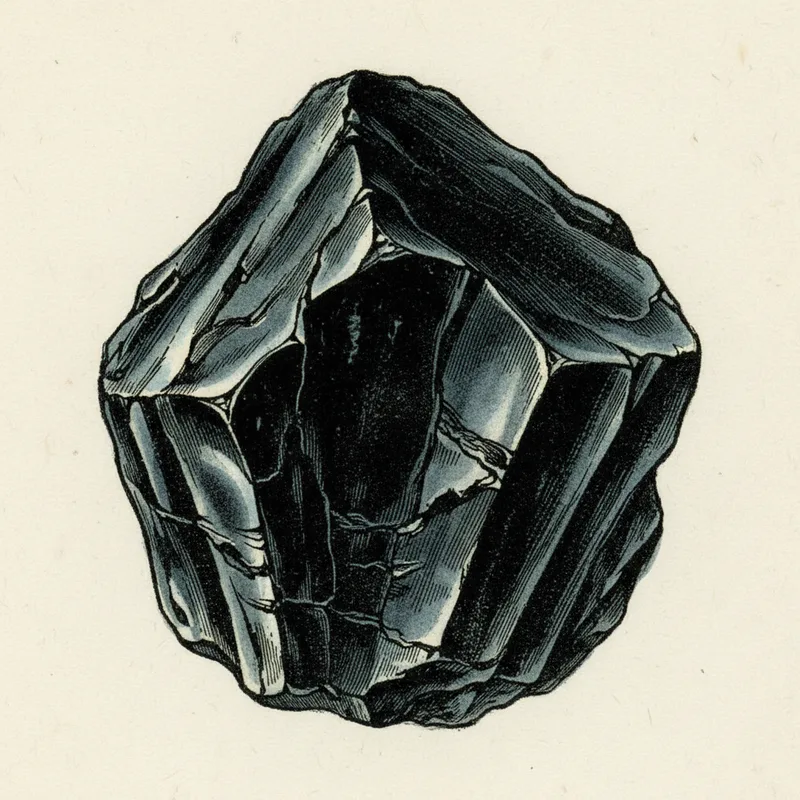
- Obsidian tumbled - $2
- Pyrite small specimen - $3
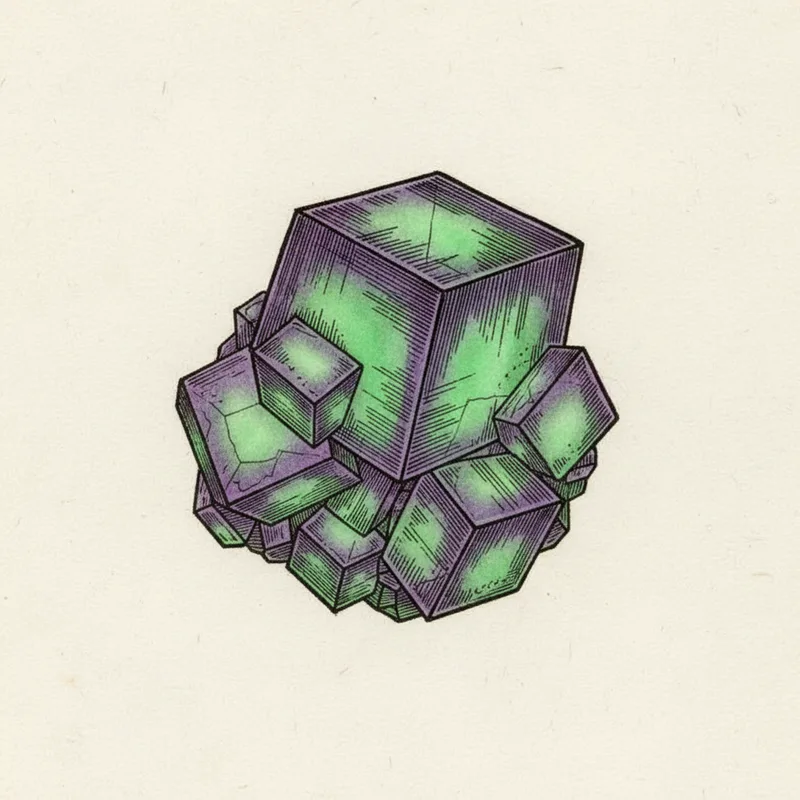
- Fluorite rough - $3
- Agate slice - $2
Total: $20. Seven minerals covering four crystal systems, three different lusters, and the full hardness range from 2 (if you swap in selenite) to 7. That's a real collection with real educational value.
The $50 Collection
With $50, you can add variety, size, and a few specimens that genuinely impress.
Everything from the $20 list, plus:
- Labradorite polished piece with flash - $10
- Tiger's eye cabochon - $3
- Malachite small polished slab - $8
- Citrine point (natural, not heated) - $7
- Garnet crystals in matrix - $5
Now you have twelve minerals, including specimens showing chatoyancy (tiger's eye), labradorescence, banding (malachite), and metallic luster (pyrite). This collection would teach a geology student the fundamentals.
The $100 Collection
At $100, you can start choosing specimens for quality, not just variety.
Everything above, plus:
- Lapis lazuli polished piece - $12
- Moonstone with blue sheen - $10
- Tourmaline crystal on matrix - $15
- Carnelian polished - $5
And upgrade 2-3 pieces from the original list to higher quality versions - a larger amethyst cluster, a fluorite with better color, a pyrite with visible crystal form.
You now have a 15+ piece collection that covers most major mineral groups and demonstrates nearly every important optical phenomenon in mineralogy.
Where the Smart Money Goes
Rock and Mineral Shows
If you live anywhere near a mineral show, this is the single best place to buy. Dealers at shows have lower overhead than retail shops, you can negotiate prices (especially on the last day), and you can inspect every specimen in person.
Small local shows often have better bargains than the famous ones (Tucson, Denver, Munich) because there's less competition from wealthy collectors. Check your local gem and mineral club's website for show schedules.
Estate Sales and Thrift Stores
Old mineral collections sometimes end up at estate sales, and the people running the sale often have no idea what they're worth. A collection that a hobbyist spent decades building might be priced at a few dollars per piece. This is how experienced collectors find their best deals.
Rockhounding (Free)
Depending on where you live, you can collect crystals yourself at no cost. Quartz, garnet, and agate are widely distributed and legally collectable on public land in many areas. State geological surveys publish guides to collecting locations, and local mineral clubs organize group field trips.
The thrill of finding your own crystals is incomparable to buying them. Even a rough, imperfect quartz crystal you dug yourself has more personal value than a perfect specimen from a shop.
Online Wholesale and Bulk Lots
If you want quantity (for a collection, for gifts, or for resale), buying bulk lots of tumbled stones or rough material from wholesalers is dramatically cheaper per piece than retail. A 1-pound bag of mixed tumbled stones might cost $8-15 wholesale versus $3-5 per individual stone retail.
The tradeoff is less control over individual quality. But for building a learning collection, the variety in a mixed lot is actually an advantage - you'll encounter minerals you wouldn't have specifically sought out.
What to Collect: Three Approaches
The Systematic Collector
Build a comprehensive reference collection organized by mineral group, crystal system, or chemical class. Aim to acquire one example of each major mineral family. Label everything with the mineral name, chemical formula, locality, and date acquired.
This approach is the most educational and the most satisfying long-term. Over years, gaps in your collection become goals, and filling each gap feels like an achievement.
The Aesthetic Collector
Collect whatever you find beautiful, regardless of system or category. Display your collection prominently and curate it like an art collection - each piece chosen because it brings you joy when you look at it.
This approach requires developing an eye for quality. Over time, you'll naturally start preferring specimens with better crystal form, richer color, and more interesting matrix. Let your taste evolve.
The Locality Collector
Focus on minerals from a specific geographic area - your home state, a region you love, or a famous mining district. This gives your collection a coherent story and often leads to deep knowledge about local geology.
Some collectors focus on a single mineral from as many localities as possible (amethyst from 20 different countries, for example), which beautifully illustrates how the same mineral varies with geological context.
Common Beginner Mistakes
Buying too much too fast. Slow down. Buy one or two pieces at a time. Study what you have before acquiring more. The collectors with the best collections are the ones who became students of the minerals, not just consumers of them.
Ignoring labels and provenance. Always record what you buy, where it came from, and when you acquired it. A labeled collection is worth dramatically more (financially and educationally) than an unlabeled one. Get in the habit from day one.
Overpaying for "healing" premium. The same tumbled amethyst that costs $2 at a rock shop costs $12 at a wellness boutique with a card explaining its "energy properties." The stone is identical. Buy from mineral dealers, not lifestyle brands.
Neglecting storage. Minerals can scratch each other (harder minerals damage softer ones), fade in sunlight, or deteriorate in humidity. Store specimens individually (small boxes or cloth bags work fine) and keep light-sensitive minerals out of direct sun.
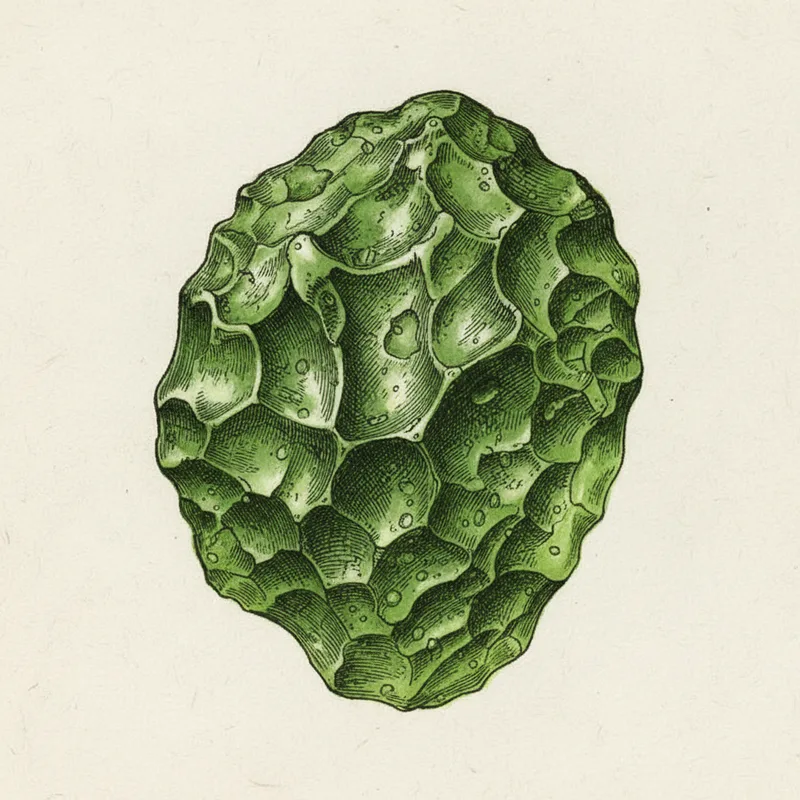
Chasing trends. Moldavite, larimar, and shungite have all experienced social media-driven price spikes. Buying trendy minerals at peak prices means overpaying for something that may drop in value when the trend passes. Classic minerals (quartz, tourmaline, garnet, fluorite) hold their value better because demand is steady.
Display Ideas on a Budget
You don't need expensive display cases to show off your collection.
- A simple wooden shelf with LED strip lighting behind the minerals makes them glow dramatically
- Clear acrylic risers (a few dollars each) create height variation in a display
- Black velvet cloth (from any fabric store) as a background makes every crystal look more impressive
- Group minerals by color for visual impact, or by type for educational value
- Rotate your display monthly - it keeps the collection feeling fresh and forces you to handle and appreciate pieces that might otherwise sit forgotten
FAQ
What's the minimum I need to spend to start collecting? Literally $0 if you live near collectible minerals (quartz and garnet are widespread). For purchased specimens, $20 gets you a meaningful starter collection of 5-7 minerals.
Should I buy raw or polished crystals? Both. Raw specimens show natural crystal form and are generally cheaper. Polished specimens show color and internal features better. A good collection includes both. For learning mineral identification, raw specimens are more useful.
How do I know what a fair price is? Browse multiple sellers before buying. Check completed eBay listings to see what similar specimens actually sold for (not just what they're listed at). Visit mineral shows where you can compare prices across dozens of dealers. With experience, you'll develop a sense of what things should cost.
Is crystal collecting a good investment? For most people, no. Mineral specimens are illiquid assets with no guaranteed appreciation. Some specimens from famous, now-closed localities have appreciated significantly over decades, but this requires expertise to predict. Collect because you love it, not because you expect financial returns.
How do I learn more about minerals? Start with a good field guide (Simon and Schuster's Guide to Rocks and Minerals is a classic). Join your local mineral club. Visit natural history museums with mineral galleries. Read Crystal Almanac. And most importantly, handle as many minerals as possible - identification is a skill that develops through direct experience, not just reading.
Crystals in This Article
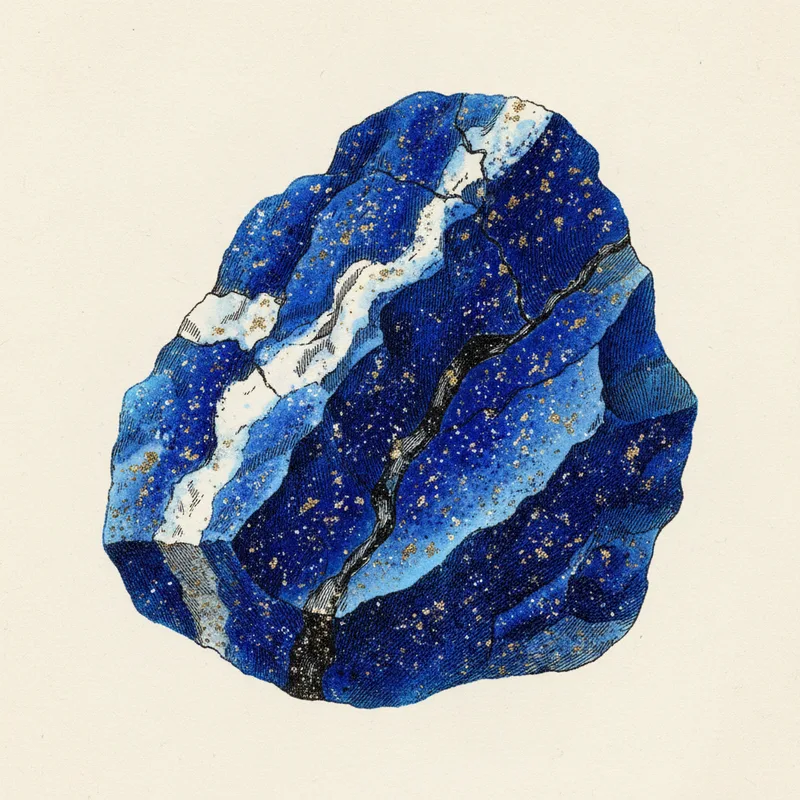
Lapis Lazuli
The Stone of the Heavens
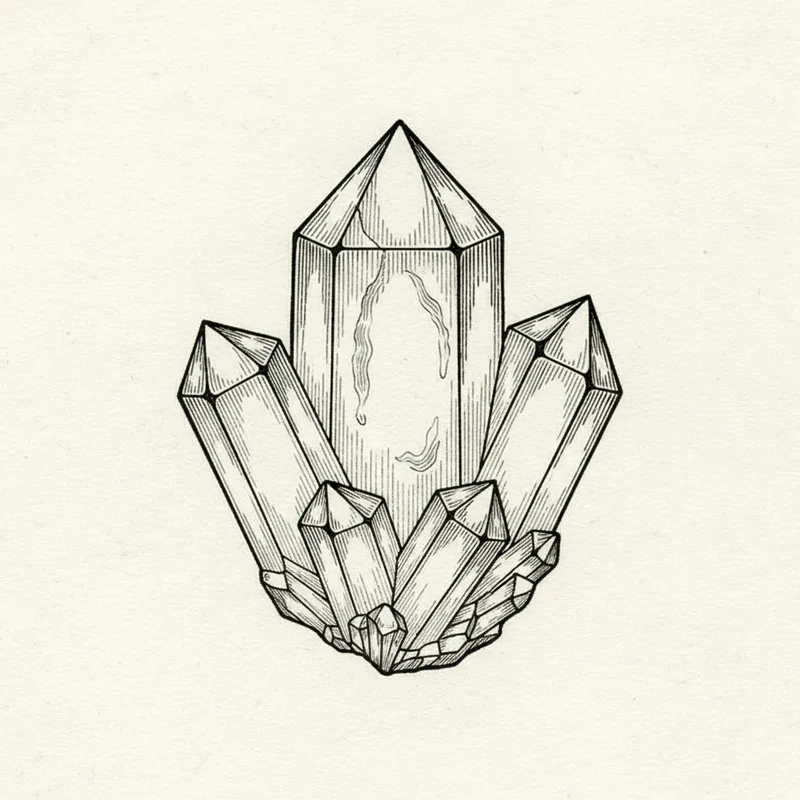
Clear Quartz
The Master Healer
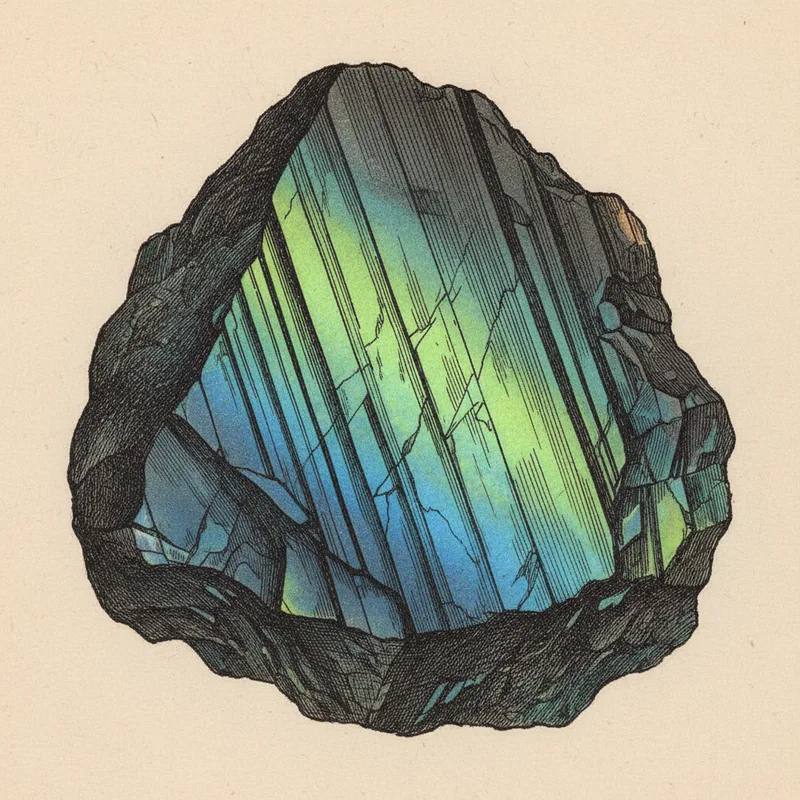
Labradorite
The Stone of Transformation
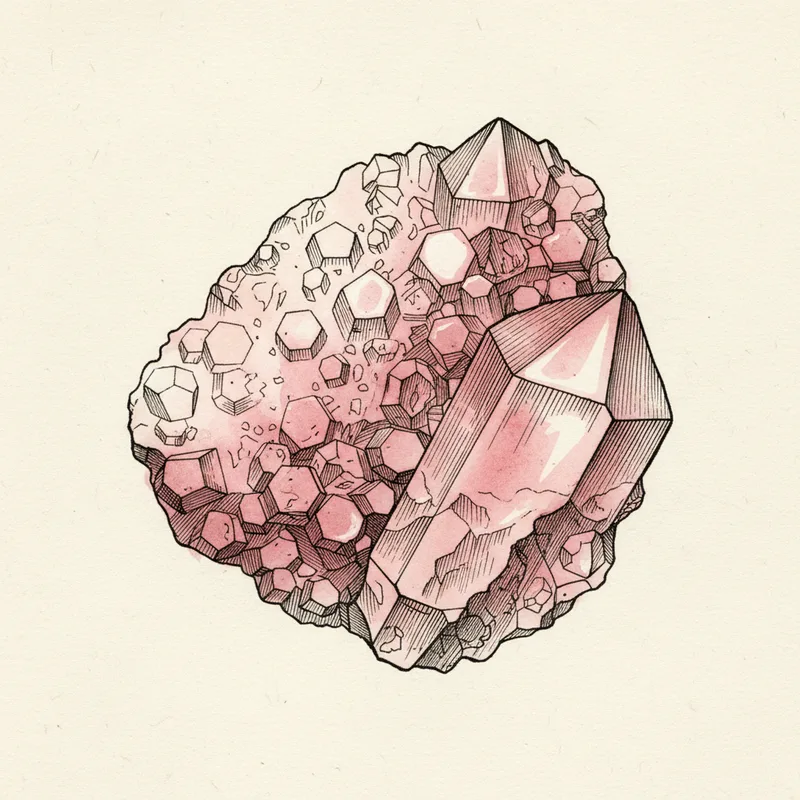
Rose Quartz
The Stone of Unconditional Love
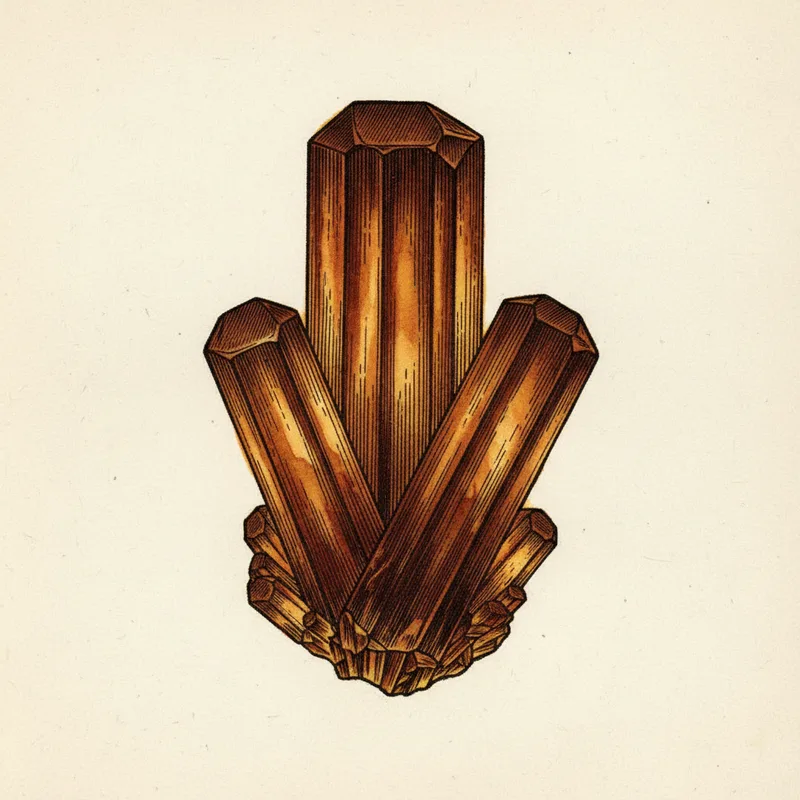
Tourmaline
The Rainbow Stone
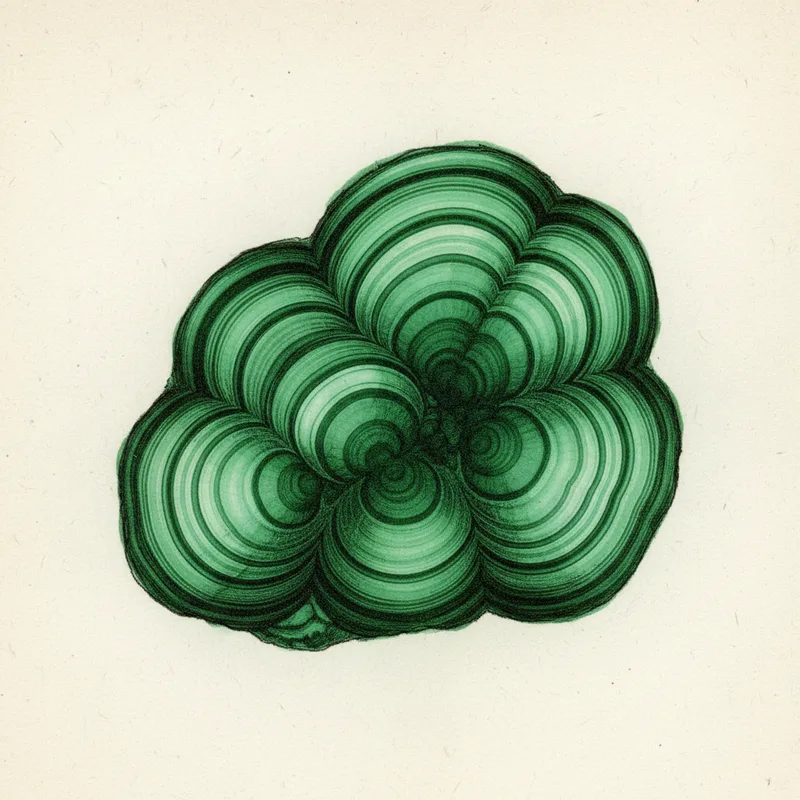
Malachite
The Stone of Transformation
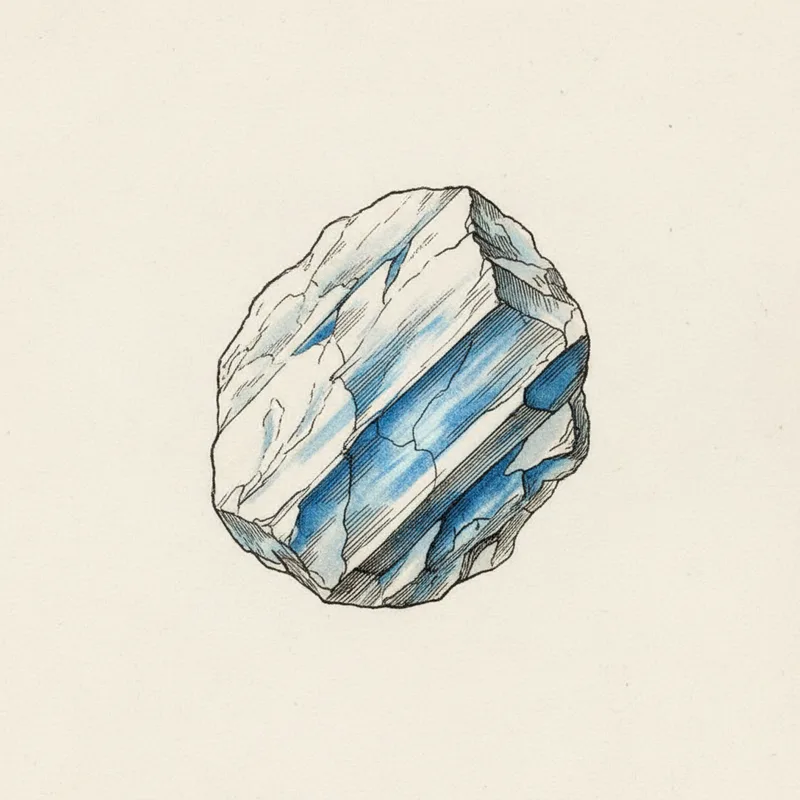
Moonstone
The Traveler's Stone
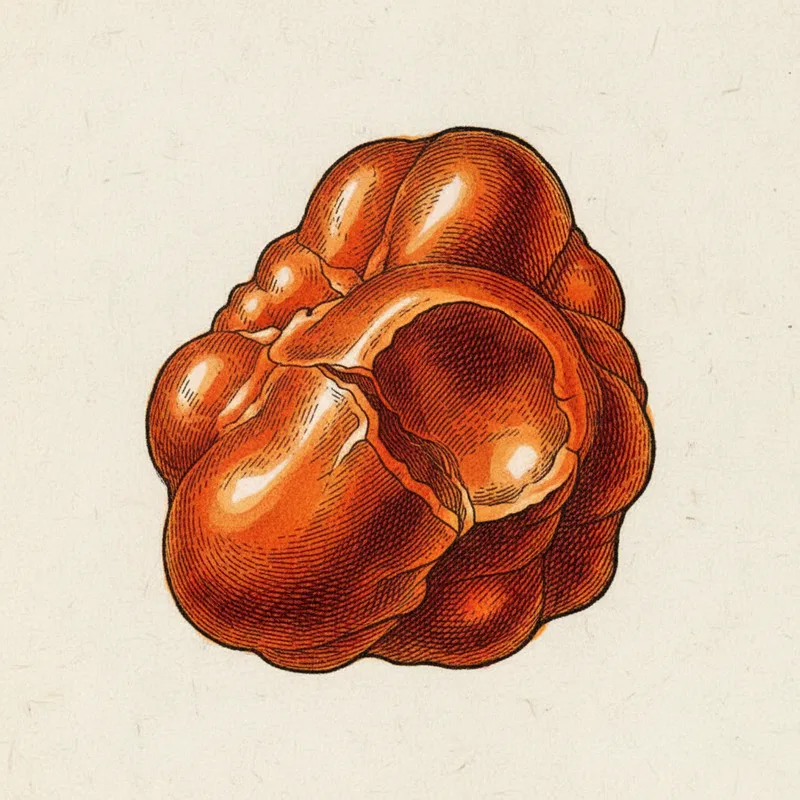
Carnelian
The Singer's Stone
Moldavite
The Stone from the Stars
Obsidian
The Volcanic Glass
Amethyst
The Stone of Spiritual Wisdom
Fluorite
The Genius Stone
Keep Reading
Stay in the loop
From the Almanac
Updates from Crystal Almanac, when there’s something worth sharing.