Where to Buy Crystals Online Without Getting Scammed
Key Takeaway: Buy from sellers who photograph the actual specimen you'll receive, disclose treatments, offer returns, and have established review histories. Avoid sellers using stock photos, making healing claims in lieu of mineral information, or pricing dramatically below market.
The online crystal market is booming - and so are the scams. Dyed howlite labeled as turquoise. Glass sold as obsidian. Heat-treated amethyst priced as natural citrine. Stock photos that look nothing like what arrives in the mail.
The good news: the majority of online crystal sellers are legitimate, passionate people who love minerals. The bad news: the minority who aren't can cost you real money and erode trust in the hobby. Here's how to tell the difference and find sellers you can rely on.
The Five Signs of a Trustworthy Seller
1. They photograph the actual specimen
This is the single most important indicator. A trustworthy crystal seller photographs the specific stone you'll receive - not a stock image, not a "representative" photo, not an AI-generated picture. Every natural specimen is unique, and a seller who shows you exactly what you're getting has nothing to hide.
Red flag: listings that say "you will receive a stone similar to the one pictured" or use the same photo across multiple listings. This is standard practice for $2 tumbled stones (which are roughly interchangeable), but it's unacceptable for specimens, points, or anything over $20.
2. They disclose treatments
Responsible sellers clearly state whether a crystal has been heat-treated, dyed, stabilized, coated, or irradiated. These disclosures should be in the listing description, not buried in a FAQ page.
Heat-treated citrine should say "heat-treated amethyst" or "heated citrine." Stabilized turquoise should say "stabilized." Aura quartz should be labeled as coated. If a listing for a commonly treated stone doesn't mention treatment status at all, assume the worst or ask directly.
3. They offer returns
A seller who stands behind their product offers a return window (typically 7-30 days). This is standard in the reputable mineral trade. If a seller has a "no returns under any circumstances" policy, they're either selling material they know won't meet expectations or they don't care if it does.
4. They provide mineral information, not just metaphysical claims
Good sellers include the crystal's mineral name, locality (where it was sourced), approximate dimensions and weight, and any relevant geological details. If a listing is 90% healing properties and 0% mineralogy, the seller may not actually know what they're selling.
5. They have established review histories
Look for sellers with hundreds or thousands of reviews accumulated over years - not a new account with 15 five-star reviews that all appeared last month. Read the negative reviews specifically. Occasional complaints about shipping speed are normal. Repeated complaints about misidentified stones, misleading photos, or refusal to process returns are deal-breakers.
Where to Buy: Platform by Platform
Etsy
Best for: Unique specimens, small-batch sellers, supporting independent crystal businesses.
Etsy has become the largest marketplace for individual crystal sellers, ranging from hobbyists selling from their personal collection to professional dealers with extensive inventory. The platform's review system is helpful, and the direct messaging feature lets you ask questions before buying.
Watch out for: The explosive growth of crystal selling on Etsy has attracted drop-shippers who never touch the stones they sell - they order from wholesalers (often in China or Brazil) who ship directly to you. The quality is unpredictable. Look for sellers who clearly handle and photograph their own inventory.
Specialized Crystal Retailers
Best for: Reliable quality, curated selection, educational content.
Established online crystal shops like Fossilera, Mineralminers, Crystal Vaults, and The Crystal Council have reputations to protect and generally provide accurate identifications, detailed photos, and fair pricing. They're typically more expensive than Etsy but more consistent.
Instagram and TikTok
Best for: Discovering new sellers, seeing inventory in video, live sales.
Crystal live sales on Instagram and TikTok have become hugely popular. The advantage is seeing stones in video (which shows flash, translucency, and color more accurately than photos). The disadvantage is purchase pressure - live sales create urgency that can lead to impulse buying.
Watch out for: Sellers who only sell via live video and don't have a website or established shop. The lack of a written return policy and the pressure of live bidding can work against buyers.
eBay
Best for: Rare specimens, mineral show dealers, auction finds.
eBay has a long history in the mineral trade and many established dealers maintain shops there. The auction format can produce great deals on specimens. eBay's buyer protection program also provides recourse if something is misrepresented.
Watch out for: Misleading titles (e.g., "NATURAL CITRINE" that's actually heated amethyst), sellers located in regions known for producing fakes (not a blanket rule, but certain geographic clusters correlate with higher fraud rates), and "too good to be true" pricing.
Amazon
Best for: Basic supplies - tumbled stones, starter kits, bulk crystals.
Amazon is fine for inexpensive tumbled stones and beginner crystal kits where exact specimen quality isn't critical. It's not ideal for specimen collecting because Amazon's listing system (where multiple sellers share a listing) makes it impossible to know exactly which seller's inventory you'll receive.
Watch out for: Dyed and fake stones are prevalent in Amazon's crystal listings. Reviews often mix feedback for different sellers on the same listing, making them unreliable.
Mineral Shows and Gem Fairs (In Person)
Best for: The absolute best buying experience. Period.
Nothing replaces seeing and handling crystals in person. Mineral shows happen year-round across the country (the Tucson Gem and Mineral Show in February is the world's largest). You can examine specimens under different lighting, feel the weight, ask the dealer questions directly, and negotiate prices.
If you're within driving distance of a mineral show, go. Even small local shows often have surprisingly good material.
Price Sanity Checks
Knowing roughly what things should cost protects you from both overpaying and from "too cheap to be real" fakes.
Tumbled stones: $1-5 each for common minerals. If someone is charging $15 for a tumbled rose quartz, they're overcharging. If someone is selling "turquoise" tumbled stones for $0.50 each, they're dyed howlite.
Crystal points and clusters: $10-100 for common quartz and amethyst. Size, color intensity, and crystal perfection drive the price.
Polished specimens: $15-200 depending on size and mineral. Labradorite with strong flash, malachite slabs, and fluorite spheres all fall in this range.
Rare or gem-grade material: $100-10,000+. Paraiba tourmaline, fine opal, tsavorite garnet, imperial jade - these require lab reports and should come from established dealers.
The general rule: If a commonly available crystal costs 5x what other sellers charge, you're overpaying for marketing. If it costs one-fifth what it should, something is wrong with the identification or treatment disclosure.
How to Handle a Bad Purchase
If you receive a crystal that's misrepresented, damaged, or fake, here's the escalation path.
Step 1: Contact the seller directly. Most issues are resolved at this stage - sellers who care about their reputation will offer a replacement or refund.
Step 2: If the seller doesn't respond or refuses, use the platform's buyer protection (Etsy case system, eBay resolution center, PayPal dispute).
Step 3: For credit card purchases, your card issuer can initiate a chargeback for merchandise not as described.
Step 4: Leave an honest review describing the issue. This protects future buyers and incentivizes sellers to maintain quality.
FAQ
What's the best website to buy crystals? There's no single best site - it depends on what you're looking for. For specimens, try Fossilera or Etsy sellers with strong review histories. For bulk tumbled stones, Amazon is fine. For rare collector minerals, eBay auctions or specialized dealers. For the best experience, go to a mineral show in person.
Are cheap crystals from China fake? Not necessarily. China is a major producer of many legitimate minerals (fluorite, quartz, tourmaline) and a major cutting and polishing center for material sourced worldwide. However, China also produces a significant volume of dyed, treated, and synthetic material. The key isn't origin - it's seller transparency about what you're actually getting.
Should I avoid crystals without locality information? Locality (where a crystal was mined) is important for collector specimens but less critical for tumbled stones and basic pieces. A reputable seller should at least know the country of origin. If they can't tell you where a stone came from at all, that's a yellow flag.
How do I know if a crystal is ethically sourced? This is genuinely difficult. The crystal supply chain is opaque, and most sellers don't have visibility beyond their wholesaler. Some sellers partner directly with mines or artisanal miners, which provides better traceability. If ethical sourcing matters to you (and it should), look for sellers who can name their supply chain and avoid sellers who can't or won't discuss sourcing.
Is it worth paying more for "high quality" crystals? Depends on your goals. For display and collecting, quality (crystal form, color intensity, clarity, condition) directly correlates with visual impact and enjoyment. For tumbled stones you'll carry in a pocket, the difference between a $2 and $10 stone is minimal. Buy the quality level that matches how you'll use the stone.
Crystals in This Article
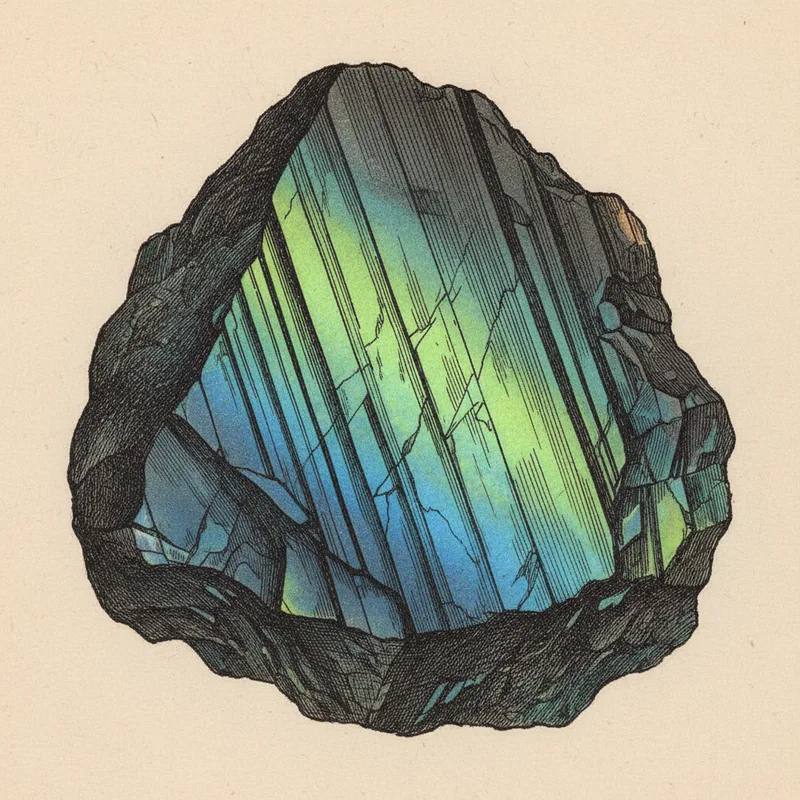
Labradorite
The Stone of Transformation
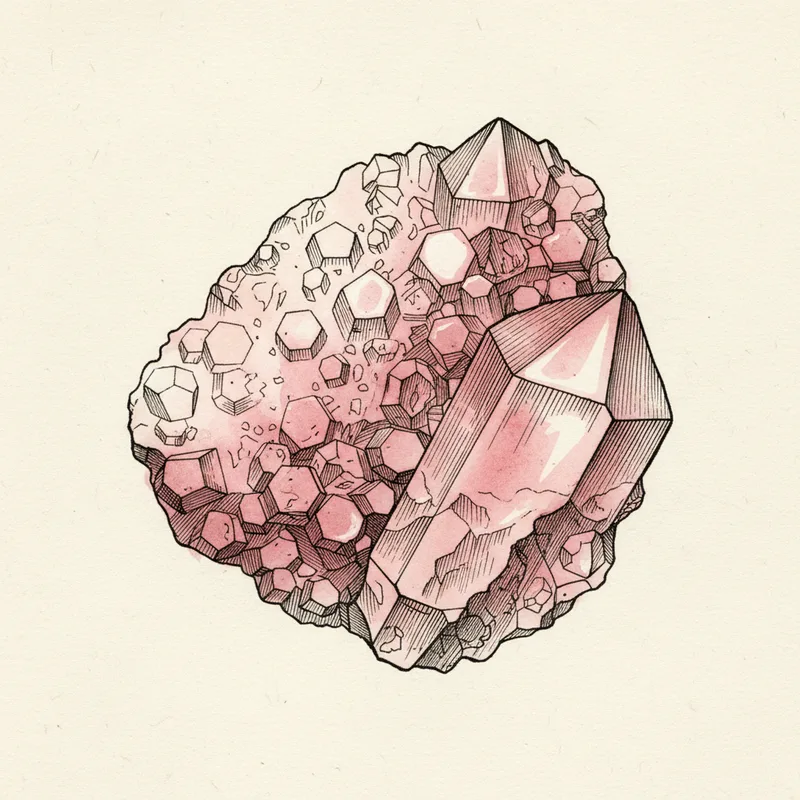
Rose Quartz
The Stone of Unconditional Love
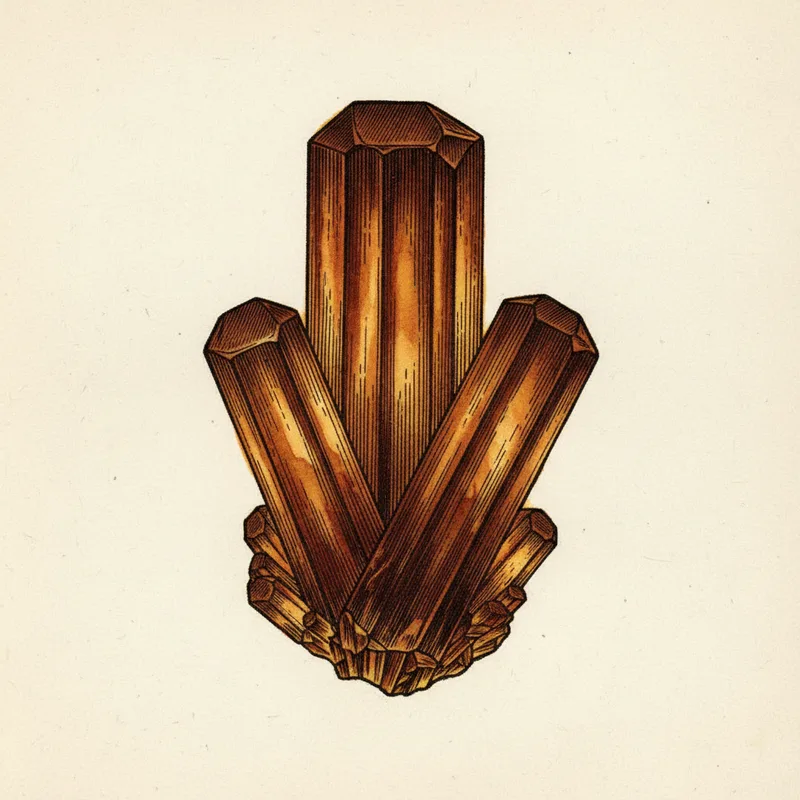
Tourmaline
The Rainbow Stone
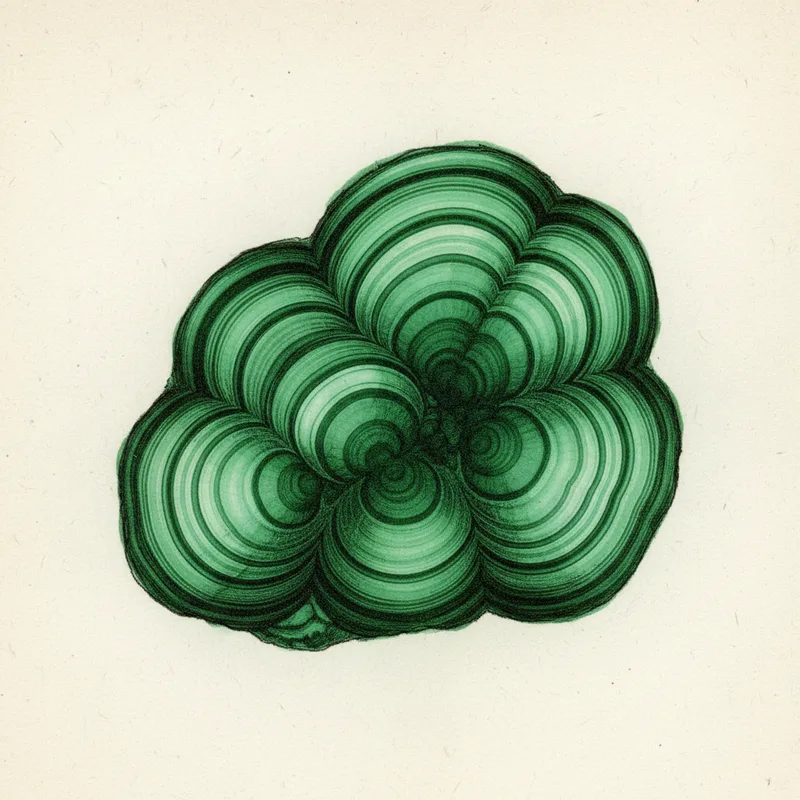
Malachite
The Stone of Transformation
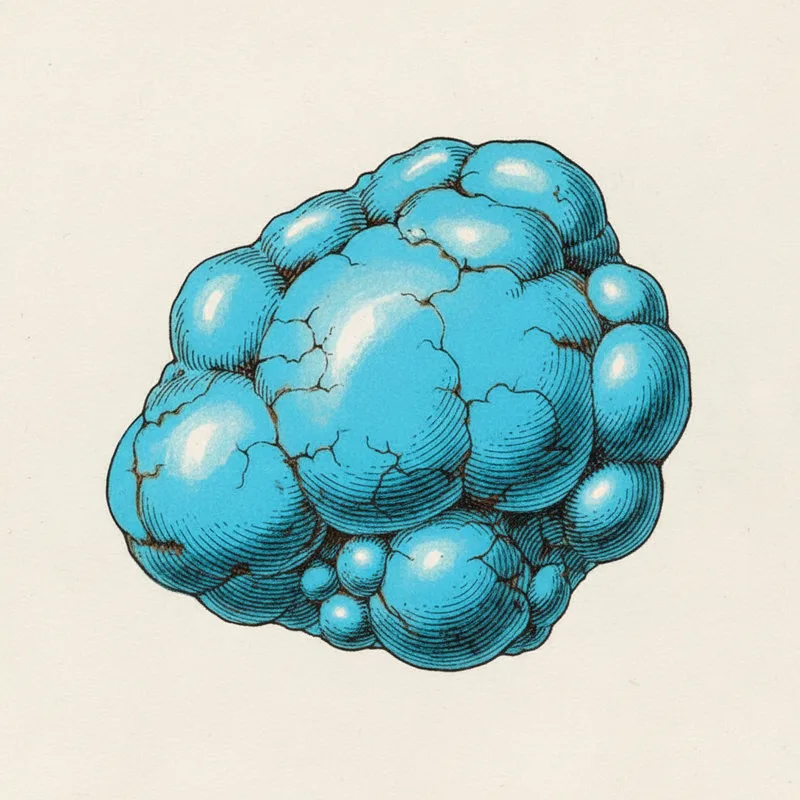
Turquoise
The Sky Stone
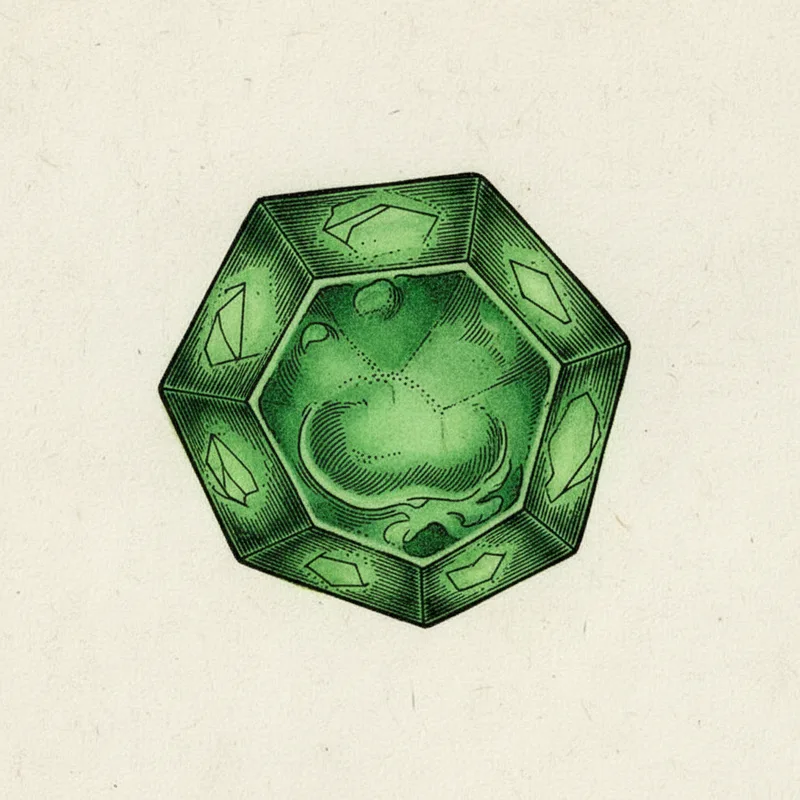
Tsavorite
The Emerald's East African Rival
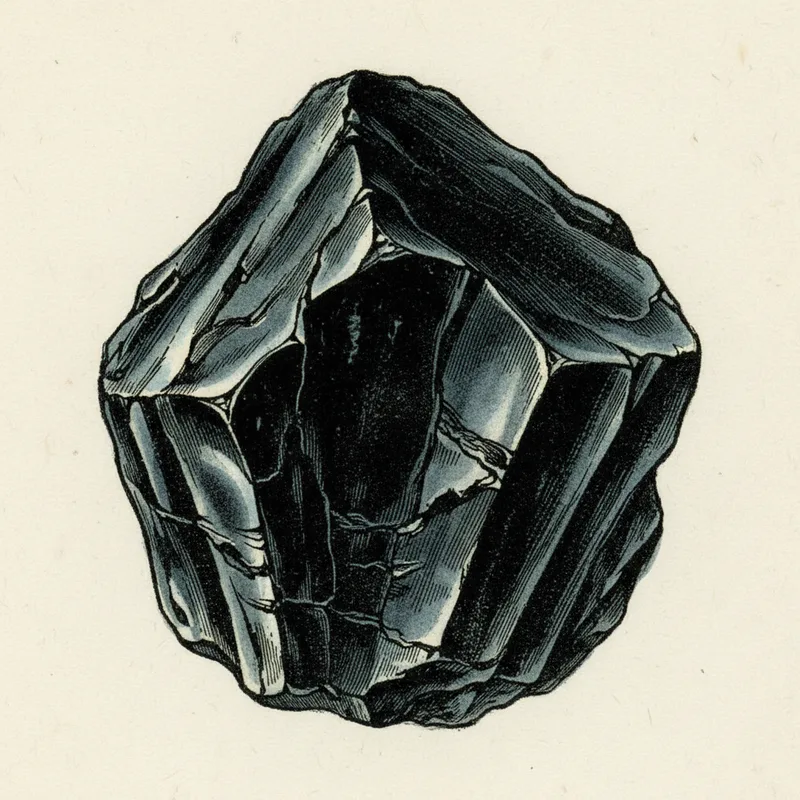
Obsidian
The Volcanic Glass
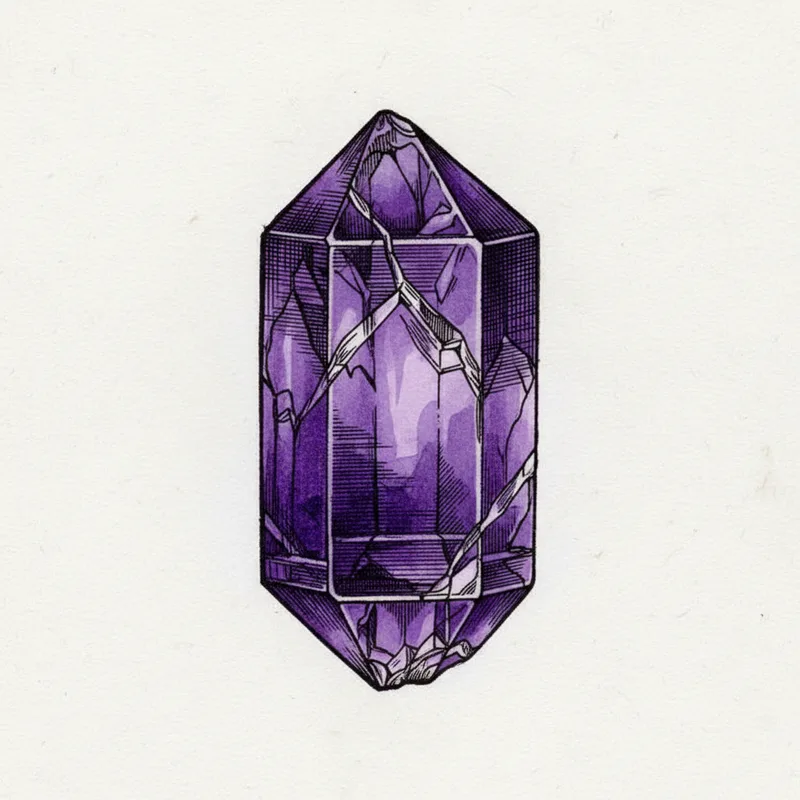
Amethyst
The Stone of Spiritual Wisdom
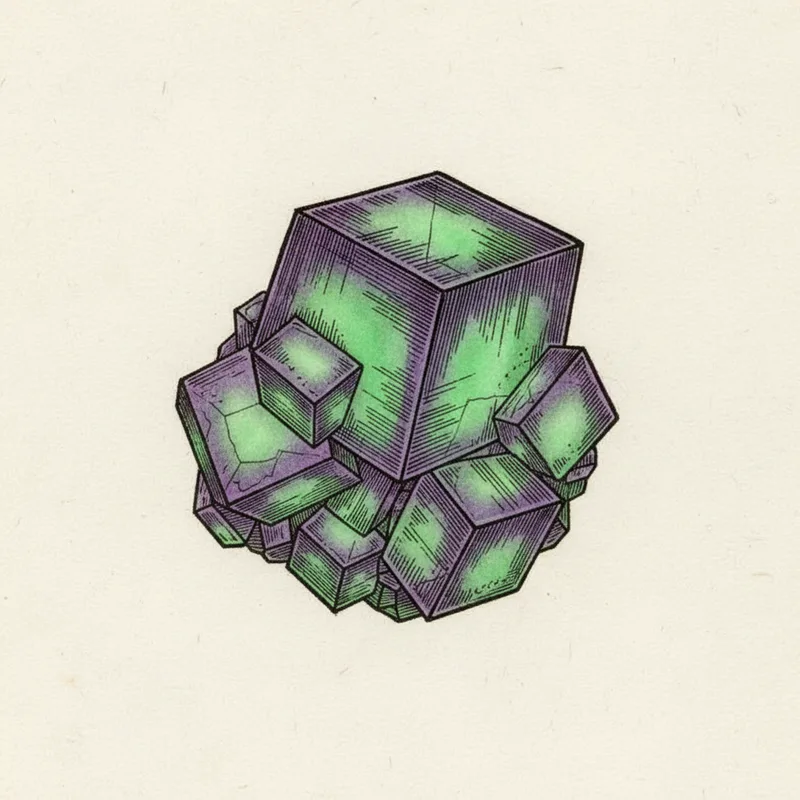
Fluorite
The Genius Stone
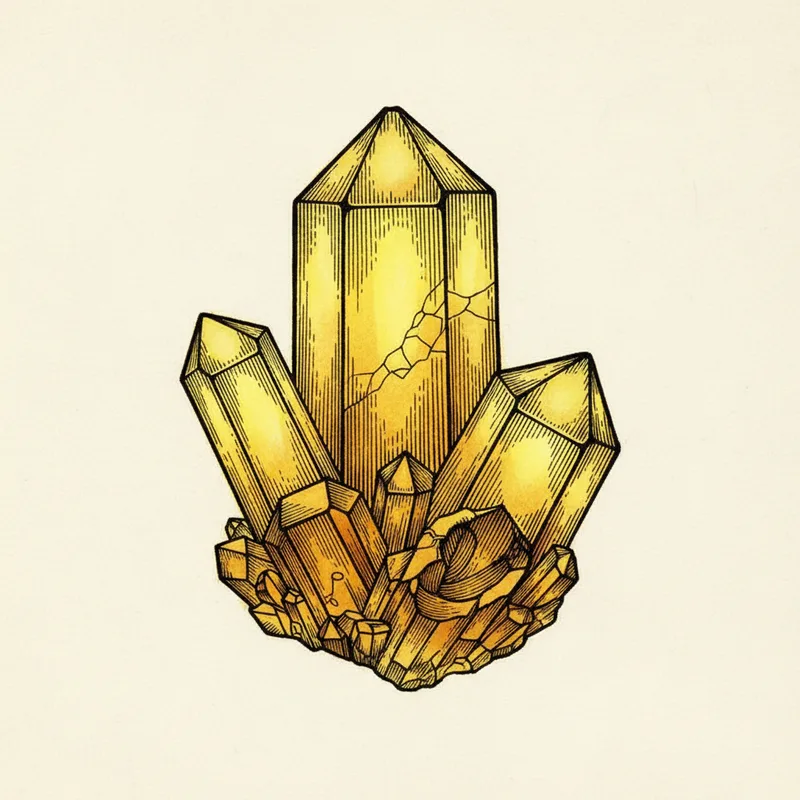
Citrine
The Merchant's Stone
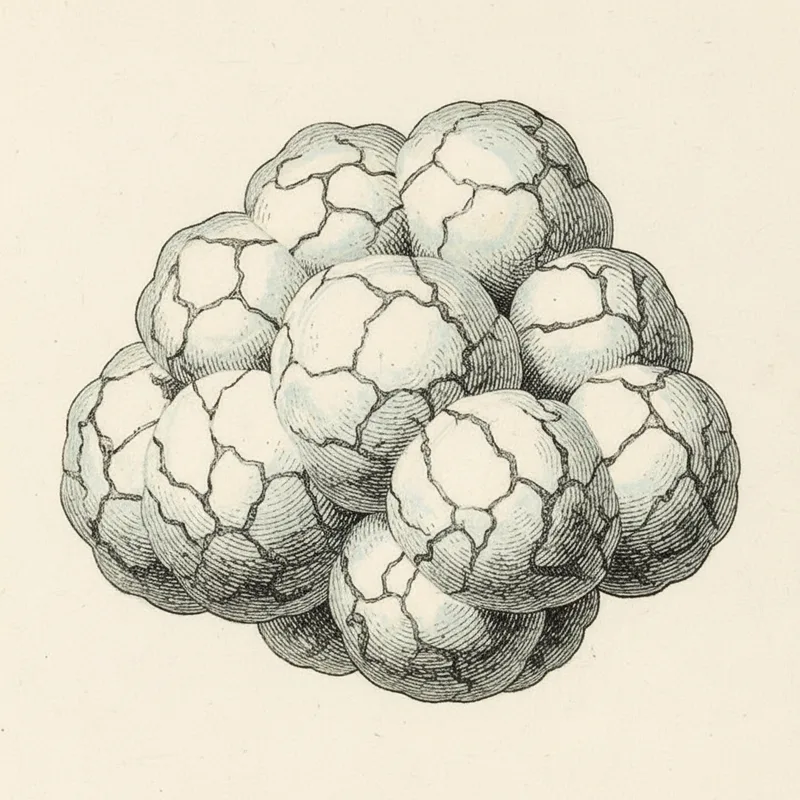
Howlite
The Calming Stone
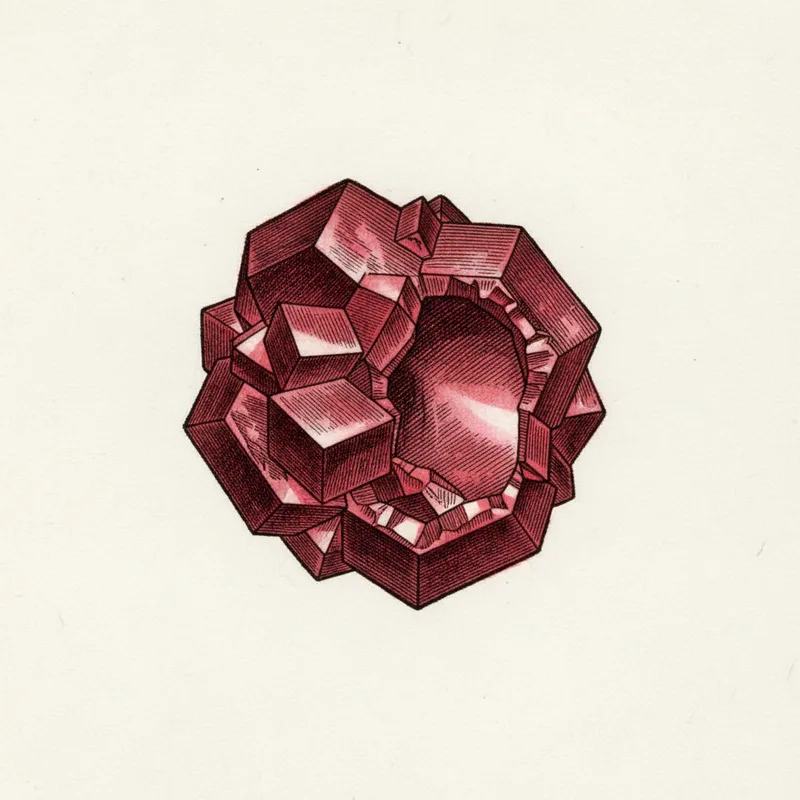
Garnet
The Warrior's Stone
Keep Reading
Stay in the loop
From the Almanac
Updates from Crystal Almanac, when there’s something worth sharing.