How to Store and Display Your Crystal Collection
Key Takeaway: How you store your crystals matters more than most people realize. Sunlight fades amethyst. Humidity dissolves selenite. Tossing soft and hard minerals together in a drawer guarantees scratches. This guide covers the science of crystal storage, display solutions that actually protect your specimens, and the specific minerals that need extra attention.
You've spent real money (and probably real time) building your crystal collection. Maybe you drove to a mineral show, waited in line at a gem shop, or spent an evening comparing specimens online. The last thing you want is to watch your rose quartz fade to white on a sunny windowsill or find your fluorite specimen scratched to pieces because it was stored next to a piece of quartz.
Crystal storage isn't complicated, but it does require knowing a few things about mineralogy. Hardness, light sensitivity, chemical reactivity, and humidity tolerance vary enormously across different minerals. A storage method that's perfect for obsidian could destroy selenite in a matter of weeks.
Let's break it down by the actual threats your crystals face.
Light: The Silent Color Killer
The most common storage mistake is also the most visible one. Prolonged exposure to direct sunlight causes permanent, irreversible color fading in a surprising number of popular minerals. This isn't a metaphysical concern. It's photochemistry.
When ultraviolet radiation hits certain minerals, it breaks apart the "color centers" responsible for their hue. In amethyst, the purple color comes from iron (Fe³⁺) substituting for silicon in the quartz crystal lattice. UV radiation disrupts these iron color centers, and the purple fades to pale gray or yellowish. Once this happens, no amount of moonlight or intention-setting will bring the color back. The damage is at the atomic level.
Minerals that fade in direct sunlight:
- Amethyst - purple fades to gray/yellow. The most common victim.
- Rose quartz - pink fades toward white. The color comes from trace amounts of titanium and iron, and UV breaks down these color centers over months of exposure.
- Smoky quartz - gradually lightens. The smoky color comes from irradiation-induced silicon vacancies that UV reverses.
- Citrine - natural citrine can lighten. Heat-treated citrine (which is actually heated amethyst) is more UV-stable, ironically.
- Fluorite - many colors can fade. Fluorite's color comes from a complex mix of rare earth element inclusions and radiation-induced defects, and some of these are UV-sensitive.
- Kunzite - extremely light-sensitive. This pink spodumene variety can fade noticeably in just days of direct sun exposure. Museum specimens of kunzite are always kept in low light for this reason.
- Ametrine - the amethyst zones are just as vulnerable as in pure amethyst.
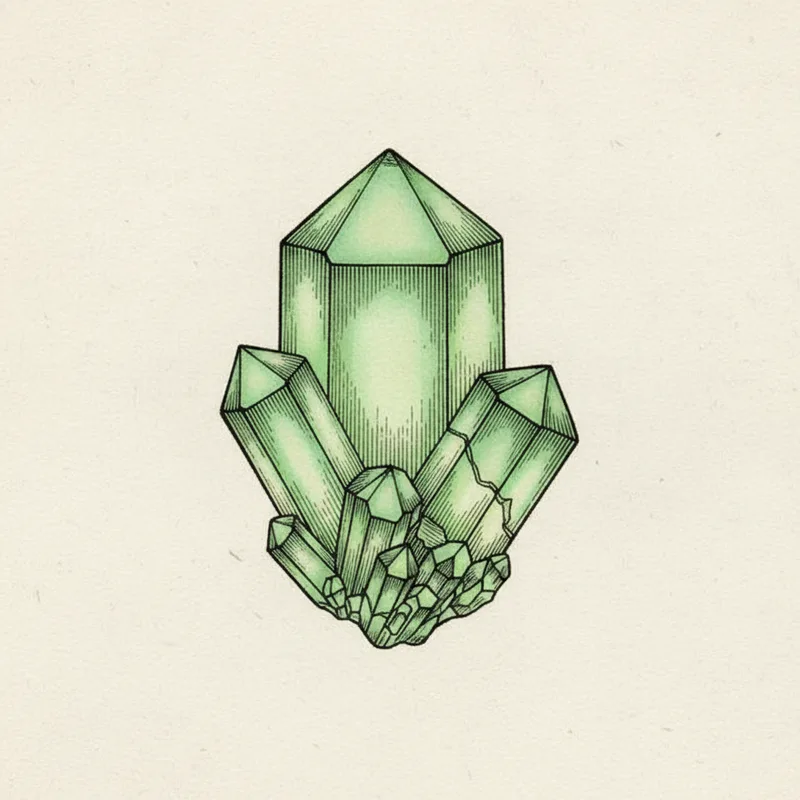
- Prasiolite - green quartz that can revert toward colorless with UV exposure.
The fix is simple: Display light-sensitive minerals away from windows. Interior shelving, enclosed display cases, or rooms with indirect light are all fine. Brief exposure (walking a specimen through a sunny room) won't cause damage. The problem is cumulative exposure over weeks and months. If you have a south-facing windowsill full of amethyst clusters, move them. Today.
Artificial lighting is generally safe. LED lights produce minimal UV. Incandescent and halogen bulbs produce some UV but far less than sunlight. If you're using display case lighting, LED strips are your best option.
Hardness: Why You Can't Just Throw Everything in a Drawer
The Mohs hardness scale isn't just a fun fact on a crystal's profile page. It's the most important practical consideration for storage. Learn more about the full Mohs scale here.
The rule is simple: any mineral can scratch any mineral softer than itself. Quartz (hardness 7) will scratch fluorite (hardness 4) if they're stored touching each other. A tumbled agate (hardness 7) rolling around in a pouch with a polished calcite (hardness 3) is going to leave marks on the calcite every single time.
Here's a rough grouping for storage purposes:
Soft minerals (hardness 1-3) - store separately, handle gently:
- Talc (1) - can be scratched with a fingernail
- Gypsum and selenite (2) - a fingernail can mark them
- Calcite (3), pearl (2.5-4.5), coral (3-4)
Medium minerals (hardness 4-6) - store away from quartz and harder:
- Fluorite (4) - gorgeous but very scratchable
- Apatite (5) - softer than most people expect
- Rhodochrosite (3.5-4) - soft and expensive, a bad combination for careless storage
- Opal (5.5-6.5) - and opal has additional concerns (more below)
- Moonstone (6-6.5) and labradorite (6-6.5)
- Turquoise (5-6)
Hard minerals (hardness 7+) - can be stored together, but will scratch anything softer:
- Quartz varieties (7) - amethyst, citrine, rose quartz, smoky quartz, agate, jasper
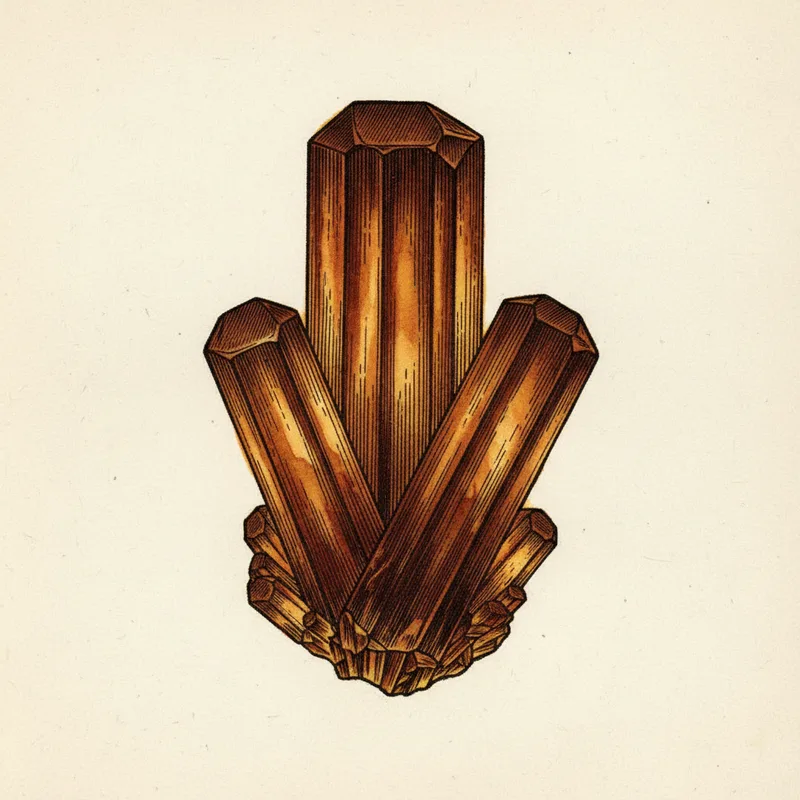
- Tourmaline (7-7.5)
- Garnet (6.5-7.5)
- Topaz (8)
- Sapphire (9) and ruby (9)
- Diamond (10)
Practical tip: You don't need separate containers for every hardness level. Just separate your collection into two groups: hardness 6 and below in one area, hardness 7 and above in another. Within each group, wrap individual specimens in soft cloth or place them in individual compartments. That solves 95% of scratch problems.
Humidity and Chemical Reactivity
Some minerals don't just sit there looking pretty. They actively react with the moisture in the air, and not in a good way.
Selenite and water: Selenite is a form of gypsum (CaSO₄·2H₂O). It's water-soluble. In a humid room, selenite will slowly develop a cloudy, rough surface as moisture from the air dissolves the outer layer. In a bathroom? Forget it. If you live somewhere humid (coastal areas, tropical climates), store selenite in a closed case, or at minimum keep it in an air-conditioned room. Satin spar, the fibrous variety of gypsum, has the same issue. Check our crystal care guide for a full list of water-sensitive minerals.
Pyrite and oxidation: Pyrite is iron sulfide (FeS₂). In humid conditions, it undergoes a slow but relentless chemical reaction: it oxidizes, producing iron sulfate and sulfuric acid. Yes, actual acid. This process, called "pyrite disease" or "pyrite decay," is the bane of museum mineral collections worldwide. The specimen develops a white or yellow powdery coating, smells faintly of sulfur, and eventually crumbles. Low humidity (below 60%) is essential for pyrite storage. Silica gel packets in a sealed container work well. If you notice white powder forming on a pyrite specimen, isolate it immediately. Pyrite decay can spread to adjacent sulfide minerals.
Malachite and moisture: Malachite is copper carbonate hydroxide (Cu₂(CO₃)(OH)₂). While it won't dissolve like selenite, moisture can dull its polish over time and accelerate surface degradation. More importantly, malachite is a copper mineral, and copper minerals can leach into surrounding materials when wet. Don't store malachite on fabric or paper you care about in humid conditions.
Other humidity-sensitive minerals:
- Halite - literally rock salt (NaCl). It absorbs moisture from the air and can dissolve in humid environments. Store in airtight containers with desiccant.
- Azurite - copper carbonate that can slowly convert to malachite with prolonged moisture exposure. This is the same reaction that turns copper roofs green.
- Marcasite - even more prone to oxidation than pyrite. Same FeS₂ composition, different crystal structure, but faster decay.
- Native copper - develops patina (copper oxide and carbonate) in humid air. This is purely cosmetic for most collectors, but if you want to preserve a bright copper specimen, keep it sealed.
- Native sulfur - sublimes slowly at room temperature and reacts with humidity. Keep in sealed containers.
Temperature: The Underrated Threat
Most minerals handle normal room temperature fluctuations just fine. The danger is thermal shock, meaning rapid temperature changes that cause differential expansion within the crystal.
Opal is the poster child for temperature sensitivity. Opal contains 3-21% water trapped within its silica structure (SiO₂·nH₂O). Rapid temperature changes cause the water to expand or contract faster than the silica framework, leading to "crazing" - a network of fine cracks that ruins the play of color. Never store opal near heating vents, in direct sunlight (heat, not just UV), or in freezing conditions. Some opal dealers keep their specimens in water or moist cotton to prevent dehydration, though this is debated among collectors.
Fluorite has perfect octahedral cleavage, meaning it has internal planes of weakness. Thermal shock can cause fluorite to crack along these cleavage planes. Don't move fluorite specimens directly from a cold car to a warm house in winter. Let them acclimate gradually.
General rule: Avoid storing minerals in attics (extreme heat in summer), garages (temperature swings), or unheated sheds. A climate-controlled room in your house is ideal. If you're transporting specimens in cold weather, let them warm up slowly in their packaging before unwrapping.
Toxic Minerals: Handle and Store with Care
Some of the most beautiful minerals in any collection are also genuinely hazardous. This isn't fearmongering. It's chemistry. These minerals contain toxic heavy metals that can be absorbed through skin contact or inhaled as dust.
High-risk minerals (use gloves, wash hands after handling, store separately):
Cinnabar - mercury sulfide (HgS). The most famous toxic mineral. Cinnabar is the primary ore of mercury, and while the crystalline form is more stable than liquid mercury, it can release mercury vapor in warm conditions and produces toxic dust if abraded. Store in a sealed container, away from heat. Do not handle frequently. Wash hands thoroughly after any contact.
Realgar - arsenic sulfide (As₄S₄). Contains arsenic. Realgar has an additional problem: it degrades in light. Exposure to sunlight converts realgar to pararealgar, a yellow powdery form that crumbles and releases arsenic-bearing dust. Store realgar in the dark, in a sealed container. This is one mineral where a specimen box with a tight lid isn't optional.
Orpiment - arsenic trisulfide (As₂S₃). Same arsenic concern as realgar. Often found alongside realgar in specimens. Same storage requirements: dark, sealed, hands-off.
Arsenopyrite - iron arsenic sulfide (FeAsS). The most common arsenic-bearing mineral. Less immediately hazardous than realgar or orpiment because the arsenic is more tightly bound in the crystal structure, but still warrants careful handling and separate storage.
Galena - lead sulfide (PbS). The primary ore of lead. Handling galena and then touching your face or food is a real exposure pathway. Wash hands after handling. Don't let children handle galena specimens.
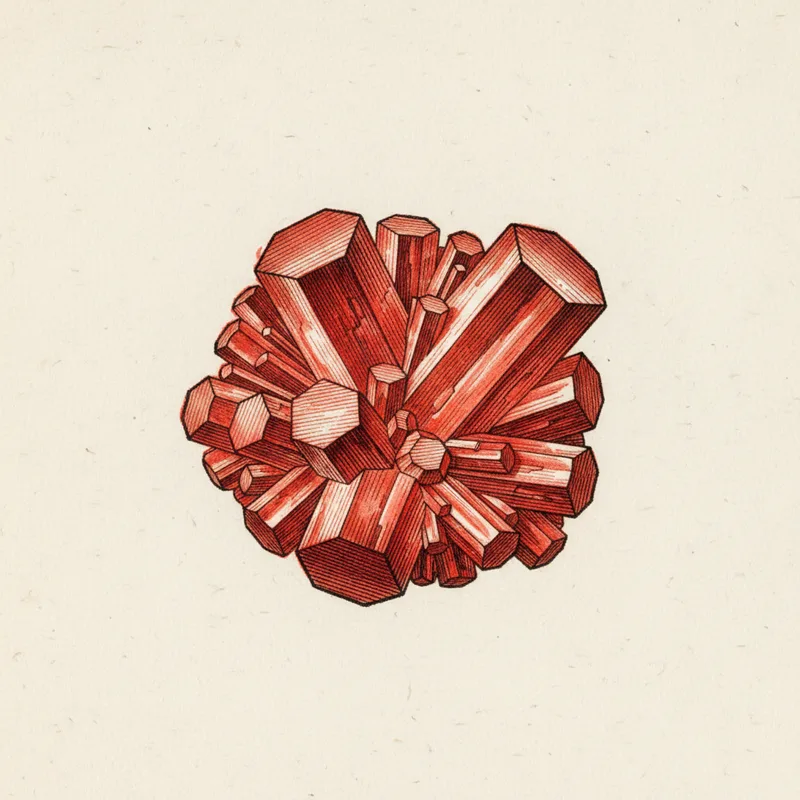
Vanadinite - lead vanadate. Contains both lead and vanadium. Beautiful red-orange hexagonal crystals on matrix, but treat with the same caution as galena.
Stibnite - antimony sulfide (Sb₂S₃). Those stunning sword-like metallic crystals contain antimony, which is toxic. Handle with gloves, store sealed.
Practical storage approach for toxic minerals: Keep them in individual specimen boxes with lids. Label them clearly. Store them on a separate shelf or in a separate case from minerals you handle regularly. Wash hands after handling. Don't panic about owning them - museums display these minerals safely every day. The key is awareness and basic precautions.
Display Solutions That Actually Work
Now for the fun part. You've learned what can go wrong. Here's how to display your collection in a way that's both beautiful and safe.
Felt-Lined Trays and Drawers
The workhorse of crystal storage. A simple wooden or acrylic tray with felt lining protects specimens from scratching on the bottom surface, and dividers keep individual pieces from contacting each other. You can find jewelry trays with adjustable compartments that work perfectly for tumbled stones and smaller specimens.
Best for: Tumbled stones, small to medium specimens, collections you want to organize by type or color but don't necessarily need on permanent display.
DIY option: Line any shallow drawer with adhesive-backed felt from a craft store. Add cardboard dividers wrapped in felt. Total cost: a few dollars.
Riker Mounts
Riker mounts are flat glass-topped display cases filled with cotton batting. The specimen sits on the cotton behind the glass, protected from dust, handling, and UV (if the glass is UV-filtering). They're the standard for displaying flat or small specimens in a professional way.
Best for: Flat specimens, small crystals on matrix, mineral collections organized by type. Perfect for realgar, orpiment, and other light-sensitive or toxic minerals because the sealed case provides both light protection and a handling barrier.
Where to find them: Geological supply companies, Amazon, eBay. They come in standard sizes from 4x5 inches to 14x18 inches.
Glass Display Cases and Curio Cabinets
An enclosed glass case is the gold standard for displaying a crystal collection. It protects against dust, humidity, accidental bumps, pet interference, and curious children. If you choose a case without built-in lighting, you eliminate UV concerns entirely. If you add lighting, use LED strips.
Best for: Showcase specimens, larger collections, homes with pets or kids. A glass-doored bookcase from IKEA works perfectly well. You don't need museum-grade cabinetry.
Climate control tip: If you have humidity-sensitive minerals (pyrite, selenite, marcasite), place a few silica gel packets inside the case. Replace or regenerate them every few months. This simple step prevents pyrite disease and selenite clouding.
Museum Gel and Wax
Museum gel (also called quake gel or museum putty) is a clear, removable adhesive that holds specimens in place on shelves and in cases. A small dab on the bottom of a specimen keeps it from sliding, falling, or getting knocked over. It peels off cleanly without residue.
Essential for: Any specimen displayed on an open shelf, especially in earthquake-prone areas. Also useful for tall, narrow crystals that are top-heavy (looking at you, stibnite blades and kyanite columns). Mineral wax serves a similar purpose and works better for rough-bottomed specimens.
Where to find it: Museum supply stores, Amazon, or hardware stores in the earthquake preparedness section.
Specimen Stands and Easels
Acrylic stands, wire easels, and wooden display bases let you show off individual specimens at their best angle. A flat labradorite slab positioned to catch the light at the right angle will flash with brilliant labradorescence. A tiger eye sphere on a small stand catches chatoyant bands that you'd miss if it were lying flat.
Best for: Showcase pieces, spheres, slabs, and any specimen where viewing angle matters for optical effects.
Specimen Boxes with Labels
For the serious collector, individual cardboard specimen boxes (sometimes called "flats") with labels are how museums and mineral dealers store their working collections. Each specimen gets its own box, a cotton or foam cushion, and a label with the mineral name, locality, and acquisition date.
Best for: Large collections, rare specimens, toxic minerals, anything you're storing long-term rather than displaying. This method is protective, organized, and scales well to hundreds or thousands of specimens.
Organizing Your Collection
There's no wrong way to organize a crystal collection, but some approaches make storage decisions easier:
By hardness group: Keep soft minerals (1-6) together in cushioned, separated storage. Keep hard minerals (7+) together. This automatically prevents the most common type of damage.
By sensitivity: Group your humidity-sensitive, light-sensitive, and toxic minerals separately so you can apply the right storage conditions to each group without overcomplicating everything.
By locality or type: This is the traditional geological approach. All quartz varieties together, all carbonates together, all sulfides together. It has the added benefit that minerals in the same chemical family often share storage requirements. Sulfides (pyrite, marcasite, galena) all benefit from low humidity. Carbonates (calcite, rhodochrosite, malachite) are all soft and acid-sensitive.
By color or aesthetics: Perfectly valid for display collections. Just make sure specimens of different hardnesses are physically separated even if they're visually grouped together.
The Quick Reference Storage Chart
Store in the dark (light-sensitive): Amethyst, rose quartz, smoky quartz, citrine, fluorite, kunzite, realgar, ametrine
Keep dry (humidity-sensitive): Selenite, pyrite, marcasite, halite, native copper, native sulfur
Avoid temperature swings: Opal, fluorite
Handle with gloves, store sealed (toxic): Cinnabar, realgar, orpiment, arsenopyrite, galena, vanadinite, stibnite
Cushion well (soft, easily scratched): Selenite (2), calcite (3), fluorite (4), rhodochrosite (3.5-4), pearl (2.5-4.5)
Tough, low-maintenance (store normally): Clear quartz, agate, jasper, garnet, tourmaline, obsidian, topaz
Common Mistakes to Avoid
The sunny windowsill display. This is the number one collection killer. It looks beautiful for a few weeks, then your amethyst turns pale and your kunzite goes clear. Interior shelves and enclosed cases look just as good and protect your investment.
The everything-in-one-bag approach. Tossing all your tumbled stones in a single velvet pouch is fine if they're all quartz. If there's a fluorite or calcite in there with your agates, the soft stones will get scratched. Separate pouches or individual wrapping takes two extra minutes and saves real damage.
Storing minerals in the bathroom. High humidity, temperature swings from showers, and water splashes. Selenite will cloud, pyrite will start to decay, polished surfaces will dull. The bathroom is the worst room in your house for crystals.
Forgetting about pets and gravity. Cats and crystals are natural enemies. A cat on a shelf will methodically knock every specimen to the floor. Museum gel, enclosed cases, or dedicated display rooms solve this. If you have a particularly adventurous cat, closed cabinets are your only reliable option.
Ignoring dust. Dust is mildly abrasive (it contains quartz particles). Over years, wiping dust off soft minerals with a dry cloth can create fine scratches. Use a soft brush or compressed air for delicate specimens. For really soft minerals like selenite or calcite, a display case that keeps dust out in the first place is better than any cleaning method.
FAQ
Can I store all my tumbled stones together? If they're all quartz-family minerals (amethyst, rose quartz, citrine, agate, jasper, carnelian), yes. Quartz is hardness 7 and won't scratch other quartz. If the mix includes softer stones like fluorite, moonstone, or calcite, separate those out or wrap them individually.
How do I know if my pyrite is starting to decay? Look for a white or yellowish powdery coating, a faint sulfur smell, or small cracks forming on the surface. Early-stage pyrite disease can sometimes be slowed by sealing the specimen in an airtight container with silica gel. Advanced decay is irreversible.
Is it okay to use essential oils or incense near my crystal display? Oil residue can coat crystal surfaces and attract dust. If you use incense regularly in the same room as your collection, clean display-quality specimens occasionally with a soft, slightly damp cloth (for water-safe minerals only). Oils should never be applied directly to porous minerals like turquoise, opal, or lapis lazuli, as they can absorb into the stone and permanently alter its appearance.
Should I worry about my crystals in a regular room? For the majority of minerals, a normal room with stable temperature and average humidity is perfectly fine. The minerals that need special attention are the exceptions listed in this guide, not the rule. If you have common quartz-family stones, obsidian, garnet, or tourmaline, store them however you like. They've survived millions of years underground. Your bookshelf is not going to be a problem.
What's the cheapest way to store a collection safely? Egg cartons. Seriously. An egg carton lined with tissue paper gives each specimen its own cushioned compartment, protects against scratching, and costs nothing. For display, a glass-doored bookcase with felt-lined shelves covers most needs. Silica gel packets (available in bulk online for a few dollars) handle humidity concerns. You don't need to spend a fortune to store crystals well.
Where can I learn more about caring for specific minerals? Our crystal care guide covers water safety, sunlight sensitivity, toxicity, and fragility for all 300+ minerals in our database. The Mohs hardness reference is essential for understanding which minerals can safely touch each other.
Crystals in This Article
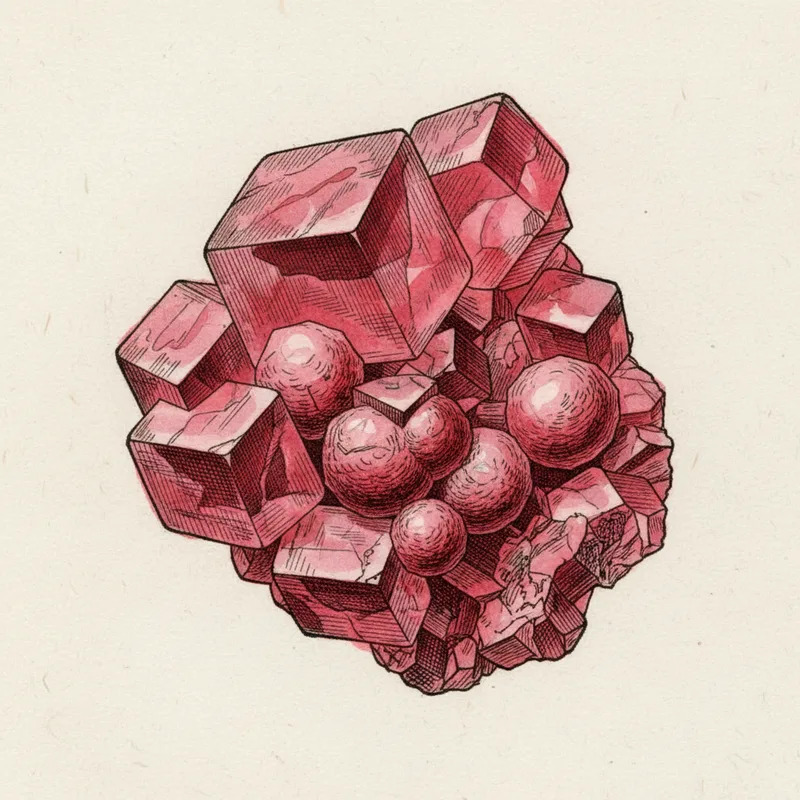
Rhodochrosite
The Rose of the Incas
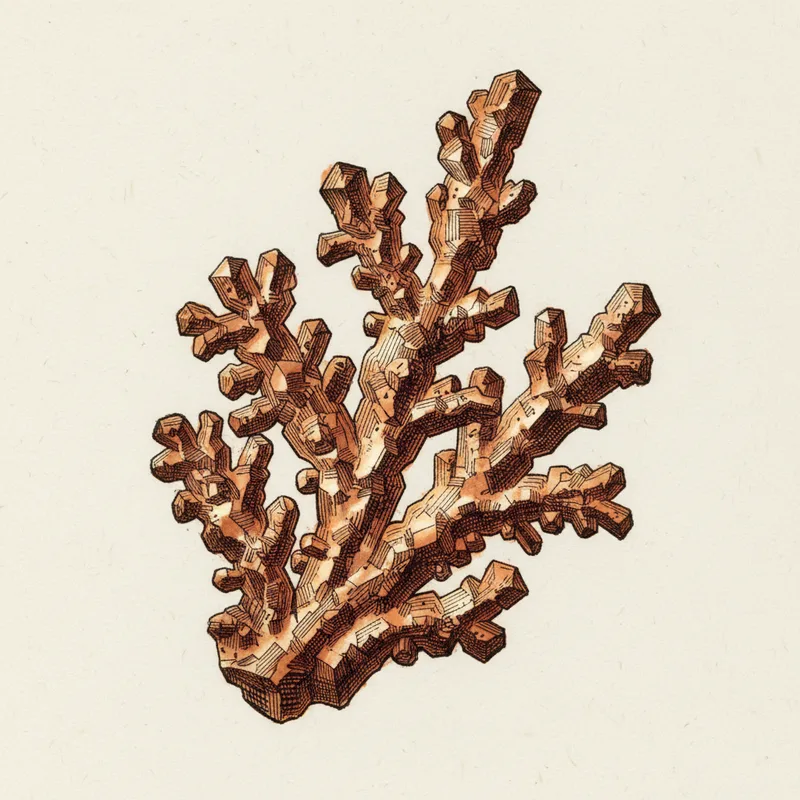
Native Copper
The Builder's Metal
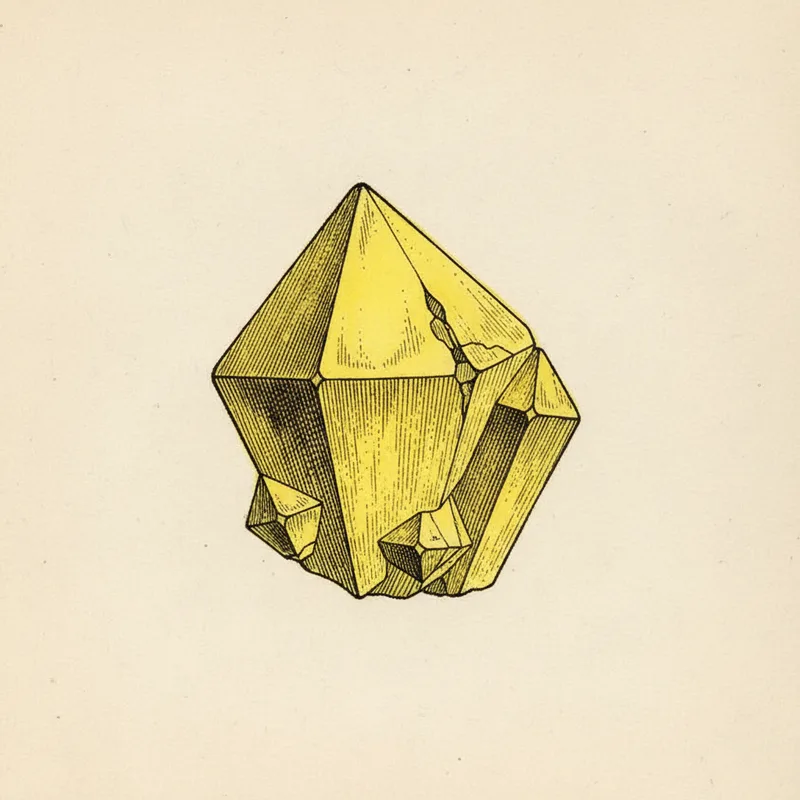
Native Sulfur
The Brimstone
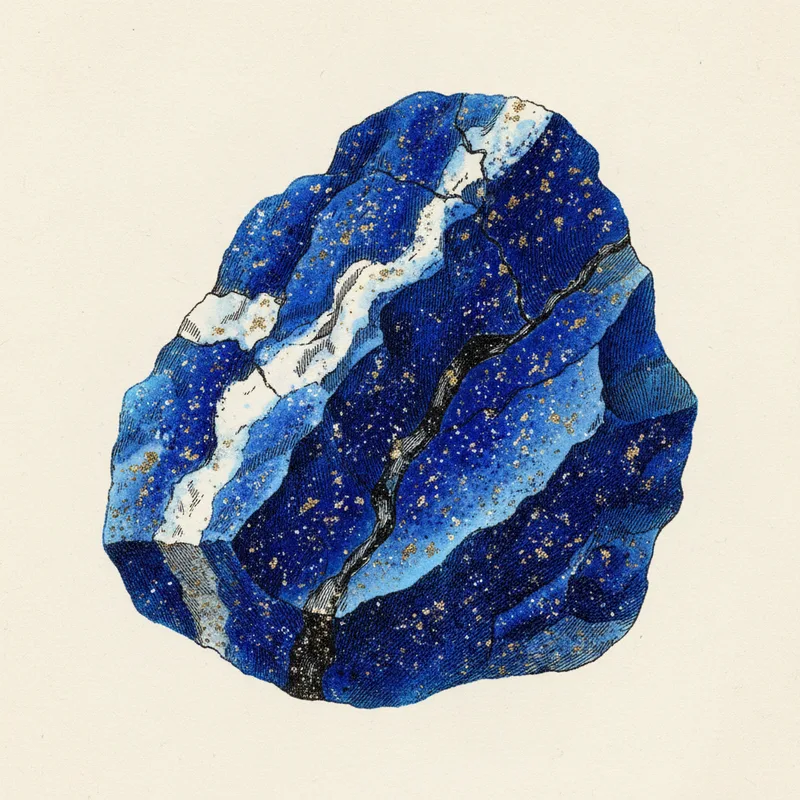
Lapis Lazuli
The Stone of the Heavens
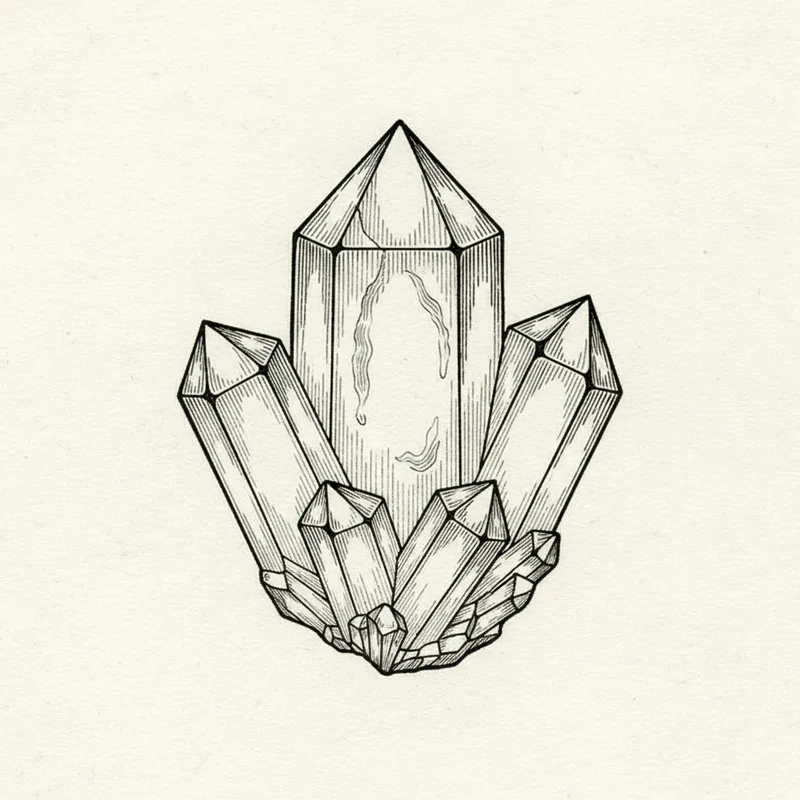
Clear Quartz
The Master Healer
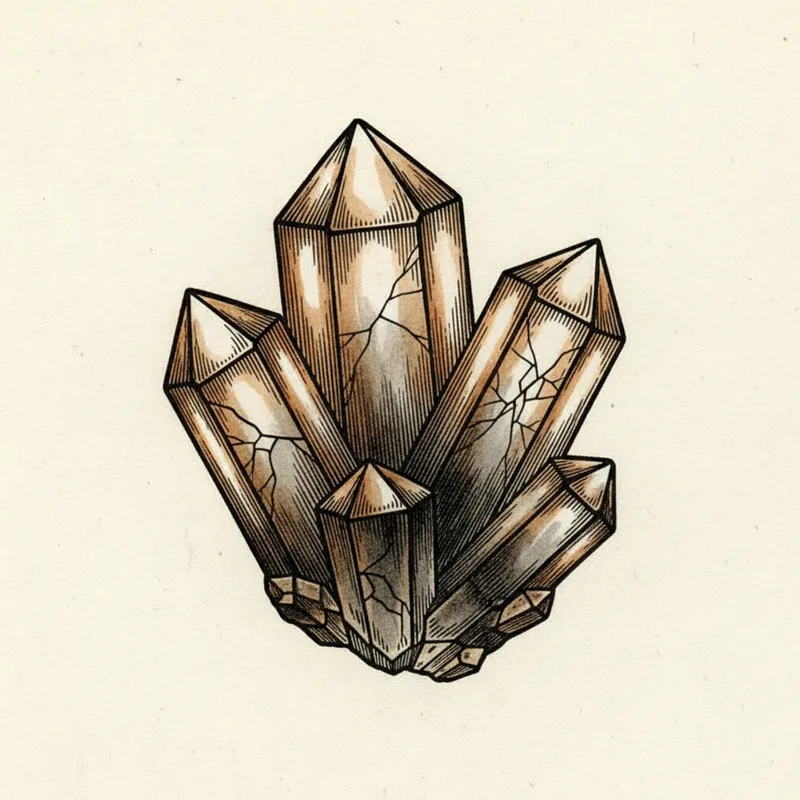
Smoky Quartz
The Grounding Stone

Arsenopyrite
The Arsenic Iron Sulfide
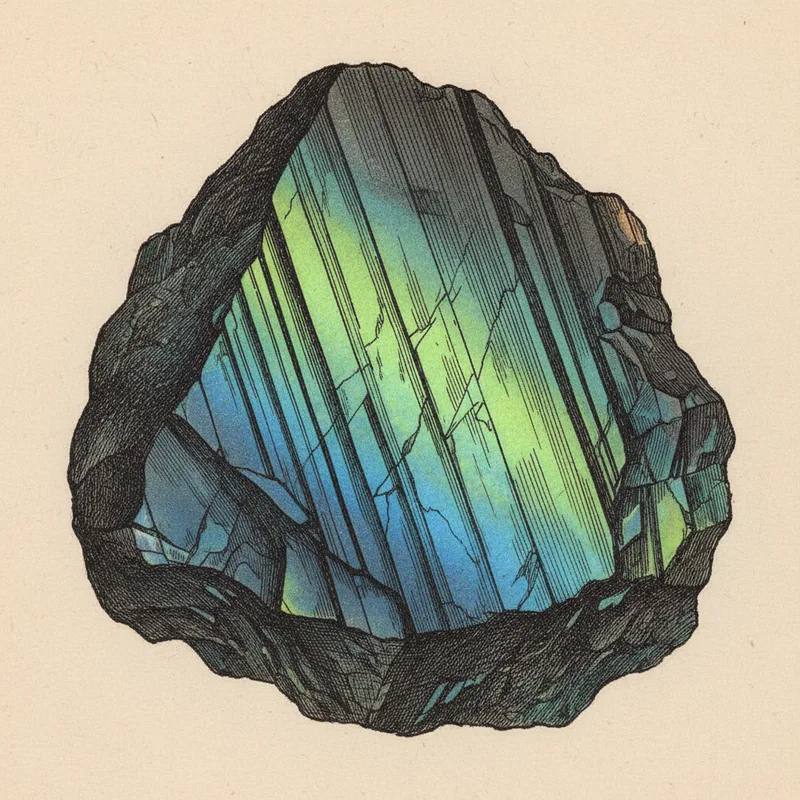
Labradorite
The Stone of Transformation
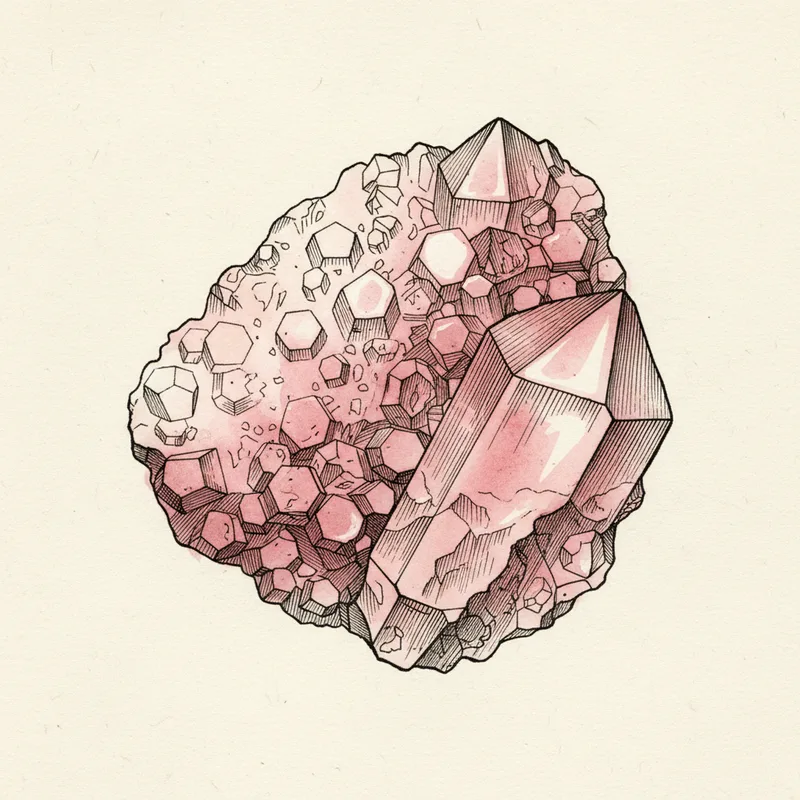
Rose Quartz
The Stone of Unconditional Love
Tourmaline
The Rainbow Stone
Vanadinite
The Endurance Stone
Prasiolite
The Green Amethyst