Best Crystals for Money and Abundance in 2026
Key Takeaway: No crystal will deposit money into your account. What crystals can do is keep you focused on a financial goal long enough to act on it, which is half of what "manifestation" actually means once you strip away the magical thinking. Here are seven minerals with deep merchant traditions, the geological reason each one became associated with wealth, and an honest framing of why intention-setting works even when the placebo question is on the table.
Before we get to the crystal list, let's address the question that gets ducked in most "crystals for money" posts. Is this real? Will it work?
Honest answer: not in the way TikTok promises. No piece of citrine, no matter how sincerely you charge it under a full moon, will cause $5,000 to materialize in your bank account. If a post tells you otherwise, that post is selling you something.
What is real, and worth taking seriously, is that humans have used objects to anchor financial intention for as long as we have had financial systems. Roman merchants carried pyrite. Chinese shopkeepers placed jade at their doorways for two thousand years. European jewelers stocked citrine in shop windows because customers asked for "the merchant's stone." This is not modern crystal-healing kitsch. It is one of the oldest categories of intentional object in commercial human history.
The mechanism is simple and well-studied. Concrete reminders of an abstract goal increase the probability you act on the goal. A crystal on your desk that you associate with "I am building my business" will, on average, nudge you to make one more sales call than the version of you who has nothing on the desk. That is not magic. It is environmental design. It is also why expensive watches, framed mission statements, and motivational posters exist as a multi-billion-dollar industry.
With that framing, here are seven crystals with the deepest merchant and abundance traditions, what each one actually is geologically, and where to put it if you want it to do its job as a behavioral anchor.
1. Citrine - The Merchant's Stone
Citrine leads any honest list of money crystals because it has the longest continuous tradition. The nickname "merchant's stone" goes back at least to medieval European trade guilds, and Chinese shopkeepers had similar associations centuries earlier. Citrine is yellow-to-golden quartz (SiO₂) with hardness 7, colored by trace iron in the crystal lattice.
The catch, and we should be upfront about it: most "citrine" sold today is heat-treated amethyst. Natural citrine is paler, often slightly smoky, and significantly more expensive. Heat-treated amethyst is the deep burnt-orange material in most metaphysical shops. Whether this matters to you energetically is your call. For the full natural-vs-treated breakdown, see Citrine 2026: Natural vs Heat-Treated.
Where to put it: On your desk in the line of sight when you are doing financial work (invoicing, planning, looking at your books). Some traditions specify the southeast corner of your home for the wealth area in feng shui bagua, but the desk works fine and is more practical.
The behavioral anchor: Pair it with one specific financial goal you can act on this week. Not "be wealthy." Something concrete like "send three invoices" or "follow up with one prospect."
2. Pyrite - Fool's Gold That Is Anything But Foolish
Pyrite (FeS₂, iron pyrite) is one of the most visually striking minerals on Earth. The metallic-gold luster, near-perfect cubic crystal habit, and high specific gravity (about 5.0) made it a stand-in for actual gold in countless cultures. Romans associated it with prosperity. Greeks called it "the fire stone." Inca metallurgists used polished pyrite plates as mirrors.
The Mohs hardness is 6-6.5, so it scratches glass but is too brittle for jewelry that takes daily impact. It tarnishes when exposed to humidity over time, which is part of its character.
Where to put it: On a desk, in a shop, near a register, or on a bookshelf in the area of your home you associate with work. Pyrite is dense and substantial, so a small specimen carries visual weight.
The honest framing: Pyrite is not "for" attracting money in a magnetic sense. It is for noticing when you have it - small wins, monthly increments, slow growth - by reflecting metaphorical gold back at you. The pattern gets noticed. Patterns that get noticed get reinforced.
3. Green Aventurine - The Stone of Opportunity
Sometimes called "the gambler's stone" in older sources, aventurine is a green variety of quartzite (a metamorphic rock made primarily of quartz) colored by inclusions of green mica called fuchsite. The "aventurescence" - that subtle glittery shimmer - comes from light reflecting off mica platelets. Hardness is 7.
Green aventurine has a long association with games of chance and risk-taking, which evolved into a broader association with "luck" and "opportunity." Modern crystal traditions often pair it specifically with new ventures and decisions involving uncertainty.
Where to put it: In a pocket or carried daily during a season when you are taking entrepreneurial or career risks. Some keep a small piece in their wallet.
The behavioral anchor: Aventurine works best as a "checkpoint" stone. When you reach for your wallet or feel the piece in your pocket, that is your cue to ask: am I taking the actions I committed to, or am I avoiding them?
4. Jade - The Stone of Two Continents
Jade is two distinct minerals: jadeite (NaAlSi₂O₆) and nephrite (Ca₂(Mg,Fe)₅Si₈O₂₂(OH)₂). Both are tough cryptocrystalline materials prized in Chinese culture for over 7,000 years and in Mesoamerican cultures (Olmec, Maya, Aztec) for at least 3,000.
In Chinese tradition, jade represents accumulated good fortune across generations. A jade pendant given by a grandmother to a grandchild is meant to carry forward the family's accumulated luck and effort. This is not a casual association. Jade is the most commercially traded gem in China and remains one of the most expensive gemstones on the planet at top quality.
Be careful when buying. Most "jade" sold cheaply is serpentine, dyed quartz, or other substitutes. Real jade has a price floor. For the full authentication walkthrough, see the jade entry in our /fakes hub.
Where to put it: Worn as jewelry (the traditional placement) or kept in a wealth area of the home. Real jade is durable enough for daily wear, which is why it has been a jewelry stone for millennia.
The behavioral anchor: Jade carries a longer time horizon than the other stones on this list. It is not the stone of "make $1,000 this week" but of "build wealth I can pass to people I love." Useful framing for retirement-account behaviors.
5. Malachite - The Stone of Transformation
Malachite (Cu₂CO₃(OH)₂) is a copper carbonate mineral with distinctive concentric green banding. Hardness is 3.5-4 (relatively soft), and it has a specific gravity around 3.9 (heavy for its size). It forms in oxidation zones above copper deposits and was an important early ore of copper.
Malachite is associated less with "attracting money" and more with the harder financial work: confronting your relationship with money, breaking patterns of self-sabotage around earning, and making transformational career decisions. Some traditions consider it a "mirror" stone that shows you what you actually believe about wealth (often uncomfortably).
A note on safety: Raw, dust-producing malachite is mildly toxic if inhaled. Polished pieces are safe to handle. Do not lick your malachite, do not grind it, do not put it in water you intend to drink. See the crystal care guide for full handling notes.
Where to put it: Where you do financial planning, especially for big decisions (career changes, major purchases, business pivots). Less an everyday desk stone, more a "I am sitting down to think hard about this" stone.
6. Tiger's Eye - The Discipline Stone
Tiger's eye is a chatoyant variety of quartz with golden-brown bands that produce a silky sheen when light hits the parallel fibrous inclusions. It forms when crocidolite (blue asbestos) is replaced by silica while preserving the original fibrous structure. Hardness 7.
Tiger's eye in money traditions is associated specifically with disciplined wealth-building - the steady, unglamorous work of saving, investing, and resisting impulse spending. Less "manifesting abundance" and more "actually following your budget."
Where to put it: In your wallet, on your desk, or carried during shopping trips when you are trying to stick to a list. Some keep a piece near the front door as a "do I need this purchase" reminder before going out.
The behavioral anchor: This is the stone for the unglamorous middle of any financial journey. The piece is your cue to check: am I sticking to the plan, or am I rationalizing a deviation?
7. Garnet - The Stone of Sustained Effort
Garnet is actually a family of related silicate minerals (almandine, pyrope, spessartine, grossular, andradite, uvarovite) sharing the same crystal structure but varying in chemistry and color. Most "garnet" sold for jewelry is almandine (Fe₃Al₂(SiO₄)₃), the deep red variety. Hardness is 7-7.5.
Garnet's association with prosperity is older and more global than most gems. It appears in Egyptian, Roman, Greek, Hindu, and medieval European traditions, often connected to commitment, sustained effort, and the rewards that come from long work rather than quick wins.
Where to put it: Worn as jewelry during career-defining periods, or kept in a workspace during the long middle of a multi-year project. Less "this week's stone" and more "this year's stone."
The behavioral anchor: Garnet works on time horizons of months to years. Pair it with goals that require sustained showing-up rather than burst execution.
How to Actually Use a Money Crystal
Strip away the metaphysics for a second. Here is the practical framework that works regardless of your beliefs:
- Pick one stone and one specific goal. Not "be rich." Something concrete: "save $200 a month," "send invoices the day work is delivered," "make three sales calls a week."
- Place the stone where you will see it during the action. Desk if it is desk-work, wallet if it is spending decisions, phone case pocket if it is sales calls.
- Treat the stone as a cue, not a cause. Each time you see it, ask: did I take today's action toward the goal?
- Replace the stone when you complete the goal. Wins reset the system. New goal, new stone, fresh anchor.
This works because environmental cues drive behavior more reliably than willpower. The stone is not magic. The system around the stone is the technology.
What This Post Is Not About
A few things worth being clear on:
- Manifestation does not replace action. No amount of intention-setting will compensate for not doing the work. Crystals are anchors for action, not substitutes for it.
- Crystals are not investment advice. If you want to build real wealth, talk to a fiduciary financial advisor. Talk to a tax professional. Read a book on personal finance. The crystal is a behavioral anchor, not a financial plan.
- Beware "abundance coaching" upsells. A meaningful chunk of the manifestation industry exists to sell expensive courses promising wealth. The crystals are cheap. The course charging $2,000 is the actual expense. Be careful.
If you bought a citrine geode and you read this far hoping for permission to feel hopeful about money, you have it. Use the stone as a cue to keep showing up. That is most of what "abundance" actually requires.
FAQ
Which is the best single crystal for money? Citrine, by tradition. It has the longest continuous merchant association across cultures. Pyrite is a strong second if you want something more visually substantial.
Does it matter if my citrine is natural or heat-treated? Energetically, traditions disagree. Practically, heat-treated citrine is real quartz that has been heated, so the chemistry is the same. The price difference is significant (5-15x), and natural citrine is rarer. See Citrine 2026: Natural vs Heat-Treated for the full breakdown.
Can I combine multiple money crystals? Yes. A traditional pairing is citrine + pyrite + green aventurine, sometimes called a "wealth trio." Place them together in a workspace or wealth area.
Is feng shui placement (southeast corner) important? If you find the framework useful, sure. If you do not, place the stone where you will actually see it during financial action. Visibility matters more than compass direction.
Related Reading
- Best Crystals for Confidence - the closest companion list
- Best Crystals for Work and Career - workplace-specific stones
- Best Crystals for Manifestation - the broader manifestation framework
- Citrine 2026: Natural vs Heat-Treated
- Best Crystals for 2026 Intentions
- Crystal Care Guide - including malachite handling notes
Crystals in This Article
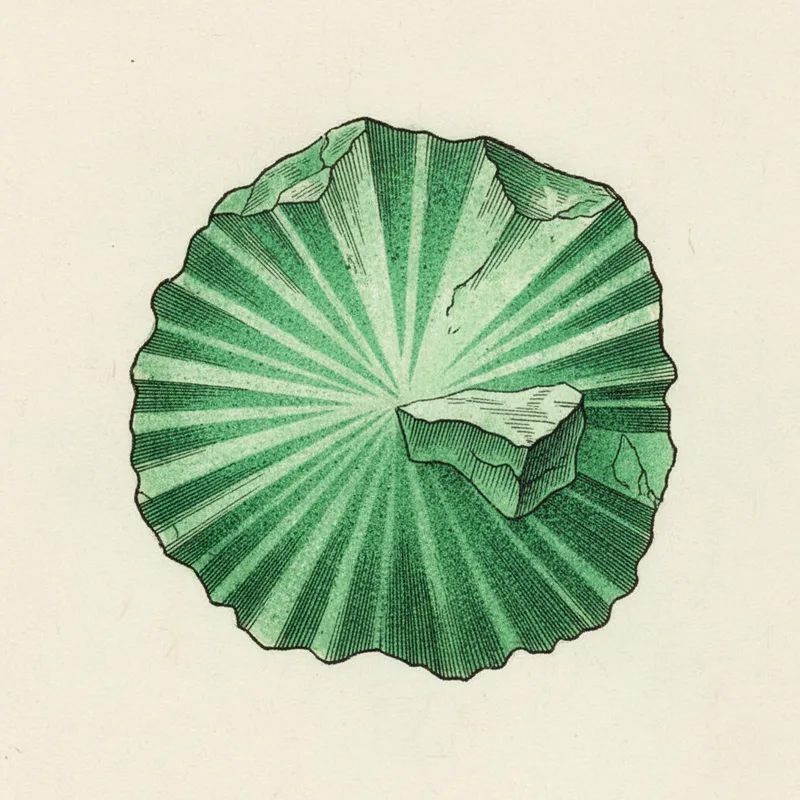
Aventurine
The Stone of Opportunity
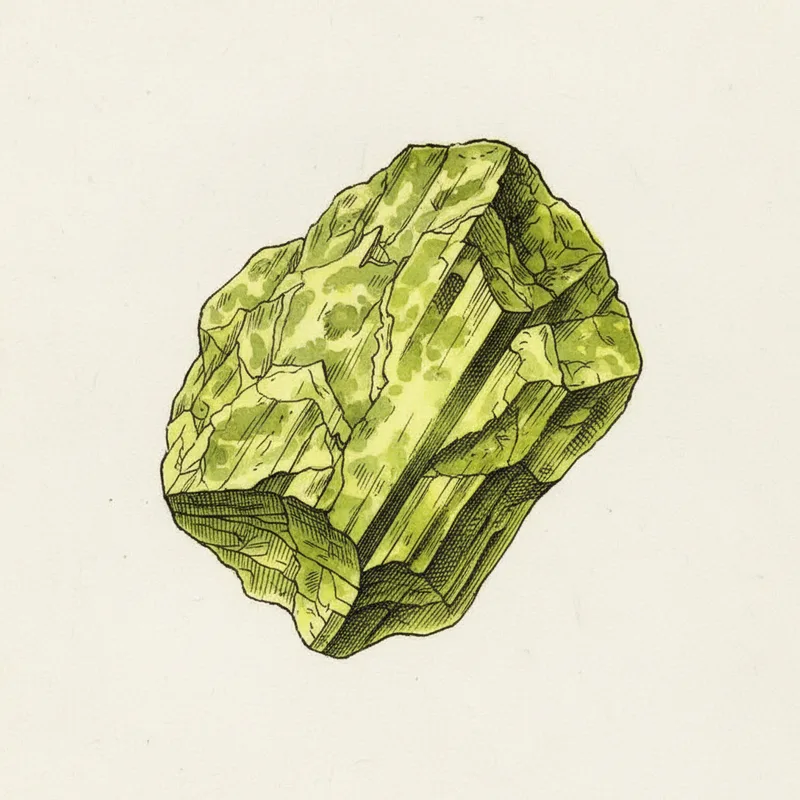
Serpentine
The Serpent Stone
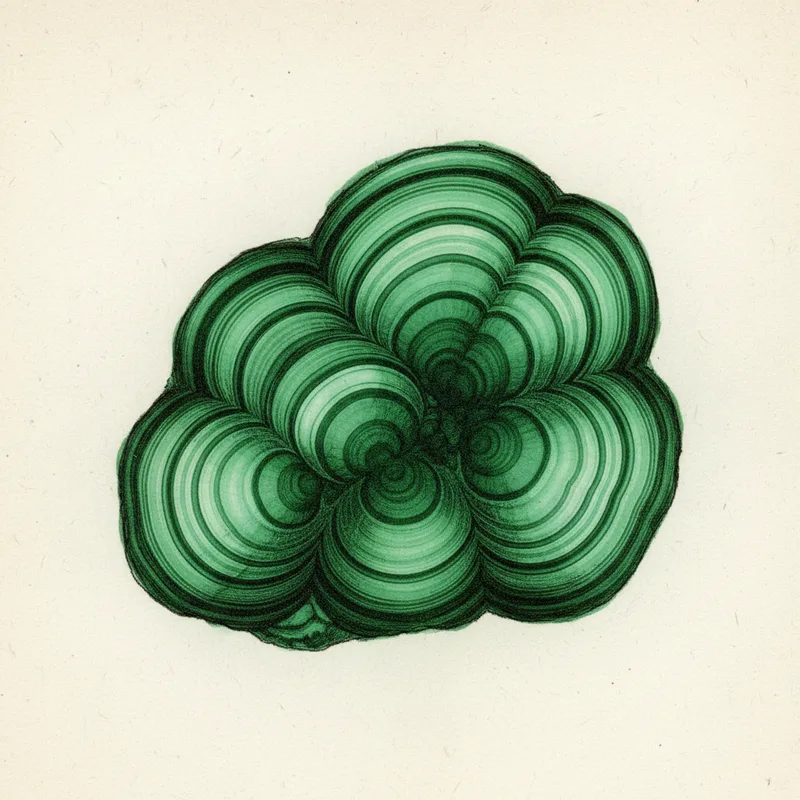
Malachite
The Stone of Transformation
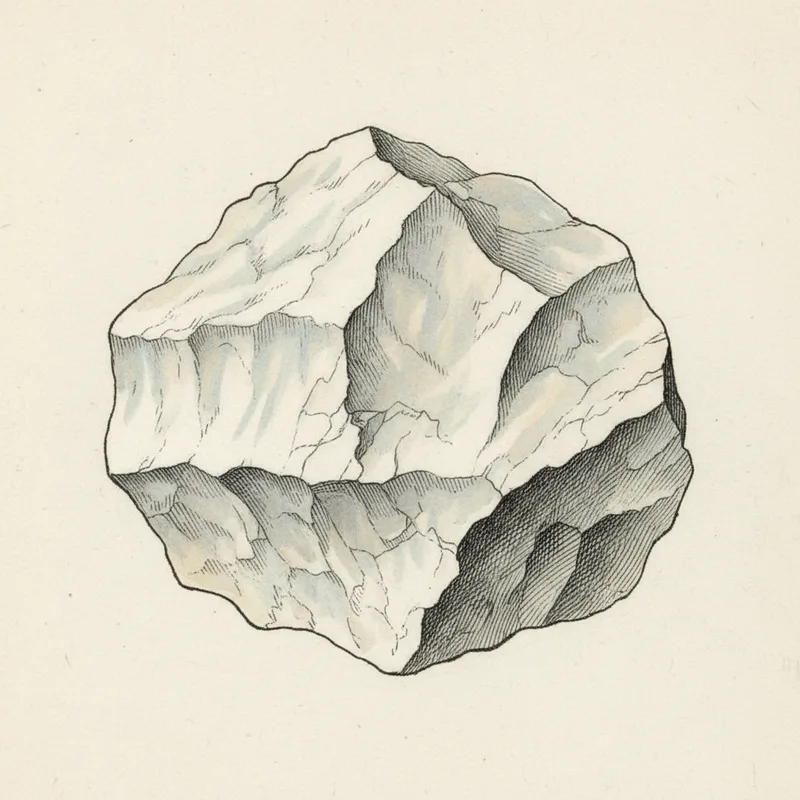
Quartzite
The Indestructible Sandstone

Uvarovite
The Emerald Garnet
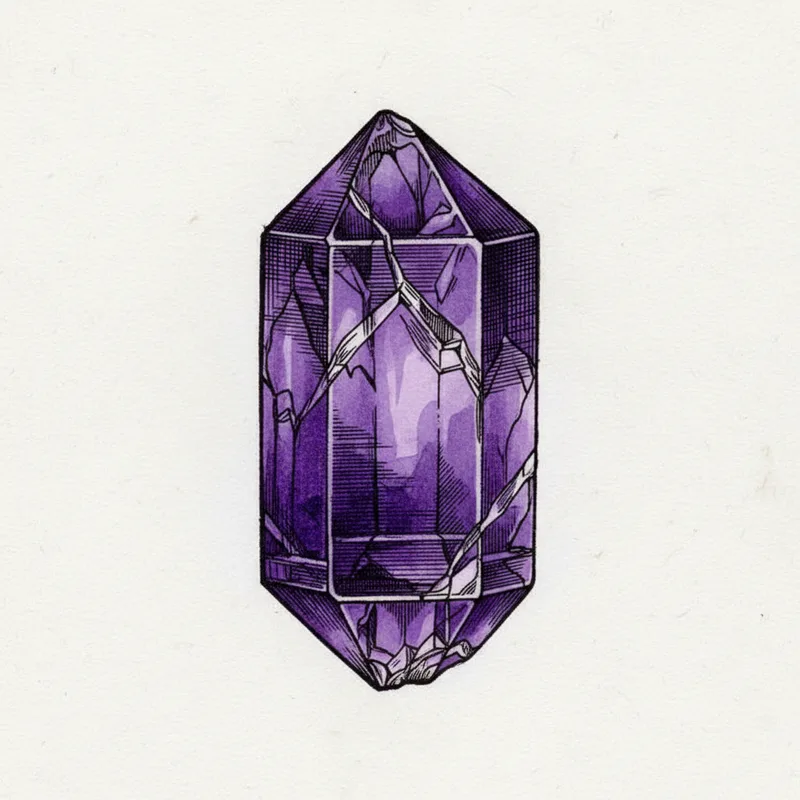
Amethyst
The Stone of Spiritual Wisdom
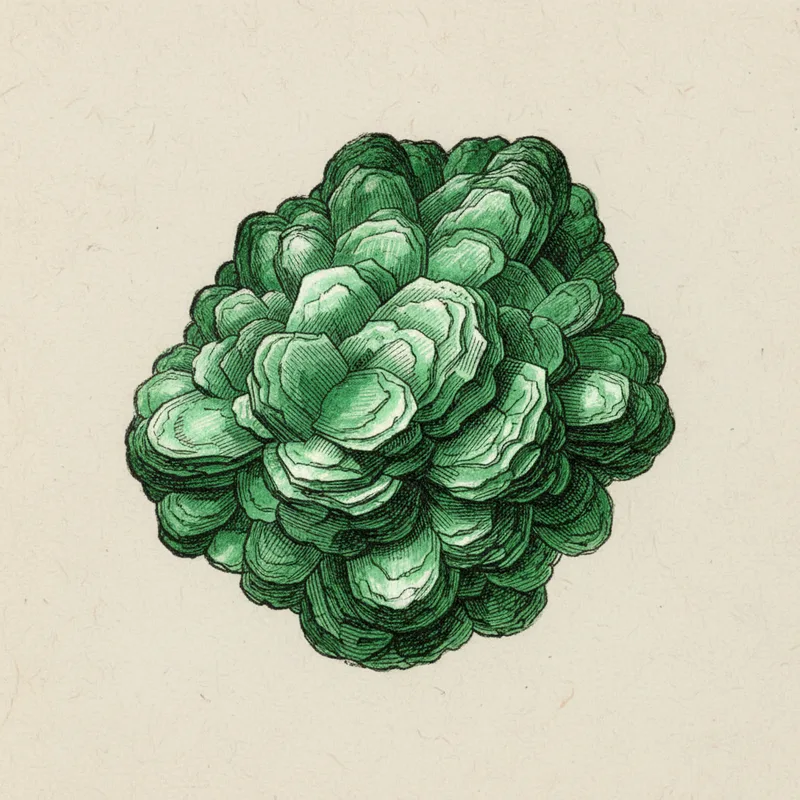
Fuchsite
The Emerald Mica
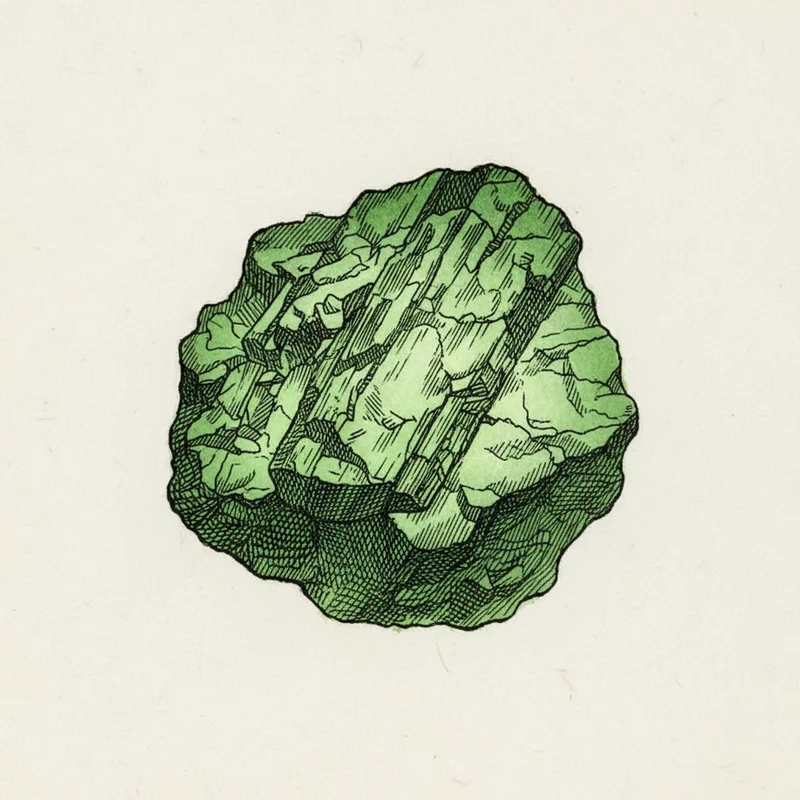
Nephrite
The Original Jade
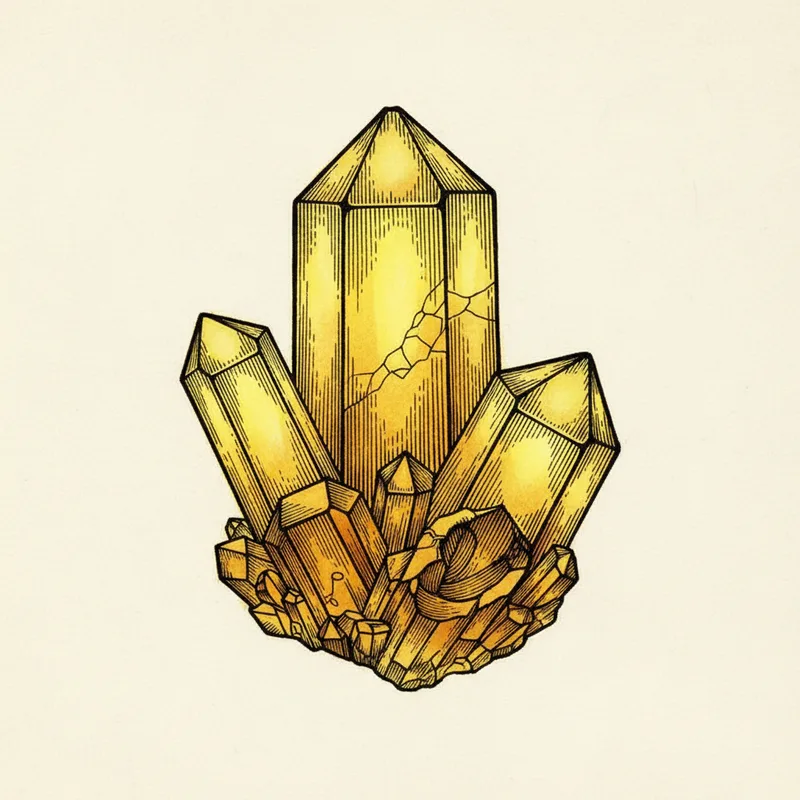
Citrine
The Merchant's Stone
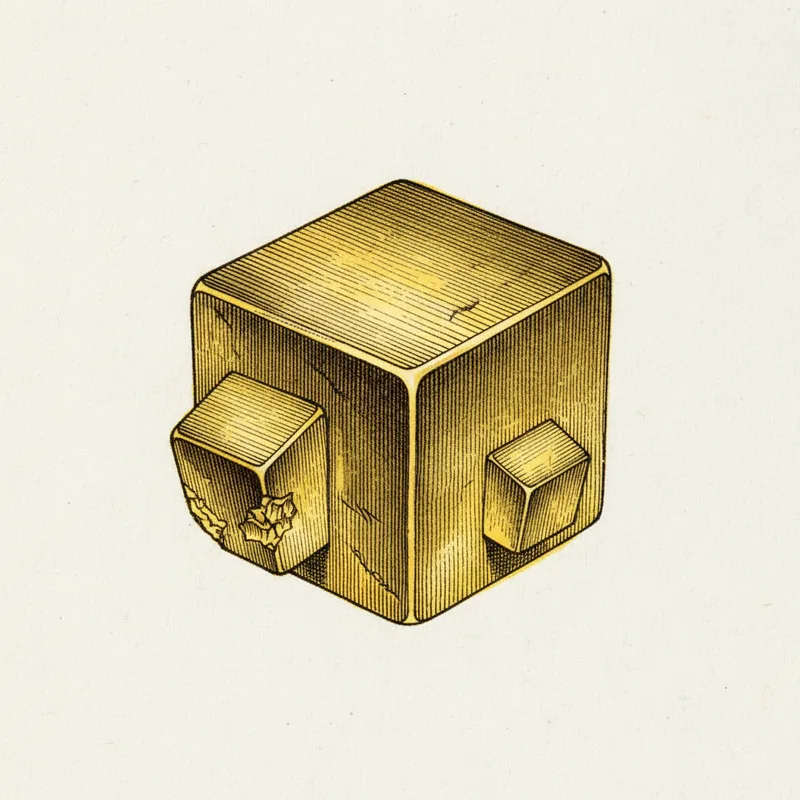
Pyrite
The Fool's Gold
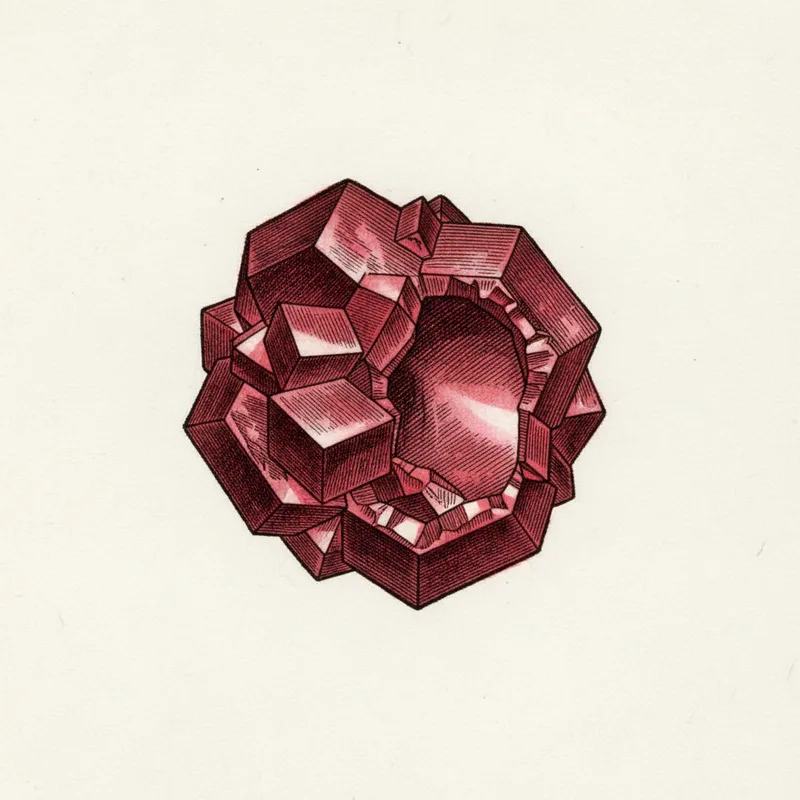
Garnet
The Warrior's Stone
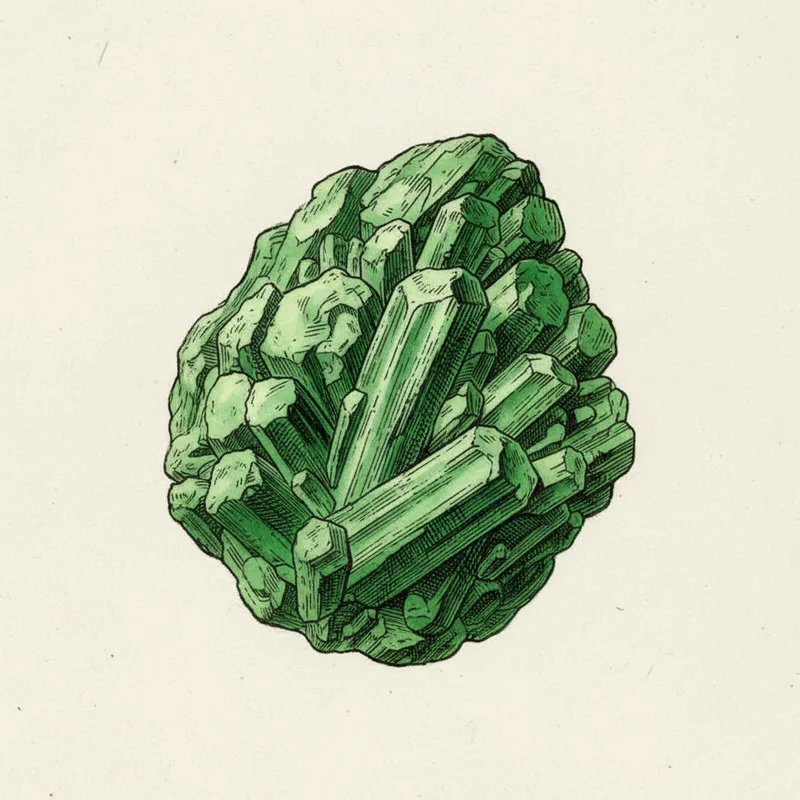
Jade
The Dream Stone
Keep Reading
Stay in the loop
From the Almanac
Updates from Crystal Almanac, when there’s something worth sharing.