Best Crystals to Carry While Traveling for Protection
Key Takeaway: Travel anxiety is real, jet lag is brutal, and unfamiliar environments raise everyone's nervous system baseline. Crystals will not change your flight, but they can serve as portable, tactile anchors during the parts of travel that are genuinely stressful: airports, late nights in unfamiliar hotels, long drives, and the disorientation of crossing time zones. Here are seven stones with traveler traditions, what each does best, and a practical TSA reality check (yes, crystals are fine through security).
This post is for people who travel and want to take a small object with them that helps. Not because the stone has metaphysical powers that bend reality, but because tactile grounding objects measurably reduce anxiety in unfamiliar environments. That mechanism is well-studied. The stone is the tool. The traveling human is the system.
We will cover seven crystals with the deepest traveler traditions, where to carry each one, how to deal with TSA, and which stones are genuinely useful for jet lag versus which ones are just symbolic.
TSA Reality Check First
Quick logistics before the list:
Yes, crystals are fine through airport security. They are inert mineral specimens. They show up on X-ray as denser-than-luggage objects, but TSA agents see them constantly and rarely flag them. If you are traveling with a particularly large piece, expect a possible bag check, but never a confiscation.
Carry-on vs checked: Either is fine. Most travelers prefer carry-on for valuable specimens because lost luggage statistics are real. Wrap in soft cloth or a small pouch to prevent scratches.
International customs: No issues for personal-use crystals in any country we are aware of. Avoid carrying anything that could be confused with raw materials of commercial value (large rough specimens of high-value gem material) without documentation.
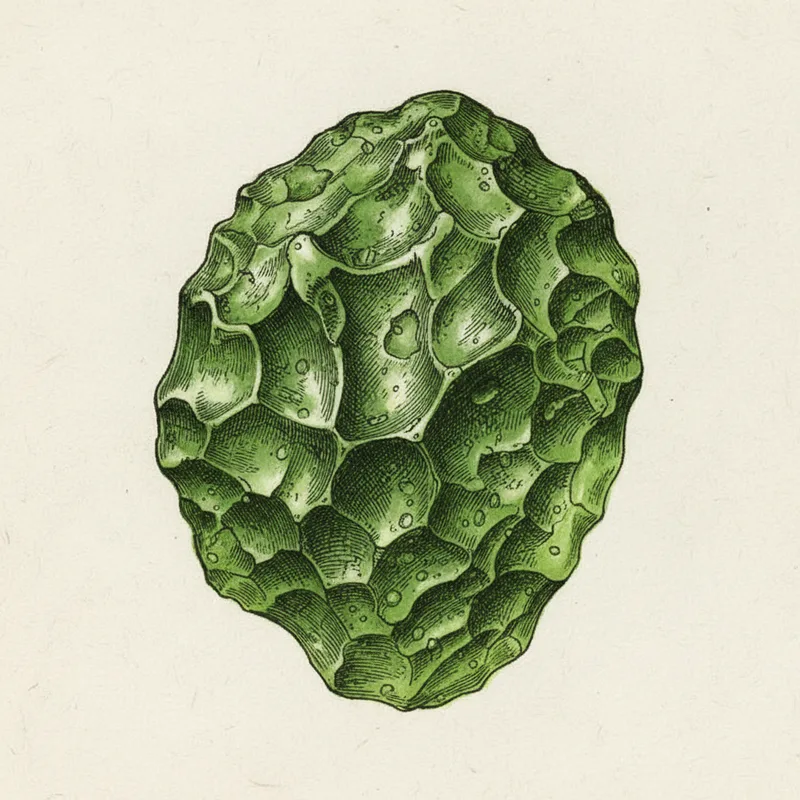
One exception worth noting: Moldavite and meteorite specimens occasionally raise customs questions in countries with strict natural-heritage export laws. If you are traveling to or from the Czech Republic with moldavite, keep your receipt. Otherwise, no issue anywhere.
Now the stones.
1. Black Tourmaline - The Travel Workhorse
Black tourmaline (specifically the schorl variety) is the most-recommended single stone for travel and the most-recommended single stone for protection in general. It is iron-rich tourmaline, formula NaFe₃Al₆(BO₃)₃Si₆O₁₈(OH)₄, with hardness 7-7.5. The crystal habit is a distinctive rounded triangular prism with vertical striations.
The protection tradition for tourmaline goes back to ancient Indian and Egyptian sources, but the modern emphasis on it as a "travel stone" is more recent and tied to its real physical properties: it is pyroelectric (develops static charge when heated) and piezoelectric (develops charge when compressed). Whether those properties matter energetically is your call. They are real physical properties.
Where to carry it: A small tumbled piece in a pocket or bag. Black tourmaline is durable enough to take rough handling without chipping. A piece the size of a nickel is enough.
Best for: Generalized travel anxiety. The stone you reach for when the flight is delayed, the cab driver does not speak your language, or the hotel hallway is darker than expected.
2. Hematite - The Grounding Stone
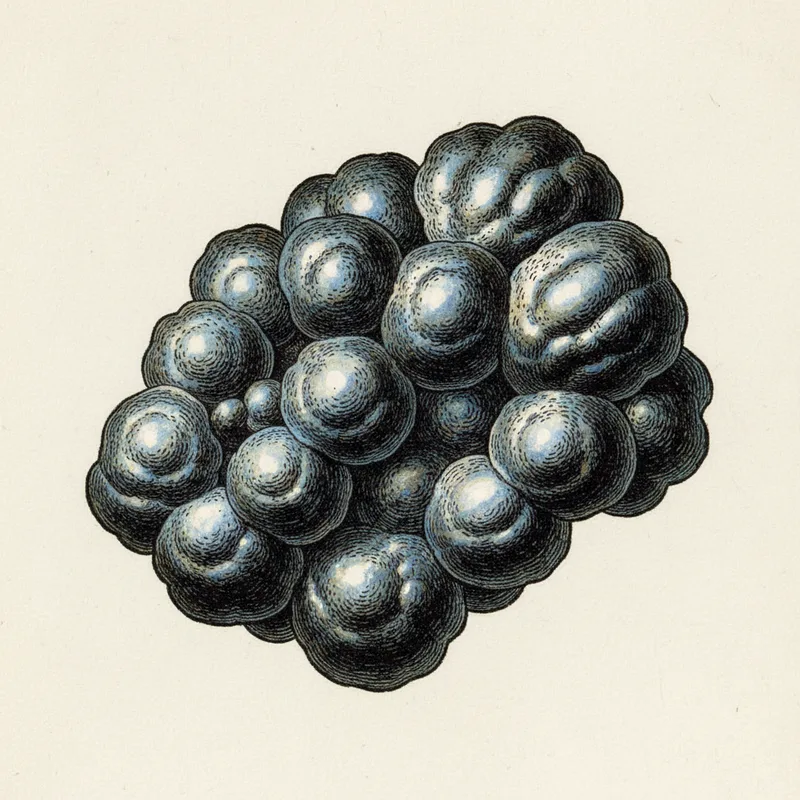
Hematite (Fe₂O₃) is iron oxide, the same mineral that gives Mars its red color. Specific gravity is high (5.0-5.3), which means it feels noticeably heavy in your hand for its size. That weight is part of why it works as a grounding stone - the tactile heft is the cue to your nervous system to settle.
Hardness is 5.5-6.5. It takes a high mirror polish that is almost reflective enough to use as a mirror. The streak (mineral powder) is reddish-brown, which is how you can identify it even when the surface looks silver-black.
Where to carry it: Tumbled hematite is an excellent palm stone for in-flight use. Some travelers wear hematite jewelry (rings, bracelets) for the always-with-you grounding contact.
Best for: Flight anxiety specifically. The weight of the stone, held in your palm during takeoff and landing, gives your nervous system something concrete to focus on. This is a well-documented anxiety-reduction technique called "tactile grounding."
A note: "Magnetic hematite" sold cheaply is usually a manufactured magnetized iron-ceramic composite, not real hematite. Real hematite is only weakly magnetic at most.
3. Smoky Quartz - The Calming Stone
Smoky quartz is quartz (SiO₂) with brown-to-grey-to-black coloration caused by trace aluminum and natural background radiation that displaces electrons over geological time. Hardness 7. The color ranges from light tea to deep chocolate, with the darkest variety called morion.
Smoky quartz has a long tradition as a calming and stress-reducing stone, and it pairs well with travel because it is durable, common, and inexpensive. Most importantly: it is real natural quartz that comes in transparent enough form to feel pleasantly weighty without being fragile.
Where to carry it: A tumbled palm stone in a carry-on pocket. Some travelers keep a piece on the hotel nightstand for the first night in an unfamiliar bed.
Best for: The wind-down moments. Long layovers, the hotel-room hour before sleep, the cab ride from the airport when adrenaline is finally crashing.
4. Malachite - The Old European Travel Tradition
Malachite (Cu₂CO₃(OH)₂) carries one of the oldest documented traveler traditions in European folklore. Russian, German, and Eastern European cultures specifically associated malachite with safe road travel - merchants, drivers, and traders carried it on long journeys. The tradition predates cars by centuries.
Malachite is a copper carbonate with hardness 3.5-4 and distinctive concentric green banding. Specific gravity is 3.9, so it feels heavy.
Where to carry it: Polished tumbled pieces only - not raw or unpolished malachite, which produces toxic copper-bearing dust if it crumbles. Keep it in a pouch in your bag, not loose.
Safety: Polished malachite is safe to handle. Do not put malachite in a drinking water bottle, do not file or grind it, and replace it if it develops cracks that produce dust. See crystal care for more.
Best for: Long road trips and overland travel specifically. The European traveler tradition was about literal road safety, and modern crystal users often keep a piece in the car center console.
5. Turquoise - The Oldest Travel Stone in the World
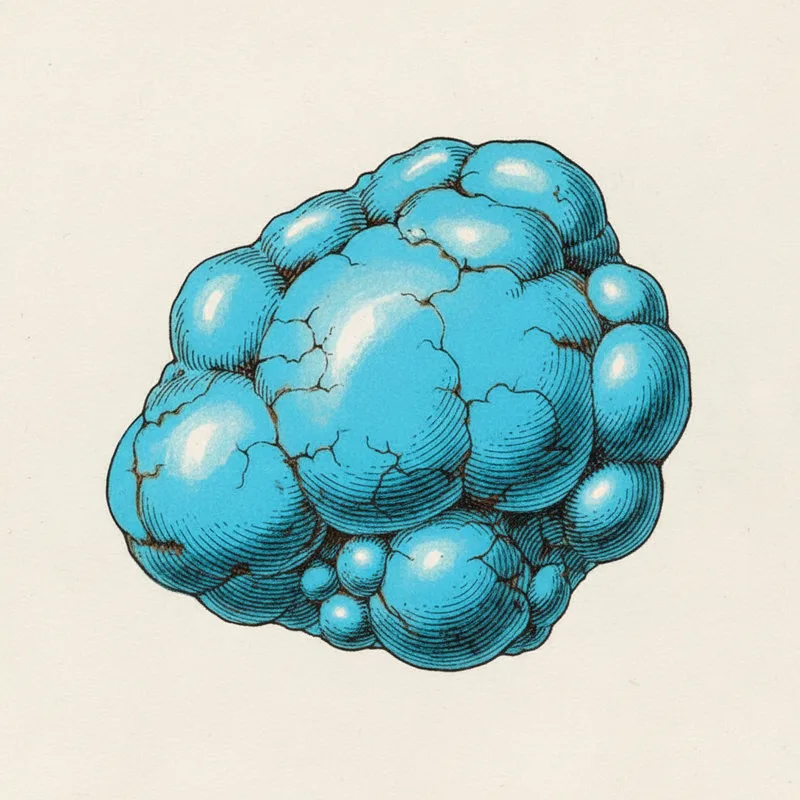
Turquoise has the longest documented travel-protection tradition of any stone on this list. Egyptian, Persian, Tibetan, Native American, and Andean cultures all independently developed traditions of turquoise as a traveler's amulet, often specifically for horse-and-rider safety on long journeys. The Persian tradition placed turquoise on bridles. The Apache and Navajo traditions placed turquoise on saddles. Modern crystal users carry it in pockets and jewelry.
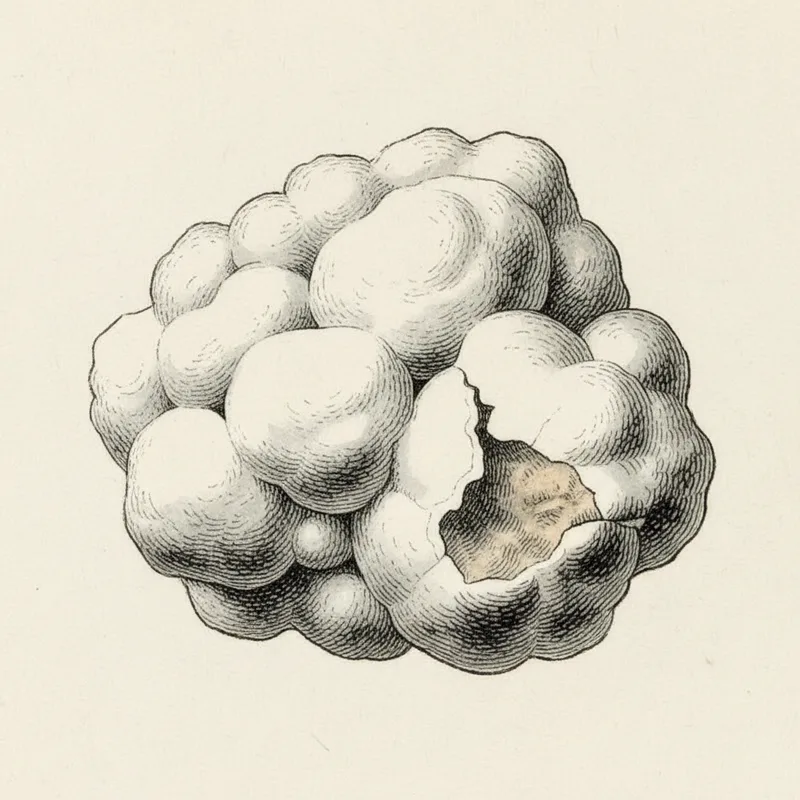
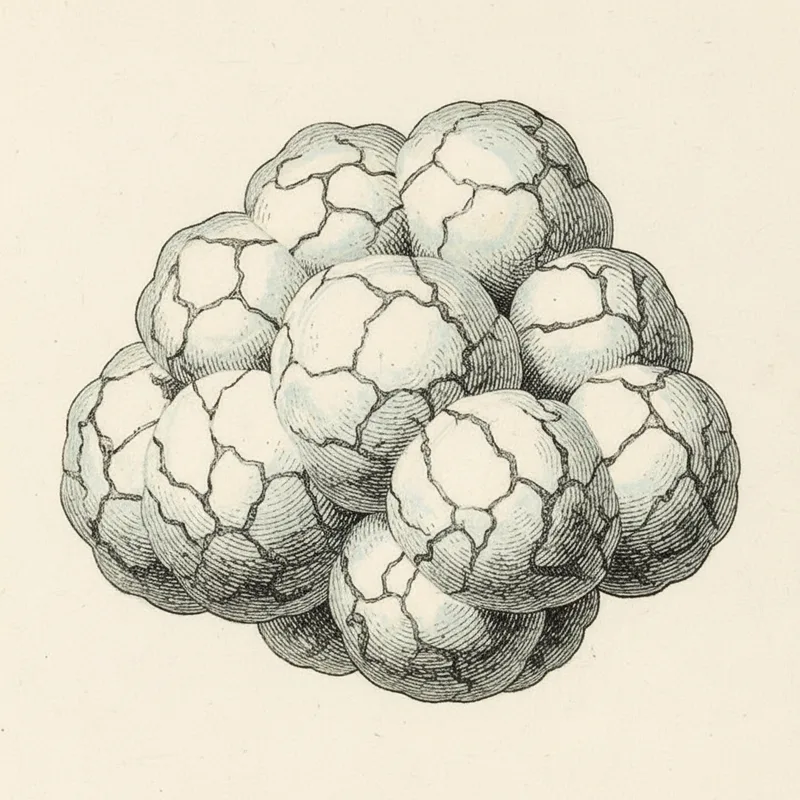
Real natural turquoise is hydrated copper aluminum phosphate, hardness 5-6. Be aware that most cheap "turquoise" is dyed howlite or magnesite. For the full authentication walkthrough, see Is My Turquoise Real?.
Where to carry it: Worn as jewelry (the most traditional placement) or kept in a wallet or pocket. Turquoise is soft enough that pocket carry can scratch it over years.
Best for: Travel involving long distances, multiple legs, or border crossings. The traditional "safe arrival" stone.
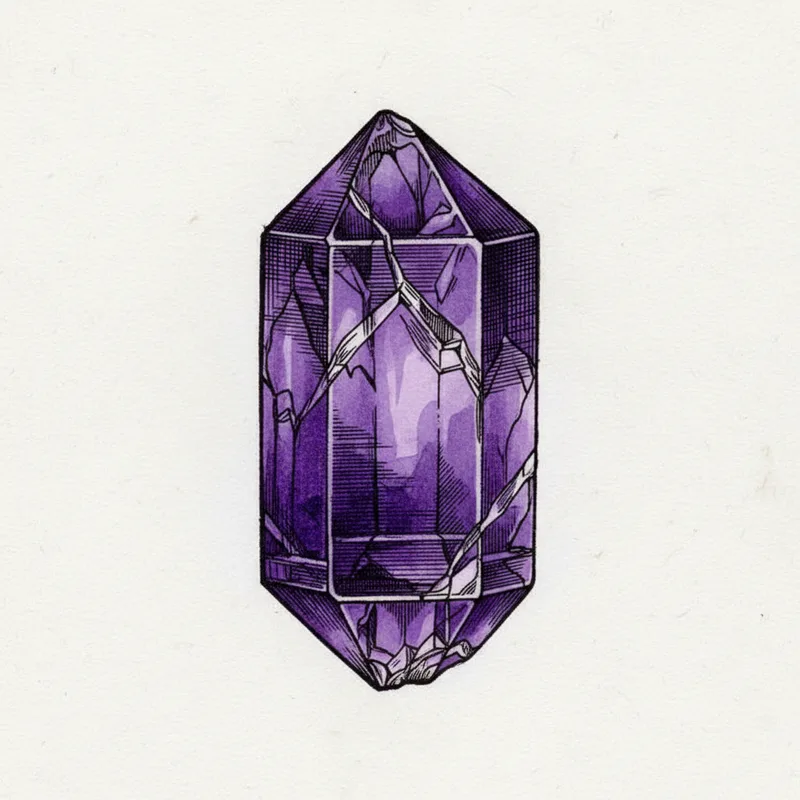
6. Amethyst - The Sleep-and-Calm Stone
Amethyst is purple quartz, the most common single crystal in the U.S. metaphysical market, and a sensible inclusion on a travel list specifically for sleep. The traditional association is with calm, balanced thought, and protection during altered states (which sleep counts as). Hardness 7.
Amethyst is widely available, durable, and visually distinctive enough that you will not lose it in a hotel drawer.
Where to carry it: A small tumbled piece on the hotel nightstand. Some travelers keep an amethyst-cluster nightlight at home and bring a small tumbled version on the road.
Best for: Hotel-room insomnia, especially the first night in an unfamiliar bed. Pair with melatonin and a consistent sleep routine for actual results.
7. Moonstone - The Jet Lag Stone
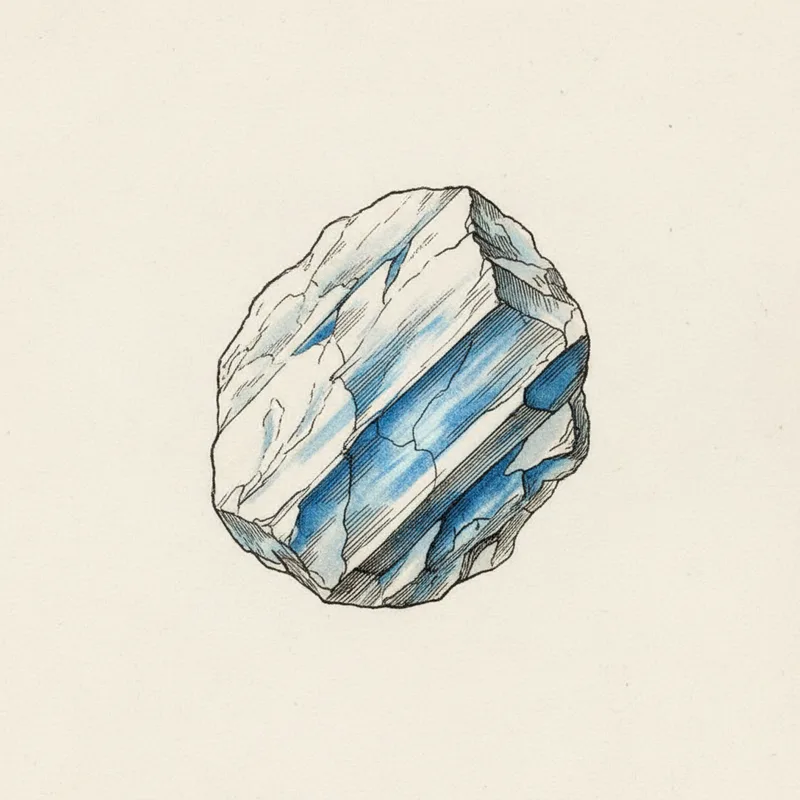
Moonstone is a feldspar (orthoclase variety) with a distinctive light shimmer called adularescence, caused by light scattering off thin alternating layers of feldspar. Hardness is 6-6.5. It is fragile and should be handled gently.
The reason moonstone gets included in travel lists specifically is its association with cyclical balance, which traditional sources tied to lunar cycles and modern crystal users tie to circadian rhythms. The connection is symbolic, not biochemical, but it is a useful anchor for the disorienting experience of crossing time zones.
Where to carry it: Worn as a pendant during long-haul flights, or kept on the hotel bedside during the first 2-3 nights of a multi-time-zone trip.
Best for: Jet lag specifically. Pair with the actual jet-lag interventions that work: morning sunlight at the destination, melatonin timed to destination night, hydration, and resisting the urge to nap on arrival.
What to Pack Together
A pragmatic travel kit:
- One tumbled black tourmaline in a pocket for everyday carry
- One palm stone (hematite or smoky quartz) in your carry-on for flight use
- One amethyst for the hotel nightstand
- One moonstone if crossing 3+ time zones
Total weight under 100g, total cost under $30 if you are not buying premium specimens, and you have covered the main travel stress points: anxiety, flight discomfort, hotel sleep, and jet lag.
What Crystals Will Not Do
Worth being clear:
- They will not prevent your flight from being delayed
- They will not protect you from theft
- They will not cure jet lag (only sleep, light timing, and time will)
- They will not replace travel insurance, locked luggage, or paying attention to your surroundings
What they can do is give you something to hold during the moments when you would otherwise be staring at your phone with rising anxiety. That is a real benefit, but it is the same benefit you would get from a smooth pebble, a worry stone, or a fidget toy. The crystal is one option among many.
If the symbolic dimension matters to you, that is a legitimate reason to choose a particular stone. If it does not, choose whichever one feels best in your hand.
FAQ
Can I take crystals through TSA? Yes. They are inert mineral specimens with no security implications. Pack them in carry-on or checked baggage.
What about international customs? Personal-use crystals are fine in every country we know of. The only edge case is moldavite from the Czech Republic - keep your receipt if you bought one there.
Do crystals work on planes despite altitude or shielding? The premise of this question is testable: no peer-reviewed evidence shows crystals produce measurable energetic effects at any altitude. As tactile anchors and grounding objects, they work fine on planes.
Best single crystal for travel anxiety specifically? Black tourmaline. Most-recommended, most durable, and inexpensive. A small tumbled piece is enough.
Can I bring crystals into water (hotel pools, beach)? Most crystals on this list are water-safe except malachite (which can develop toxic patina if soaked). For the full water-safety reference, see the water-safe crystals page.
Related Reading
- Most Powerful Protection Crystals (Science-First) - the protection-stone deep dive
- Best Crystals for Anxiety - companion list focused on anxiety specifically
- Best Crystals for Sleep - hotel-room insomnia specifically
- Is My Turquoise Real? - if you are buying turquoise for travel
- Crystal Care Guide - including malachite handling and water safety
- Water-Safe Crystals - which stones tolerate moisture
Crystals in This Article
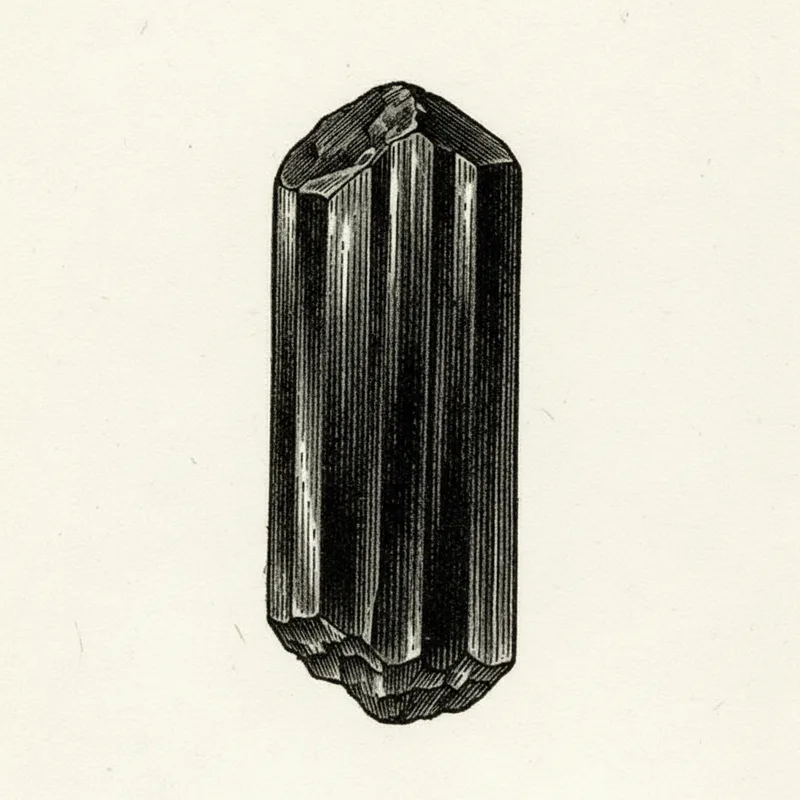
Black Tourmaline
The Shield Stone
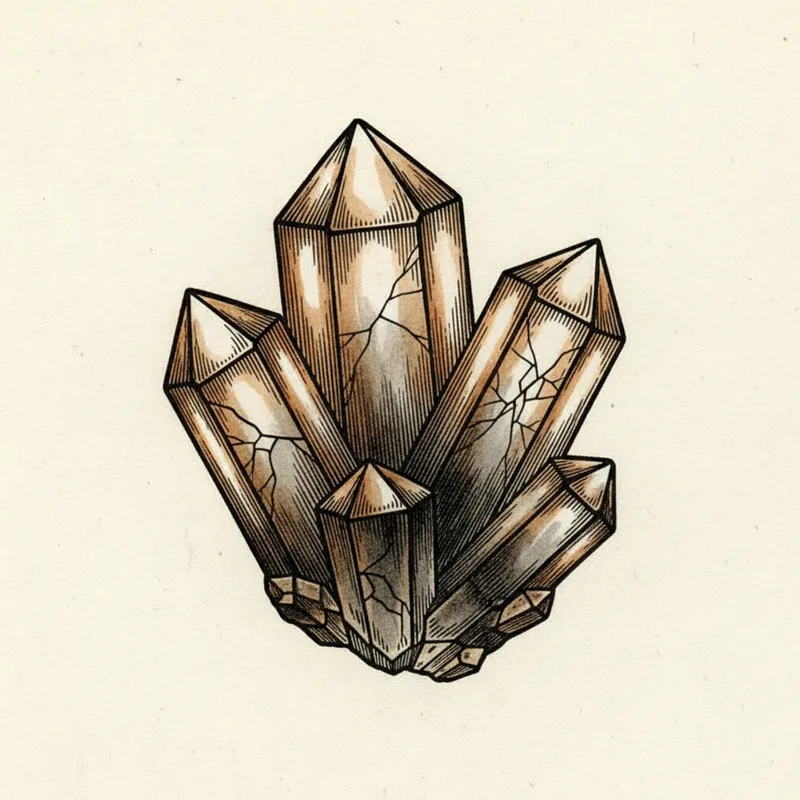
Smoky Quartz
The Grounding Stone
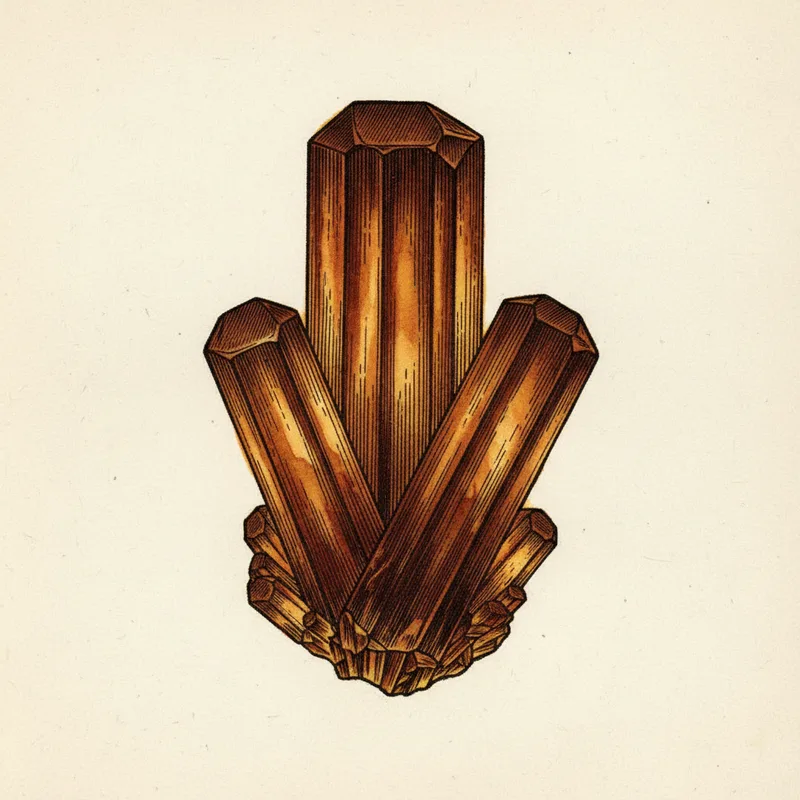
Tourmaline
The Rainbow Stone

Orthoclase
The Foundation Feldspar
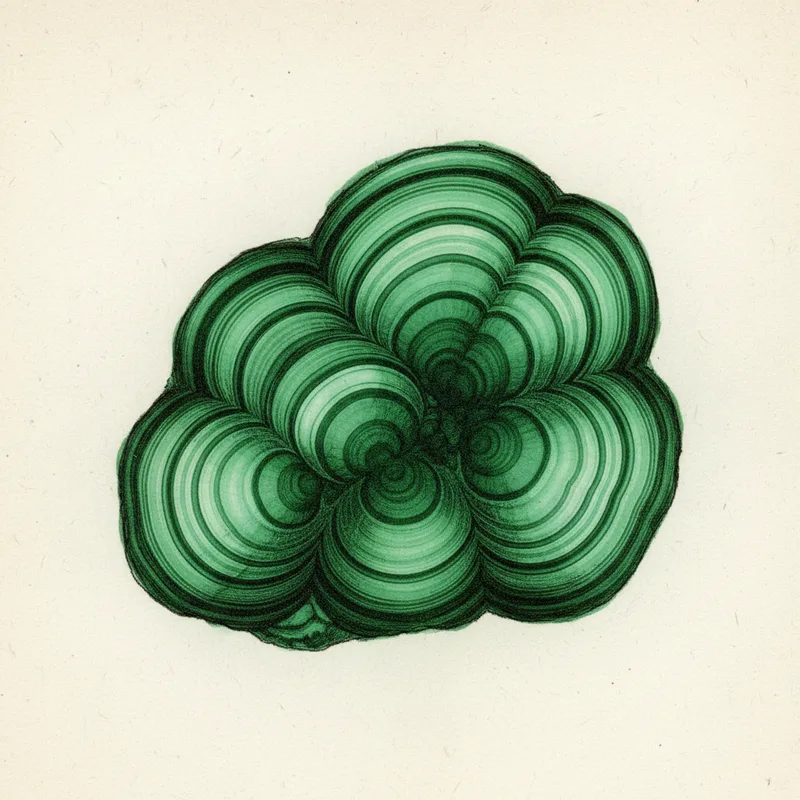
Malachite
The Stone of Transformation
Turquoise
The Sky Stone
Moonstone
The Traveler's Stone
Moldavite
The Stone from the Stars
Magnesite
The Brain Stone
Amethyst
The Stone of Spiritual Wisdom
Hematite
The Blood Stone
Howlite
The Calming Stone
Keep Reading
Stay in the loop
From the Almanac
Updates from Crystal Almanac, when there’s something worth sharing.