Crystals That Fade in Sunlight (and the Chemistry Behind It)
Key Takeaway: UV radiation destroys the color centers in many popular crystals, permanently bleaching them. Amethyst, kunzite, smoky quartz, and rose quartz are among the most vulnerable. Crystals colored by structural chromophore ions (ruby, sapphire, peridot) are safe. Keep sensitive stones away from windows and direct sunlight.
That gorgeous amethyst cluster you put in your sunny window? It's slowly turning pale. UV radiation is bleaching the very color centers that make it purple. This isn't folklore. It's photochemistry, and understanding it will save your collection.
The frustrating part is that fading is permanent. You can't "recharge" a bleached amethyst by putting it in moonlight or burying it in salt. The electrons that created the color have been knocked out of position, and they aren't coming back without laboratory-grade gamma radiation. Once the purple is gone, it's gone.
But not every crystal is vulnerable. Some are essentially bulletproof in sunlight. The difference comes down to what causes the color in the first place, and there are three fundamentally different mechanisms at work.
How Minerals Get Their Color
Before we talk about which crystals fade, you need to understand why some colors are fragile and others aren't. Mineral color comes from three main sources, and each one responds to light differently.
Color Centers (Fragile)
A color center is a defect in the crystal lattice where electrons are trapped in positions they don't normally occupy. These trapped electrons absorb specific wavelengths of light, and the wavelengths they don't absorb are the colors you see. The problem is that UV radiation carries enough energy to knock these electrons free, destroying the color center entirely.
Think of it like a ball sitting in a shallow bowl. A small push (UV light) can knock it out. Once it's out, the bowl is empty. No more color.
This is how amethyst and smoky quartz get their color, and it's why both will fade in a sunny window. The electrons were originally trapped there by natural gamma radiation deep underground over millions of years. Sunlight undoes millions of years of work in a matter of months.
Charge Transfer (Moderately Stable)
Charge transfer color happens when electrons jump between two different metal ions sitting next to each other in the crystal structure. In blue sapphire, electrons shuttle between Fe²⁺ and Ti⁴⁺ ions, absorbing red and yellow light in the process. What's left is blue.
This mechanism is much more stable than color centers because the metal ions are a permanent part of the crystal structure. They aren't going anywhere. The electron transfer is a repeatable process, not a one-time trap. Charge transfer colors are essentially permanent and safe in sunlight.
Chromophore Ions (Permanent)
The most stable color source of all. Chromophore ions are specific metal atoms built directly into the crystal lattice that absorb light because of their own electronic structure. Cr³⁺ gives ruby its red. Fe²⁺ gives peridot its green. These ions are part of the mineral's fundamental chemistry.
You could leave a ruby in direct sunlight for a century and the red wouldn't change one shade. The chromium atoms aren't going anywhere, and their light-absorbing properties are an intrinsic part of how the atom works. No amount of UV can change that.
Understanding these three mechanisms is the key to predicting which crystals will fade and which won't. Color centers fade. Charge transfer and chromophore colors don't. It's that simple.
Crystals That Fade (and Why)
1. Amethyst
Color mechanism: Fe³⁺ ions substituting for silicon in quartz, activated by natural gamma radiation to create color centers.
Amethyst is the poster child for light sensitivity. The purple color comes from iron impurities (Fe³⁺) that have been irradiated by naturally occurring radioactive elements in the surrounding rock. This irradiation process takes millions of years and creates stable color centers, but "stable" is relative. Those color centers are stable in the dark. Put them in UV light and they break down.
The fading follows a predictable path: deep purple becomes pale lavender, then pinkish, then nearly colorless. It doesn't happen overnight. A few hours of indirect light won't do visible damage. But weeks or months in a sunny window will produce noticeable change, and the process accelerates in direct sunlight.
Here's an interesting detail: if you heat a fading amethyst to around 470°C, it turns yellow and becomes citrine. This is actually how most commercial citrine is produced. The heat permanently reorganizes the iron color centers into a different configuration that absorbs different wavelengths. Natural citrine is quite rare. That bright orange "citrine" at the crystal shop? Almost certainly heat-treated amethyst.
2. Rose Quartz
Color mechanism: Microscopic dumortierite nanofibers and/or trace titanium and manganese. Debated among mineralogists.
Rose quartz is an interesting case because mineralogists still argue about exactly what causes its pink color. The leading theory involves microscopic fibers of dumortierite (a borosilicate mineral) embedded throughout the quartz. Some researchers point to trace amounts of titanium and manganese creating color centers instead. It may be a combination of both.
What everyone agrees on is that rose quartz can fade in prolonged sunlight, though it does so more slowly than amethyst. The fading is subtle. A piece displayed in a bright window for a year might shift from soft pink to very pale pink, but it rarely goes completely colorless. If the color comes primarily from the dumortierite fibers, the fading mechanism might involve changes to the fiber surfaces rather than destruction of color centers in the quartz itself.
3. Smoky Quartz
Color mechanism: Al³⁺ substituting for Si⁴⁺ in the quartz structure creates a charge imbalance. Natural radiation produces a hole trap that absorbs light.
Smoky quartz gets its brown-to-black color from aluminum impurities activated by natural radiation, similar to amethyst but with a different impurity atom. When Al³⁺ replaces Si⁴⁺ in the crystal lattice, it creates a charge deficit. Natural gamma radiation ionizes this site, producing a "hole" (a missing electron) that absorbs light and creates the smoky color.
UV light can reverse this process, filling the hole back in and bleaching the crystal. But there's an important nuance: naturally irradiated smoky quartz fades much more slowly than commercially irradiated smoky quartz. The natural specimens have had millions of years for their color centers to stabilize, while artificially irradiated stones may have less stable defect configurations. If your smoky quartz fades unusually fast in light, it was likely irradiated commercially.
4. Kunzite
Color mechanism: Mn³⁺ color centers in spodumene (LiAlSi₂O₆).
Kunzite is the most light-sensitive popular crystal by a wide margin. Its delicate pink-to-violet color comes from manganese color centers in the mineral spodumene, and these centers are extraordinarily unstable when exposed to UV radiation. A kunzite crystal can fade visibly in just weeks of window display. Months of exposure can render it nearly colorless.
This extreme sensitivity is why kunzite was historically called the "evening stone." Gem cutters and jewelers recommended wearing kunzite jewelry only at night or indoors, away from sunlight. It's also why high-quality kunzite specimens command premium prices only when they retain deep, saturated color. That color is fragile, and dealers who know what they're doing store their inventory in dark cases.
If you own kunzite, keep it in a drawer, a display case with UV-filtering glass, or a jewelry box. It should never sit on a windowsill or shelf that receives direct light.
5. Fluorite
Color mechanism: Varies. Color from rare earth element defects (primarily yttrium and cerium), radiation-induced color centers, or both.
Fluorite comes in virtually every color, and the stability of that color depends entirely on which mechanism is responsible. Some fluorite colors are created by rare earth elements substituting into the calcium fluoride (CaF₂) lattice. Others come from radiation-induced color centers similar to those in amethyst.
Deep purple and blue fluorite specimens are the most vulnerable to fading, particularly when their color derives from radiation damage rather than rare earth substitutions. Green fluorite colored by yttrium or samarium tends to be much more stable. The problem is that you can't always tell which mechanism is at work just by looking.
As a rule of thumb, keep deeply colored purple and blue fluorite out of direct sunlight. Green, yellow, and colorless fluorite are generally safer, but if you have a specimen you truly value, err on the side of caution.
6. Celestite
Color mechanism: Color centers related to sulfate vacancies in the SrSO₄ structure. Some contribution from trace barium or calcium.
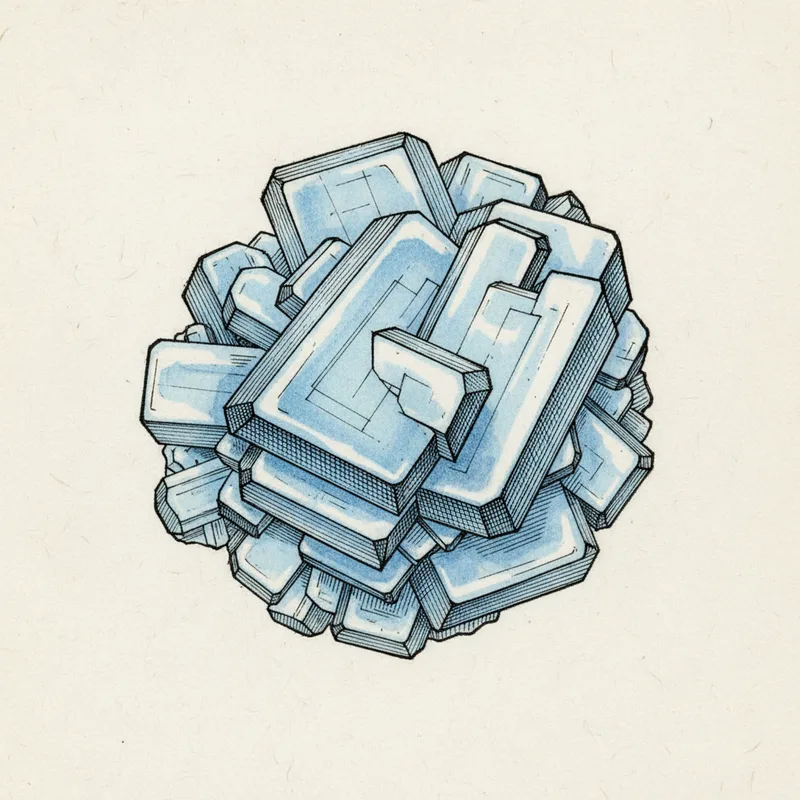
Celestite has a delicate pale blue that fades with light exposure. The blue color is thought to come from defects in the strontium sulfate crystal structure, possibly related to sulfate ion vacancies or trace impurities. These are relatively unstable color centers.
Celestite also has a separate problem: it's very soft (3-3.5 on the Mohs scale) and extremely fragile. The tabular crystals are prone to cleaving and chipping. Between the light sensitivity and the physical fragility, celestite is best displayed in a closed case away from windows. Handle it as little as possible and never clean it with anything beyond a very soft brush.
7. Chrysoprase
Color mechanism: Nickel-bearing silica (kerolite or willemseite) dispersed throughout chalcedony.
Chrysoprase fades through a slightly different mechanism than the others on this list. Its apple-green color comes from microscopic inclusions of nickel-bearing minerals distributed throughout the chalcedony matrix. When chrysoprase is exposed to heat and light, it can dehydrate, and this dehydration changes the structure of the nickel-bearing inclusions in ways that reduce color intensity.
The good news is that chrysoprase can sometimes partially recover its color if you wrap it in a damp cloth and store it in a cool, dark place for several weeks. This rehydration doesn't always work completely, but it can reverse some of the damage. Prevention is still better than cure, though. Keep chrysoprase away from heat and prolonged direct light.
8. Ametrine
Color mechanism: Half amethyst (Fe³⁺ color centers), half citrine (different Fe³⁺ configuration).
Ametrine is a fascinating natural experiment in color stability. This bicolor variety of quartz contains both amethyst purple and citrine yellow in the same crystal, separated by a sharp boundary. The two colors come from the same impurity (iron) in different oxidation states and structural positions.
Put an ametrine in a sunny window and you get a real-time demonstration of the difference between stable and unstable color mechanisms. The purple amethyst zone fades. The yellow citrine zone stays exactly the same. Over time, your bicolor gem slowly becomes a single-color yellow stone.
This happens because the citrine color in ametrine comes from a different iron configuration (Fe³⁺ in a different structural site) that is not UV-sensitive. It's the same element causing both colors, but the atomic-level details make all the difference.
9. Hackmanite and Tugtupite (The Reverse Cases)
Color mechanism: Tenebrescence. Sulfur-bearing defects in sodalite-group minerals that respond reversibly to UV light.
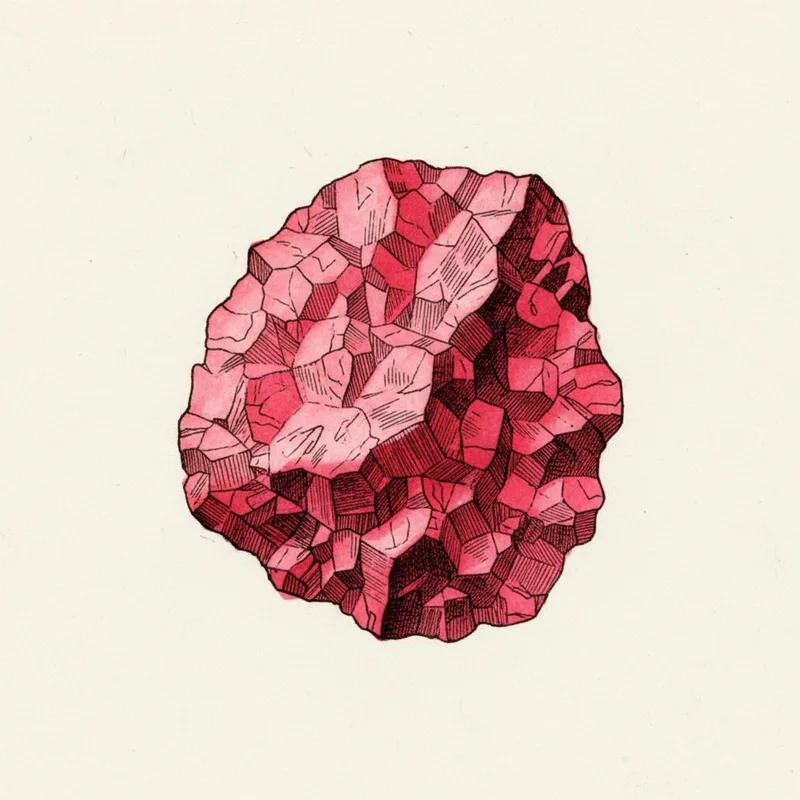
Hackmanite and tugtupite break every rule on this list. They exhibit tenebrescence, a form of reversible photochromism that works in the opposite direction from everything discussed above. These minerals gain color when exposed to UV light and fade when placed in the dark.
A hackmanite specimen might appear pale lavender or nearly white under normal lighting. Expose it to shortwave UV light for a few minutes and it shifts to a vivid raspberry pink or violet. Put it back in a dark drawer and the color slowly fades over hours or days, returning to pale.
The mechanism involves sulfur-bearing defects in the sodalite-type crystal structure. UV light excites electrons into these defect sites, creating temporary color centers. Visible light and thermal energy gradually knock the electrons back out, and the color fades. It's a completely reversible cycle. You can repeat it thousands of times without degrading the crystal.
Hackmanite from Myanmar and Afghanistan tends to show the strongest and longest-lasting tenebrescence. Some exceptional specimens can hold their UV-induced color for weeks before fading.
Crystals That Don't Fade (Safe for Windows)
Not every crystal needs to hide from the sun. These minerals get their color from mechanisms that UV light simply cannot disrupt.
Agate and Jasper are colored by iron oxide pigments (hematite, goethite) that are structural and permanent. These opaque mineral inclusions aren't affected by light. Note: dyed agate can fade, but natural colors will not.
Obsidian is volcanic glass whose color comes from its bulk chemical composition and microscopic mineral inclusions. There are no color centers to destroy. Black, mahogany, and rainbow obsidian are all safe.
Hematite and Magnetite are opaque iron oxides. Their color is a fundamental property of their iron-oxygen chemistry. Completely light-stable.
Lapis Lazuli gets its blue from the lazurite mineral, which contains sulfur radical anions (S₃⁻) as chromophores. These are deep structural color sources, stable over geological time. Ancient Egyptian lapis lazuli artifacts are still brilliant blue after 4,000 years.
Ruby and Sapphire are colored by chromophore ions (Cr³⁺ in ruby) and charge transfer (Fe²⁺-Ti⁴⁺ in blue sapphire). These are among the most light-stable colored minerals that exist. There's a reason they've been prized as gems for millennia.
Peridot is colored by Fe²⁺ ions that are a fundamental part of the olivine crystal structure. The green is as permanent as the mineral itself.
How to Protect Your Collection
Now that you understand the science, here are practical steps to keep your sensitive crystals looking their best.
Display placement matters most. Keep amethyst, kunzite, smoky quartz, rose quartz, fluorite, celestite, and ametrine away from windowsills and any spot that receives direct sunlight. A shelf on an interior wall is fine. A table near a south-facing window is not.
Use LED lighting. Modern LED bulbs emit very little UV radiation compared to halogen, incandescent, or fluorescent lights. If you light a display case, use LEDs. Some collectors go further and use UV-filtering glass or acrylic for their display cases.
Store kunzite in the dark. Of everything on this list, kunzite is the most sensitive by far. If you own a beautiful kunzite specimen, keep it in a jewelry box, drawer, or case lined with soft fabric. Bring it out to admire, then put it back. Think of it like a fine wine, something you enjoy deliberately rather than leave on the counter.
Rotate your display. If you want to show off your amethyst or fluorite, rotate pieces in and out of display. A few weeks on display followed by time in a dark cabinet spreads the UV exposure across your collection and slows the fading of any individual piece.
Be extra cautious with chrysoprase. Beyond light, chrysoprase is also sensitive to heat and dehydration. Keep it away from heating vents, radiators, and dry environments. If it starts losing color, try the damp cloth trick described above.
Check the crystal care guide for water and toxicity concerns. Light sensitivity is just one dimension of crystal care. Some minerals are also water-soluble, heat-sensitive, or contain elements that require safe handling practices.
The Bottom Line
Mineral color isn't magic. It's physics and chemistry, and different color mechanisms have very different levels of stability. Color centers are fragile. Chromophore ions are permanent. Charge transfer sits somewhere in between but leans heavily toward permanent.
If you remember one thing from this article, let it be this: the most popular purple and pink crystals (amethyst, rose quartz, kunzite) are the most vulnerable to fading. Keep them out of direct sunlight, and they'll hold their color for your lifetime and beyond. Put them in a sunny window, and you'll watch millions of years of geological work slowly unravel.
Your crystals survived burial, tectonic pressure, and geological time. The least we can do is keep them out of the window.
Crystals in This Article
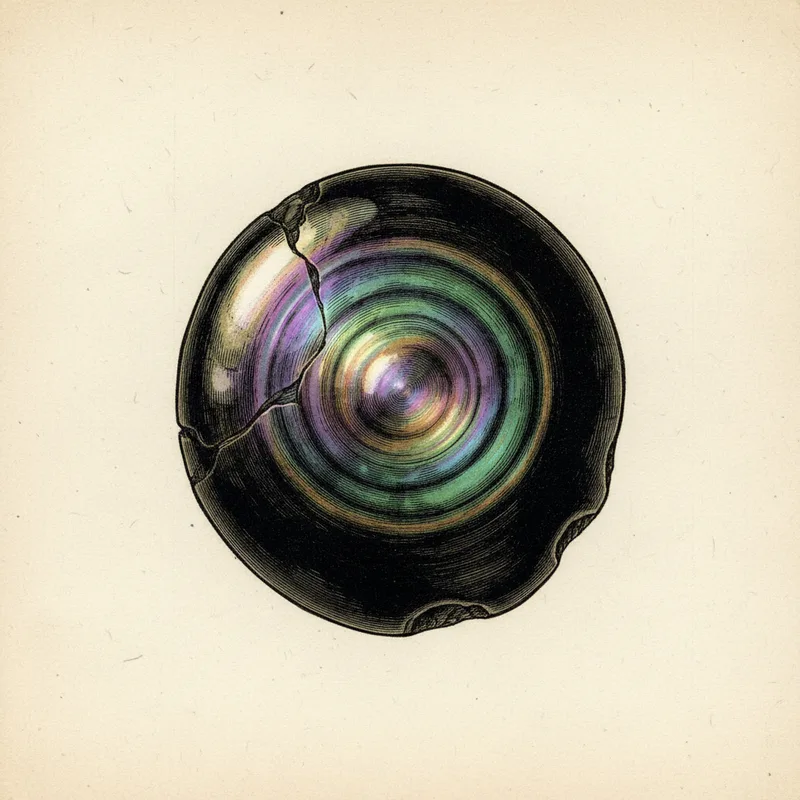
Rainbow Obsidian
The Stone of Light in Darkness
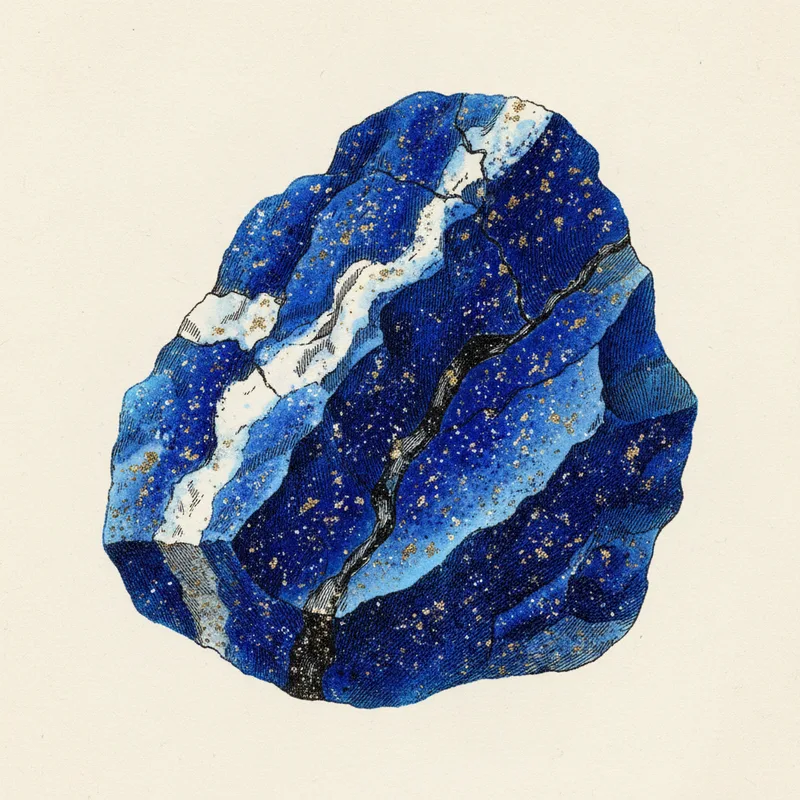
Lapis Lazuli
The Stone of the Heavens
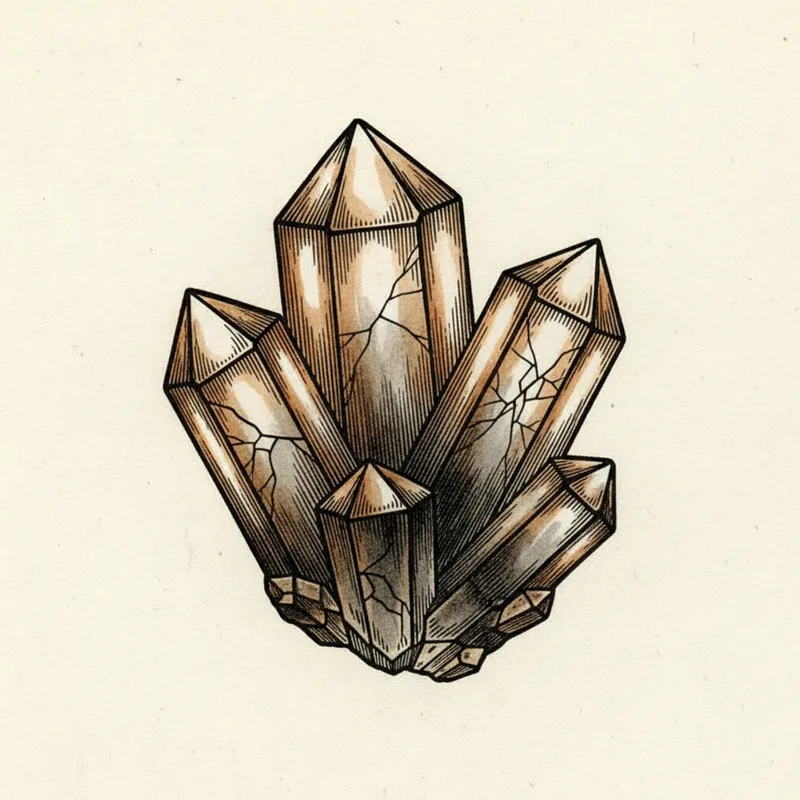
Smoky Quartz
The Grounding Stone
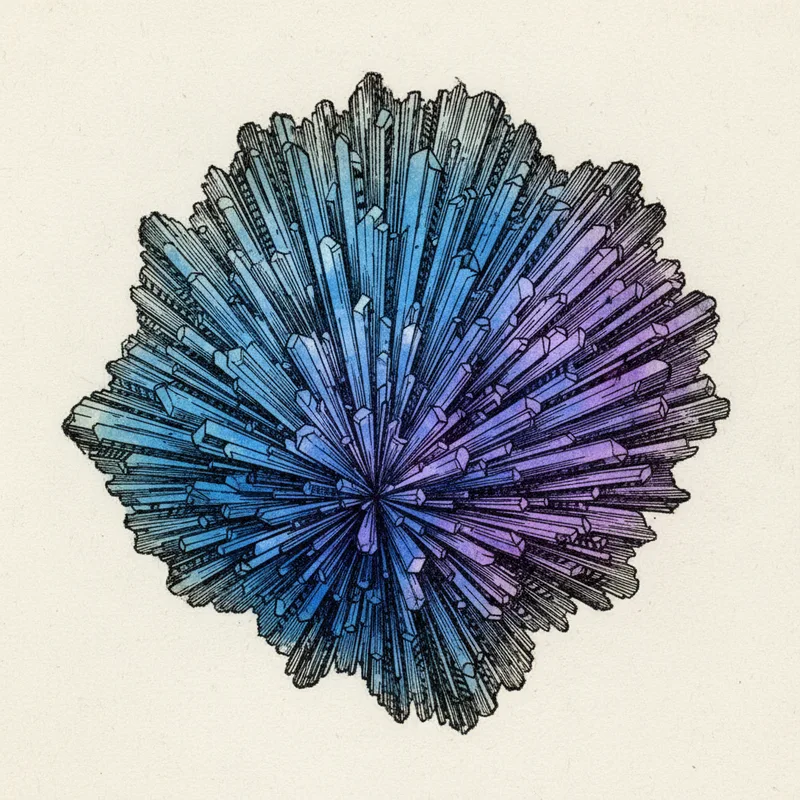
Dumortierite
The Patience Stone
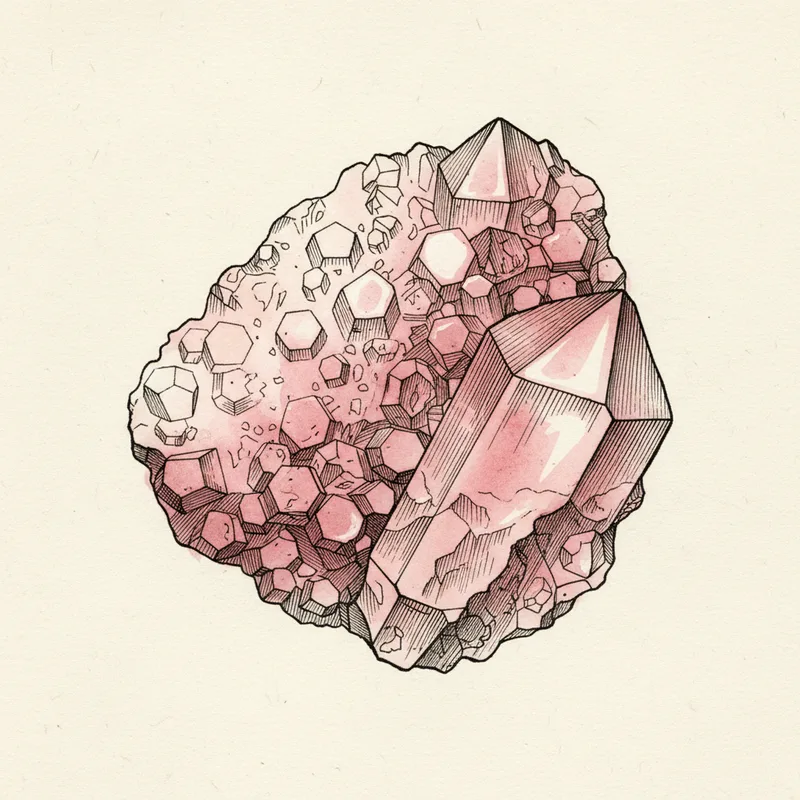
Rose Quartz
The Stone of Unconditional Love
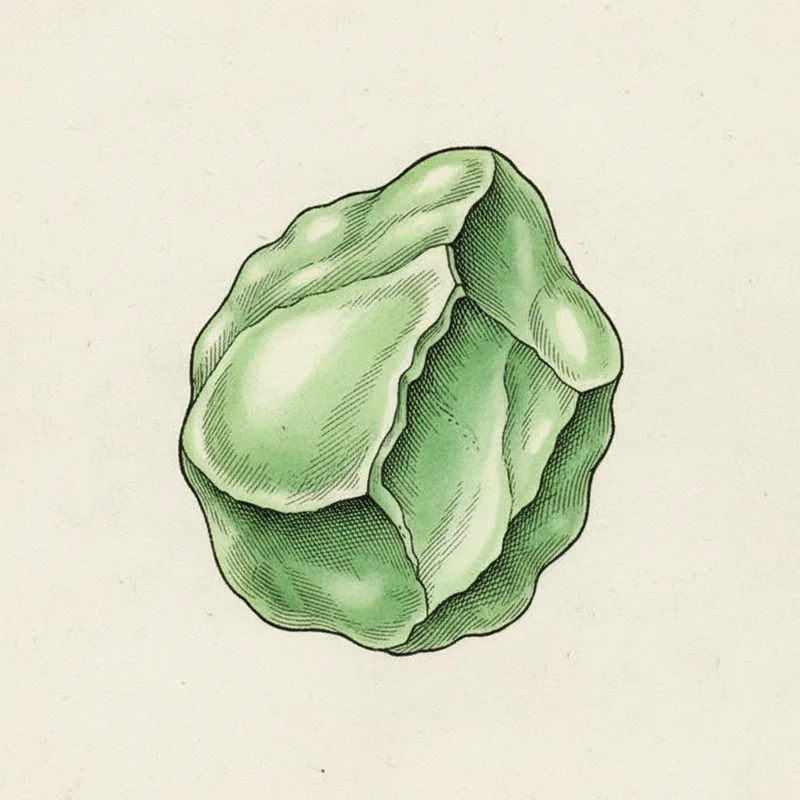
Chrysoprase
The Stone of Venus
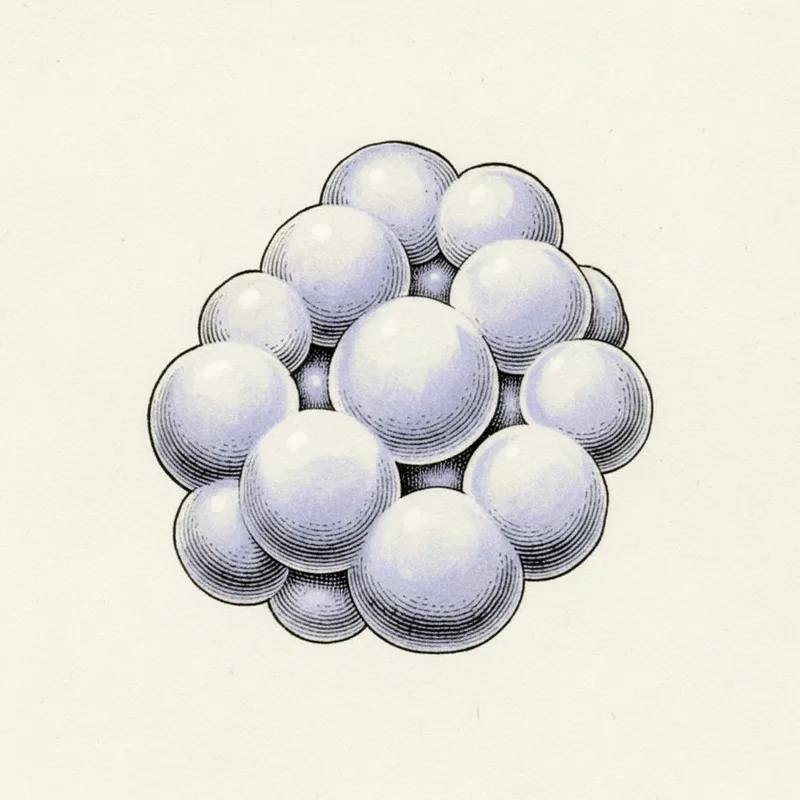
Chalcedony
The Mother of Agates
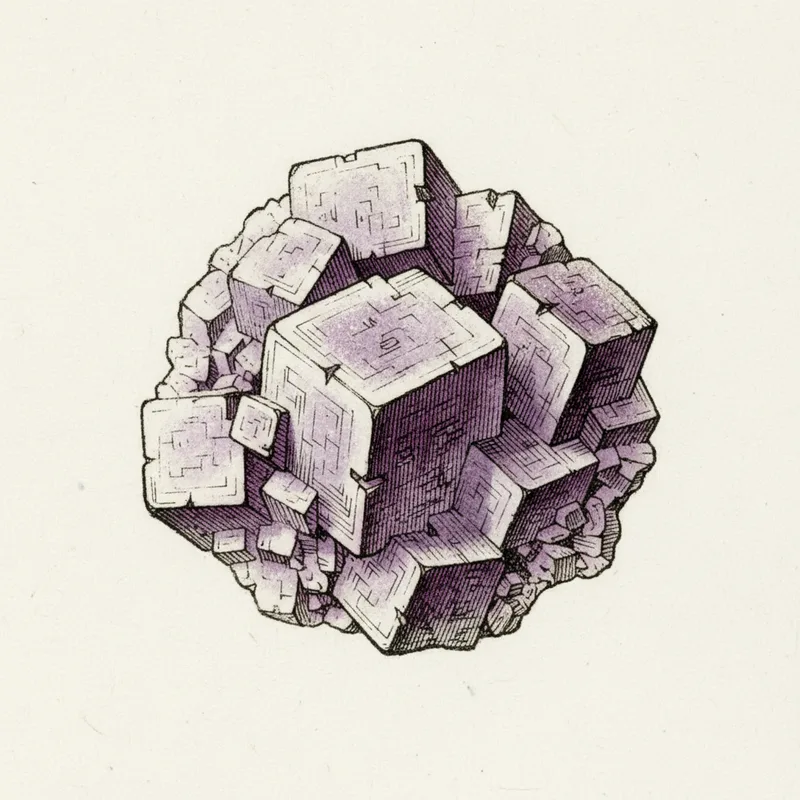
Hackmanite
The Color-Changing Sodalite
Celestite
The Stone of Angels
Magnetite
The Lodestone
Tugtupite
The Reindeer Stone

Spodumene
The Lithium Giant