How to Cleanse Crystals: What Works (and What Doesn't)
Key Takeaway: If you follow crystal cleansing traditions, the safest methods are moonlight, sound, and smoke. Water damages selenite, salt scratches soft stones, and sunlight fades amethyst. Whatever your beliefs, knowing which methods are physically safe for each mineral prevents real damage to your collection.
Crystal cleansing is one of the most discussed topics in the crystal community - and one of the most contentious. Some people consider it essential. Others consider it pseudoscience. This guide isn't here to tell you what to believe. It's here to tell you which methods are physically safe for your crystals and which ones will damage them.
Because regardless of your stance on crystal energy, water will dissolve your selenite. That's just chemistry.
A Note on Science and Tradition
Crystal Almanac presents metaphysical properties as cultural traditions, not scientific facts. There is no peer-reviewed evidence that crystals store, transmit, or accumulate energy that needs to be "cleansed." The practices described below come from various spiritual and cultural traditions that many people find meaningful.
What we can speak to with authority is the physical science: which minerals are water-safe, which fade in sunlight, which are scratched by salt. That knowledge is valuable regardless of your reasons for caring for your crystals.
Water Cleansing
The tradition: Running water (especially natural spring or stream water) is believed to wash away accumulated negative energy. Soaking in salt water is considered a deeper cleanse.
The science: Water is safe for hard, non-porous crystals like quartz varieties (amethyst, citrine, rose quartz, clear quartz, smoky quartz), agate, jasper, and obsidian. These are all hardness 6+ and chemically stable in water.
Do NOT use water on:
- Selenite (hardness 2, water-soluble - it will literally dissolve)
- Halite (rock salt - also water-soluble)
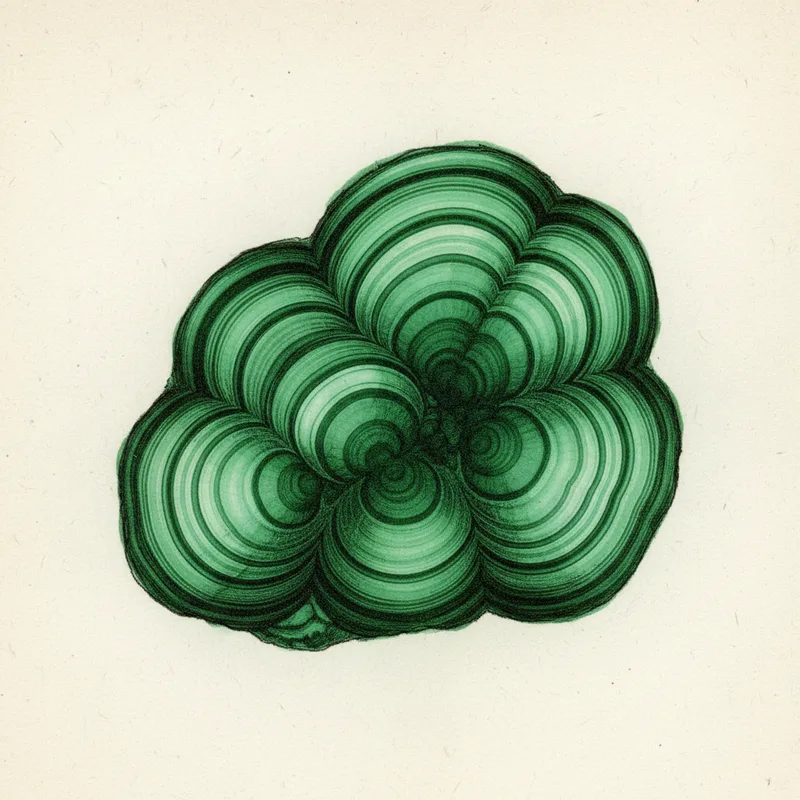
- Malachite (copper content makes it toxic when wet, and water degrades the polish)
- Pyrite (iron sulfide rusts and degrades in water)
- Hematite (iron oxide, can rust)
- Kyanite (can split along cleavage planes when wet)
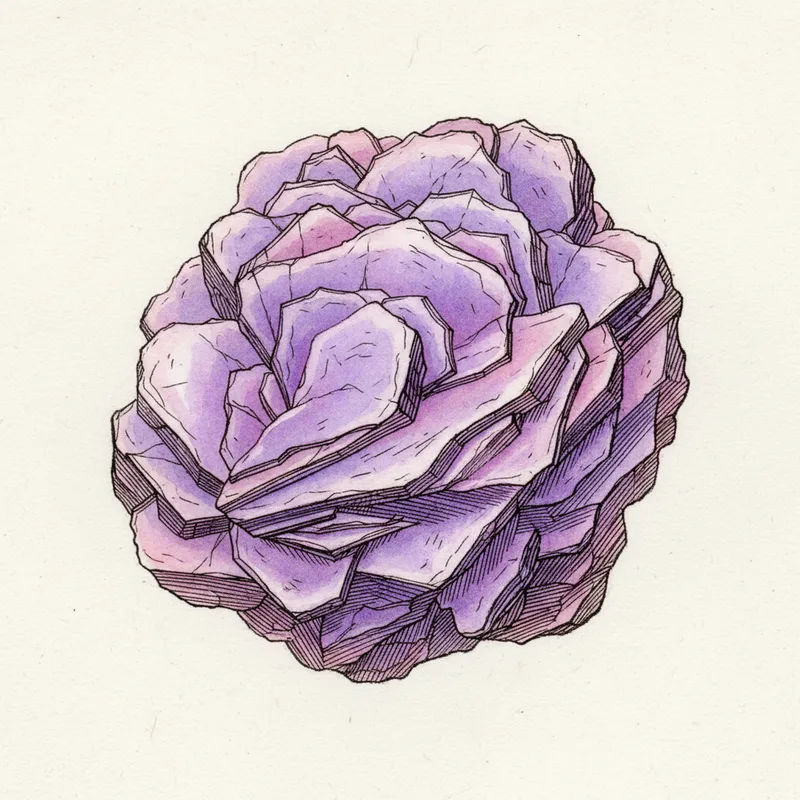
- Lepidolite (flaky mica structure, water gets between layers)
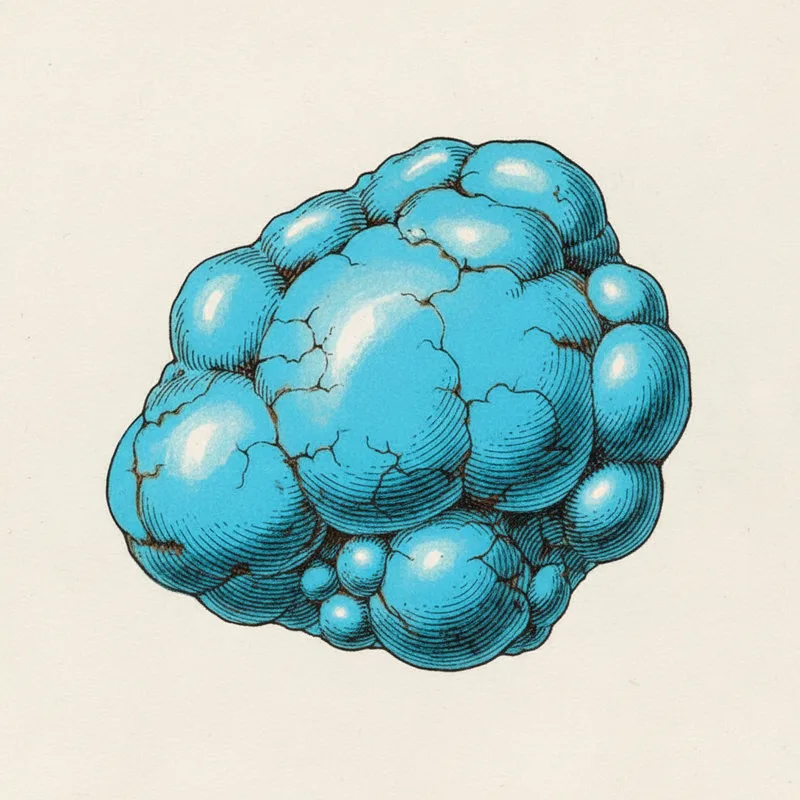
- Turquoise (porous, absorbs water, can change color permanently)
- Opal (contains water internally - soaking can cause crazing/cracking)
- Lapis lazuli (porous, calcite component reacts with water over time)
Salt water is harsher and should be avoided for anything you care about. Salt crystals can lodge in micro-fractures and expand as they dry, damaging the stone. It's also abrasive to polished surfaces.
The rule of thumb: If the mineral is a quartz variety with hardness 7 and no metallic content, water is fine. Everything else, proceed with caution or skip water entirely.
Sunlight Cleansing
The tradition: Placing crystals in direct sunlight is believed to recharge them with solar energy.
The science: UV radiation from sunlight causes photochemical reactions in some minerals that permanently alter their color. This is real, measurable, and irreversible.
Do NOT leave in direct sunlight:
- Amethyst (fades from purple to pale gray/yellow - the iron color centers break down under UV)
- Rose quartz (can fade from pink to white)
- Smoky quartz (lightens over time)
- Citrine (natural citrine can lighten; heat-treated citrine is generally more stable)
- Fluorite (color can fade)
- Kunzite (extremely light-sensitive, fades rapidly)
- Opal (heat from sunlight can cause dehydration cracking)
Brief sunlight (an hour or so) is unlikely to cause visible damage to most stones. The risk is prolonged exposure - leaving crystals on a windowsill for weeks or months. If you want to use sunlight, limit exposure to morning light for short periods.
Moonlight is safe for all crystals because moonlight is reflected sunlight at dramatically lower intensity - not enough UV to cause photochemical damage to any mineral.
Smoke Cleansing (Smudging)
The tradition: Passing crystals through the smoke of sage, palo santo, or incense is believed to purify them. This practice has roots in Indigenous American, Buddhist, Hindu, and many other traditions.
The science: Smoke is physically safe for all crystals. It won't cause chemical reactions, color changes, or surface damage. The only consideration is that prolonged heavy smoke exposure can leave a thin residue on polished surfaces, which can be wiped off with a soft cloth.
A note on cultural respect: "Smudging" with white sage is a specific Indigenous American ceremony. If you practice this, consider learning about its cultural origins and sourcing sage responsibly.
Sound Cleansing
The tradition: Sound vibrations from singing bowls, bells, tuning forks, or chanting are believed to reset a crystal's energy through resonance.
The science: Sound waves are physically safe for all crystals. There is no frequency that a singing bowl or bell could produce that would damage a mineral specimen. Quartz is piezoelectric (it generates tiny electrical charges when mechanically stressed), and some practitioners believe sound vibrations activate this property - though the voltages involved are immeasurably small.
This is the safest cleansing method from a mineralogical standpoint. No water damage, no UV fading, no chemical reactions.
Burial and Earth Cleansing
The tradition: Burying crystals in soil for a period (anywhere from overnight to a full lunar cycle) is believed to allow the earth to reabsorb negative energy and recharge the stone.
The science: Most hard crystals (quartz, garnet, tourmaline) are fine in soil for short periods. But soil contains moisture, bacteria, and organic acids that can affect some minerals.
Be cautious with: Any water-sensitive mineral (selenite, pyrite, halite), any porous stone (turquoise, opal), and any polished specimen you want to keep pristine. Soil can also contain iron-bearing water that stains light-colored minerals.
Practical tip: If you bury crystals, mark the spot clearly. Losing a crystal in your garden because you forgot where you buried it is a real and common outcome.
Selenite Plates and Crystal Clusters
The tradition: Placing crystals on or near selenite slabs or clear quartz clusters is believed to cleanse them through proximity. Selenite is considered "self-cleansing" in many traditions.
The science: There is no physical mechanism by which one mineral cleanses another through proximity. However, this method has the significant advantage of being completely safe for all crystals - no water, no UV, no risk of any kind.
Salt Cleansing
The tradition: Burying crystals in dry salt (usually sea salt or Himalayan salt) is believed to draw out negative energy.
The science: Salt is abrasive. It will scratch any mineral softer than 2.5 on the Mohs scale and can dull polished surfaces on softer stones. Salt is also hygroscopic (absorbs moisture from air), so "dry" salt cleansing can still introduce moisture.
If you use salt, stick to hard crystals (quartz family only) and don't leave them for extended periods. Never use salt on polished cabochons, carved pieces, or anything with a surface finish you want to preserve.
The Crystal Safety Cheat Sheet
Safe with everything: Moonlight, sound, smoke, selenite plate proximity
Safe with hard crystals only (quartz, garnet, tourmaline): Running water, brief sunlight, salt
Use caution: Prolonged sunlight (fades amethyst, rose quartz), salt water (abrasive + corrosive), soil burial (moisture exposure)
Never: Water on selenite, pyrite, or malachite. Prolonged sunlight on amethyst or kunzite. Salt on anything soft or polished.
FAQ
How often should I cleanse my crystals? This is entirely a matter of personal practice. Some people cleanse after every use, others monthly, others never. From a mineralogical perspective, crystals don't accumulate anything that needs removing. Do what feels right to you.
Can I cleanse all my crystals together? From a physical standpoint, yes - no mineral "contaminates" another through proximity. Just be careful about harder stones scratching softer ones if they're tumbling around together in water or salt.
My amethyst faded - can I restore the color? Unfortunately, no. UV-induced color fading in amethyst is a permanent chemical change. The iron color centers that produce the purple have been altered at the atomic level. Prevention (keeping amethyst out of prolonged direct sunlight) is the only option.
Is it true that selenite can't go in water? Yes. Selenite is a form of gypsum with a Mohs hardness of 2 and is measurably water-soluble. Even brief water exposure can dull the polish, and prolonged soaking will visibly dissolve the surface. This is chemistry, not tradition.
What about charging crystals vs cleansing? In crystal healing traditions, cleansing removes accumulated energy and charging infuses new energy. These are metaphysical concepts without scientific basis, but the physical safety considerations are the same - moonlight and sound are universally safe; water and sunlight require knowing your specific mineral.
Crystals in This Article
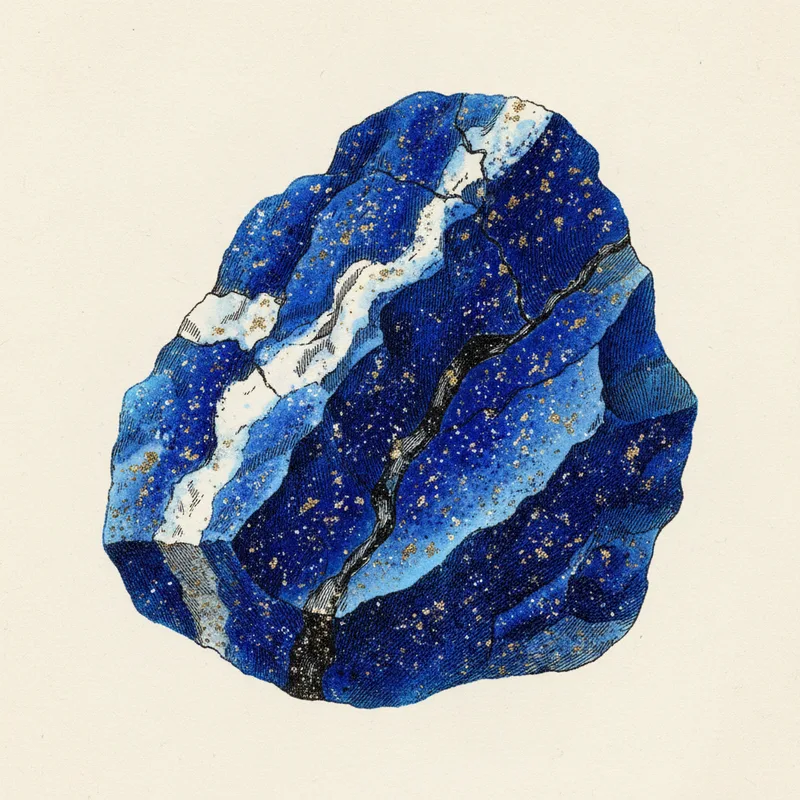
Lapis Lazuli
The Stone of the Heavens
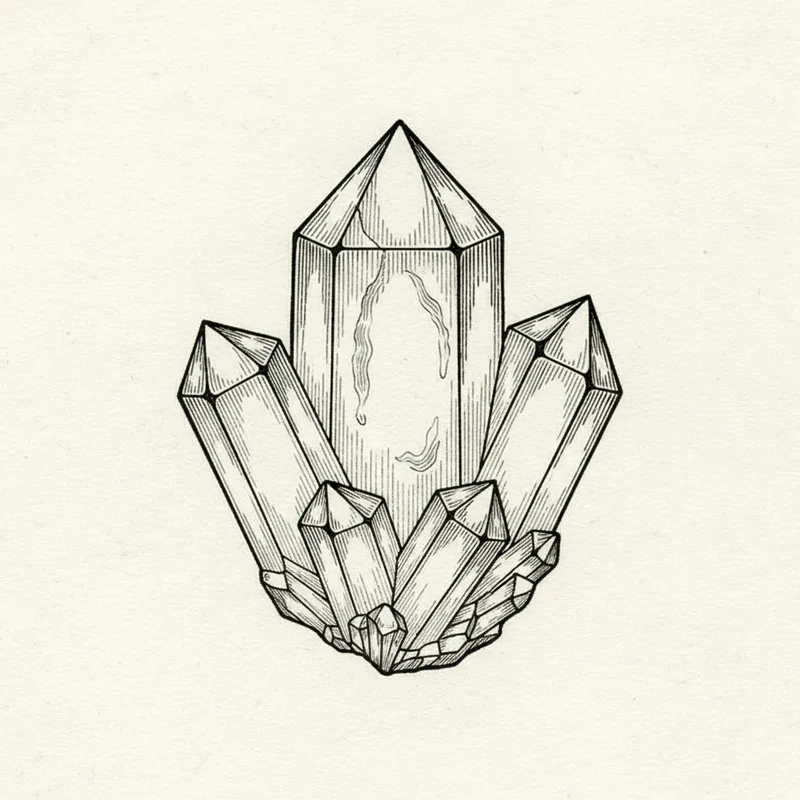
Clear Quartz
The Master Healer
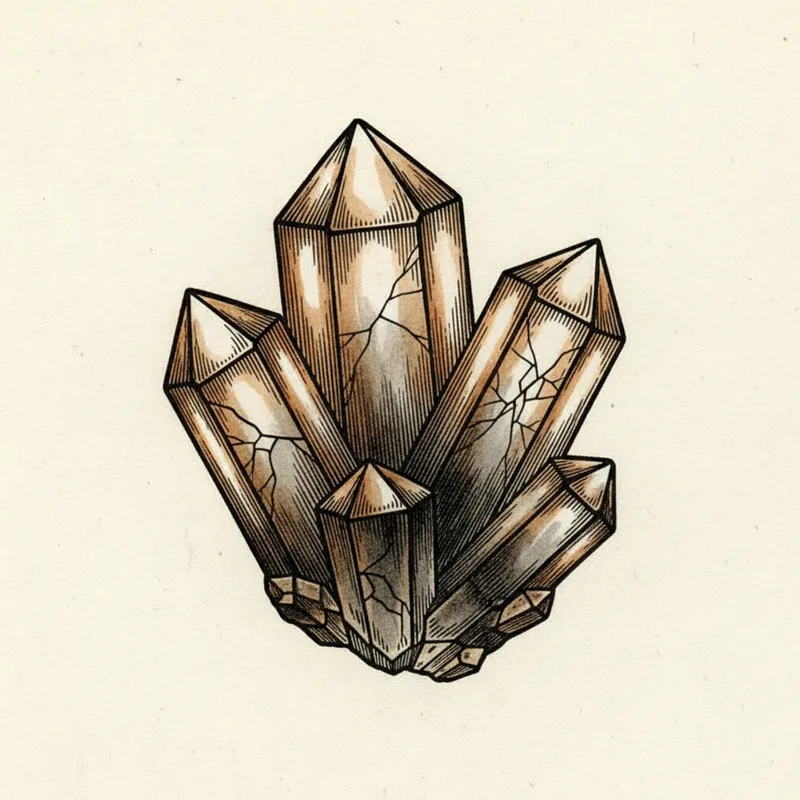
Smoky Quartz
The Grounding Stone
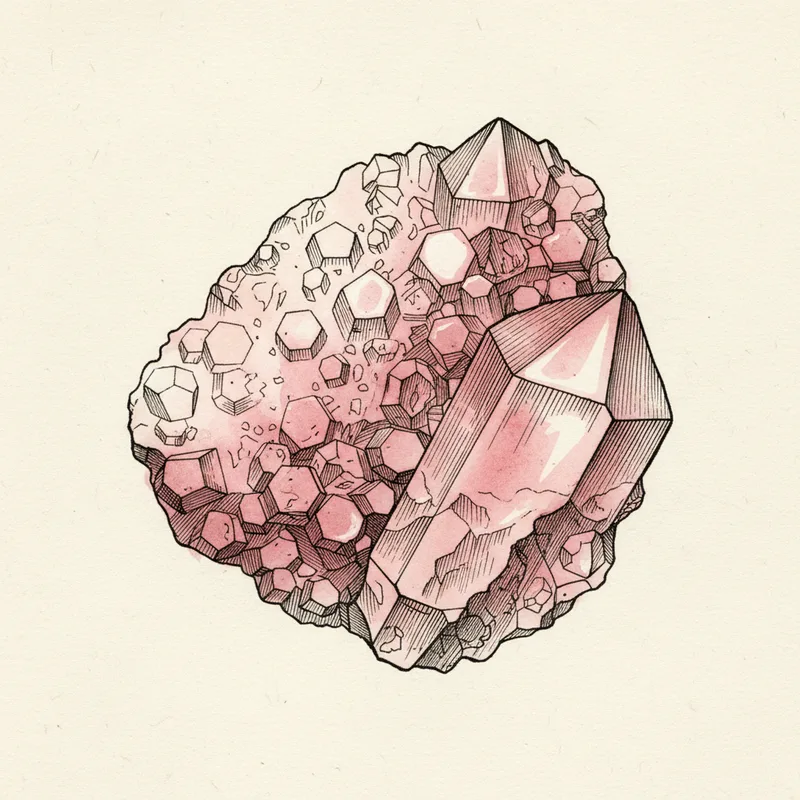
Rose Quartz
The Stone of Unconditional Love
Tourmaline
The Rainbow Stone
Lepidolite
The Peace Stone
Malachite
The Stone of Transformation
Turquoise
The Sky Stone
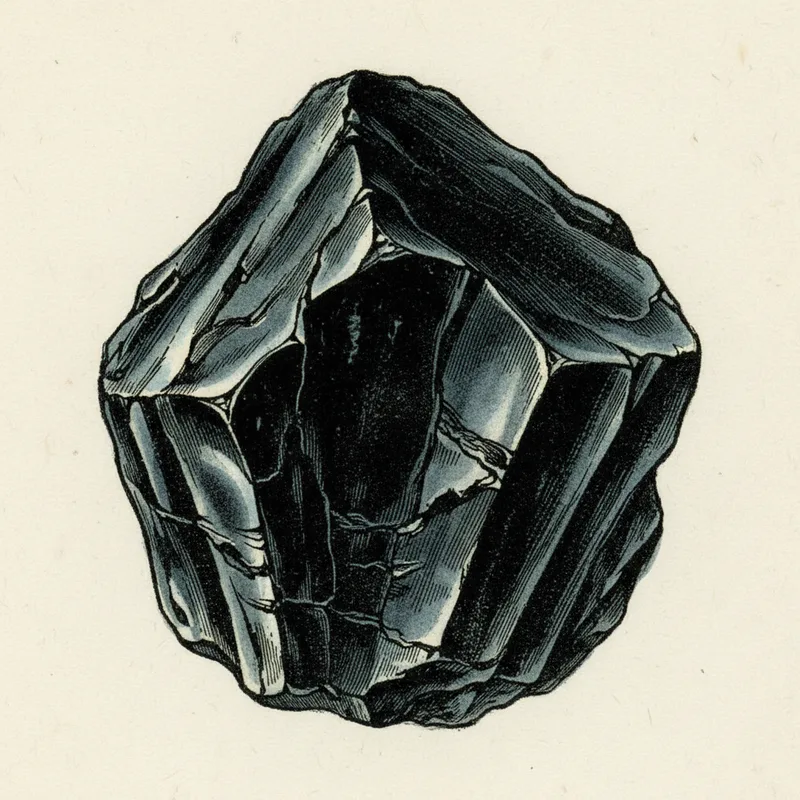
Obsidian
The Volcanic Glass
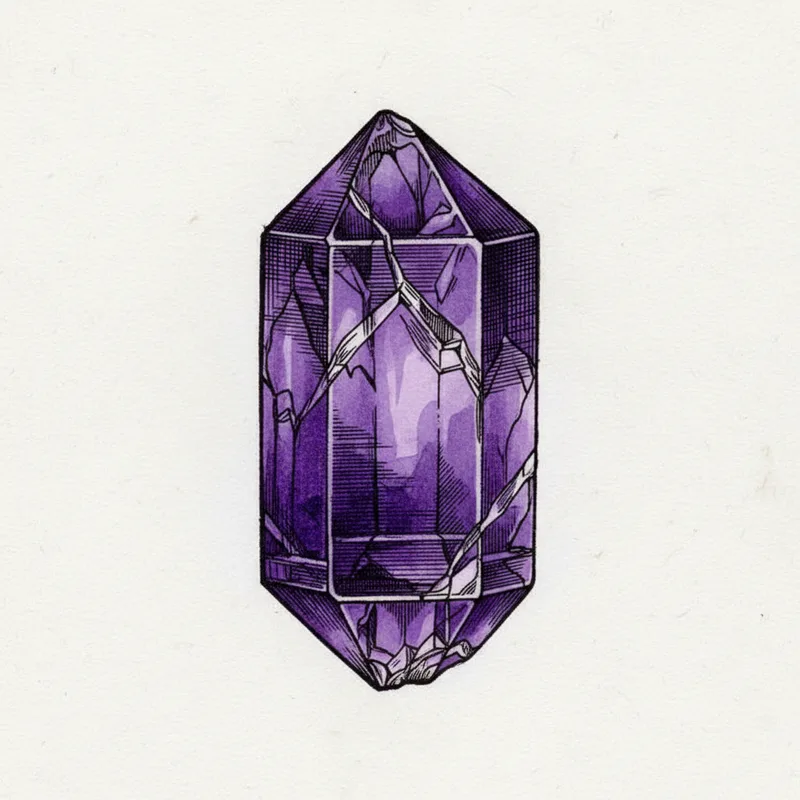
Amethyst
The Stone of Spiritual Wisdom
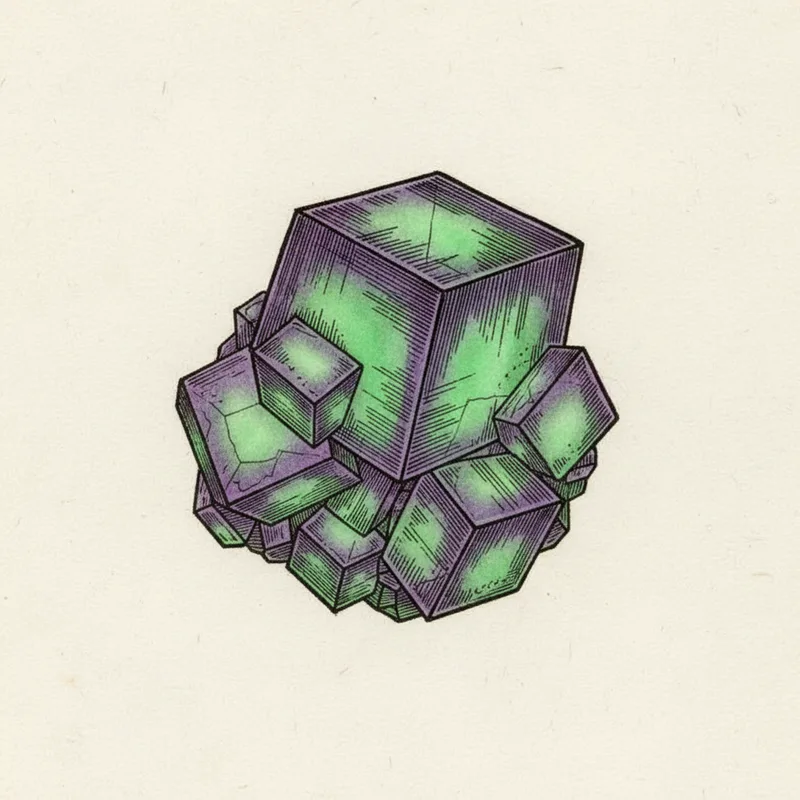
Fluorite
The Genius Stone
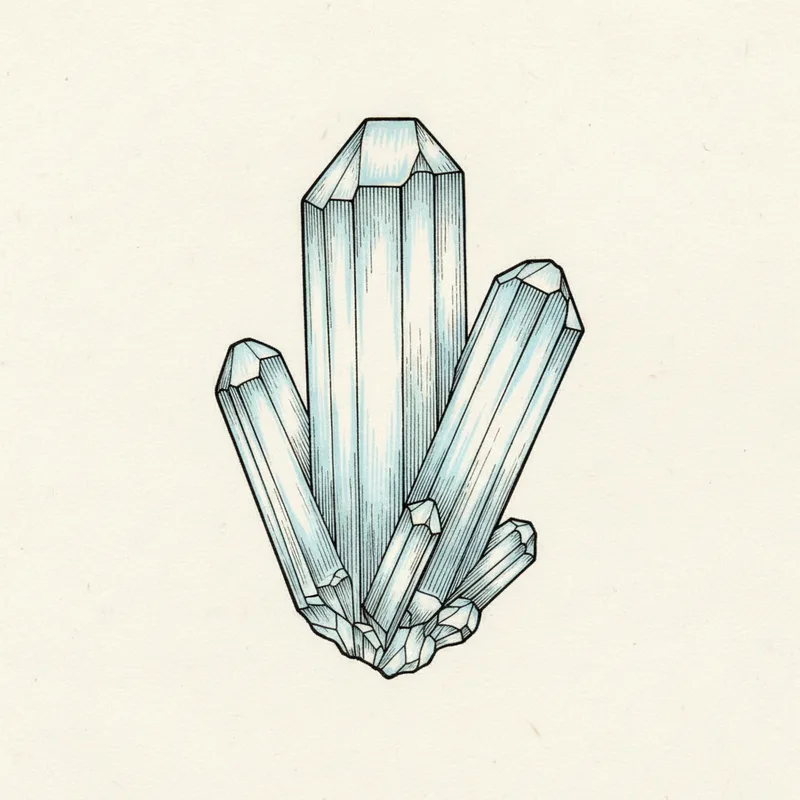
Selenite
The Liquid Light
Keep Reading
Stay in the loop
From the Almanac
Updates from Crystal Almanac, when there’s something worth sharing.