Healing Crystals: A Skeptic's Honest Guide
Key Takeaway: There is no scientific evidence that crystals heal physical ailments. There is real evidence that ritual, intention-setting, and placebo effects improve wellbeing. Crystals can be part of a meaningful personal practice without requiring you to abandon critical thinking.
The crystal healing market is a multi-billion dollar industry. Millions of people swear by the benefits. And zero controlled scientific studies have demonstrated that crystals have healing properties beyond placebo.
This puts anyone trying to write honestly about crystals in a difficult position. Dismissing the entire practice insults people who find genuine comfort and meaning in it. Endorsing it uncritically misleads people who might delay real medical treatment.
This guide takes a different approach. We'll look at what science actually says, what psychology tells us about why crystal healing "works" for so many people, and how to engage with crystals mindfully - whether you're a believer, a skeptic, or somewhere in between.
What Science Says
Let's get this out of the way clearly: there is no peer-reviewed scientific evidence that crystals emit energy fields, vibrate at healing frequencies, or interact with the human body in any way that produces therapeutic effects.
The most cited study is a 2001 paper by Christopher French at Goldsmiths, University of London. Participants who held real crystals and fake glass crystals during meditation reported the same sensations - warmth, tingling, improved mood - regardless of whether they held real or fake stones. The expectation of an effect produced the effect, not the crystal itself.
This doesn't mean the experience is "fake." The sensations people report are real. The mood improvements are real. The question is what's causing them.
What Psychology Says
Several well-documented psychological mechanisms explain why crystal healing feels effective.
The placebo effect is the most straightforward. When you believe something will help you, your brain often cooperates - releasing neurotransmitters, reducing stress hormones, and genuinely improving how you feel. The placebo effect is not imaginary. It's measurable, physiological, and sometimes powerful. Crystals can trigger it just as effectively as sugar pills.
Ritual and intention-setting. The act of selecting a crystal, holding it, and focusing on an intention (calm, clarity, healing) is a form of mindfulness practice. Mindfulness has robust scientific support for reducing anxiety, improving mood, and enhancing wellbeing. The crystal is a physical anchor for the practice - a tactile focal point that makes the internal work feel more concrete.
Tactile comfort. Holding a smooth, cool stone is inherently soothing. There's a reason worry stones exist across cultures going back thousands of years. The sensory experience - weight, temperature, texture - activates the parasympathetic nervous system. This is not unique to crystals (a smooth river rock does the same thing), but crystals are particularly appealing objects to hold.
Meaning-making. Humans are pattern-seekers who thrive on narrative. Assigning meaning to an object ("this is my confidence stone") creates a psychological tool that you can reach for in moments of need. The meaning is real because you've created it - the stone is the vessel, not the source.
The Historical Record
Using stones in healing and ritual is not a modern invention. Every major civilization has used stones in healing practices, though the specific system of chakra placements and stone-by-stone properties sold today is a newer synthesis, assembled during the New Age movement of the 1970s and 1980s (for the full timeline, see our history of crystal healing).
Ancient Egyptians ground lapis lazuli and malachite for cosmetics they believed had protective and healing properties. Greek physicians prescribed ground hematite for blood disorders (the name literally means "blood stone"). Chinese medicine has incorporated jade for at least 5,000 years. Ayurvedic tradition assigns specific gemstones to planetary influences and bodily systems. Indigenous cultures worldwide have used stones in ceremony, healing, and divination.
The longevity and universality of these traditions doesn't prove efficacy (bloodletting was also universal and ancient), but it does suggest that humans have a deep, cross-cultural instinct to find meaning and comfort in the mineral world.
The Responsible Middle Ground
You don't have to choose between "crystals heal everything" and "crystals do nothing." There's a responsible middle ground that respects both science and personal experience.
Crystals are not medicine. Never use crystals as a substitute for professional medical treatment. Anyone who tells you a crystal can cure cancer, treat depression without therapy, or replace prescribed medication is giving dangerous advice.
Crystals can be part of wellbeing practices. If holding rose quartz while meditating helps you relax, that's a genuine benefit - even if the mechanism is psychological rather than mystical. If setting a citrine on your desk reminds you to approach work with confidence, that's functional. The value is in the practice, not the magic.
Intention matters more than the specific stone. The research on placebo and ritual suggests that your intention and belief drive the benefits, not the specific mineral composition. If amethyst feels calming to you, it IS calming to you. That's not nothing.
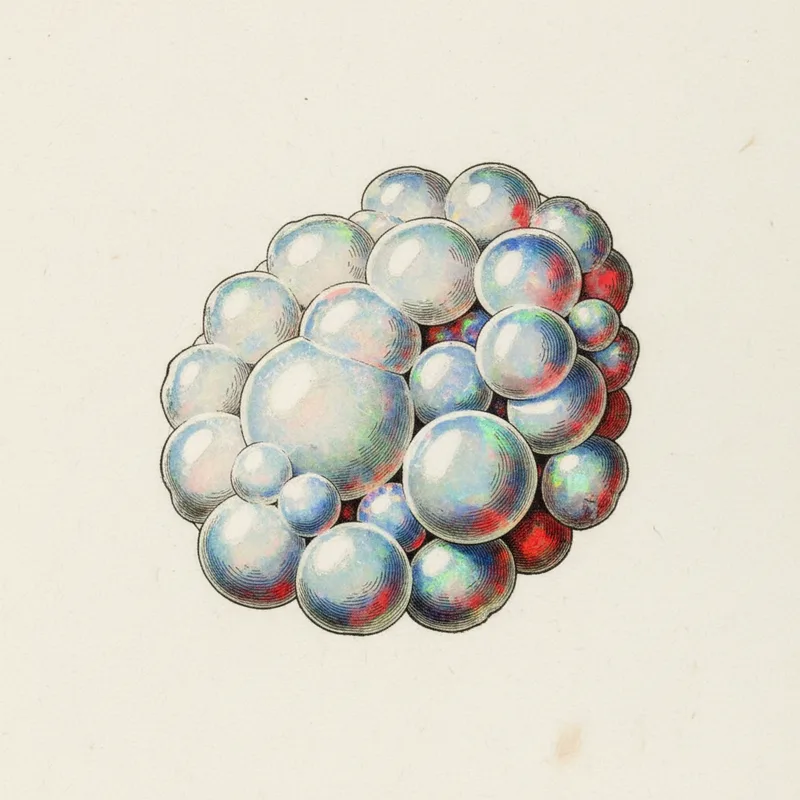
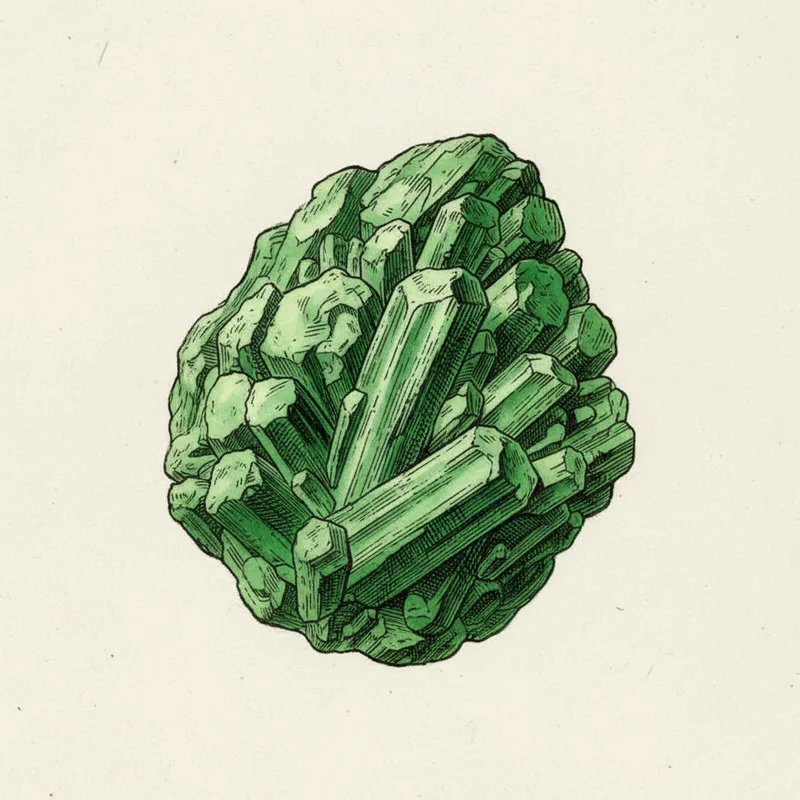
Enjoy the geology too. One of the most rewarding aspects of crystals is that the real science is at least as fascinating as the metaphysical claims. The fact that amethyst gets its purple from irradiated iron, that opal diffracts light through nanoscale silica spheres, and that jade is tougher than steel - these are genuine wonders that require no faith to appreciate.
Red Flags to Watch For
The crystal healing community is overwhelmingly well-intentioned, but some practices cross lines.
"This crystal cures [specific disease]." No crystal cures any disease. Claims about crystals treating cancer, diabetes, infections, or mental illness are irresponsible and potentially dangerous if they lead someone to delay real treatment.
Extremely expensive "healing" crystals. A $500 moldavite pendant will not transform your life any more than a $5 amethyst point. If someone is selling you a crystal at a dramatic markup based on healing claims, they're exploiting your hope.
"Only this specific crystal works." Any practice that insists you must buy specific (usually expensive) stones from a specific seller to achieve results is a sales pitch, not a healing modality.
Practitioners who discourage conventional medicine. Run. Any healer who tells you to stop taking prescribed medication or skip seeing a doctor in favor of crystal treatment is dangerous.
How to Engage Mindfully
If crystals interest you - whether for their beauty, their science, or their traditional significance - here's how to engage in a way that's honest and healthy.
Learn the geology. Understanding how a crystal formed makes it more meaningful, not less. Knowing that your amethyst took millions of years to grow in a volcanic cavity gives it a different kind of magic than "it vibrates at a healing frequency."
Use crystals as mindfulness tools. Choose a stone that resonates with you. Hold it during meditation. Place it where you'll see it as a visual reminder of an intention. Use it as a tactile anchor when you're stressed. These are evidence-backed wellbeing practices wrapped in a crystal-shaped package.
Collect what you love. The best reason to buy a crystal is because it's beautiful, fascinating, or makes you happy. Not because someone told you it would fix something.
Stay curious and honest. You can appreciate the cultural traditions around crystals without believing they're literally true. You can find personal meaning in a practice without claiming scientific validation for it. Intellectual honesty and personal meaning can coexist.
FAQ
Is crystal healing "real"? The experiences people report are real. The benefits (reduced anxiety, improved mood, sense of calm) are real. The mechanism is psychological (placebo, mindfulness, ritual) rather than physical (energy fields, vibrations). Whether that makes it "real" depends on your definition.
Can crystals replace therapy or medication? No. Absolutely not. Crystals can complement a wellness routine that includes professional medical and mental health care. They should never replace it.
Why do crystals feel warm or tingly when I hold them? Crystals conduct heat away from your skin (that's why they initially feel cool), then warm to body temperature. The tingling sensation is likely a combination of heightened attention to physical sensations (a mindfulness effect) and expectation. In controlled studies, people report the same sensations from fake crystals when they believe they're real.
Are some crystals more "powerful" than others? In crystal healing traditions, yes - different stones are assigned different properties. Scientifically, all crystals are inert objects that don't emit measurable energy fields. The "power" comes from your relationship with the stone, not from the stone itself.
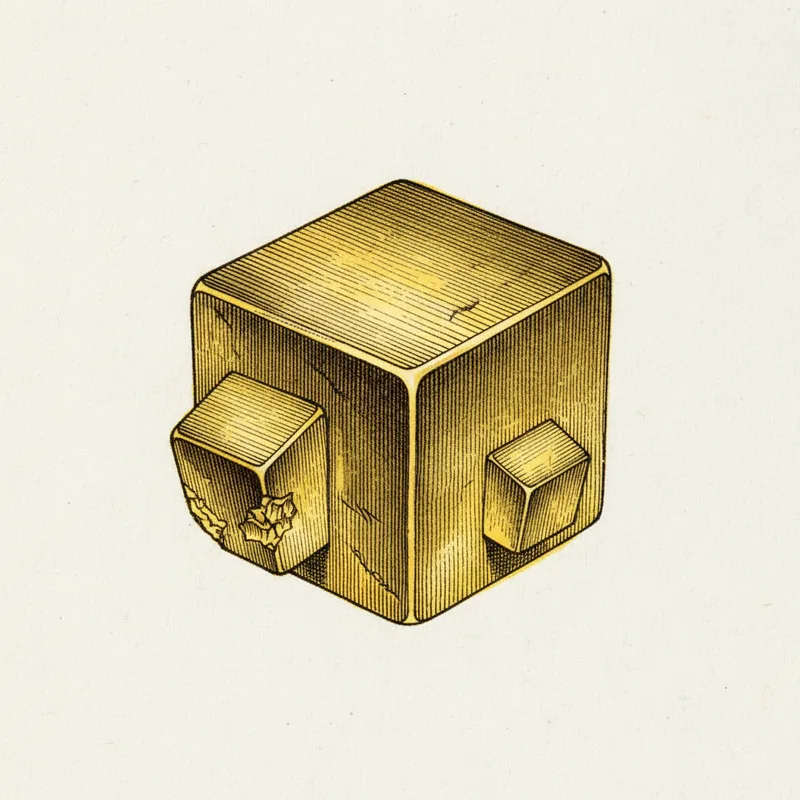
I don't believe in crystal healing but I love collecting crystals. Is that okay? More than okay - it's the fastest-growing segment of the crystal market. Mineral collecting for aesthetic and scientific appreciation has a rich tradition going back centuries. You don't need to believe in metaphysics to find a perfect pyrite cube or a flashing labradorite genuinely awe-inspiring.
Metaphysical and “healing” associations mentioned here are cultural traditions, not medical advice or scientific fact. Crystals are not a substitute for professional medical care. Full disclaimer.
Crystals in This Article
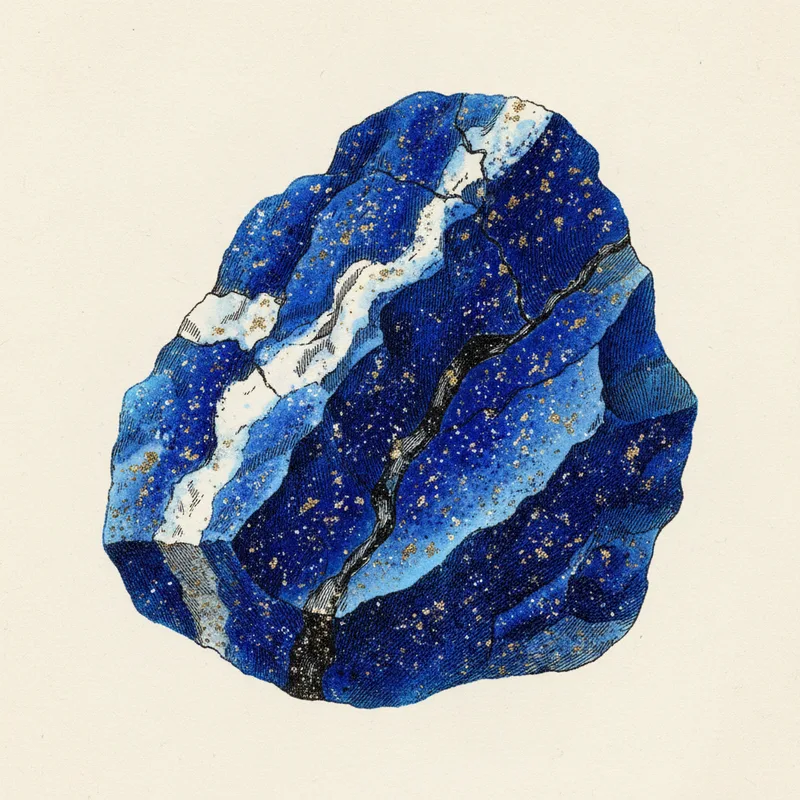
Lapis Lazuli
The Stone of the Heavens
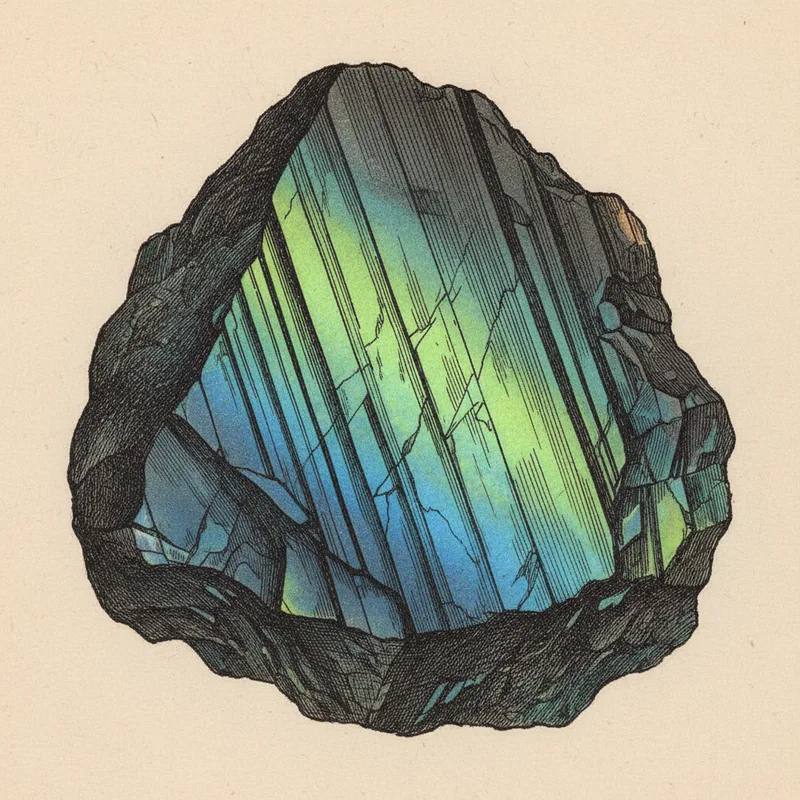
Labradorite
The Stone of Transformation
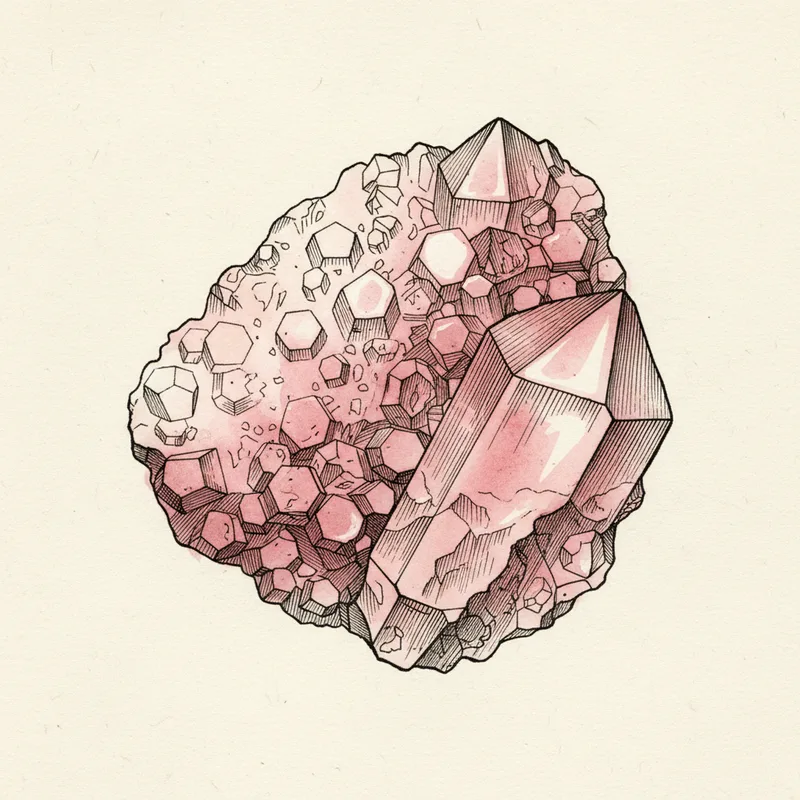
Rose Quartz
The Stone of Unconditional Love
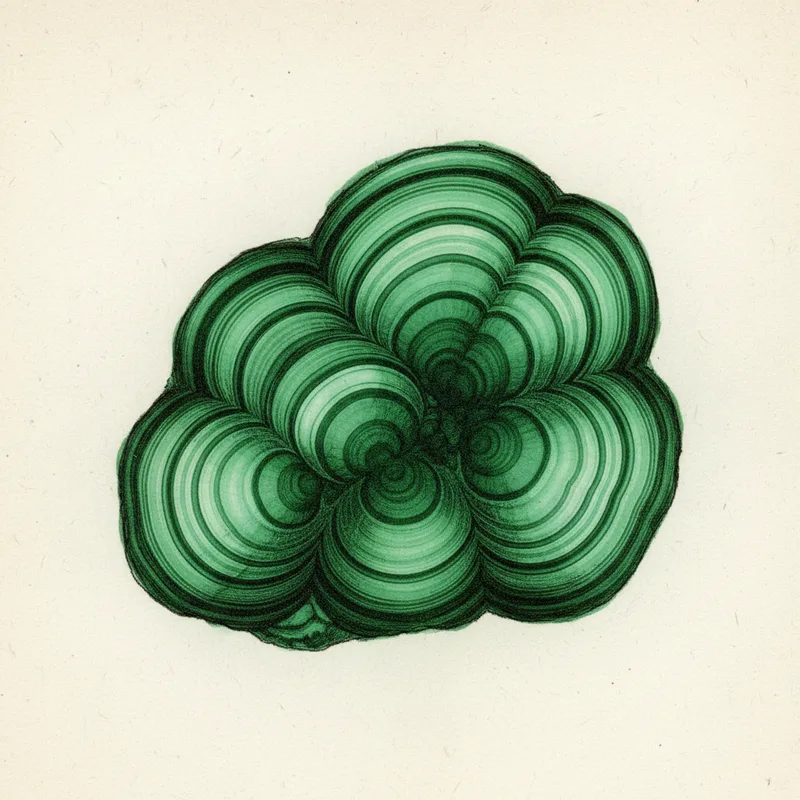
Malachite
The Stone of Transformation
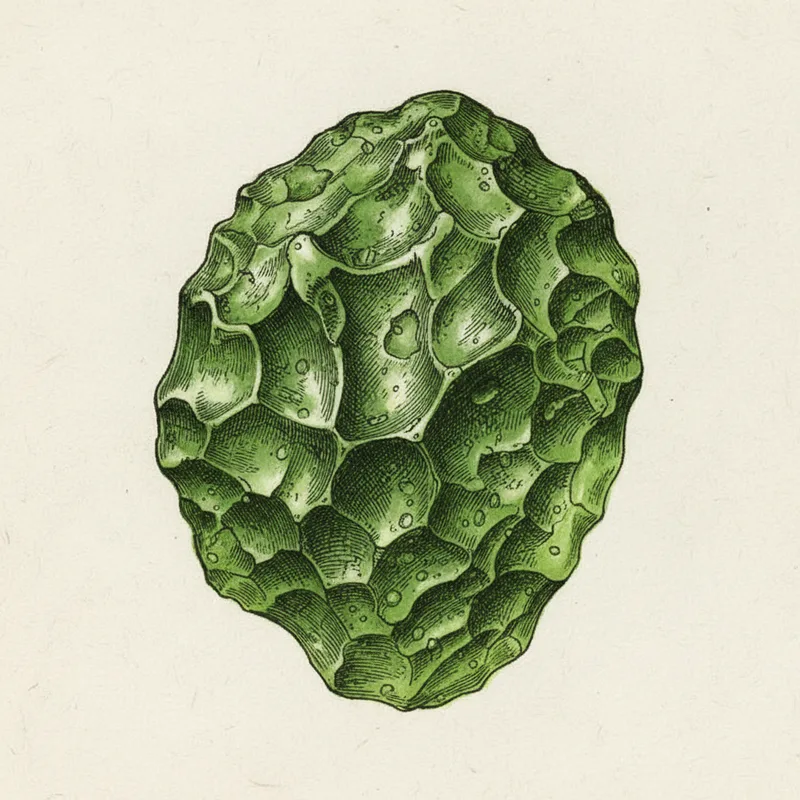
Moldavite
The Stone from the Stars
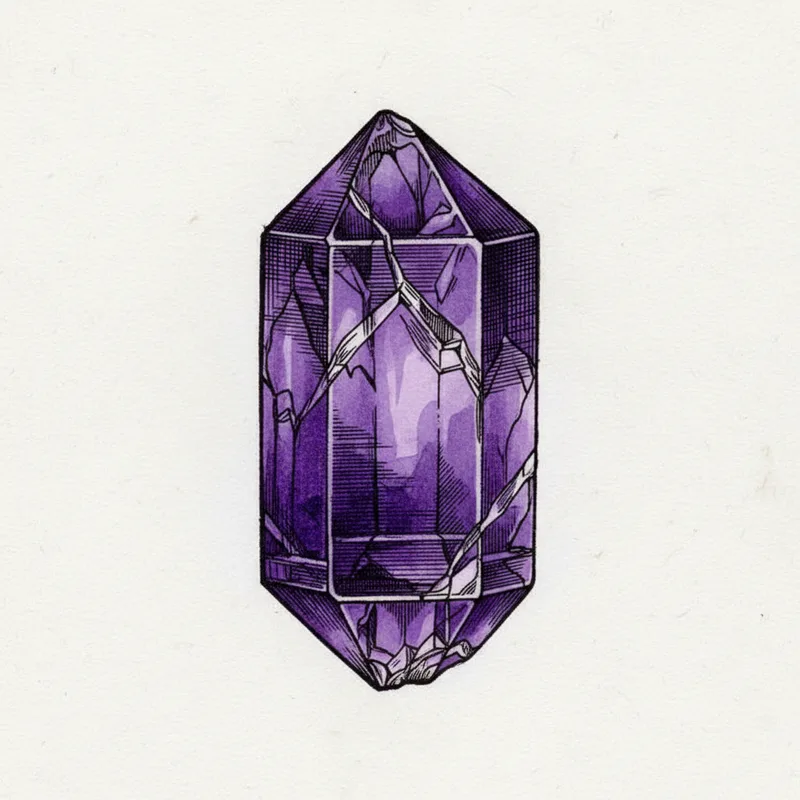
Amethyst
The Stone of Spiritual Wisdom
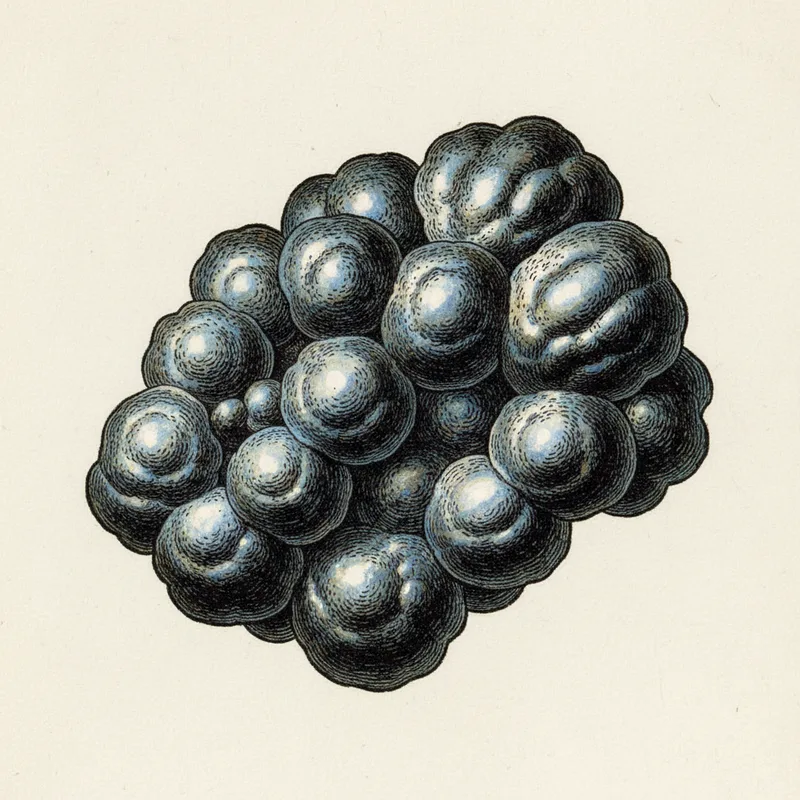
Hematite
The Blood Stone
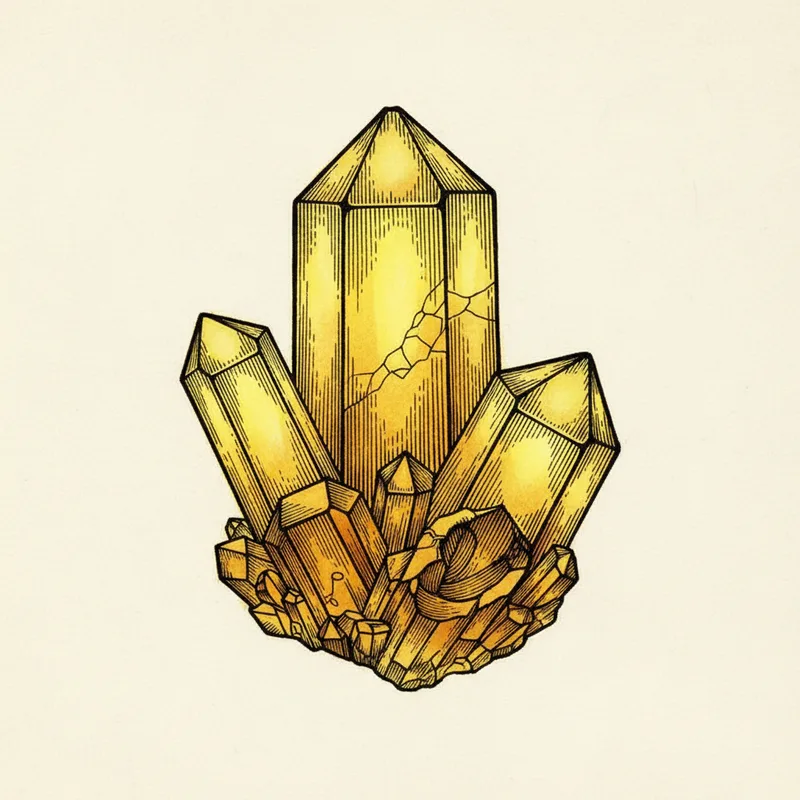
Citrine
The Merchant's Stone
Pyrite
The Fool's Gold
Opal
The Eye Stone
Jade
The Dream Stone
Keep Reading
Newsletter
Something shiny, now and then
A stone worth knowing, or a fake worth spotting, every so often. No spam.