Carnelian: Meaning, Properties, and How to Use It
Key Takeaway: Carnelian is a microcrystalline quartz (SiO₂) colored orange by iron oxide, with a Mohs hardness of 6.5 to 7. It's one of the most durable, low-maintenance, and affordable crystals you can own. Traditions across Egypt, Rome, and South Asia associate it with courage, creativity, and vitality. This guide covers what makes carnelian tick, how to work with it, what to pair it with, and how to keep it looking its best.
So you have a carnelian. Maybe you picked it up at a crystal shop because the color caught your eye. Maybe someone gave it to you. Maybe the 2026 trend wave swept you in and you're holding your first tumbled stone wondering what to do with it.
Good news: carnelian is one of the most forgiving crystals to own. It's hard, stable, water-safe, and sunlight-resistant. You'd have to try pretty hard to damage it. But there's more to this stone than durability, and understanding what it is, what traditions say about it, and how to actually use it will make the experience richer.
This guide is the practical companion to our 2026 carnelian trend post, which covers why carnelian is everywhere this year, its deep geological history, and the numerological logic behind the trend. This post is about what to do with the stone once you have it.
What Carnelian Actually Is
Let's start with the mineralogy, because knowing what you're holding changes how you relate to it.
Carnelian is a variety of chalcedony, which is a microcrystalline form of quartz. Its chemical formula is SiO₂, the same as amethyst, citrine, and clear quartz. The difference is structure and color. While amethyst grows as visible crystal points with faces you can see and count, carnelian's quartz crystals are too small to see without a microscope. They interlock in a tight, fibrous matrix that gives the stone its smooth texture and waxy polish.
This microcrystalline structure is why carnelian looks and feels so different from other quartz varieties despite being chemically identical. A clear quartz point has visible facets and a glassy transparency. Carnelian has a matte-to-waxy surface and a warm, diffuse glow. Same molecule, radically different architecture. It's like comparing a single crystal of table salt to a smooth block of Himalayan pink salt. Same compound, different scale of crystallization, completely different appearance.
The orange comes from iron oxide (Fe₂O₃) dispersed through that silica matrix. More iron, deeper orange. Less iron, paler honey tones. The most desirable specimens show a warm, translucent glow when held to light, with natural gradations of color rather than a flat, uniform tint.
Carnelian is found worldwide. India's Deccan Traps, Brazil, Uruguay, Madagascar, Indonesia, and Mozambique are major commercial sources. Indian carnelian from the Deccan region has been continuously mined and traded for over 4,000 years, making it one of the longest-running gemstone trade routes in human history.
For the full geological deep dive, including formation environments, volcanic vs. sedimentary origins, and the Deccan Traps connection, check our carnelian trend post. This guide focuses on the practical side: meaning, usage, and care.
What Carnelian Means Across Traditions
Carnelian carries one of the most consistent symbolic identities of any crystal. Cultures separated by millennia and continents arrived at remarkably similar conclusions about this stone: it represents courage, creative fire, and vital energy.
Before we dive in, a note on perspective. Crystal Almanac presents metaphysical properties as cultural traditions, not scientific claims. There is no peer-reviewed evidence that holding a piece of silicon dioxide will make you more creative or courageous. What there is, abundantly, is a record of human civilizations across thousands of years reaching for this particular stone when they wanted to embody those qualities. We report the traditions accurately and let you draw your own conclusions about what that means.
The Sacral Chakra Connection
In Hindu and yogic tradition, carnelian corresponds to the sacral chakra (Svadhisthana), the second energy center located below the navel. This chakra governs creativity, emotional expression, passion, and the drive to bring ideas into reality. The association is partly chromatic. The sacral chakra's traditional color is orange, and carnelian is one of the most vividly orange stones in nature. But the connection runs deeper in these traditions. Carnelian's warmth, its inner fire, its resemblance to embers and sunset, all align with the sacral chakra's role as the seat of creative and sexual energy.
In practice, people who work with carnelian in this tradition place it on the lower abdomen during meditation or energy work. The sacral chakra is considered the bridge between the grounding energy of the root chakra below it and the personal power of the solar plexus above. Carnelian's placement at this midpoint reflects its traditional role as a stone that connects physical vitality to creative expression.
Fire Element
Across Western esoteric traditions, carnelian is associated with the fire element. This maps to action, transformation, willpower, and courage. Where water-element stones like moonstone and aquamarine are linked to intuition and emotional flow, fire-element stones like carnelian represent the drive to act, to create, to move forward. In practical terms, people who work with carnelian in these traditions reach for it when they need motivation rather than contemplation.
The fire association also connects to carnelian's zodiac correspondences. Aries, Leo, and Virgo are the signs most commonly linked to carnelian in astrological crystal traditions. Aries and Leo are fire signs, reinforcing the elemental connection. Virgo's inclusion speaks to carnelian's association with practical creativity, the ability to take an idea and actually execute on it, which is Virgo's domain.
Cross-Cultural Courage
Egyptian funerary texts prescribed carnelian amulets for protection in the afterlife. The stone was associated with the blood of Isis and the warmth of the setting sun. Carnelian scarabs were placed on the chest of the deceased as part of elaborate burial rituals documented in the Book of the Dead.
Roman soldiers carried carnelian into battle as a stone of courage, a tradition that predates Rome and traces through Greek and Mesopotamian cultures. Roman aristocrats also favored carnelian for signet rings, because the polished stone has a practical property: hot sealing wax doesn't adhere to it. A carnelian seal could press a clean impression and release without damage, making it the material of choice for authenticating documents.
Islamic tradition holds the stone in particular respect. Tibetan Buddhism includes it among sacred materials used in religious jewelry and practice. Medieval European lapidaries, the stone encyclopedias of their era, consistently listed it as a stone of courage and eloquent speech.
The through-line is striking: vitality, bravery, creative power, and protection. Whether that consistency reveals something about the stone itself or about the universal human response to warm, glowing, blood-colored objects is a question worth sitting with.
It's also worth noting what carnelian is not traditionally associated with. You won't find it on lists of calming stones, sleep aids, or grief support crystals. Its energy, as described across traditions, is consistently activating. People who find themselves anxious or overstimulated sometimes report that carnelian makes those feelings louder rather than quieter. This is why grounding stones like red jasper pair well with it, a combination we'll cover below.
Physical Properties at a Glance
Here's what matters for everyday handling and identification.
- Chemical formula: SiO₂ (silicon dioxide)
- Crystal system: Trigonal (though individual crystals are microscopic)
- Hardness: 6.5 to 7 on the Mohs scale
- Luster: Waxy to vitreous
- Streak: White
- Transparency: Translucent to opaque
- Specific gravity: 2.58 to 2.64
- Fracture: Conchoidal (smooth, shell-shaped curves)
That 6.5 to 7 hardness is the number to remember. It means carnelian is harder than steel, harder than a knife blade, harder than window glass. You can carry it in your pocket without worrying about scratches from keys or coins. It can scratch glass, not the other way around. This durability is one reason carnelian has been favored for signet rings and carved amulets for thousands of years. It simply holds up.
What Makes It Orange
The color agent is iron oxide, specifically hematite (Fe₂O₃) inclusions dispersed through the chalcedony matrix. The iron enters the silica during formation, carried by hydrothermal fluids circulating through volcanic or sedimentary host rock. Over tens of thousands of years, the iron oxidizes, and the orange intensifies.
This is why some carnelian is pale peach while other specimens are deep blood-orange. The concentration of iron, the degree of oxidation, and the temperature of formation all influence the final color. Natural specimens often show color gradation within a single stone, fading from translucent amber at the edges to a saturated rust at the center. That variation is a hallmark of untreated material.
One detail that surprises people: carnelian and red jasper are chemically almost identical. Both are SiO₂ with iron oxide. The difference is transparency. Carnelian's silica matrix is pure enough to transmit light, while red jasper contains additional opaque inclusions (clay, iron minerals, other fine-grained particles) that block it. The two stones frequently occur in the same geological deposits, and some specimens grade from translucent carnelian at one end to opaque jasper at the other. Nature doesn't draw clean lines.
How to Use Carnelian
There's no wrong way to work with a crystal. But if you're looking for ideas, here are the most common approaches people take with carnelian, along with the traditional reasoning behind each. These range from the simple (put it in your pocket) to the more intentional (structured meditation). Start wherever feels natural and experiment from there.
Carry It
The simplest method. A tumbled carnelian in your pocket or bag keeps it in your energy field throughout the day, according to crystal healing traditions. Practically speaking, many people find that having a specific object associated with an intention (courage, creativity, motivation) serves as a tactile reminder. Every time you touch the stone, you're reminded of what you're working toward. Whether the effect is energetic or psychological or both is a question you can answer for yourself.
Tumbled stones work best for this. They're smooth, palm-sized, and pocket-friendly. Rough specimens have edges that can snag fabric.
A few practical notes on pocket carry. Carnelian at 6.5 to 7 Mohs will scratch your phone screen if they're in the same pocket. Keep them separate. Carnelian will also scratch softer crystals if you carry multiples, so a small cloth bag is worth having if your pockets hold more than one stone. On the flip side, keys and coins won't scratch your carnelian. It's harder than both.
Place It in Your Workspace
Carnelian's traditional association with creativity and motivation makes it a popular desk stone. In feng shui traditions, orange and red stones placed in the south area of a room are said to activate recognition and reputation energy. Even outside those traditions, keeping a warm-toned stone on your desk adds a natural element to a space that's often dominated by screens and plastic.
A small tower, sphere, or flat palm stone works well. Place it where you'll see it regularly rather than tucking it behind a monitor. Some people keep a small dish of tumbled carnelian near their work area and pick one up whenever they need a moment of tactile grounding during a long day.
If you work in a creative field (writing, design, music, any endeavor where you need to generate ideas), carnelian on the desk is a particularly popular choice. The traditional logic is direct: carnelian activates creative flow. The practical logic is equally sound: having a beautiful natural object within arm's reach breaks the monotony of screen-based work and gives your hands something to do during moments of thought.
Meditate With It
Hold carnelian in your dominant hand (the hand you write with) or place it on your lower abdomen, over the sacral chakra area. In crystal meditation traditions, this positioning is said to activate creative energy and emotional clarity. Focus on the stone's warmth and weight. Visualize its orange color expanding with each breath.
Even from a secular perspective, holding a smooth, warm-toned stone provides a physical anchor for meditation. The tactile sensation gives the mind something concrete to return to when attention drifts.
A simple carnelian meditation practice: sit comfortably with the stone in your palm. Close your eyes. Spend two minutes just feeling the weight and temperature of the stone. Notice how it warms in your hand. Then, if you work within a tradition, set an intention related to creativity, courage, or vitality. If you don't, simply use the stone as a focus point and let your breathing settle naturally. Five to fifteen minutes is plenty. The goal isn't to achieve some transcendent state. It's to slow down long enough to hear what you already know.
Set an Intention
Some traditions recommend "programming" a crystal by holding it, closing your eyes, and clearly stating or visualizing your intention. With carnelian, common intentions include creative breakthroughs, the courage to start something new, confidence in public speaking, or renewed physical energy.
This practice is essentially goal-setting with a physical anchor. The stone becomes a reminder of a specific commitment you've made to yourself. Carry it or place it somewhere visible to reinforce that commitment daily.
If intention-setting feels too abstract, try a concrete version: write your intention on a small piece of paper, fold it, and place the carnelian on top of it on your desk or nightstand. The combination of the written word and the stone creates a tangible checkpoint you encounter every day. When the intention is fulfilled or no longer relevant, replace the paper. The stone stays.
Wear It as Jewelry
Carnelian has been worn as jewelry for at least 4,500 years, and for good reason. Its hardness (6.5 to 7) makes it durable enough for rings, pendants, bracelets, and earrings. Unlike softer stones that scratch or chip with daily wear, carnelian can handle the bumps and friction of everyday life.
In crystal traditions, wearing carnelian as a pendant keeps it near the heart and throat, combining its sacral chakra energy with the communicative energy of the throat chakra. This is said to support confident self-expression. As a bracelet on the dominant hand, it's associated with projecting creative energy outward. On the non-dominant hand, it's linked to receiving inspiration.
From a purely practical standpoint, carnelian jewelry looks good. The warm orange complements nearly every skin tone and adds a natural accent to both casual and formal outfits. Roman senators knew this. The tradition hasn't changed.
Crystal Pairings: What Works and Why
Crystals are often used in combination, and the reasoning behind popular pairings is worth understanding. Sometimes the logic is traditional (complementary energies, chakra alignment). Sometimes it's geological (related mineralogy, shared formation environments). The best pairings usually have both.
Here are four pairings with carnelian that are popular in crystal healing traditions, along with the reasoning behind each.
Carnelian + Clear Quartz
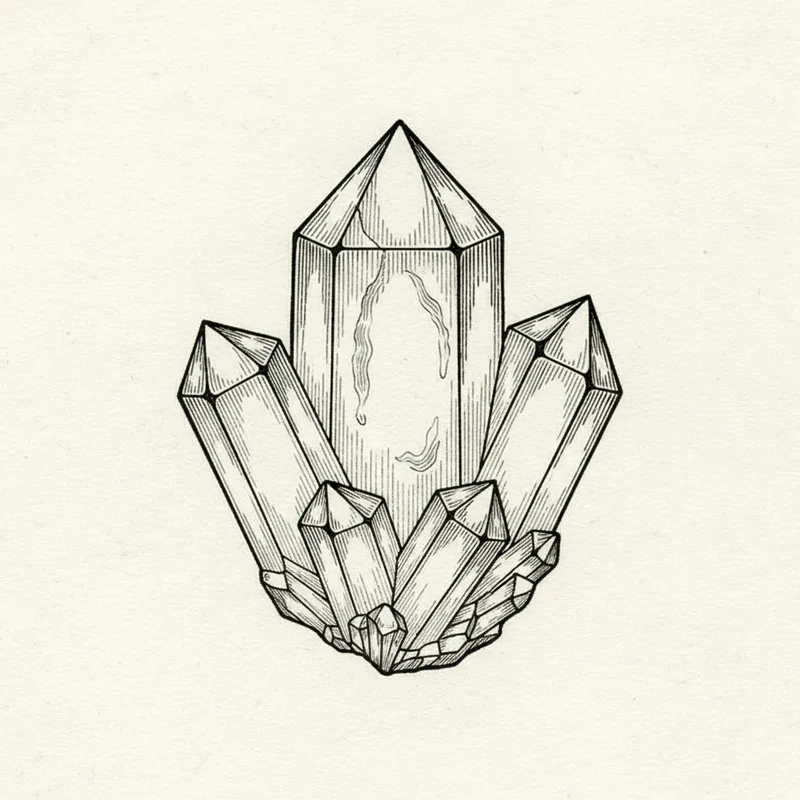
Clear quartz is called the "master amplifier" in crystal traditions, said to boost the energy of any stone it's paired with. From a geological perspective, clear quartz and carnelian are the same mineral (SiO₂) in different forms. One grew as visible macrocrystalline points. The other formed as microscopic fibers. Placing them together is a study in how the same chemistry can produce radically different results depending on formation conditions.
Traditional use: pair a clear quartz point with a carnelian tumble during meditation. The quartz is said to amplify carnelian's creative and motivating energy. Place the clear quartz pointing toward the carnelian to "direct" energy into it, or pointing away to "broadcast" the energy outward. These are traditional guidelines, not physics, but the directional framework gives your practice a structure to work within.
Carnelian + Citrine
Citrine is the golden-yellow member of the quartz family, traditionally associated with abundance, manifestation, and personal power. Paired with carnelian, the combination is said to marry creative drive (carnelian) with the ability to attract resources and opportunities (citrine). Both are iron-bearing quartz varieties, so geologically, they're close cousins. The difference is the oxidation state of the iron: more oxidized iron produces carnelian's orange, while citrine's yellow comes from a different iron valence state.
Traditional use: keep carnelian and citrine together on your desk or in a small pouch for projects where you need both creative energy and practical momentum. This is one of the most popular pairings in the crystal community, particularly among freelancers and entrepreneurs who need both the creative spark to generate ideas and the practical drive to monetize them.
A word of caution on citrine specifically: much of what's sold as citrine is actually heat-treated amethyst. Natural citrine is pale, smoky yellow, not the deep burnt-orange color often seen in shops. This doesn't affect its use in crystal traditions, but if geological authenticity matters to you, learn to spot the difference.
Carnelian + Red Jasper
Red jasper is another microcrystalline quartz, opaque and brick-red rather than translucent and orange. Where carnelian activates and energizes in traditional use, red jasper grounds and stabilizes. The pairing is popular for people who find carnelian's energy too stimulating on its own. Red jasper provides an anchor.
Geologically, they're nearly identical. Both are chalcedony varieties colored by iron oxide. Red jasper simply contains more opaque mineral inclusions (often clay or other fine-grained minerals) that block light transmission, giving it a matte, earthy quality compared to carnelian's translucent glow.
Traditional use: carry both for sustained energy without agitation. Carnelian for the spark, red jasper for the stamina.
Carnelian + Pyrite
Pyrite is iron sulfide (FeS₂), a completely different mineral from quartz. Its metallic gold luster and cubic crystal habit couldn't look less like carnelian's warm translucency. But in crystal traditions, pyrite is the stone of abundance and practical wealth, making it a natural complement to carnelian's creative fire.
The pairing follows a traditional logic: carnelian provides the creative courage to start something, while pyrite attracts the material resources to sustain it. Together, they're a popular combination for entrepreneurs and anyone launching a new project.
Traditional use: place carnelian and pyrite together near where you do your most important work.
One note on pyrite care: unlike carnelian, pyrite is not water-safe. Iron sulfide reacts with moisture and oxygen over time, producing iron oxide (rust) and sulfuric acid that can degrade the specimen. If you pair these stones, store them separately and never soak them together. Our crystal care guide has detailed instructions for water-sensitive minerals.
How to Cleanse Carnelian
If you follow crystal cleansing traditions, carnelian is one of the easiest stones to maintain. Its hardness and chemical stability make it compatible with almost every cleansing method. This is genuinely unusual. Many crystals have at least one major vulnerability (water, sunlight, salt, heat) that limits your cleansing options. Carnelian has none.
For a comprehensive overview of all methods and their safety profiles across every crystal type, see our full crystal cleansing guide.
Water: Safe
Carnelian is a 6.5 to 7 on the Mohs scale, non-porous, and chemically inert in water. You can rinse it under running water, soak it in a bowl, or hold it under a stream. Salt water is fine too, though prolonged soaking in any solution is unnecessary. A quick rinse and dry is enough.
This puts carnelian in the minority of crystals that can handle water without issue. Many popular stones (selenite, malachite, pyrite, lepidolite) will degrade or dissolve. Carnelian won't. If you want to know which of your other crystals can and can't handle water, our water-safe crystals reference has the full list.
Sunlight: Safe
Here's where carnelian stands apart from many other crystals. Amethyst fades in direct sunlight. So does rose quartz, fluorite, and smoky quartz. The UV radiation breaks down the color centers in those stones over time.
Carnelian's color comes from iron oxide, a stable mineral pigment that doesn't degrade under UV exposure. You can leave carnelian in sunlight without worrying about fading. Some traditions specifically recommend sunlight cleansing for fire-element stones, and carnelian's solar stability makes it a natural fit.
Moonlight: Safe
Setting crystals in moonlight overnight (particularly during a full moon) is one of the most popular cleansing methods across traditions. It's also universally safe for every mineral, since moonlight is simply reflected sunlight at dramatically reduced intensity. No stone has ever been damaged by moonlight.
Smoke: Safe
Passing carnelian through the smoke of sage, palo santo, or incense is a common cleansing practice drawn from indigenous and ceremonial traditions. There is no physical risk to the stone. The smoke won't stain, discolor, or damage carnelian in any way.
Sound: Safe
Singing bowls, tuning forks, bells, or even a clear sustained vocal tone are used in some traditions to cleanse crystals through vibration. Carnelian's tough, interlocking crystal structure makes it entirely unbothered by sound vibrations at any frequency you'd produce in a home setting.
Earth Burial: Safe (With a Caveat)
Some traditions recommend burying crystals in soil overnight or for several days to "ground" their energy. Carnelian is chemically stable enough to handle this without damage. The caveat is practical, not mineralogical: you need to remember where you buried it. Mark the spot. A small cloth or mesh bag helps keep dirt out of any surface texture while still allowing contact with the earth.
How to Care for Carnelian
Beyond cleansing, here's how to keep your carnelian looking its best for years. For general crystal care principles, visit our care guide.
Storage. Carnelian is hard enough that it can scratch softer stones (anything below 6.5 on the Mohs scale). Store it separately from calcite, fluorite, apatite, moonstone, and other softer minerals. A small cloth pouch or individual compartment in a display case works well.
Cleaning. Warm water with a drop of mild soap and a soft cloth is all you need. Avoid ultrasonic cleaners, which are unnecessary for polished chalcedony and can damage stones with internal fractures.
Handling. Carnelian is one of the most handle-friendly crystals. Its hardness means pocket carry, daily handling, and regular touching won't degrade its polish. The natural oils from your skin may actually enhance its luster over time.
Temperature. Avoid extreme temperature swings (like placing a cold stone directly on a hot surface). While carnelian is thermally stable, rapid temperature changes can create internal stress in any mineral. This is a general crystal care principle, not a carnelian-specific concern.
Display. Carnelian is an ideal display stone precisely because it doesn't fade in sunlight. Place it in a window, on a shelf that catches afternoon light, or anywhere you want to see that warm orange glow. Many collectors specifically choose carnelian for sun-facing displays because so many other crystals (amethyst, fluorite, rose quartz, smoky quartz) can't handle the UV exposure.
Long-term durability. Carnelian specimens from ancient Egyptian tombs, some over 4,000 years old, still retain their color and polish. This is a stone that outlasts nearly everything else in your collection. With minimal care, the carnelian you buy today will look the same in a century.
Choosing Your Carnelian: What to Look For
Not all carnelian is equal, and knowing what to look for will help you pick a specimen that genuinely speaks to you.
Color. Carnelian ranges from pale yellow-orange to deep reddish-brown. Neither end of the spectrum is "better" in absolute terms, but the most valued specimens hit that sweet spot of warm, saturated orange with good translucency. Trust your gut. If a particular shade draws your eye, that's the right one for you.
Translucency. Hold the stone up to your phone flashlight. The best carnelian glows from within, transmitting warm light through the body of the stone. Completely opaque material is more likely red jasper or dyed agate (both fine stones, just not carnelian).
Natural color variation. Genuine, untreated carnelian almost always shows gradations of color within a single stone. Edges are often lighter and more translucent, while the center or base is deeper and more saturated. Perfectly uniform orange across the entire stone, especially a bright "hot" orange, can indicate heat treatment or dyeing. Heat treatment is common and considered an accepted practice in the gem trade (it's been done for 4,000+ years), but you should know what you're buying.
Shape. Tumbled stones are the most common and affordable format. Palm stones offer a flat, ergonomic surface for meditation. Towers and points are popular for display and workspace placement. Raw, unpolished nodules show carnelian in its natural state, often with a rough gray exterior that reveals the orange interior when broken or polished on one face. Each format has its purpose, and none is inherently superior.
Price. Carnelian remains one of the most affordable crystals. Tumbled stones run $3 to $10. Polished towers and shapes range from $15 to $45. Large display pieces top out around $50 to $150. Anything dramatically above these ranges for carnelian warrants scrutiny.
Frequently Asked Questions
Can carnelian go in water?
Yes. Carnelian is one of the most water-safe crystals you can own. At 6.5 to 7 on the Mohs scale, it's harder than steel and chemically stable in both fresh and salt water. You can rinse it, soak it, and even take it in the bath without concern. Just dry it afterward, the same as you would any stone.
This is worth emphasizing because many popular crystals cannot go in water. Selenite dissolves. Malachite releases copper compounds when wet. Pyrite rusts. Carnelian has none of these vulnerabilities. It's one of the safest crystals for any water-based practice or cleaning method.
How do I know if my carnelian is real?
Three quick tests you can run at home.
Light test. Hold it up to a strong light source, like your phone flashlight. Genuine carnelian is translucent, meaning light passes through it with a warm orange glow. You should see subtle color variations and natural banding. If the stone is perfectly uniform in color with no translucency, it may be dyed agate or glass.
Bubble test. Look inside the stone under magnification (10x loupe or even a phone macro lens). Glass imitations almost always contain tiny spherical air bubbles. Carnelian never does.
Dye test. Examine any cracks or fractures under magnification. In dyed agate, color concentrates in fracture lines, creating dark streaks that follow the crack pattern rather than the stone's natural banding. Genuine carnelian transitions smoothly between color zones.
For a thorough walkthrough of all authentication methods, our crystal authenticity guide covers magnification, scratch testing, temperature checks, and UV light methods that work across dozens of stone types.
Does carnelian fade in sunlight?
No. Unlike amethyst, rose quartz, and fluorite, whose colors can fade under prolonged UV exposure, carnelian's orange comes from iron oxide, a chemically stable pigment. You can display carnelian in a sunny window indefinitely without color loss. This is one of its genuine advantages as a display stone.
The science behind this: amethyst's purple comes from radiation-induced color centers (iron atoms in specific oxidation states within the crystal lattice). UV light provides enough energy to reverse these color centers, bleaching the stone over months or years. Carnelian's orange comes from discrete iron oxide particles dispersed through the silica. These particles are thermodynamically stable and don't respond to UV at ambient temperatures. You'd need kiln-level heat (hundreds of degrees) to alter carnelian's color, not sunlight.
What's the difference between carnelian and orange calcite?
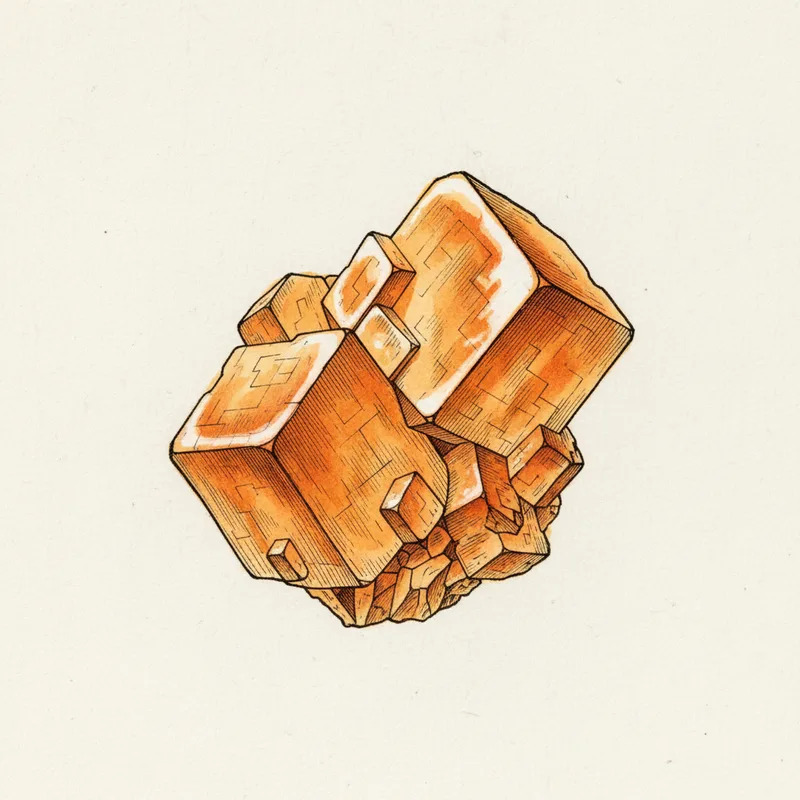
Orange calcite is a completely different mineral. Calcite is calcium carbonate (CaCO₃), while carnelian is silicon dioxide (SiO₂). The practical differences are significant: calcite is a 3 on the Mohs scale (soft enough to scratch with a copper coin), dissolves in acid, and should never be put in water for extended periods. Carnelian is nearly indestructible by comparison.
The easiest way to tell them apart: try scratching the stone with a steel knife or key. If it scratches, it's calcite. If it doesn't, it's carnelian (or another quartz variety). You can also drop a tiny amount of white vinegar on the surface. Calcite will fizz faintly as the acid reacts with the calcium carbonate. Carnelian won't react at all.
They share a color family and sacral chakra association in crystal traditions, but mineralogically they have almost nothing in common. If someone is selling you "orange calcite" at carnelian prices, or vice versa, the tests above will sort it out in seconds.
Can I wear carnelian every day?
Absolutely. Carnelian's hardness (6.5 to 7) makes it suitable for all types of jewelry, including rings, which take more daily abuse than any other jewelry form. This is why carnelian has been used for signet rings since Roman times. It resists scratching, holds its polish, and is chemically stable against sweat, soap, and cosmetics. It's one of the few crystals you genuinely don't need to baby.
For context, diamond is a 10 on the Mohs scale, sapphire is a 9, and topaz is an 8. Carnelian at 6.5 to 7 sits comfortably in the zone that gemologists consider wearable for daily use. It's harder than opal (5.5 to 6.5), moonstone (6 to 6.5), and turquoise (5 to 6), all of which require more careful handling as jewelry. The only common jewelry stones harder than carnelian are the "big four" gemstones and their neighbors on the upper end of the Mohs scale.
Where to Go From Here
If this guide has given you a working relationship with your carnelian, here are the natural next steps.
Go deeper on the stone itself. Our full carnelian profile has detailed locality information, pricing breakdowns, and related mineral connections that go beyond what this guide covers.
Understand the trend. If you're curious about why carnelian has become the defining crystal of 2026, our Crystal of the Year post covers the numerological logic, the deep geological history, and the cultural momentum behind the movement.
Explore the quartz family. Carnelian is one member of an enormous family. Amethyst, citrine, clear quartz, and red jasper are all SiO₂, all shaped by the same fundamental chemistry, all made unique by trace elements and formation conditions. Understanding one helps you understand them all.
Learn to spot fakes. Our crystal authenticity guide covers the full range of tests you can run at home, from the scratch test to UV light examination, applicable to carnelian and every other stone in your collection.
Start Simple
If you've just gotten your first carnelian, don't overthink it. Hold it. Look at the way light moves through it. Put it on your desk or carry it in your pocket for a week and see if it changes anything about your day, even if that change is just noticing something warm and beautiful every time you reach into your pocket.
The traditions are rich. The geology is fascinating. But the simplest relationship you can have with any crystal is just paying attention to it, and letting it remind you to pay attention to yourself.
Carnelian has been doing this for people for 4,500 years. It doesn't need to be complicated to be meaningful.
Metaphysical and “healing” associations mentioned here are cultural traditions, not medical advice or scientific fact. Crystals are not a substitute for professional medical care. Full disclaimer.
Crystals in This Article
Orange Calcite
The Liquid Sunshine
Clear Quartz
The Master Healer
Smoky Quartz
The Grounding Stone
Rose Quartz
The Stone of Unconditional Love
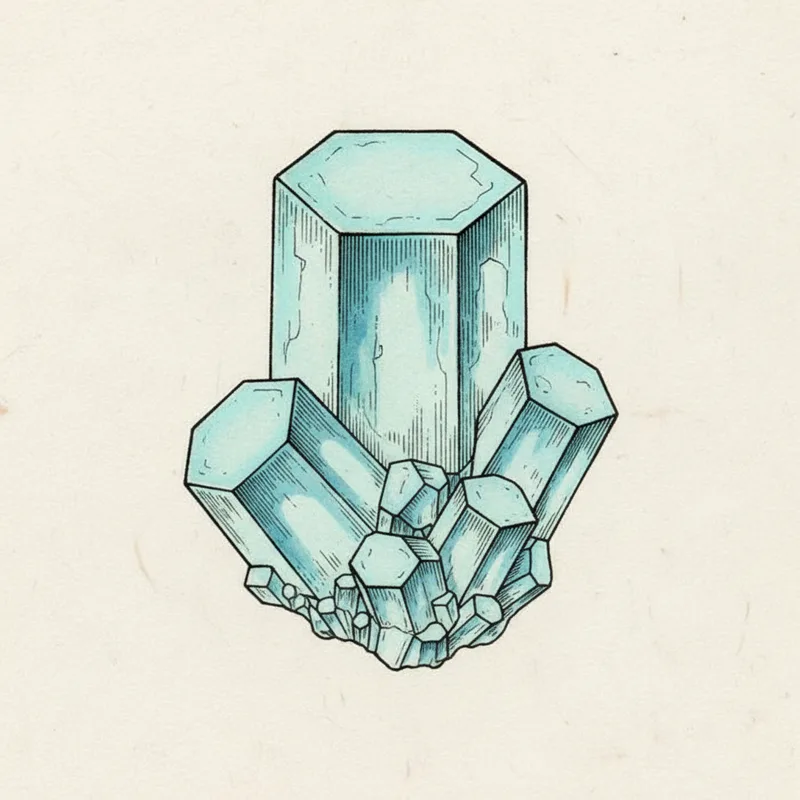
Aquamarine
The Sailor's Gem
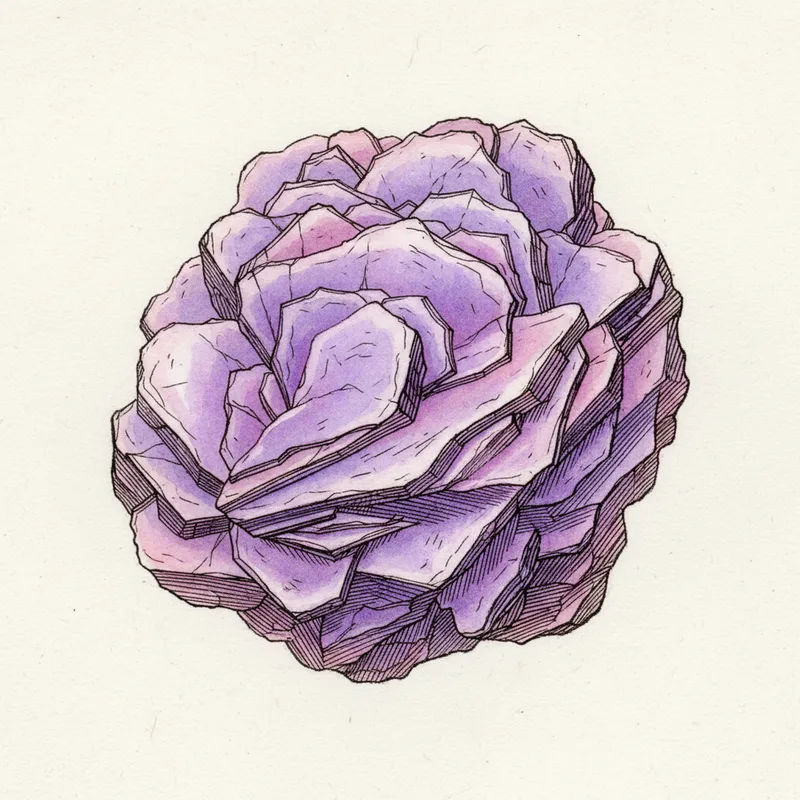
Lepidolite
The Peace Stone
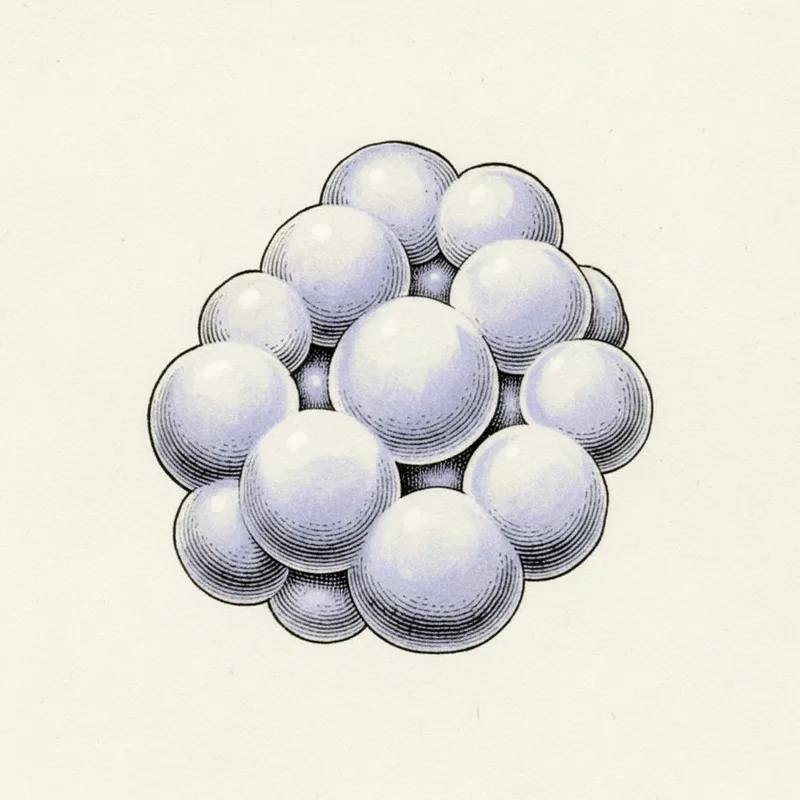
Chalcedony
The Mother of Agates
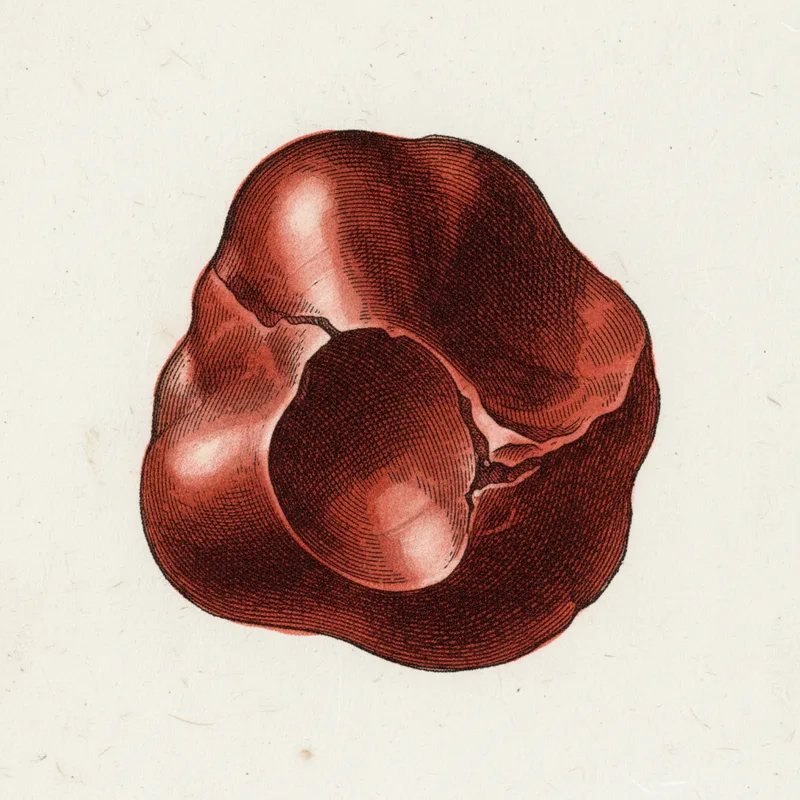
Red Jasper
The Supreme Nurturer
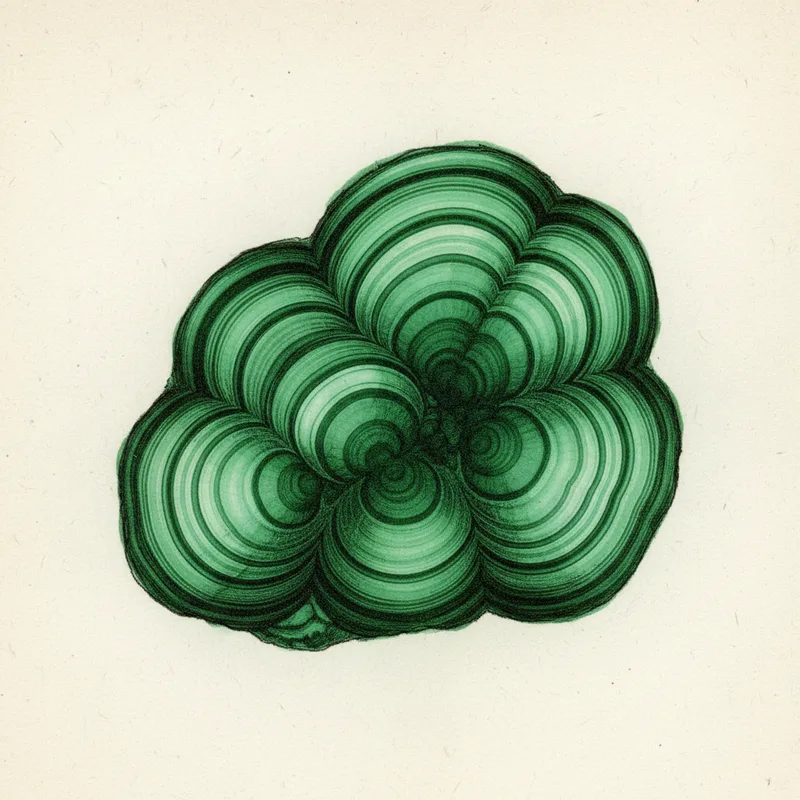
Malachite
The Stone of Transformation
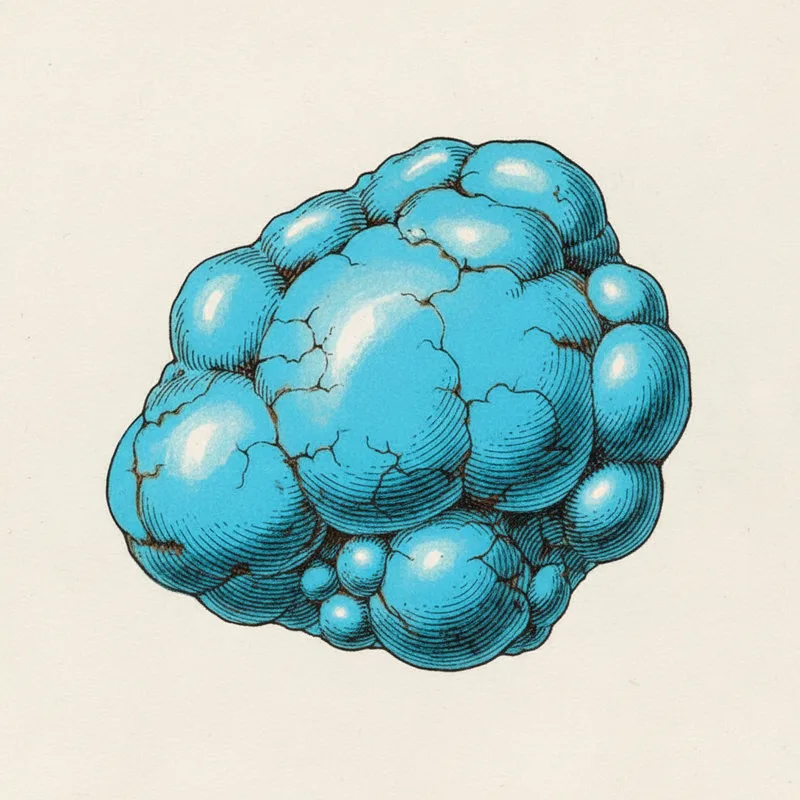
Turquoise
The Sky Stone
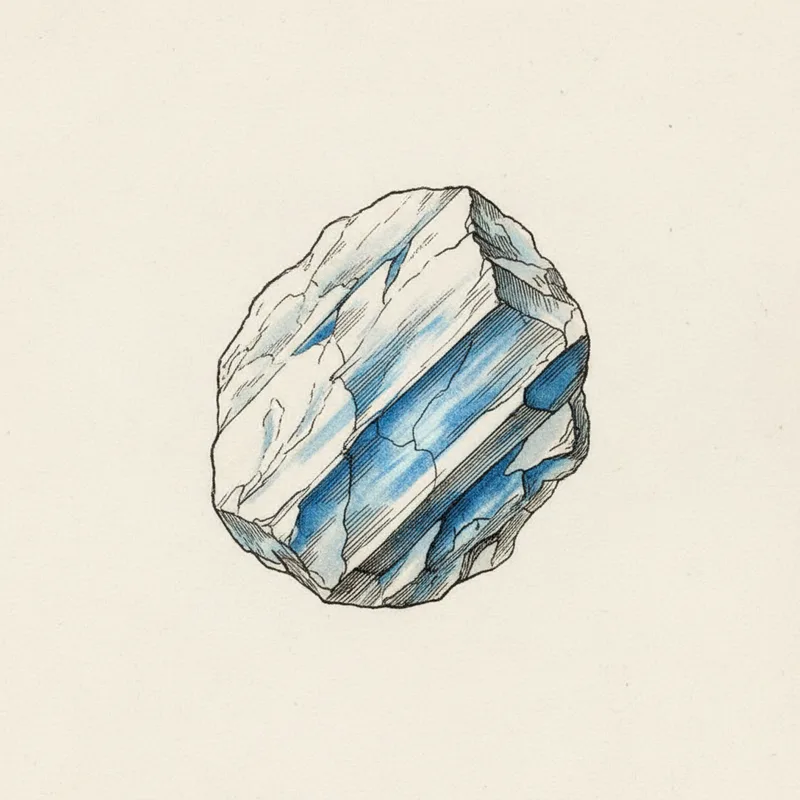
Moonstone
The Traveler's Stone
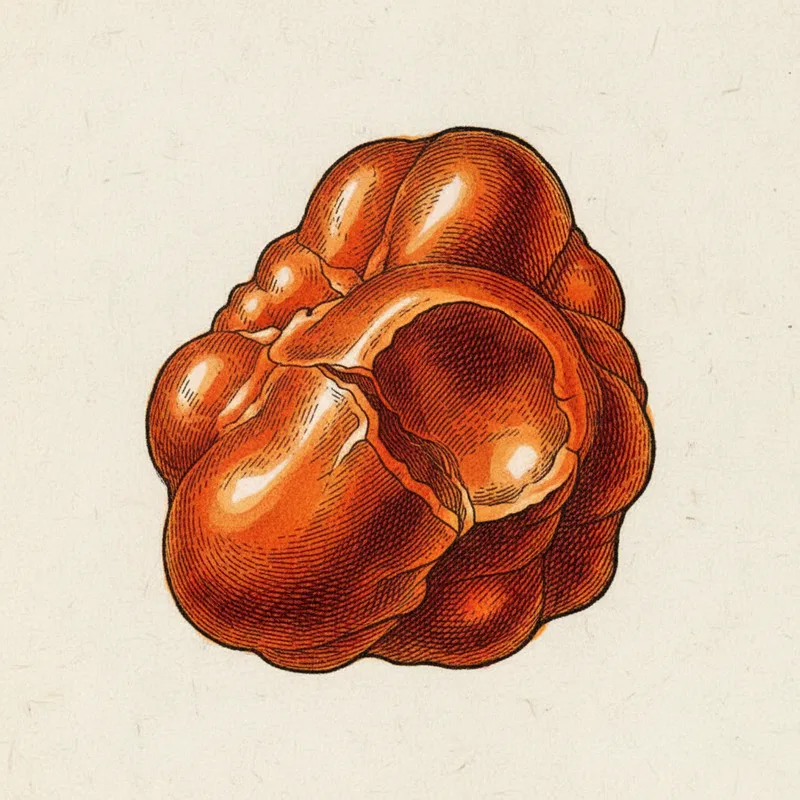
Carnelian
The Singer's Stone
Keep Reading
Stay in the loop
From the Almanac
Updates from Crystal Almanac, when there’s something worth sharing.