Crystals for Your Home: A Room-by-Room Placement Guide
Key Takeaway: Before placing a crystal anywhere in your home, check three things: its hardness (will it survive bumps and scratches?), its water sensitivity (will humidity destroy it?), and its light stability (will sunlight fade it?). This guide covers which crystals thrive in every room and which ones will quietly deteriorate.
Crystals as home decor is a multi-billion dollar trend, and for good reason. A well-placed amethyst geode catches light like nothing else. A polished slab of agate on a coffee table is genuinely stunning. But most placement guides skip the most important question: will your crystal actually survive where you put it?
A selenite bowl in the bathroom will slowly dissolve. An amethyst cluster on a sunny windowsill will fade from deep purple to a washed-out grey over months. A malachite coaster in the kitchen can leach copper into acidic liquids. These are not rare edge cases. They are predictable chemical and physical reactions that anyone selling crystals should mention but almost never does.
This guide leads with the mineral science of placement. Every recommendation considers hardness, chemical stability, water resistance, and light sensitivity, so your display pieces actually last. For a deeper dive into water and light safety, check out the crystal care guide. For hardness reference, see the Mohs hardness scale.
Living Room: Statement Pieces That Can Take Anything
The living room is your showcase space, and the good news is that most popular display crystals handle indoor living room conditions just fine. No direct sunlight, no moisture, no extreme temperatures. This is where you bring out the big pieces.
Amethyst geodes are the classic statement mineral. With a hardness of 7 on the Mohs scale, amethyst is scratch-resistant, chemically stable, and completely unbothered by indoor humidity. Large geodes from Brazil and Uruguay are widely available in sizes from a few inches to over four feet tall. A cathedral-style geode on a shelf or mantel anchors an entire room. Just keep it out of direct window light, since amethyst's purple color comes from iron impurities and radiation-induced color centers that UV exposure will gradually bleach.
Large quartz clusters work beautifully on bookshelves and side tables. Clear quartz shares amethyst's hardness of 7 and has no light sensitivity issues at all, making it one of the most versatile display minerals. A cluster with well-defined terminations catches lamplight and creates interesting shadows.
Petrified wood deserves more attention as home decor. During petrification, the original organic material is replaced molecule by molecule with silica (SiO₂), essentially turning wood into a form of quartz. The result is a material with a hardness around 7 that is nearly indestructible under household conditions. Polished petrified wood slabs make extraordinary coffee table centerpieces and conversation starters. A large slice with visible growth rings is geological storytelling at its best.
Display considerations: Large geodes and clusters are heavier than they look. A 12-inch amethyst geode can weigh 15 to 30 pounds. Make sure your shelf or surface can handle the weight. Use felt pads underneath to protect both the crystal and your furniture. For pieces displayed on mantels or high shelves, consider museum putty to prevent tipping, especially if you live in an earthquake-prone area or have curious cats.
Bedroom: Calming Stones (With a Safety Note)
The bedroom is where most people start with crystal decor, often on a nightstand or dresser. The environment is gentle. No water, no sunlight, no temperature swings. Almost any crystal survives here, so your choices come down to aesthetics and, if it matters to you, traditional associations.
Rose quartz is the go-to bedroom stone. Its soft pink color comes from trace amounts of titanium, iron, and manganese within the quartz structure. Hardness 7, no special care needed. Tumbled pieces, carved hearts, and polished spheres all work well on a nightstand. Rose quartz is mildly light-sensitive over very long periods, but bedroom placement typically avoids direct sun anyway.
Amethyst clusters or tumbled stones are another popular bedroom choice, traditionally associated with restful sleep and calm energy. A small cluster on a dresser adds color without overwhelming the space.
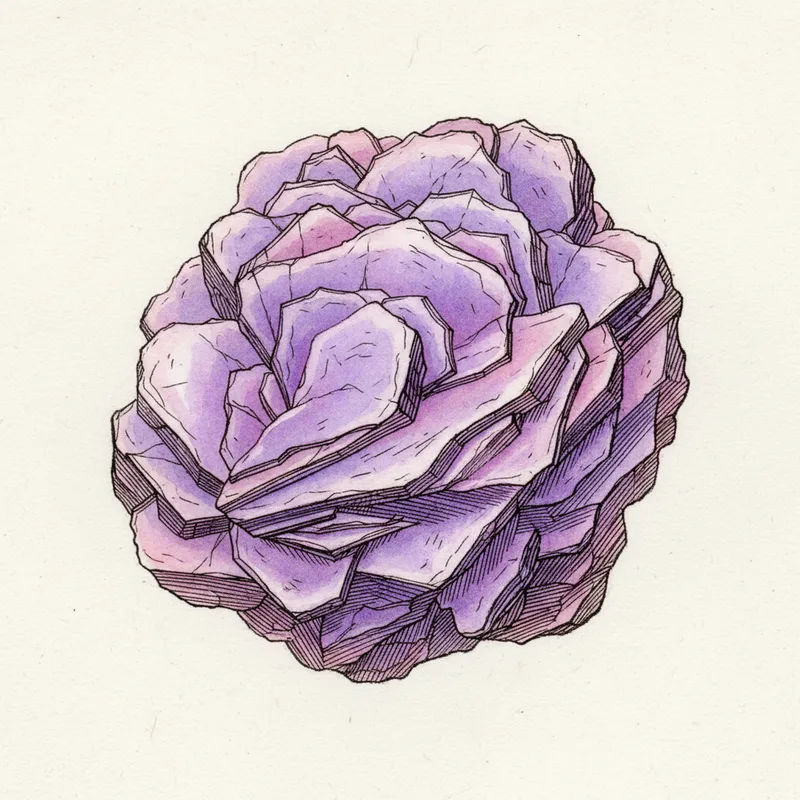
Lepidolite is a lithium-bearing mica mineral with a beautiful lilac to purple color. It is softer than quartz at hardness 2.5 to 3, so it scratches easily and should sit on a soft surface rather than next to keys or jewelry. The lithium content is part of why crystal traditions associate it with calming and stress relief. Lepidolite looks gorgeous as a raw slab propped against a lamp.
Moonstone offers a unique optical effect called adularescence, a billowing blue-white glow caused by light scattering between microscopic layers of orthoclase and albite feldspar. Hardness 6 to 6.5. A polished moonstone sphere or palm stone on a nightstand catches low light beautifully.
One important rule for bedrooms: avoid toxic minerals in spaces where you sleep and spend long hours. Malachite, cinnabar, and other copper or mercury-bearing minerals should not sit on nightstands where you might handle them half-asleep and then touch your face. This is not about energy. It is about not getting copper carbonate dust on your pillow. Check the crystal care guide for a full list of toxic minerals and safe handling practices.
Bathroom: Water Resistance Is Non-Negotiable
The bathroom is the most chemically hostile room in your house for minerals. High humidity, direct water contact, temperature swings from hot showers, and splashes of soap, shampoo, and cleaning products. Any crystal you place here needs to pass a simple test: is it stable in water?
Safe for bathrooms:
The entire quartz family thrives here. Clear quartz, amethyst, citrine, smoky quartz, and rose quartz all have a hardness of 7 and zero water reactivity. SiO₂ is one of the most chemically inert common minerals. A cluster of quartz points on the back of a toilet tank or a rose quartz soap dish works perfectly.
Agate and jasper are both varieties of chalcedony (microcrystalline quartz) with the same excellent water resistance. Agate slices make stunning bathroom decor. Their banded patterns and translucency look especially good backlit on a windowsill. Jasper, being opaque, works well as a soap dish or decorative tray.
Carnelian, another chalcedony variety, brings warm orange tones to the bathroom and handles moisture without any issues.
Dangerous in bathrooms:
Selenite is the mineral most often destroyed by bathroom placement. Selenite is a form of gypsum (CaSO₄·2H₂O) with a hardness of just 2. It is water-soluble. Not water-sensitive, water-soluble. Leave a selenite bowl near a shower and it will develop pitting, surface dissolution, and eventually structural damage. This is the single most common crystal care mistake people make.
Celestite (SrSO₄) is soft at hardness 3 to 3.5 and degrades in humid environments. Its delicate crystal clusters are fragile enough to chip from a bump, let alone ongoing moisture exposure.
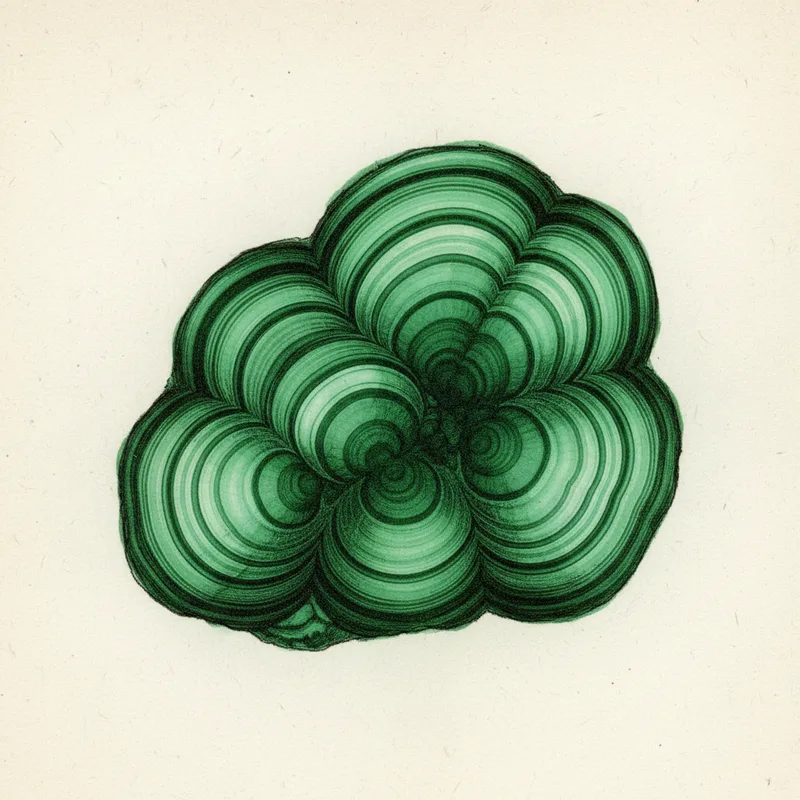
Malachite (Cu₂CO₃(OH)₂) poses a different problem. While it does not dissolve rapidly, malachite is a copper carbonate hydroxide mineral. In acidic or wet conditions, copper can leach from the surface. You do not want copper residue on surfaces where you wash your face or brush your teeth. Keep malachite in dry rooms only.
Halite and calcite are also poor bathroom choices. Halite is literally table salt (NaCl) and dissolves readily. Calcite (CaCO₃) reacts with acidic cleaners and slowly degrades in humid environments.
For a complete water safety guide, see our crystal care page.
Kitchen: Hardness Is Everything
Kitchens are high-traffic, high-impact environments. Crystals placed near cooking surfaces, on countertops, or near sinks face bumps, splashes, heat fluctuations, and acidic spills from citrus, vinegar, and wine. The rule here is simple: nothing below a Mohs hardness of 6.
Citrine is a natural fit. This yellow to golden variety of quartz (SiO₂) has a hardness of 7 and resists everything a kitchen can throw at it. A citrine cluster on a kitchen windowsill is traditionally associated with abundance and positive energy, and practically speaking, citrine is one of the few colored quartz varieties that does not fade significantly in sunlight.
Green aventurine brings a calming green to kitchen spaces. Hardness 7 (it is a quartz), with its characteristic shimmer caused by tiny included flakes of fuchsite mica. A polished aventurine slab makes a beautiful trivet or decorative accent on open shelving.
Carnelian, with its warm orange to red tones, is another kitchen-friendly choice at hardness 7. It is chemically inert and handles heat well. Carnelian is colored by iron oxide inclusions within chalcedony, and those warm tones complement wooden countertops and warm-toned kitchens.
What to avoid: Any soft mineral that chips easily. Fluorite (hardness 4), calcite (hardness 3), and selenite (hardness 2) will all accumulate surface damage quickly in a kitchen. Fluorite also has perfect octahedral cleavage, meaning it breaks cleanly along four planes. One good knock against a countertop edge and a fluorite specimen can split apart. Also avoid any toxic mineral near food preparation surfaces, particularly malachite, as noted in the bathroom section.
Office and Desk: Small Specimens, Big Impact
Your desk does not need a cathedral geode. Some of the most interesting display minerals work best at palm-stone and thumbnail-specimen scale, which is perfect for a workspace.
Pyrite is a desk favorite for good reason. Iron disulfide (FeS₂) forms in perfect cubic crystals that look almost manufactured. A cluster of pyrite cubes from Navajun, Spain, is one of the most visually striking mineral specimens you can buy at any price point. Hardness 6 to 6.5, so it handles desk life fine. Pyrite tarnishes slowly over years of exposure to air, developing a warmer bronze patina that many collectors actually prefer.
Fluorite (CaF₂) is softer at hardness 4, but a desk is a gentle environment. Fluorite comes in an extraordinary range of colors, often within a single specimen, with purple, green, blue, yellow, and clear zones created by different trace impurities and radiation exposure during growth. An octahedral fluorite crystal or a polished fluorite sphere makes a stunning desk piece. In crystal traditions, fluorite is associated with mental clarity and focus, making it a popular office stone.
Clear quartz points are classic desk companions. A natural single-terminated quartz point standing upright adds geometric interest to any workspace. Small quartz points from Arkansas or Brazil are affordable and widely available.
Tiger's eye brings warm golden-brown bands that shift in the light, an effect called chatoyancy caused by parallel fibers of altered crocidolite within quartz. Hardness 7, extremely durable, and available as tumbled stones, spheres, or palm stones at very reasonable prices. Its traditional association with confidence and decision-making makes it a popular choice for work spaces.
Windowsills: The Light Problem
Windowsills are tempting display spots, but direct sunlight is the enemy of many colored minerals. The same UV radiation that gives you sunburn can rearrange the atomic-level color centers responsible for a crystal's hue. This is not hypothetical. Leave certain crystals in a sunny window and you will watch them fade over weeks to months.
Crystals that FADE in sunlight:
- Amethyst: Purple color from iron impurities and radiation-induced charge transfer fades to pale lavender or grey
- Rose quartz: Pink hue from dumortierite inclusions or titanium impurities gradually lightens
- Kunzite: Notoriously light-sensitive. Pink spodumene can lose almost all color with extended UV exposure
- Smoky quartz: Brown color from irradiated aluminum impurities can lighten significantly
- Fluorite: Many colors are unstable under UV light. Some specimens change color dramatically
Safe for sunny windowsills:
Agate slices are ideal windowsill pieces. Their colors come from stable iron oxide and other mineral inclusions trapped within the banded chalcedony structure. Thin slices backlit by sunlight reveal translucent banding patterns that look almost like stained glass. This is arguably the single best use of a crystal as home decor.
Jasper of all varieties handles sunlight without issue. The iron-based pigments are stable and locked within the microcrystalline quartz matrix.
Obsidian is volcanic glass, and its black color comes from magnetite nanoparticles distributed throughout the glass matrix. Completely sun-stable.
Hematite (Fe₂O₃) gets its silver-black metallic appearance from iron oxide, one of the most stable mineral pigments known. Sunlight does nothing to it.
As a general rule: opaque, dark, iron-colored minerals handle sun just fine. Transparent, pastel, and radiation-colored minerals do not.
Entryway: The Protection Stones
Many crystal traditions place protective stones near the front door. Whether or not you subscribe to those traditions, the entryway minerals tend to be remarkably practical choices for a high-traffic area. They are tough, opaque, and visually striking in dark tones.
Black tourmaline (schorl) is the most commonly recommended entryway stone. It is a complex borosilicate mineral with a hardness of 7 to 7.5, making it one of the hardest common decorative minerals. Its deep black color is stable in all lighting conditions. Raw black tourmaline logs with their characteristic striated surfaces look dramatic in a bowl near the door or standing upright on an entry table.
Obsidian in its various forms, from raw chunks to polished spheres, brings a sleek modern aesthetic to entryways. Volcanic glass has no crystal structure to cleave along, and while it can chip if dropped on hard floors, it is otherwise very durable for display purposes. Hardness 5 to 5.5.
Hematite adds metallic shine to dark stone arrangements. Polished hematite has a mirror-like silver-black surface that pairs beautifully with black tourmaline and obsidian. Hardness 5.5 to 6.5.
All three of these stones are completely light-stable and moisture-resistant, meaning they handle the temperature swings and occasional door-draft moisture of entryway placement without any concern.
Feng Shui Basics: Cardinal Direction Placements
Feng shui is a Chinese philosophical system of spatial arrangement with traditions spanning over 3,000 years. Whether you practice it or simply find the framework useful for deciding where things go, here are the most commonly cited crystal placements by direction.
Southeast (wealth and abundance): Citrine is the traditional choice. Its golden color associates it with prosperity in many cultures. Practically, the southeast often gets morning light, and citrine is one of the few colored quartz varieties that tolerates sun well.
Southwest (love and relationships): Rose quartz is universally recommended here. Pairs of rose quartz stones are traditional. Keep them away from windows in this position to avoid color fading.
North (career and life path): Black tourmaline or obsidian. Dark, water-element stones in feng shui tradition. Both are practical, durable choices for any room orientation.
East (health and family): Green aventurine or jade. Green stones represent the wood element in feng shui. Aventurine at hardness 7 is more forgiving than jade (hardness 6 to 6.5) for placement in active areas.
Center (overall balance): Clear quartz is considered a universal harmonizer. A quartz cluster in a central room or hallway is a versatile choice that works with any decorating style.
These are traditional guidelines, not rules. Place crystals where they look good and where they will survive the environmental conditions. That matters more than compass direction.
Sourcing Display Pieces: What to Look For
Buying crystals for home decor is different from buying jewelry or small collection specimens. You are shopping for visual impact, structural integrity, and appropriate size. Here is what to consider.
Where to buy: For large statement pieces like geodes and clusters, local rock shops and gem shows offer the huge advantage of seeing the piece in person. Online retailers like Fossil Era, Crystal River Gems, and reputable Etsy sellers work for smaller pieces, but photos can be misleading for large specimens. Gem and mineral shows (Tucson in February is the largest) offer the best selection and prices for serious decor pieces.
What to inspect: Look for structural stability. Geodes should not have cracks running through the outer matrix. Clusters should have their points firmly attached, not wiggling or recently glued. Check the base. A flat, stable base is worth paying more for, because display stands add cost and bulk. Smell the piece. If it smells like glue, points have been reattached.
Price expectations: Small tumbled stones for desk or nightstand use run $2 to $10 each. Polished palm stones and spheres range from $10 to $50 depending on mineral and size. Medium amethyst clusters (4 to 8 inches) typically cost $20 to $80. Large statement geodes start around $100 and can reach into the thousands for museum-quality pieces. Agate slices for windowsills run $10 to $40 for nice specimens. Petrified wood slabs vary enormously by size and quality, from $30 for a small polished piece to $500 or more for a large coffee-table slab.
Red flags: Prices that seem too good for the size and quality. Vivid, unnaturally uniform colors (especially in agate, which is often dyed). Sellers who cannot tell you where a specimen was sourced. And any large crystal piece sold without weight listed. Weight matters for shipping costs, display surface load, and authenticity verification. A real amethyst geode is heavy. If it is not, something is wrong.
Browse crystals by color family to find the perfect accent for your space, or explore the full mineral encyclopedia to learn more about any stone mentioned in this guide.
Crystals in This Article
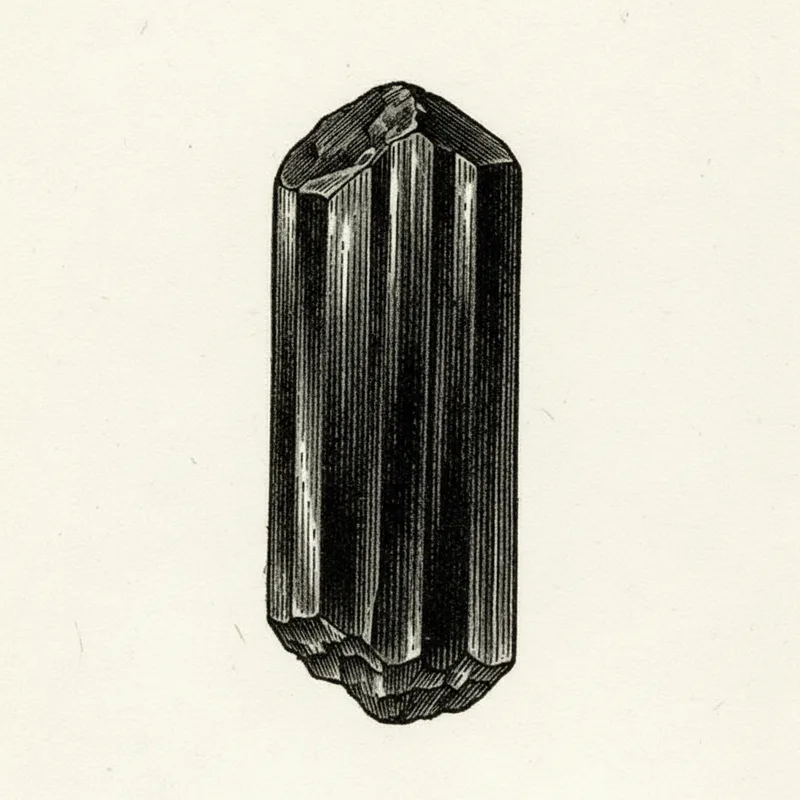
Black Tourmaline
The Shield Stone
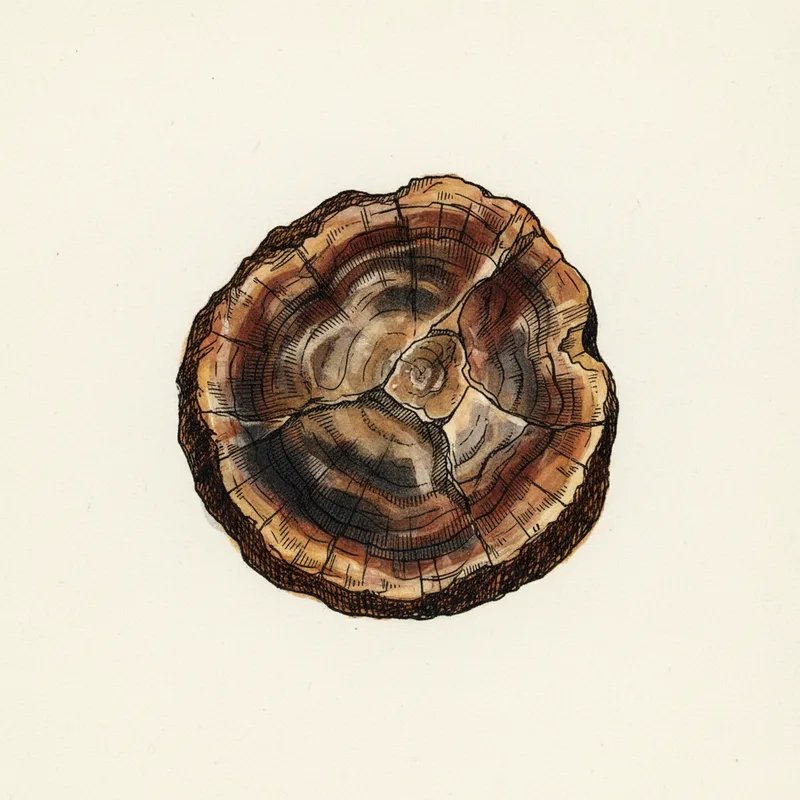
Petrified Wood
Time Written in Stone
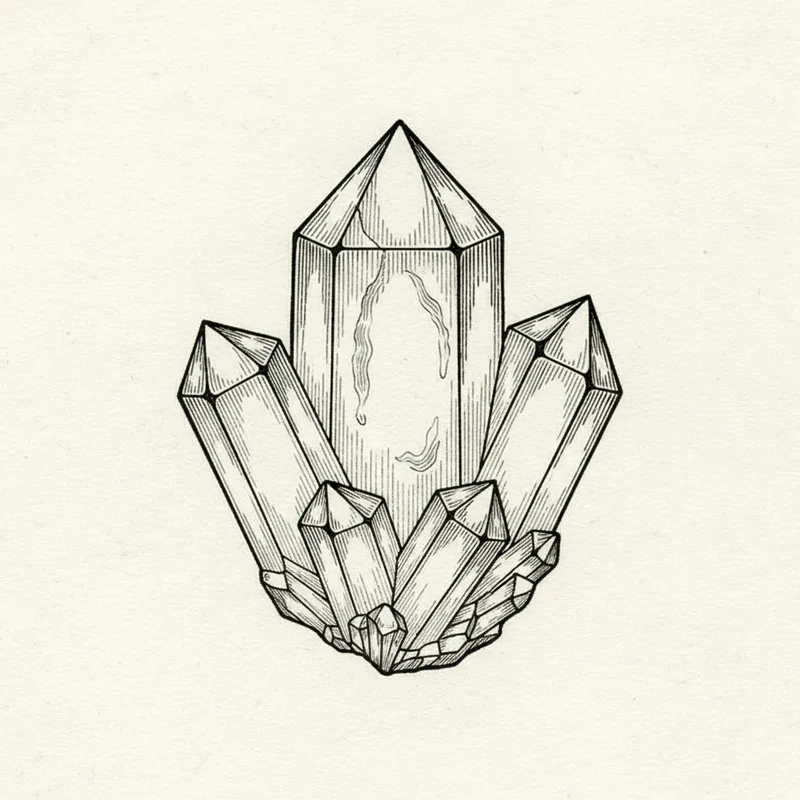
Clear Quartz
The Master Healer
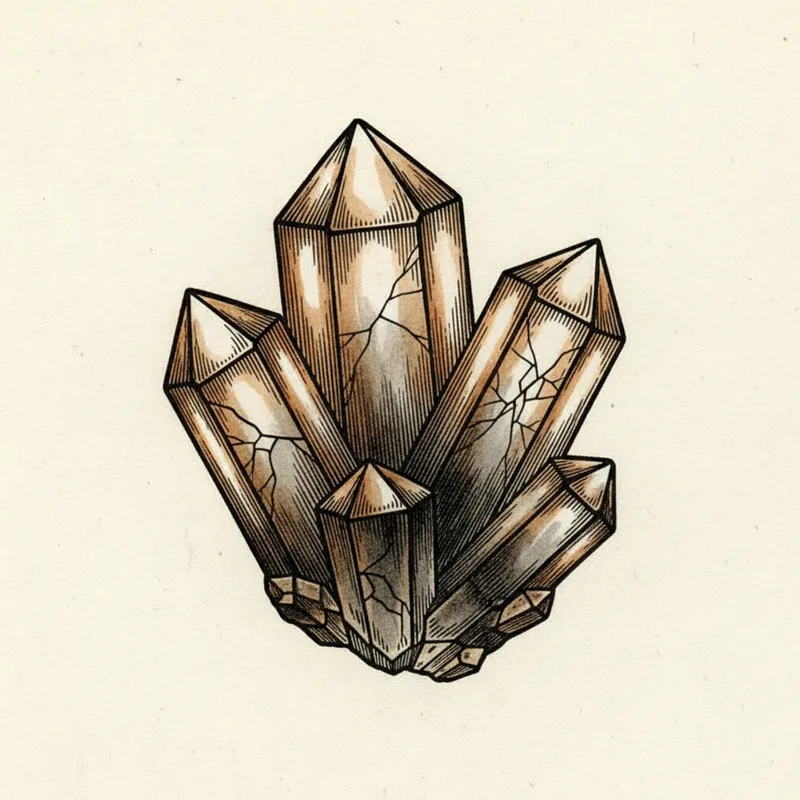
Smoky Quartz
The Grounding Stone
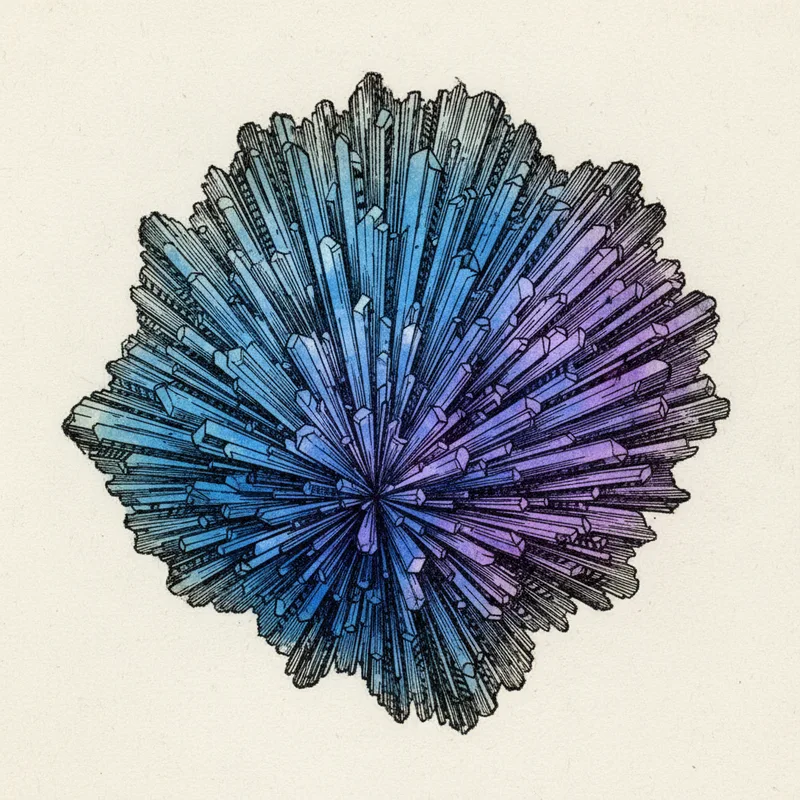
Dumortierite
The Patience Stone
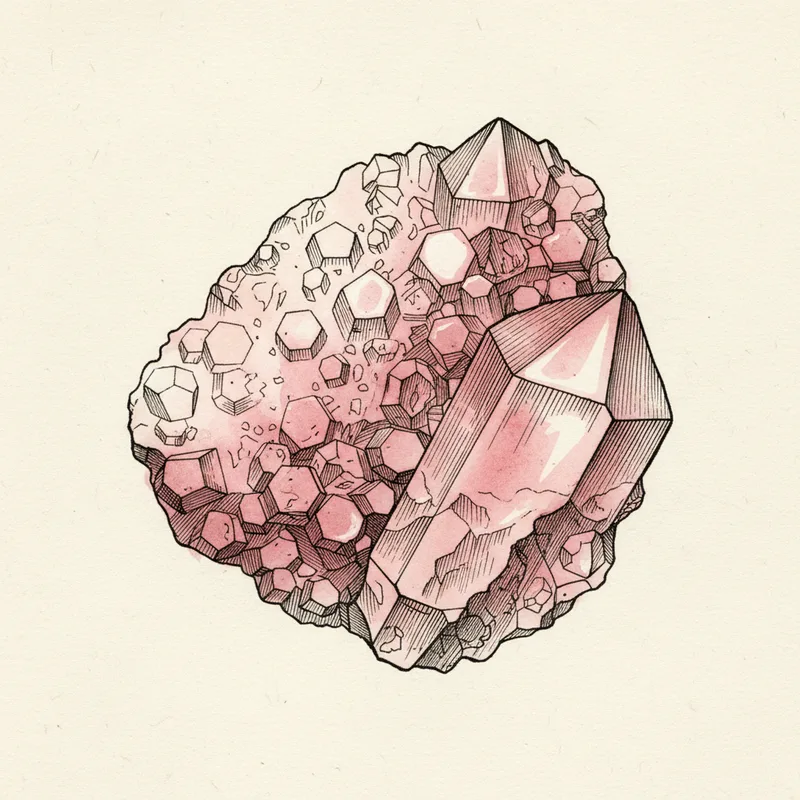
Rose Quartz
The Stone of Unconditional Love
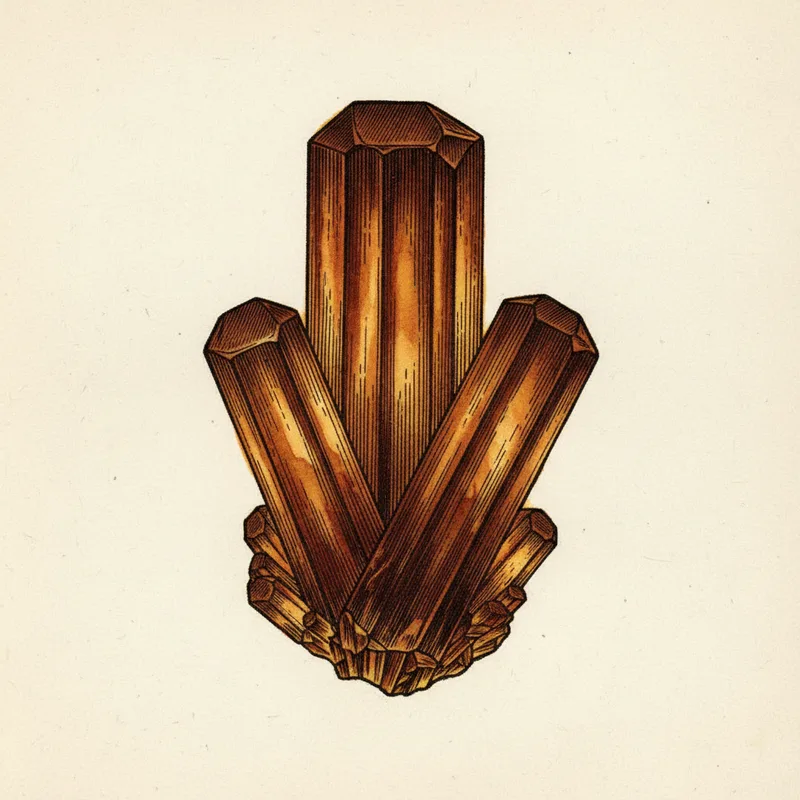
Tourmaline
The Rainbow Stone
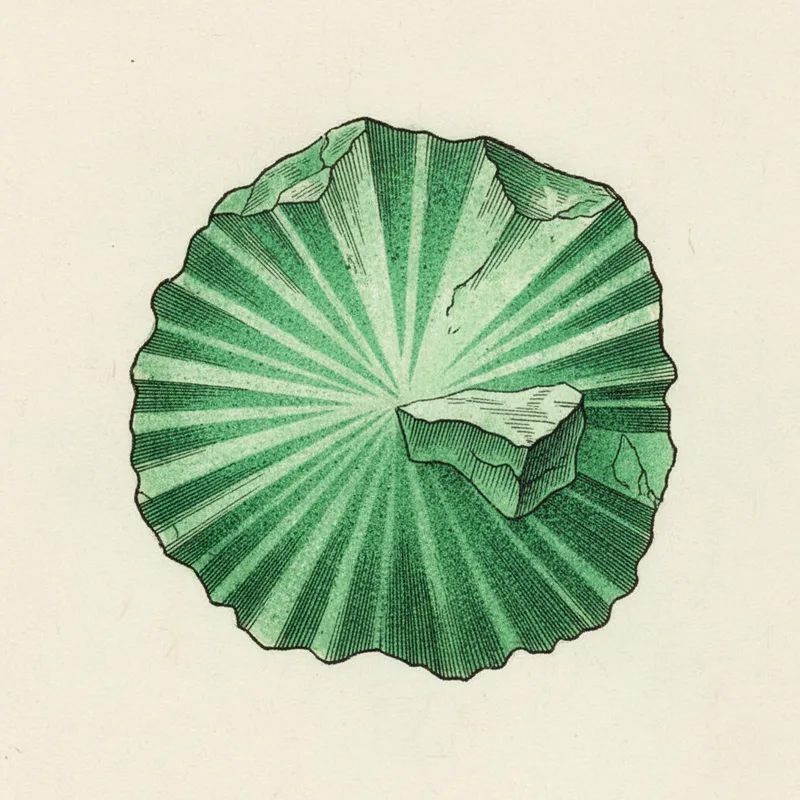
Aventurine
The Stone of Opportunity
Lepidolite
The Peace Stone
Chalcedony
The Mother of Agates

Orthoclase
The Foundation Feldspar
Malachite
The Stone of Transformation